
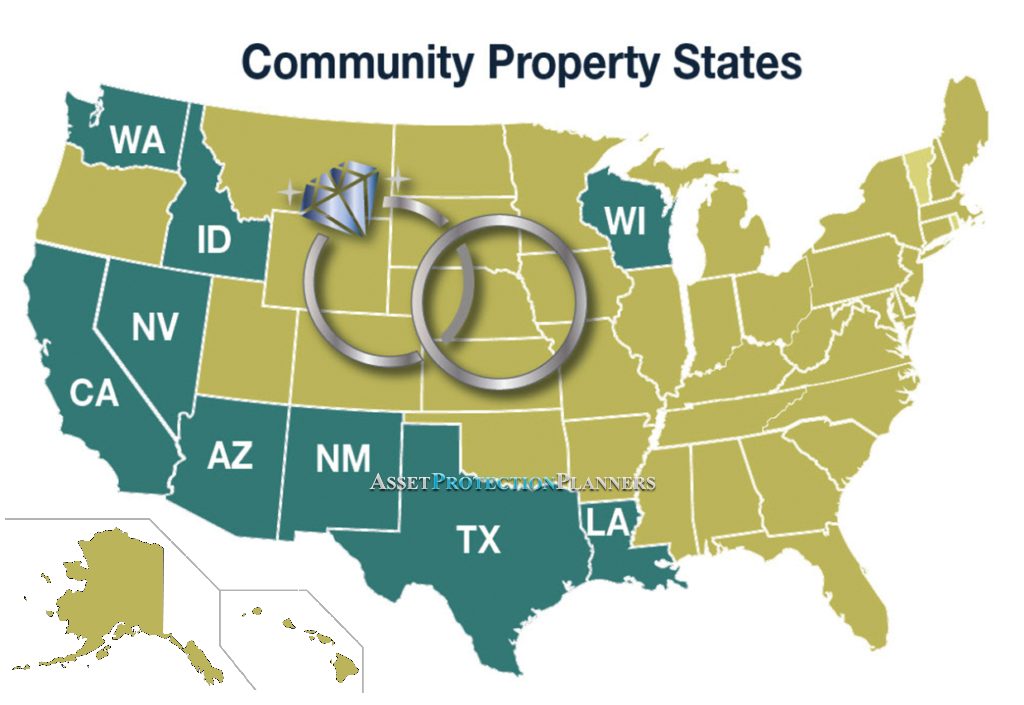
When one considers the phrase “community property state,” the mind often turns to legal definitions and marital assets. However, in the context of travel and tourism, the vibrant state of Arizona offers a compelling, albeit metaphorical, interpretation of this concept. From its breathtaking natural wonders to its rich cultural tapestries, Arizona proudly showcases a wealth of shared treasures that belong, in essence, to the global community of travelers and its residents alike. These are the collective assets that define the state’s allure, freely accessible and preserved for the enjoyment and enrichment of all who venture within its borders.

The Grand Tapestry of Shared Natural Wonders
At the heart of Arizona’s appeal lies its unparalleled natural beauty, much of which is managed as public land, serving as a form of “community property” for exploration and admiration. These iconic landscapes are not merely backdrops but immersive experiences, inviting visitors to connect with the raw power and serene majesty of the desert Southwest.
The Icon: Grand Canyon National Park
Perhaps the most famous example of Arizona’s shared natural heritage is the Grand Canyon National Park. A UNESCO World Heritage Site, this colossal chasm is a testament to the enduring forces of nature, carved over millions of years by the Colorado River. Its vastness, vibrant geological layers, and ever-shifting light create an experience that transcends mere sightseeing. Visitors from every corner of the globe flock to its rims, hike its trails, and marvel at its profound beauty, making it a truly global community asset. The management of the Grand Canyon, under the National Park Service, ensures its preservation and accessibility, embodying the spirit of collective ownership and stewardship for future generations.
Red Rock Majesty: Sedona‘s Public Lands
Further south, the town of Sedona is renowned for its spectacular red rock formations and spiritual energy. Much of the land surrounding Sedona is part of the Coconino National Forest, offering an extensive network of trails for hiking, mountain biking, and introspection. These public lands provide breathtaking vistas and opportunities for outdoor adventure, making the iconic red rocks a shared playground and sanctuary. The access points, scenic overlooks, and well-maintained trails are all components of this collective offering, allowing everyone to experience the unique vibrational qualities and visual splendor of the area without restriction. Destinations like Cathedral Rock and Bell Rock are freely available for public enjoyment, testament to their status as community property.
Desert Oasis: Saguaro National Park and Its Guardianship
Near Tucson, Saguaro National Park stands as a monument to the majestic saguaro cactus, an emblem of the Sonoran Desert. This unique desert ecosystem, with its towering cacti forests, diverse wildlife, and striking landscapes, is protected and presented as a national treasure. The park’s two districts, the Rincon Mountain District to the east and the Tucson Mountain District to the west, offer scenic drives, interpretive trails, and educational programs, inviting visitors to learn about and appreciate the delicate balance of desert life. Its status as a national park signifies its shared value and the collective responsibility to safeguard this extraordinary natural heritage.
Immersive Cultural Heritage: A Collective Story
Beyond its natural wonders, Arizona’s cultural richness is another form of “community property,” woven into the fabric of its towns, traditions, and historical sites. The narratives of its diverse inhabitants – past and present – are shared openly, inviting visitors to delve deeper into the state’s identity.
Indigenous Roots: Tribal Lands and Cultural Sites
Arizona is home to 22 federally recognized Native American tribes, whose ancestral lands and vibrant cultures represent a profound part of the state’s shared heritage. While much of tribal land is sovereign territory, many nations welcome visitors to experience their unique traditions, arts, and histories through cultural centers, museums, and events. The Hopi Mesas, the vast Navajo Nation with its iconic Monument Valley, and the Gila River Indian Community are just a few examples where visitors can respectfully engage with ancient customs and contemporary life. These shared experiences of cultural exchange offer invaluable insights, serving as a powerful reminder of the diverse narratives that enrich the collective identity of Arizona.
Historic Towns and Shared Narratives
The state’s history is visibly preserved in its numerous historic towns and sites, each telling a piece of Arizona’s story. From the Old West charm of Bisbee, a former mining town now a thriving arts community, to the legendary streets of Tombstone, site of the infamous O.K. Corral gunfight, these locations offer a tangible link to the past. Visitors can walk the same streets as cowboys and prospectors, explore preserved buildings, and immerse themselves in the bygone eras that shaped the state. Towns like Jerome, a “ghost town” perched precariously on a hillside, have been carefully preserved and revitalized, transforming their historical significance into a shared asset for tourism and education.
Public Spaces and Recreational Access for All
The concept of “community property” also extends to the numerous public spaces and recreational facilities that are designed for collective enjoyment, fostering a sense of shared belonging and opportunity for adventure for locals and tourists alike.
Trails, Parks, and Scenic Byways
Across Arizona, an extensive network of public parks, wilderness areas, and scenic byways offers universal access to outdoor recreation. Cities like Phoenix and Tucson boast vast municipal park systems, such as South Mountain Park and Preserve in Phoenix – one of the largest municipal parks in the United States – providing miles of trails for hiking, biking, and horseback riding. The Arizona Trail, a continuous 800-mile path stretching from Mexico to Utah, exemplifies a monumental shared resource, offering long-distance hiking and biking opportunities through diverse ecosystems. These publicly funded and maintained resources ensure that the beauty and recreational potential of Arizona are accessible to everyone, irrespective of their background or means, truly embodying the spirit of community property.
Festivals and Community Gatherings
Arizona’s calendar is dotted with numerous festivals, fairs, and community gatherings that invite both residents and visitors to participate in shared celebrations. Events ranging from the Tucson Gem & Mineral Show to the Scottsdale Arts Festival and various cultural powwows highlight the state’s diverse talents, traditions, and collective spirit. These gatherings create vibrant public spaces where culture, art, food, and music are shared, fostering a sense of community and providing unique insights into the local lifestyle. They represent intangible community property – the shared joy, celebration, and exchange that enrich the experience of being in Arizona.
Sustaining the Shared Experience: Responsible Tourism
Ultimately, viewing Arizona’s treasures as “community property” underscores a critical aspect of tourism: the shared responsibility for their preservation and sustainable enjoyment.
Protecting Arizona’s Assets for Future Generations
The accessibility and beauty of Arizona’s natural and cultural assets come with a collective obligation. Responsible tourism practices, such as adhering to “Leave No Trace” principles in national parks and forests, respecting tribal customs, and supporting local conservation efforts, are vital. By engaging in sustainable travel, visitors contribute to the ongoing preservation of these shared resources, ensuring that future generations can also marvel at the Grand Canyon, hike the red rocks of Sedona, and experience the rich cultures of the state.

Engaging with Local Communities
Embracing the spirit of “community property” also means engaging thoughtfully with the local communities that are stewards of these treasures. Supporting local businesses, artists, and guides helps to sustain the economy that in turn supports the infrastructure and preservation of tourist sites. When travelers choose locally owned restaurants in Flagstaff or purchase authentic crafts directly from Native American artisans, they are investing in the very fabric of the community that makes Arizona so special.
In conclusion, while not a community property state in the legal sense, Arizona unequivocally functions as one in its tourism offerings. Its majestic landscapes, profound cultural narratives, and inviting public spaces are all shared assets, collectively owned and cared for by its people, and generously extended to all who seek to explore its remarkable depths. This metaphorical “community property” ensures that the magic of Arizona remains a universally accessible and endlessly rewarding destination.
LifeOutOfTheBox is a participant in the Amazon Services LLC Associates Program, an affiliate advertising program designed to provide a means for sites to earn advertising fees by advertising and linking to Amazon.com. Amazon, the Amazon logo, AmazonSupply, and the AmazonSupply logo are trademarks of Amazon.com, Inc. or its affiliates. As an Amazon Associate we earn affiliate commissions from qualifying purchases.