
When planning a captivating Arizona adventure, from hiking the majestic Grand Canyon National Park to exploring the vibrant arts scene of Phoenix, most travelers meticulously research everything from accommodation options to the best local cuisine. However, one crucial aspect often overlooked, yet vital for a smooth and worry-free trip, is understanding the local laws, particularly those surrounding privacy and recording. For visitors to the Grand Canyon State – whether you’re a casual tourist documenting memories or a professional content creator producing a travel guide – knowing whether Arizona operates as a “one-party consent” state is paramount. This knowledge can significantly impact how you interact, record, and share your experiences, ensuring your journey aligns with legal and ethical standards.
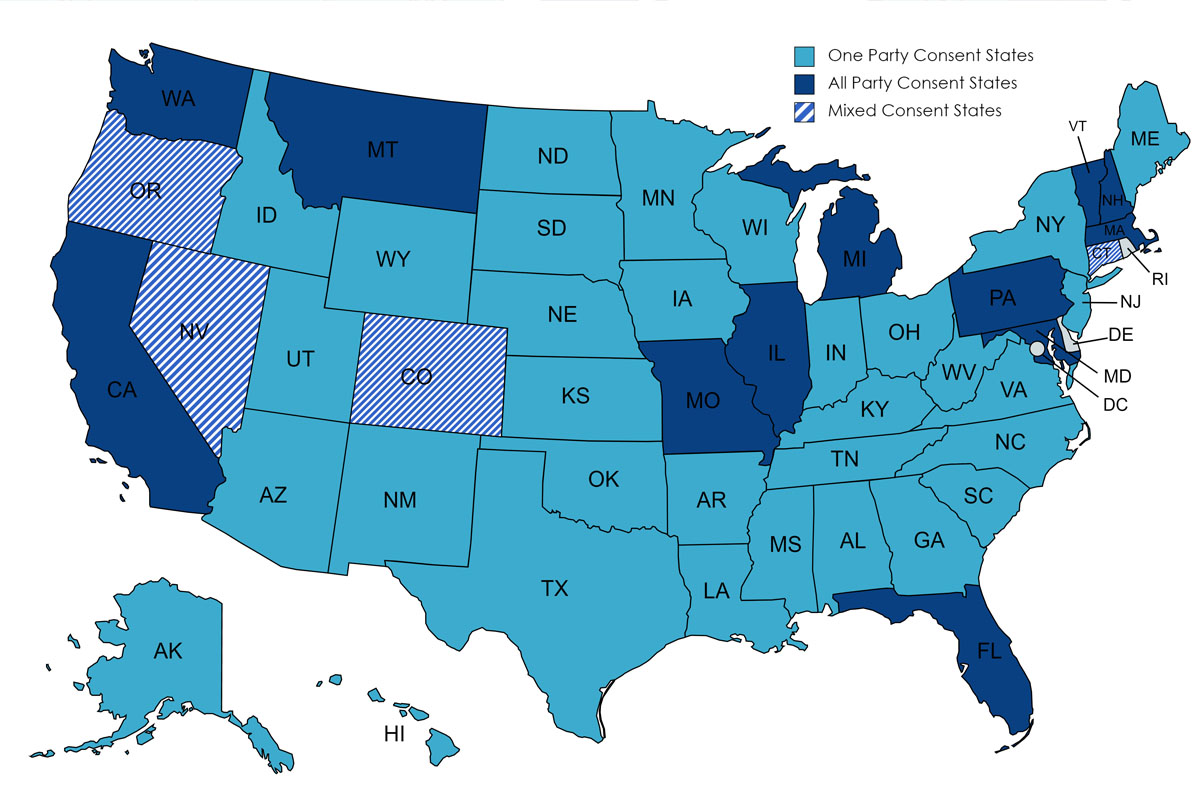
The concept of “one-party consent” versus “two-party consent” dictates the legality of recording private conversations. In a one-party consent state, you can legally record a conversation as long as you are a participant in it, or you have the consent of one of the participants. This means you don’t need to inform everyone involved that you’re recording. Conversely, in a two-party (or all-party) consent state, every single person participating in the conversation must give their explicit permission before it can be legally recorded. The distinction has profound implications for individual privacy, journalistic practices, and, notably, for the modern traveler engaged in a world increasingly reliant on digital documentation. Understanding Arizona’s stance on this can safeguard you from potential legal entanglements and ensure a more respectful and informed approach to your travel and tourism activities within its borders.
Understanding Arizona’s One-Party Consent Law
Navigating the legal landscape of recording conversations can seem daunting, but for those venturing through Arizona, the rules are relatively straightforward. The Grand Canyon State firmly falls into the category of a one-party consent state when it comes to recording conversations. This legal framework is a cornerstone of privacy law within the United States and understanding its nuances is essential for anyone spending time in Arizona, whether for a brief vacation or an extended stay.
What “One-Party Consent” Truly Means in the Grand Canyon State
In Arizona, the law specifies that it is lawful to record an in-person or telephone conversation if at least one party to the conversation has given their consent. This is codified under Arizona Revised Statutes §13-3005, which addresses “Unlawful wiretapping or eavesdropping.” Essentially, if you are a participant in a conversation, you have the legal right to record it without informing the other parties. This applies to various scenarios, from a casual chat with a local artisan in Sedona to a booking inquiry with a hotel reservation agent in Scottsdale.
It’s crucial to understand that this law primarily pertains to audio recordings of conversations where there is a reasonable expectation of privacy. The intent behind such laws often balances individual privacy with accountability and the ability to document interactions. While you may legally record a conversation you are part of, ethical considerations, especially in travel and tourism, often lean towards transparency and courtesy. For instance, while legally permitted, covertly recording a detailed conversation with a tour guide about a specific historical fact at Montezuma Castle National Monument might not foster the best rapport, even if within legal bounds.
The distinction between audio recording and video recording in public spaces is also noteworthy. In most public areas, such as the bustling streets of Old Town Scottsdale or the visitor centers at Saguaro National Park, there is generally no reasonable expectation of privacy. This means you can typically record video and incidental audio of people without their consent, as long as you are not specifically targeting a private conversation or acting in a harassing manner. However, the one-party consent rule comes into play when you are actively engaging in a conversation and specifically recording that dialogue.
Public vs. Private Spaces: Navigating the Nuances
The legal permissibility of recording in Arizona is heavily influenced by whether the recording takes place in a public or private setting. This distinction is vital for travelers who wish to document their experiences without inadvertently infringing on someone’s privacy or breaking the law.
Public Spaces: Generally, in public spaces throughout Arizona, individuals have a diminished expectation of privacy. This includes places like streets, parks, public squares, government buildings (in public areas), restaurants, and shops. When you are traversing the paths of the Desert Botanical Garden in Phoenix, admiring the red rock formations in Sedona, or enjoying a festival in Tucson, you are generally free to take photographs and video recordings, and capture ambient audio. If you are a participant in a conversation in these public settings, the one-party consent rule still applies. However, merely recording general public scenes where conversations are happening in the background is usually not a legal issue, as long as the intent isn’t to specifically record and disseminate private conversations. For content creators documenting their lifestyle and adventures, these public areas offer considerable freedom.
Private Spaces: The rules shift significantly when entering private spaces, even those accessible to the public. While Arizona’s one-party consent rule allows you to record conversations you are a part of, the expectation of privacy in certain private settings can override this. For example, within a private hotel room at The Phoenician or Enchantment Resort, inside a private office, or in a medical examination room, the expectation of privacy is extremely high. Even if you are a party to a conversation in such a setting, covertly recording it could potentially lead to other legal issues, such as invasion of privacy claims, especially if the recording is made with malicious intent or involves highly sensitive information. It’s also critical to remember that property owners of private establishments (like restaurants, shops, or specific areas within a resort) can establish their own rules regarding recording on their premises. A sign explicitly prohibiting recording, for example, should be respected, regardless of state law. Therefore, while Arizona is a one-party consent state, the context of where and why a recording is made remains paramount.
Implications for Travelers and Tourists in Arizona
For the modern traveler, the ability to effortlessly document journeys has become a fundamental aspect of the experience. From capturing breathtaking landmarks to sharing personal interactions, recordings enrich our memories and connect us with others. However, in a one-party consent state like Arizona, understanding the specific implications for various types of documentation and interaction is essential to ensure both legality and respect.

Documenting Your Journey: Photography, Videography, and Audio Logs
Arizona’s stunning landscapes and vibrant culture make it a prime destination for photographers, videographers, and content creators. Whether you’re capturing the otherworldly beauty of Antelope Canyon, the architectural marvel of Taliesin West, or the bustling energy of Mill Avenue in Tempe, the state offers endless opportunities.
- Visual Recording (Photography and Videography): In public spaces, you generally have a broad right to photograph and video record. This includes people, as long as they are in public view and you are not harassing them or intruding on a reasonable expectation of privacy (e.g., peeking into private areas). For travel vloggers and content creators, this means considerable freedom to film street scenes, market interactions, and general public activities. When filming in attractions like the Heard Museum or Biosphere 2, always check their specific policies, as private entities can set their own rules.
- Audio Recording Conversations: This is where Arizona’s one-party consent law becomes directly relevant. If you are engaging in a conversation with a local tour guide at the Grand Canyon, discussing a craft with a vendor at a Tucson market, or asking for directions from a hotel staff member at the Hyatt Regency Scottsdale Resort & Spa at Gainey Ranch, you are legally permitted to record that conversation without informing them, as long as you are a participant. This can be beneficial for remembering details, creating accurate travel logs, or even for personal security. However, legal permission does not automatically equate to ethical appropriateness. Many travelers choose to politely ask for consent, especially when recording someone who might be identifiable or sharing personal insights. This approach fosters good will and respects individual autonomy, aligning with a thoughtful tourism lifestyle.
- Ethical Considerations: Even with one-party consent, consider the potential impact of your recording. Will it make the other person uncomfortable? Is the conversation truly public-facing, or is it more personal? When interacting with locals, demonstrating respect for their privacy and culture often means asking before you record, especially if their voice or words will be prominently featured in your content. This is particularly true for sensitive topics or when interacting with vulnerable individuals.
Privacy Concerns in Accommodation and Public Venues
While the one-party consent law provides certain freedoms, it’s crucial to understand how it interacts with the expectation of privacy in various settings, particularly concerning your personal accommodation and other public venues.
- Hotels, Resorts, and Rental Properties: Your hotel room at a luxurious property like the Arizona Biltmore or a charming Airbnb in Flagstaff is considered a private space with a high expectation of privacy. While Arizona’s law allows you to record conversations you are a party to within your room, this protection doesn’t extend to recording interactions you are not part of, or to placing hidden recording devices. Covertly recording guests or staff in their private spaces without their knowledge (and without being a party to the conversation) is highly illegal and constitutes a severe invasion of privacy. Similarly, a hotel cannot legally place listening devices in your room. Travelers should feel secure in their private accommodations, knowing that their conversations within these spaces are protected unless they themselves choose to record them (as a party to the conversation).
- Restaurants, Bars, and Spas: These venues typically have mixed zones of privacy. The general dining area of a restaurant or the public bar area would be considered a public space, where general video and photography are usually permissible. However, a secluded booth, a private dining room, or a treatment room in a spa (like those at The Scott Resort & Spa) would carry a higher expectation of privacy. In such settings, while you could legally record a conversation you are a part of, the establishment might have policies against recording to protect other patrons’ privacy, or doing so could still be considered an invasion of privacy in certain contexts. Always be mindful of others and the specific policies of the venue.
- Public Transport and Tour Buses: On a tour bus exploring Monument Valley or using local public transport in Mesa, conversations are generally considered to have a low expectation of privacy due to the public nature of the setting. As a participant in a conversation, you could legally record it. However, recording general chatter of other passengers who are not part of your conversation could still raise ethical questions and potentially lead to complaints if it’s intrusive.
Best Practices for Responsible Travel & Lifestyle in Arizona
Embracing Arizona’s one-party consent law responsibly means balancing your legal rights with ethical considerations and a deep respect for local culture and individual privacy. For anyone enjoying the diverse lifestyle and attractions Arizona has to offer, adopting a mindful approach to recording ensures a positive experience for everyone involved.
When in Doubt, Ask: The Courtesy Principle
While Arizona’s law gives you the legal right to record a conversation you’re part of without explicit permission from others, adopting a “courtesy principle” can significantly enhance your interactions and avoid potential misunderstandings.
- Fostering Good Will: Simply asking, “Do you mind if I record this for my notes/vlog?” before you start recording can go a long way. Most people appreciate being asked and are often happy to consent. This transparency builds trust and fosters positive interactions with locals, tour guides, and service providers across the state, from a ranger at Petrified Forest National Park to a bartender in Flagstaff.
- Respecting Individual Preferences: Not everyone is comfortable being recorded, regardless of the legality. Some may have privacy concerns, cultural reservations, or simply prefer not to have their voice or image documented. Respecting these preferences, even if not legally mandated, reflects a responsible and empathetic approach to tourism.
- Minimizing Potential Conflicts: Covert recording, while legal under one-party consent, can sometimes lead to awkward or confrontational situations if discovered. By being upfront, you prevent any surprises and ensure a smoother interaction, allowing you to focus on enjoying your Arizona travel experience. This is especially true when conducting interviews for a travel blog or podcast, where explicit consent is generally expected.

Practical Tips for Protecting Your Privacy (and Others’)
Beyond understanding the law, adopting practical habits can help you navigate privacy concerns effectively, whether you’re the one recording or being recorded.
- Assume You Might Be Recorded in Public: In public spaces across Arizona, especially popular tourist destinations like Camelback Mountain or Kartchner Caverns State Park, it’s wise to assume that you might be captured in photos, videos, or audio recordings by others, including content creators or news gatherers. Adjust your behavior accordingly if you have strong privacy preferences.
- Be Aware of Your Surroundings: Before you begin recording, take a moment to assess your environment. Are you inadvertently capturing private conversations of others? Are you recording in a sensitive area (e.g., a place of worship, a children’s play area, or a private business that prohibits recording)? A quick check can prevent unintended privacy breaches.
- Secure Your Personal Devices: Whether you’re staying at a five-star resort or a cozy apartment rental, always secure your personal devices. This prevents unauthorized access to any recordings you’ve made and protects your own private data.
- Review and Edit Thoughtfully: If you’re creating content, be mindful during the editing process. Even if legal to record, consider if certain snippets of conversation, particularly those involving identifiable individuals who haven’t explicitly consented, are truly necessary for your content. Blur faces, alter voices, or remove segments if they could infringe on someone’s privacy or put them in an uncomfortable light.
- For Travel Bloggers and Content Creators: If your lifestyle involves documenting your journeys extensively, consider having a brief, friendly disclaimer or a consistent approach to seeking consent. When interviewing individuals, it’s always best practice to get their explicit permission, ideally in writing or a recorded verbal agreement, especially if you plan to use their content commercially or publicly. This not only protects you legally but also enhances your reputation as a respectful and professional content creator exploring Arizona’s many wonders.
In conclusion, while Arizona operates as a one-party consent state for recording conversations, this legal right comes with significant ethical responsibilities, particularly for travelers. Understanding the law in the context of public versus private spaces, and adopting a courteous approach to recording, ensures that your Arizona adventure is not only memorable but also legally compliant and respectfully conducted. By being informed and considerate, you can fully immerse yourself in the beauty and culture of the Grand Canyon State, creating wonderful memories and sharing them thoughtfully with the world.
LifeOutOfTheBox is a participant in the Amazon Services LLC Associates Program, an affiliate advertising program designed to provide a means for sites to earn advertising fees by advertising and linking to Amazon.com. Amazon, the Amazon logo, AmazonSupply, and the AmazonSupply logo are trademarks of Amazon.com, Inc. or its affiliates. As an Amazon Associate we earn affiliate commissions from qualifying purchases.