
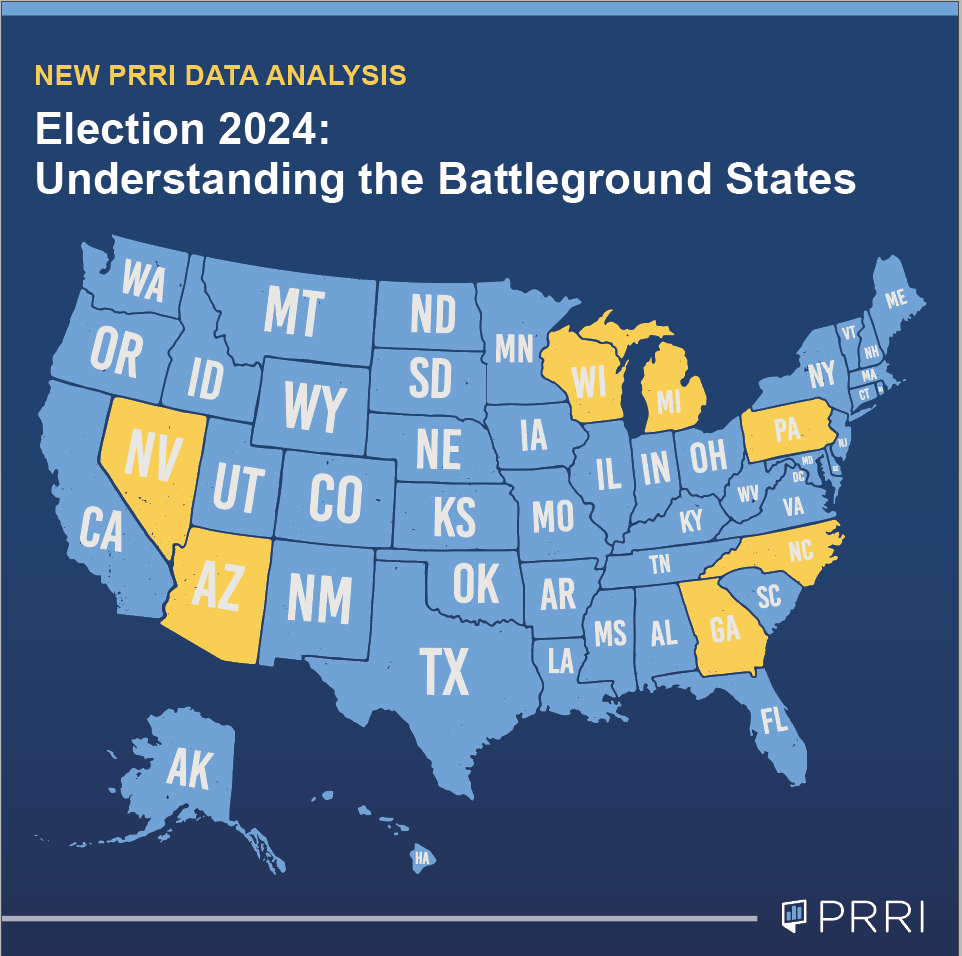
The United States political landscape is a dynamic tapestry, constantly shifting with demographic changes, evolving ideologies, and the pressing issues of the day. Among the states that have captured national attention for their fluctuating political identity, Arizona stands out prominently. For decades, the Grand Canyon State was reliably considered a conservative stronghold, a bastion of the Republican Party in the Sun Belt. However, recent election cycles have painted a different picture, transforming Arizona into a crucial battleground, a true swing state where both major parties see viable paths to victory. This transformation has significant implications not only for national politics but also for the state’s vibrant tourism sector, its evolving lifestyle, and its perception as a destination for both visitors and new residents.
Understanding Arizona’s journey to swing-state status requires delving into its demographic shifts, key election outcomes, and the critical issues that resonate with its diverse electorate. This shift is not merely a political phenomenon; it reflects broader societal changes that influence everything from local culture and community development to the types of amenities and experiences sought by travelers. As visitors explore Arizona’s breathtaking natural beauty, from the majestic Grand Canyon to the serene Sonoran Desert, or immerse themselves in the urban charm of Phoenix and Tucson, they are, perhaps unknowingly, experiencing a state in the midst of a profound political and cultural evolution.
The Shifting Political Landscape of the Grand Canyon State
Arizona’s political identity has undergone a remarkable metamorphosis over the past two decades. What was once a predictable “red” state has steadily moved towards a “purple” designation, signifying a more balanced and competitive political environment. This evolution is rooted in a complex interplay of demographic changes, economic shifts, and a growing diversification of its population.
From Red Stronghold to Purple Battleground
Historically, Arizona was a bedrock of conservatism, often aligning with its Sun Belt neighbors like Texas in its voting patterns. The state consistently voted for Republican Party presidential candidates from 1952 to 1992, with the exception of 1964. Even after that, it largely remained red, backing Republican nominees like George W. Bush and John McCain. However, the turn of the millennium began to sow the seeds of change. A rapid influx of new residents, coupled with the growth of existing communities, started to dilute the traditional conservative base. The state’s vibrant cities, particularly Phoenix and Tucson, became magnets for people from various backgrounds, including more liberal-leaning individuals from states like California.
This demographic evolution has had a tangible impact on the state’s political leanings. The once-unquestionable dominance of the Republican Party has been challenged by the surging influence of the Democratic Party and the growing number of Independent voters who do not identify with either major party. This blend creates a volatile electorate, making election outcomes increasingly difficult to predict and transforming every statewide race into a high-stakes contest. The shift is not just about party affiliation but also about the emergence of a more nuanced political discourse, reflecting the diversity of perspectives among Arizona’s residents.

Demographics: A Changing Face
The most significant driver of Arizona’s political transformation is its changing demographics. The state has experienced explosive population growth, particularly in Maricopa County, home to Phoenix, which is now one of the fastest-growing counties in the United States. This growth has brought in a more diverse population, altering the traditional voter base.
A crucial factor is the rapid increase in the Hispanic and Latino population, which constitutes a significant and growing portion of Arizona’s residents. This demographic group, while not monolithic in its political views, has historically leaned Democratic in national elections, and its increasing participation has bolstered the Democratic Party’s chances. Beyond the Hispanic community, the state has also seen an influx of younger, more urbanized voters who often hold more progressive views on social issues and economic policies. These new residents, alongside a growing cohort of retirees seeking Arizona’s appealing climate and lifestyle, contribute to a complex voter mosaic. The cultural landscape is also evolving, with new restaurants, festivals, and community events reflecting this multicultural tapestry, enhancing the state’s appeal as a travel destination that offers authentic and diverse experiences. This demographic dynamism ensures that any political campaign in Arizona must appeal to a broad spectrum of voters, underscoring the state’s swing-state reality.
Key Elections and Pivotal Moments
The assertion that Arizona is a swing state is not merely theoretical; it is demonstrably proven by a series of tight and consequential election results in recent years. These races have seen narrow margins of victory, widespread national attention, and outcomes that have shaped the balance of power in Washington D.C. and within the state itself.
The 2020 Presidential Race: A Biden Breakthrough
Perhaps the most definitive moment solidifying Arizona’s swing-state status was the 2020 presidential election. For the first time since 1996, a Democratic presidential candidate, Joe Biden, carried the state. Biden’s victory over incumbent Donald Trump was by a narrow margin of just over 10,000 votes, a testament to the state’s finely balanced electorate. This outcome sent shockwaves through the political world, signaling that Arizona was no longer reliably red. The victory was largely attributed to strong turnout among Latino voters, suburban growth in Maricopa County, and a shift among some traditionally Republican voters who were disaffected by Trump’s presidency. The implications of this shift extended beyond the ballot box, influencing national narratives about the future of the Republican Party and the emerging power of the Sun Belt states in national elections. The diverse electoral behavior also mirrors the diverse experiences available in Arizona, from luxury resorts catering to high-end travelers to budget-friendly adventures for nature enthusiasts, appealing to a wide array of preferences.
Senate Showdowns: Sinema and Kelly’s Victories
Beyond the presidential contest, Arizona has also been home to some of the most competitive and closely watched United States Senate races. In 2018, Kyrsten Sinema became the first Democratic Senator elected from Arizona in 30 years, defeating Republican Martha McSally in a tightly contested race. This victory was a clear indicator of the state’s evolving demographics and political leanings. Just two years later, in a special election in 2020, Democrat Mark Kelly defeated McSally again, solidifying the Democratic Party’s hold on both Senate seats. Kelly then successfully defended his seat in 2022 against Republican challenger Blake Masters, further cementing the state’s purple identity. These Senate victories highlight the growing strength of the Democratic Party in Arizona, showcasing an ability to win races that were once considered out of reach, largely by mobilizing suburban voters and a diverse coalition of urban and rural communities.

The 2022 Midterms: Continued Contention
The 2022 midterm elections further underscored Arizona’s swing-state status, with several high-profile races going down to the wire. The gubernatorial election, featuring Democrat Katie Hobbs and Republican Kari Lake, was one of the most closely watched contests in the nation. Hobbs ultimately prevailed by a slim margin, further demonstrating the state’s competitive nature. Similarly, the Secretary of State race and various congressional contests saw razor-thin victories, emphasizing that neither party can take Arizona for granted. These elections were characterized by intense campaigning, significant national investment, and a deeply engaged electorate, reflecting the high stakes involved in every contest. For visitors to Arizona, understanding this spirited political engagement offers a unique insight into the local culture and the passionate commitment of its residents to their future, adding another layer to the travel experience beyond its natural wonders and amenities.
Driving Forces: Issues and Voter Dynamics
The evolution of Arizona into a swing state is not merely a product of demographic shifts but also a reflection of the critical issues that animate its diverse electorate and the unique dynamics of its voter base. These issues resonate deeply with residents, influencing their daily lives, their choices of where to live and work, and ultimately, their decisions at the ballot box.
Critical Issues Shaping the Electorate
Several key policy issues consistently dominate the political discourse in Arizona, shaping campaigns and influencing voter behavior.
- Water Scarcity: As a desert state, water is a perennial concern. The ongoing drought and the dwindling levels of the Colorado River have made water conservation and management a top priority. Policies related to water rights, agricultural usage, and urban development are critical, affecting everything from property values to long-term sustainability. This issue is not just about policy; it’s about the very future of life and lifestyle in Arizona.
- Immigration: Sharing a border with Mexico, immigration policy is a highly charged and complex issue in Arizona. Debates over border security, pathways to citizenship, and the treatment of undocumented immigrants are central to state and federal elections. This issue often divides voters along ideological lines, making it a powerful mobilizer for both parties.
- Abortion Rights: Following the overturning of Roe v. Wade, abortion access has become a defining issue nationwide, and Arizona is no exception. The state’s courts and legislature have grappled with the legality and restrictions on abortion, leading to intense political battles and mobilizing voters on both sides of the issue.
- Economy and Cost of Living: Rapid population growth in Arizona has led to increasing housing costs, inflation, and concerns about economic opportunity. Voters are keenly interested in policies that address affordability, job creation, and the overall economic health of the state. For those considering moving to Arizona for its lifestyle and employment opportunities, these economic factors are paramount.
- Education: Funding for public education, teacher salaries, and school choice initiatives are consistently important to Arizona families and communities, influencing how they perceive local governance and its impact on their children’s future.
These issues are not abstract; they directly impact the lives of Arizona residents and contribute to the vibrant, often passionate, political discussions that characterize a swing state.
The Power of Suburban and Hispanic Voters
Two key demographic groups have emerged as pivotal in Arizona’s swing-state status: suburban voters and the Hispanic population.
- Suburban Voters: The sprawling suburbs of Phoenix in Maricopa County, once reliably Republican, have become increasingly purple. Many suburban residents, often well-educated and affluent, are less tethered to traditional party loyalties. They tend to be swing voters, swayed by specific issues rather than strict ideological adherence. Their concerns often revolve around local amenities, school quality, safety, and economic stability. Both parties vigorously compete for this crucial segment, understanding that winning the suburbs is often the key to statewide victory. This shift also impacts local development, with demand for diverse housing, retail, and recreational facilities evolving to meet the needs of these varied populations.
- Hispanic Voters: The Hispanic and Latino community in Arizona is not only growing but also becoming increasingly organized and politically engaged. While the majority of Hispanic voters tend to lean Democratic, they are not a monolithic voting bloc. Issues such as immigration, economic opportunity, and healthcare resonate strongly within this community. Both parties are actively investing in outreach to Hispanic voters, recognizing their potential to swing elections. The cultural richness brought by this community also significantly enhances Arizona’s appeal, from its culinary scene to its festivals, making it a more vibrant travel destination. The ability of either party to effectively mobilize and appeal to these diverse segments will continue to be a defining factor in Arizona’s political future.
The Future Outlook: What Lies Ahead for Arizona
The evidence overwhelmingly supports the conclusion that Arizona is, definitively, a swing state. This status is not a fleeting phenomenon but a deeply entrenched reality shaped by sustained demographic trends, pivotal election outcomes, and a dynamic political landscape driven by salient issues. This enduring competitiveness promises to keep Arizona at the forefront of national political discourse for years to come, influencing not just electoral results but also the state’s cultural evolution and its attractiveness as a place to live and visit.
A Bellwether for the Nation
As a consistently competitive state, Arizona has evolved into a key bellwether for national political trends. Its ability to elect both Democratic and Republican candidates to statewide office, often with razor-thin margins, makes it a critical testing ground for campaign strategies, policy platforms, and voter sentiment. What happens in Arizona often provides valuable insights into the broader mood of the United States electorate, particularly among the growing Sun Belt states like Nevada, Colorado, and New Mexico. The state’s unique blend of rural conservatism, burgeoning urban centers, a significant Hispanic population, and an influx of new residents from other states creates a microcosm of the national political challenges and opportunities. Political strategists, media outlets, and advocacy groups will continue to invest heavily in Arizona, recognizing its disproportionate influence on national outcomes.
Impact on Lifestyle and Tourism
Beyond the ballot box, Arizona’s swing-state status subtly intertwines with its lifestyle and tourism appeal. A politically vibrant state often indicates an engaged citizenry, which can translate into dynamic local cultures and evolving community priorities. As the state continues to attract diverse populations, its cities like Phoenix and Tucson become richer cultural melting pots, offering an even wider array of culinary experiences, artistic expressions, and community events that appeal to travelers seeking authentic local immersion. The debates over issues like water resources and urban development also highlight the state’s commitment to sustainable growth, a factor increasingly important to environmentally conscious travelers and residents.
For tourists, Arizona’s natural wonders, from the majesty of the Grand Canyon to the serene beauty of the Sonoran Desert, remain timeless attractions. Yet, the ongoing political evolution adds a layer of contemporary relevance to the state, making it not just a destination for leisure and relaxation, but also a fascinating example of modern American change. The competitive political environment reflects the energetic spirit of its people, a characteristic that often defines desirable destinations. Whether one is looking for luxurious resort stays, adventurous outdoor experiences, or a deep dive into local history and culture, Arizona’s dynamic identity as a swing state contributes to its overall allure, promising an experience that is anything but static.
LifeOutOfTheBox is a participant in the Amazon Services LLC Associates Program, an affiliate advertising program designed to provide a means for sites to earn advertising fees by advertising and linking to Amazon.com. Amazon, the Amazon logo, AmazonSupply, and the AmazonSupply logo are trademarks of Amazon.com, Inc. or its affiliates. As an Amazon Associate we earn affiliate commissions from qualifying purchases.