
In the vibrant tapestry of global beverages, few have achieved the widespread recognition and pervasive presence of Arizona Green Tea. From the bustling streets of New York City to the serene landscapes of Kyoto, and from vending machines in Times Square to mini-fridges in luxury hotels, this iconic big can has become a ubiquitous symbol of refreshment. Travelers, whether embarking on an adventurous backpacking trip through Southeast Asia or unwinding at a five-star resort in Bali, often reach for a cold can, drawn by its familiar flavor and the inherent perception of green tea as a healthy choice.
However, beneath the comforting green label and the promise of “100% natural” lies a more nuanced nutritional reality. For the conscious traveler and lifestyle enthusiast who prioritizes well-being amidst exploration, the question of “Is Arizona Green Tea healthy?” warrants a deeper dive. Our journey through this popular beverage’s ingredients, benefits, and drawbacks will equip you with the knowledge to make informed decisions, ensuring your hydration choices align with your travel goals and overall health.

The Allure of Arizona Green Tea: More Than Just a Beverage
The appeal of Arizona Green Tea is undeniable. Its distinct, sweet flavor profile, often enhanced with ginseng and honey, offers a refreshing escape, particularly on a hot day or after a long day of sightseeing. Imagine exploring the ancient ruins of the Colosseum in Rome or hiking the trails of the Grand Canyon in Arizona, and then reaching for an icy Arizona Green Tea. It feels like a moment of simple pleasure, a familiar comfort even in unfamiliar surroundings. This accessibility and consistent taste have cemented its status as a global favorite.
For many, the association with “green tea” itself automatically confers a halo of health. Green tea, in its traditional, brewed form, is celebrated worldwide for its myriad health benefits, a fact deeply rooted in various cultures, from the tea ceremonies of Japan to the daily rituals across Asia. It’s rich in antioxidants, known to boost metabolism, and linked to improved heart health. Therefore, it’s only natural for consumers to extend these perceived benefits to any product bearing the “green tea” moniker.
However, the reality of many mass-produced, ready-to-drink green teas, including the popular Arizona variety, often diverges significantly from the traditional, freshly brewed cup. While convenience is paramount for travelers – who has time to brew loose-leaf tea in a hotel room when there’s a city to explore? – this convenience frequently comes with a trade-off in nutritional value. Understanding this distinction is crucial for anyone seeking to maintain a balanced and healthy lifestyle, especially when constantly on the go. The charm of Arizona Green Tea is powerful, but a discerning eye is needed to separate marketing from nutritional fact.
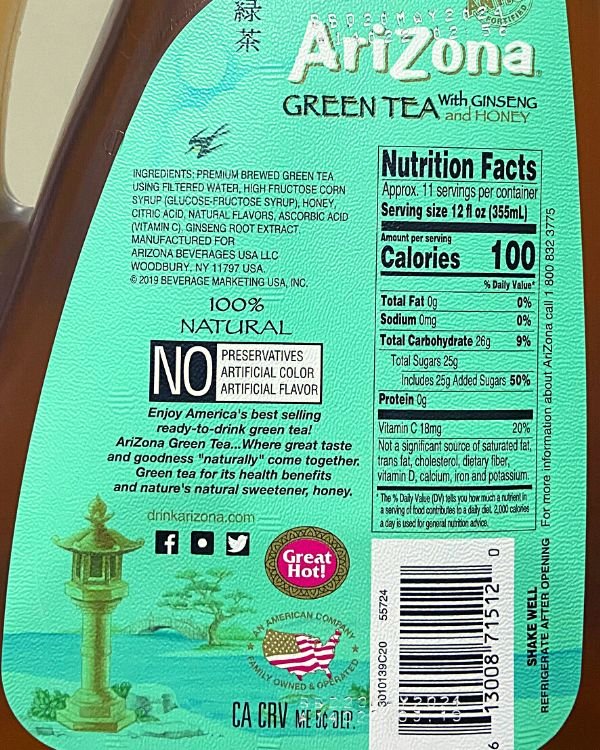
Unpacking the Nutritional Profile: What’s Really Inside?
To truly answer the question of Arizona Green Tea’s healthfulness, we must delve beyond its name and examine its ingredient list and nutritional label. This is a critical habit for any health-conscious traveler, whether you’re perusing supermarket aisles in Paris or local convenience stores in Bangkok. The findings, for many, can be surprising, even eye-opening.
Sugar Content: The Primary Concern
Perhaps the most significant factor undermining the perceived health benefits of Arizona Green Tea is its substantial sugar content. A single 23-ounce can, the most common size, often contains around 40-45 grams of sugar. To put this into perspective, the American Heart Association recommends an upper limit of about 36 grams of added sugar per day for most men and 25 grams for most women. A single can of Arizona Green Tea can easily exceed these daily recommendations.
This sugar is often in the form of high-fructose corn syrup, a sweetener linked to various health issues when consumed in excess. High sugar intake can lead to rapid spikes and crashes in blood sugar, resulting in energy slumps – the last thing a traveler needs when trying to maximize a day exploring London’s British Museum or navigating the vibrant markets of Marrakech. Over time, consistent consumption of sugary beverages contributes significantly to weight gain, increased risk of type 2 diabetes, and other metabolic diseases. For those embracing a wellness-focused lifestyle, especially while navigating the diverse culinary landscapes of Europe or South America, such a high sugar load from a single drink is a considerable detractor. It makes it challenging to balance other dietary choices, often pushing daily caloric and sugar limits far beyond what is advisable.

Caloric Load: Empty Calories or Essential Fuel?
Following closely behind the sugar content is the caloric count. A 23-ounce can of Arizona Green Tea typically delivers between 150-180 calories. While this might not seem excessive in isolation, it’s crucial to consider these as “empty calories.” Unlike nutrient-dense foods or even natural fruit juices, these calories come primarily from sugar, offering little to no essential vitamins, minerals, or fiber.
For travelers, who might be walking miles a day, climbing the Eiffel Tower, or exploring the vast Vatican City, caloric intake is important. However, fueling the body with empty calories means missing out on vital nutrients that support sustained energy, immune function, and overall well-being. Opting for a sugary drink over water or an unsweetened alternative means sacrificing an opportunity to hydrate effectively and nourish the body with something beneficial. When you’re relying on your body to carry you through unforgettable experiences, from diving in the Great Barrier Reef to trekking through the Machu Picchu ruins, every calorie should count towards sustained health and energy.
Green Tea Benefits: A Closer Look at the Base
It would be remiss not to acknowledge the undeniable health benefits associated with pure green tea. Traditional green tea is a powerhouse of antioxidants, particularly catechins like epigallocatechin gallate (EGCG), which have been studied for their potential roles in reducing inflammation, preventing cell damage, boosting metabolism, and even supporting cardiovascular health. Its natural caffeine content can offer a gentle, sustained energy lift without the jitters often associated with coffee, making it a favorite for many seeking mental clarity.
The challenge with a product like Arizona Green Tea is that these inherent benefits are significantly diluted, if not entirely overshadowed, by the other ingredients. While the product does contain green tea extract and ascorbic acid (Vitamin C, another antioxidant), the sheer volume of added sugar and other flavorings means that the beneficial compounds are present in much smaller concentrations relative to the total volume, and their positive effects are often negated by the negative impact of excessive sugar. Think of it like a beautiful painting obscured by a thick layer of sugary glaze; the original artistry is still there, but its impact is lost. For travelers keen on harnessing the true power of green tea, seeking out unsweetened, freshly brewed options or reputable, low-sugar bottled alternatives is the path to truly reaping its renowned health rewards.
Navigating Your Choices: Enjoying Beverages Responsibly on Your Travels
For those who embrace travel not just as a pastime but as a lifestyle, informed choices are paramount. This extends to every aspect of your journey, from selecting the right accommodation to choosing what you consume. When it comes to beverages, understanding the balance between indulgence and health is key, especially when you’re constantly exposed to new flavors and temptations around the world.
Healthier Alternatives for Travelers
Fortunately, the world is rich with healthier, refreshing beverage options that support an active and wellness-focused travel lifestyle. Making these choices can enhance your energy levels, aid hydration, and contribute to your overall well-being, whether you’re exploring urban landmarks or immersing yourself in nature.
- Unsweetened Iced Tea: The most direct and beneficial alternative is unsweetened green tea. Many hotels and restaurants globally offer unsweetened iced tea, be it green, black, or herbal. You can often find unsweetened options in convenience stores, or simply ask for a cup of hot green tea and let it cool. This allows you to enjoy the full antioxidant benefits without the sugar drawback.
- Water, Water, Everywhere: The simplest and most fundamental choice is often overlooked: water. Staying adequately hydrated is crucial for preventing fatigue and headaches, especially when dealing with time zone changes, varying climates, and increased physical activity. Carry a reusable water bottle and refill it frequently. Many hotels provide filtered water, and most major cities have safe tap water or accessible public fountains. Sparkling water with a squeeze of fresh lemon or lime can also be a refreshing, zero-calorie option.
- Freshly Squeezed Juices (in Moderation): In many destinations, particularly in tropical regions or local markets, freshly squeezed fruit and vegetable juices are readily available. These can provide a burst of vitamins and natural energy. However, remember that even natural fruit juices contain natural sugars, so moderation is key.
- Black Coffee: For a caffeine boost, black coffee is a far superior choice to sugary teas. It offers its own set of antioxidants and metabolic benefits without the added sugar or calories. Many boutique cafes and hotel coffee shops worldwide pride themselves on excellent coffee, from an espresso in Florence to a pour-over in Tokyo.
When and How to Indulge?
While it’s clear that Arizona Green Tea isn’t a health drink, that doesn’t mean it needs to be completely off-limits for every traveler. The art of a balanced lifestyle, especially on a trip, lies in moderation and mindful indulgence.
- Treat it as an Occasional Dessert: Instead of viewing Arizona Green Tea as a daily hydration source, consider it an occasional treat, similar to a pastry from a Parisian bakery or a gelato from Rome. If you genuinely crave the taste, factor it into your daily sugar and calorie budget.
- Context Matters: There might be specific scenarios where a sugary pick-me-up is justified. Perhaps you’ve just completed an arduous hike in Yellowstone National Park or navigated a bustling local market in Bangkok for hours, and your body needs a quick energy boost. In such cases, a single can might serve its purpose as a temporary replenishment, provided it’s not a regular habit.
- Balance with Healthy Choices: If you decide to enjoy an Arizona Green Tea, make sure to balance it with otherwise healthy choices throughout the day. Opt for nutrient-dense meals, plenty of water, and active pursuits. This “80/20 rule” (80% healthy, 20% indulgence) can be a sustainable approach to a fulfilling and healthy travel lifestyle. Remember, a single indulgence won’t derail your health goals if your overall pattern is healthy.
Reading Labels: A Traveler’s Essential Skill
One of the most empowering skills a health-conscious traveler can develop is the habit of reading nutritional labels. Whether you’re in a supermarket in Berlin or a convenience store in Dubai, a quick glance at the “Nutrition Facts” or ingredient list can provide invaluable information.
Look for:
- Sugar content: Pay attention to “added sugars” specifically. Ingredients like high-fructose corn syrup, sucrose, or glucose indicate significant added sugar.
- Calorie count: Understand how many calories a beverage contributes to your daily intake.
- Ingredient list: A shorter list with recognizable ingredients is generally better. Be wary of artificial colors, flavors, and excessive preservatives, especially if you have sensitivities.
This practice empowers you to make conscious decisions about what you put into your body, regardless of where your travels take you. It transforms you from a passive consumer into an active participant in your health journey, ensuring that your choices align with your desire for vitality and sustained energy to fully enjoy every unique experience the world has to offer, from a quiet moment by the Mediterranean Sea to an adventurous exploration of the Amazon Rainforest.
In conclusion, while Arizona Green Tea carries the auspicious name of a traditionally healthy beverage, its commercial formulation places it firmly in the category of a sweetened drink rather than a health elixir. For the discerning traveler and lifestyle enthusiast, understanding its nutritional profile is key to making informed choices that support well-being on the go. Embrace the true benefits of green tea by opting for unsweetened versions, prioritize water, and treat popular sugary drinks as occasional indulgences. By doing so, you ensure your journey remains vibrant, energetic, and aligned with your health aspirations, making every travel experience truly enriching.
LifeOutOfTheBox is a participant in the Amazon Services LLC Associates Program, an affiliate advertising program designed to provide a means for sites to earn advertising fees by advertising and linking to Amazon.com. Amazon, the Amazon logo, AmazonSupply, and the AmazonSupply logo are trademarks of Amazon.com, Inc. or its affiliates. As an Amazon Associate we earn affiliate commissions from qualifying purchases.