
The question of whether Arizona observes the Mountain Time Zone is a common point of confusion for travelers and newcomers alike. While geographically situated within the Mountain Time Zone in the United States, the answer is surprisingly nuanced due to its unique stance on Daylight Saving Time (DST). Unlike most states that adjust their clocks twice a year, Arizona largely remains on a consistent schedule, creating a fascinating exception that impacts everything from travel planning to daily life.
This distinctive approach to timekeeping has roots in the state’s climate, culture, and practicality, making it a crucial piece of information for anyone planning a visit or considering a move. Understanding Arizona’s time zone dynamics is essential for seamless travel, coordinating business activities, and fully appreciating the rhythm of life in the Grand Canyon State. This guide will delve into the specifics, offering clarity and practical advice for navigating this peculiar temporal landscape.
Understanding Arizona’s Unique Time Zone Status
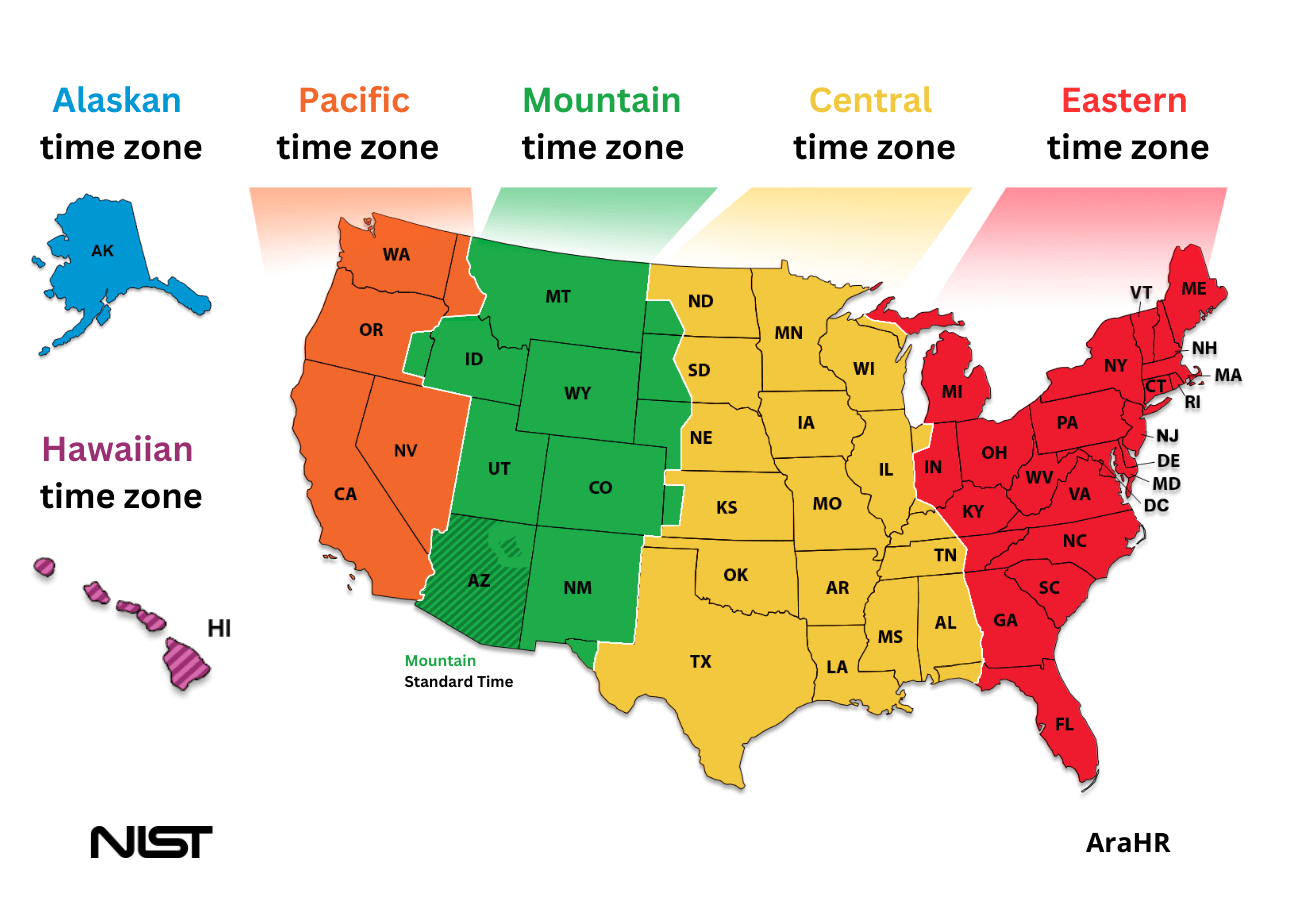
At its core, Arizona’s time zone situation is defined by its steadfast refusal to observe Daylight Saving Time. While most of the United States “springs forward” an hour in March and “falls back” in November, Arizona (with one notable exception) remains perpetually on Mountain Standard Time (MST). This means that for roughly half the year, from early spring to late autumn, Arizona operates on the same time as the Pacific Time Zone, effectively skipping the transition to Mountain Daylight Time (MDT).
No Daylight Saving Time: The Key Distinction
The decision to forgo Daylight Saving Time was officially made in 1968, making Arizona one of only two states (the other being Hawaii, which has its own time zone) that do not participate. For the vast majority of Arizona, this means that once the clocks change in other states, the time difference can become quite perplexing.
Consider this:
- During Standard Time (Roughly November to March): Arizona is on Mountain Standard Time, which is UTC-7. During this period, Arizona aligns with other states in the Mountain Time Zone such as Colorado, Utah, and New Mexico.
- During Daylight Saving Time (Roughly March to November): States observing DST in the Mountain Time Zone switch to Mountain Daylight Time (UTC-6). However, Arizona stays on Mountain Standard Time (UTC-7). This puts Arizona in sync with the Pacific Time Zone (UTC-7 during their DST), which includes states like California and Nevada.
This temporal shift means that travelers flying into Phoenix from Denver in July will experience no time change, even though they are technically in the same geographic time zone. Conversely, flying from Los Angeles to Phoenix in July will also involve no time change. This can simplify travel for some, but cause confusion for others unfamiliar with the local rules.
The Mountain Standard Time Connection
When we say Arizona is in the Mountain Time Zone, it’s specifically referring to Mountain Standard Time year-round. This designation is crucial for understanding its relationship with neighboring states. For example, during the summer months, if it’s 3 PM in Phoenix, it will be 3 PM in Las Vegas (Nevada) and Los Angeles (California), but 4 PM in Salt Lake City (Utah) and Denver (Colorado).
This consistent adherence to MST is often a relief for those who dislike the bi-annual clock changes. For residents, it means more consistent sunrise and sunset times throughout the year, impacting daily routines, work schedules, and recreational activities. For tourists, it means one less variable to worry about during peak travel seasons, especially when planning multi-state road trips across the American Southwest.
Historical Context and the Logic Behind the Decision
The decision for Arizona to opt out of Daylight Saving Time wasn’t arbitrary; it was a pragmatic choice rooted in the state’s unique climate and lifestyle. Understanding the historical context helps shed light on why this desert state continues to march to the beat of its own temporal drum.
Why Arizona Opted Out of DST
The primary reason Arizona rejected Daylight Saving Time centers around its extreme summer heat. When DST was enacted at a national level, it was largely to conserve energy by extending daylight into the evening. The idea was that people would use less artificial lighting. However, in Arizona, particularly in cities like Phoenix and Tucson, extended daylight hours in the evening during summer mean extended hours of oppressive heat.
- Heat Management: Imagine the sun setting an hour later in July when temperatures can routinely hit 110-120°F (43-49°C). People would be forced to use air conditioning for an extra hour, significantly increasing energy consumption rather than decreasing it. Earlier sunsets, as facilitated by staying on MST, allow for cooler evenings to arrive sooner, reducing the need for costly and energy-intensive cooling systems. This translates to lower energy bills for residents and less strain on the power grid.
- Outdoor Activities: Many outdoor activities in Arizona are best enjoyed in the cooler mornings or after sunset. An extra hour of daylight in the evening pushes these activities further into the extreme heat, making them less enjoyable or even dangerous. By staying on MST, the state effectively “shifts” daylight to the morning, allowing residents and visitors to enjoy the cooler parts of the day for hiking, golf, or exploring landmarks like the Grand Canyon and Sedona.
- Lifestyle Considerations: The decision reflects a unique lifestyle adapted to desert living. Early mornings are often bustling with activity before the heat sets in, and evenings are cherished for their relative coolness. DST would disrupt this rhythm, forcing adjustments that are counterproductive to comfort and daily routines. For example, construction workers and outdoor laborers often start their days at dawn to avoid the worst of the heat; an hour later sunrise due to DST would reduce their prime working window.
Past Debates and Enduring Reasons
While the 1968 decision solidified Arizona’s non-observance of DST, the debate has resurfaced periodically. Proponents of reintroducing DST often cite alignment with major economic hubs on the East Coast or the desire for more consistent national schedules. However, these arguments have consistently been outweighed by the practical benefits for Arizona’s specific climate and population.
The rationale remains strong today. The unique challenges of desert life make the traditional arguments for Daylight Saving Time largely irrelevant, if not detrimental, to the state. The focus on energy conservation, for instance, flips on its head in Arizona, where later sunsets would mean increased, not decreased, energy consumption due to air conditioning.
For a state so reliant on tourism and outdoor activities, ensuring a comfortable and sensible daily schedule is paramount. The current system simplifies planning for visitors, especially those exploring the natural wonders from Saguaro National Park to the Petrified Forest National Park. The consistent time also aids in business operations, preventing disruptions caused by frequent clock adjustments.
Navigating Time Zones as a Traveler
For anyone planning a trip to Arizona, understanding the time zone situation is paramount for a smooth and enjoyable experience. From booking flights and accommodations to scheduling attraction visits and tours, a little prior knowledge can save a lot of confusion.
Planning Your Arizona Itinerary: Practical Considerations
The biggest impact on travelers is how Arizona’s time relates to their home time zone and any neighboring states they might visit.
- Flights and Arrivals: When booking flights into Phoenix Sky Harbor International Airport or other Arizona airports, always confirm the local arrival time. During DST, if you’re flying from the Pacific Time Zone, there will be no time change. If you’re coming from the Mountain Time Zone (e.g., Denver), you’ll gain an hour. From the Central Time Zone or Eastern Time Zone, the difference will be one hour less than usual.
- Hotel Check-ins and Check-outs: Most hotels and resorts in Arizona operate on MST year-round. Ensure you are aware of the local time for your booking, especially if you are traveling during the “spring forward” or “fall back” weeks. This includes special accommodation arrangements like villas or apartments booked through rental services.
- Attractions and Tours: The operating hours for Arizona attractions, landmarks like the Grand Canyon or Hoover Dam, and guided tours will always be quoted in local Arizona time (MST). If you’re coordinating with friends or family in other states, be sure to account for the difference. For instance, if you’re planning a morning hike in Sedona at 8 AM, and your friend in Texas (Central Daylight Time) wants to call, remember it will be 10 AM for them during DST.
- Road Trips: When embarking on a road trip that crosses state lines, particularly into Utah, Colorado, or New Mexico (which observe DST), remember that your clock will need to jump forward an hour when you enter those states from Arizona during the DST period. Conversely, crossing into California or Nevada will mean no change. Devices that automatically update time zones are helpful, but always double-check. This is particularly relevant around the Four Corners area, where multiple time zones meet.
The Navajo Nation Anomaly: A Critical Exception
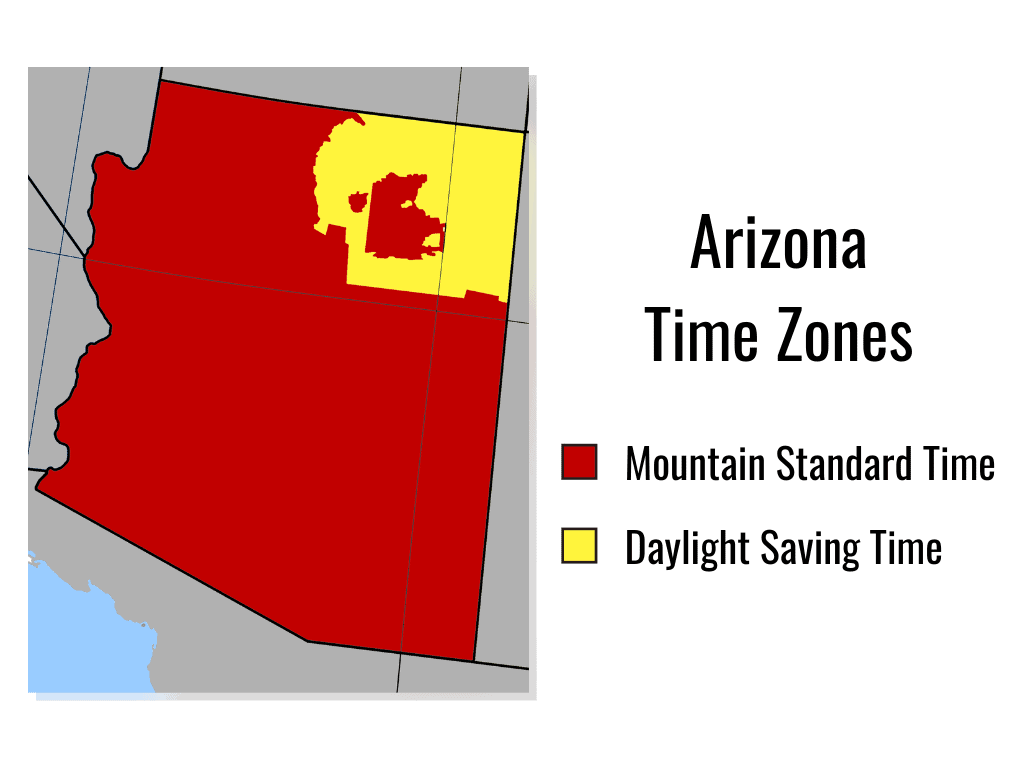
To add another layer of complexity, there’s one significant exception within Arizona itself: the Navajo Nation. This vast semi-autonomous territory, which spans parts of Arizona, New Mexico, and Utah, does observe Daylight Saving Time.
- Why the Navajo Nation Observes DST: The primary reason is that a large portion of the Navajo Nation extends into Utah and New Mexico, both of which observe DST. To maintain consistency across their sprawling territory and simplify coordination for their communities and governance, the Navajo Nation decided to follow DST.
- Impact on Travelers: This means that if you’re visiting Navajo lands within Arizona, such as Monument Valley or Canyon de Chelly, you will need to adjust your clock forward an hour during Daylight Saving Time. For example, if it’s 2 PM in Flagstaff (MST), it will be 3 PM in Monument Valley during DST. This is crucial for tour bookings, hotel check-ins, and meeting times within the Navajo Nation.
- The Hopi Nation Enclave: Complicating matters further, the Hopi Nation, an entirely separate sovereign entity, is completely surrounded by the Navajo Nation within Arizona. The Hopi Nation does not observe Daylight Saving Time. This creates a unique “donut hole” of time where you might cross from Arizona time into Navajo Nation time (forward an hour) and then back into Hopi Nation time (back an hour) without ever leaving the geographic confines of Arizona. It’s a truly fascinating, if somewhat confusing, geographical and temporal puzzle for the uninitiated traveler. Always double-check local times when traveling through these regions.
Broader Implications for Tourism and Lifestyle
Arizona’s consistent time zone during much of the year has several broader implications, positively impacting both the tourism industry and the lifestyle of its residents. These subtle benefits contribute to the state’s appeal as a travel destination and a place to live.
Enhancing the Arizona Experience for Visitors
For travelers, the stable time zone simplifies many aspects of their visit, contributing to a more relaxed and predictable experience.
- Simplified Planning: From spring to fall, when most tourism occurs, Arizona’s time aligns with the Pacific Time Zone. This makes coordinating with friends and family on the West Coast, a major source of visitors, straightforward. Booking tours or making dinner reservations in Scottsdale or Tucson requires less mental arithmetic compared to states that observe DST.
- Optimal Enjoyment of Natural Wonders: The earlier sunrise facilitated by staying on MST allows visitors to experience the state’s stunning natural landmarks at their best. Early morning hikes in the Sonoran Desert or at the Grand Canyon offer cooler temperatures and breathtaking light, making the experience more comfortable and memorable. The sunset views, while occurring “earlier” by the clock compared to a DST state, are still perfectly timed for evening activities and stargazing.
- Business Travel: For those visiting Phoenix, Mesa, or Glendale for business, the consistent time zone helps in scheduling meetings, particularly with partners on the West Coast. There’s one less variable to account for when planning cross-country calls or virtual conferences. Hotels catering to business travelers often highlight this ease of scheduling.
- Family Trips and Relaxation: Family trips benefit from predictability. Maintaining a consistent time zone helps children and adults avoid the disruptions of sleep schedules that come with DST changes. This contributes to a more relaxed vacation, whether staying at a resort in Lake Havasu City near the London Bridge or exploring Route 66.
Daily Life and Business in the Grand Canyon State
The absence of DST also has significant implications for residents and local businesses, shaping the daily rhythms of life in Arizona.
- Consistent Routines: For residents, the lack of time changes means a more stable routine throughout the year. School schedules, work hours, and personal appointments remain consistent, avoiding the sometimes jarring adjustments that come with “springing forward” or “falling back.” This contributes to overall well-being and productivity.
- Business Operations: Local businesses, from small shops to large corporations in Phoenix’s metropolitan area, benefit from the simplicity. They don’t have to adjust opening hours or internal systems twice a year, reducing potential for confusion or errors. When dealing with out-of-state partners, they know exactly what the time difference will be at any given point in the year.
- Energy Consumption: As previously discussed, the primary driver for opting out of DST was energy conservation. By keeping evenings “shorter” during the hottest months, Arizona reduces the demand for air conditioning, leading to lower energy costs for residents and businesses and lessening the strain on the state’s power grid.
- Community and Culture: The unique time zone subtly reinforces Arizona’s distinct identity. It’s a topic of conversation, a point of local pride, and a practical reality that shapes how communities interact. The consistent evening hours, for instance, might influence the timing of community events or local sports.
Conclusion: Simplifying Your Arizona Time Zone Experience
So, is Arizona in the Mountain Time Zone? Yes, but with the critical caveat that it largely stays on Mountain Standard Time year-round, making it distinct from most other states in the same geographic zone. This means that during the months when most of the United States observes Daylight Saving Time, Arizona aligns with the Pacific Time Zone. The only significant exception to this rule within the state is the Navajo Nation, which does observe DST.
This unique temporal characteristic, driven by the state’s hot climate and pragmatic considerations, ultimately simplifies life for both residents and visitors. For travelers, it means:
- Consistent Local Time: Most of Arizona maintains the same clock setting regardless of the season.
- Be Aware of DST Period: During Daylight Saving Time (roughly March to November), Arizona will be one hour behind its Mountain Time Zone neighbors and the same time as the Pacific Time Zone.
- The Navajo Nation Exception: Always remember that the Navajo Nation in Arizona does observe Daylight Saving Time.
- Utilize Technology: Modern smartphones and devices typically update time zones automatically, but it’s always wise to double-check local times, especially when crossing state or tribal boundaries.
Whether you’re planning a thrilling Grand Canyon adventure, a relaxing resort stay in Scottsdale, or a business trip to Phoenix, a clear understanding of Arizona’s time zone ensures your travel plans, hotel bookings, and tourism experiences are perfectly synchronized. Embrace Arizona’s timeless charm, both figuratively and literally.
LifeOutOfTheBox is a participant in the Amazon Services LLC Associates Program, an affiliate advertising program designed to provide a means for sites to earn advertising fees by advertising and linking to Amazon.com. Amazon, the Amazon logo, AmazonSupply, and the AmazonSupply logo are trademarks of Amazon.com, Inc. or its affiliates. As an Amazon Associate we earn affiliate commissions from qualifying purchases.