
For many travelers venturing into the arid beauty and captivating landscapes of the Grand Canyon State, a seemingly simple question often arises: “What time is it in Arizona?” While the answer might appear straightforward, Arizona’s unique approach to timekeeping is a fascinating quirk that can easily confuse visitors and even long-time residents. Unlike most of the United States, Arizona largely opts out of the biannual ritual of Daylight Saving Time (DST). This means that for much of the year, particularly during the spring and summer months, the state operates on a different temporal rhythm than its neighbors, creating an intriguing dynamic for those planning their adventures, booking accommodations, or simply trying to coordinate a dinner reservation.

This distinctive temporal status is not just a historical footnote; it profoundly impacts everything from flight schedules and tour departures to checking into your resort or enjoying a sunset at a breathtaking landmark. Understanding whether Arizona is on Mountain Standard Time (MST), and when, is key to a seamless and stress-free travel experience. This guide will unravel the mystery, offering insights crucial for every aspect of your Arizona journey, from the bustling streets of Phoenix to the remote beauty of the Navajo Nation.
Understanding Arizona’s Unique Time Zone Status
The question of Arizona’s time zone isn’t just a matter of geography; it’s a testament to the state’s distinct culture, climate, and a bit of historical pragmatism. While the official designation places most of Arizona within the Mountain Time Zone, its refusal to observe Daylight Saving Time sets it apart, creating a curious temporal dance that shifts throughout the year.
The Year-Round MST Rule
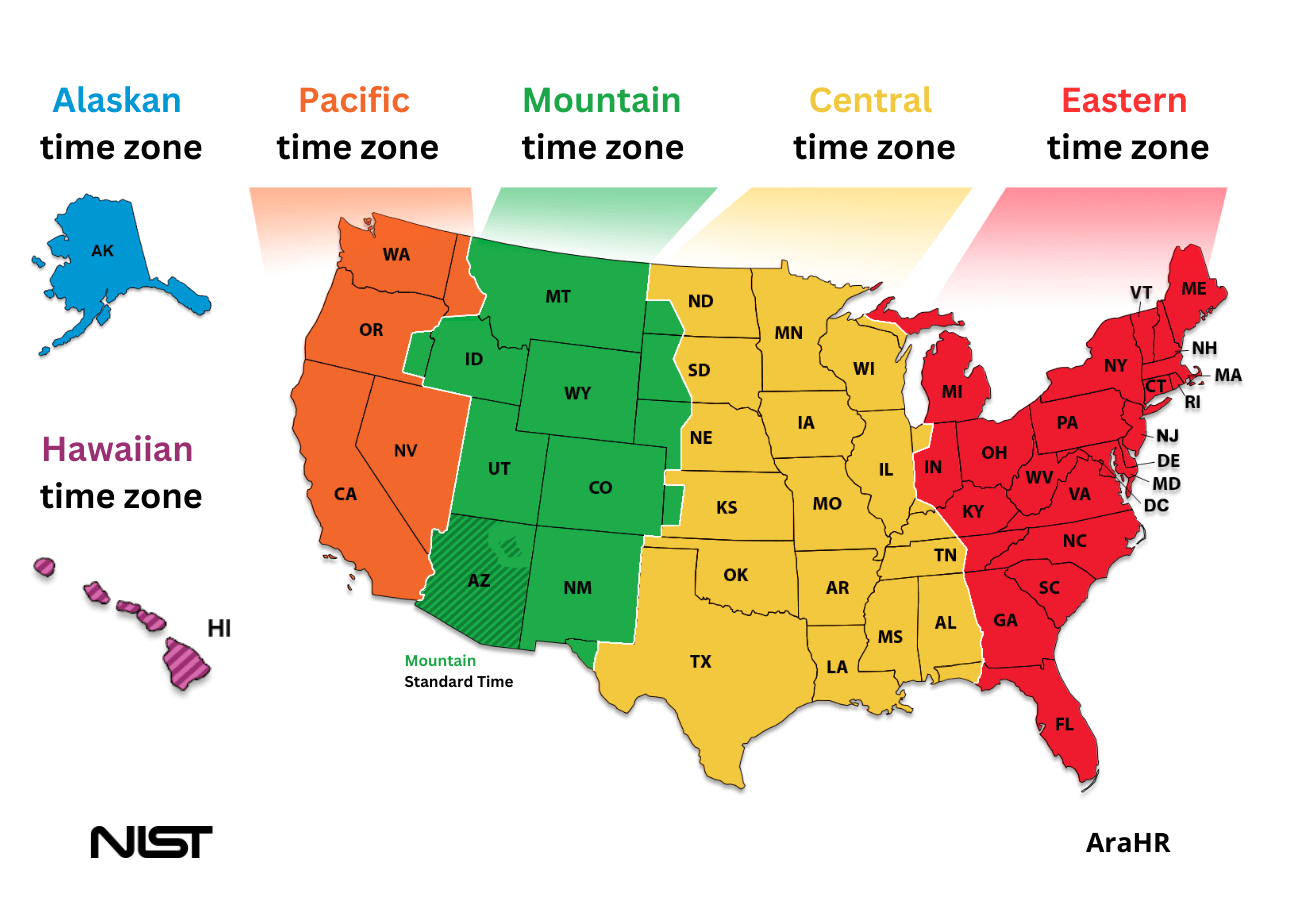
For the vast majority of the state, including major metropolitan areas like Phoenix, Tucson, and Flagstaff, Arizona observes Mountain Standard Time (MST) year-round. This means that when the rest of the United States “springs forward” in March, Arizona stays put. Consequently, from roughly mid-March to early November, Arizona operates as if it were on Pacific Daylight Time (PDT), aligning with states like California and Nevada. Then, when the clocks “fall back” in November, Arizona reverts to being in sync with its traditional Mountain Time Zone neighbors such as Utah, Colorado, and New Mexico.
The primary reason for this exemption from Daylight Saving Time is rooted in the state’s intense summer heat. The original intention of DST was to maximize daylight hours in the evening, theoretically saving energy and boosting productivity. However, in Arizona, where summer temperatures routinely soar above 100°F (38°C), an extra hour of daylight in the evening simply means an extra hour of scorching heat. Most residents prefer to conduct outdoor activities in the cooler mornings, and shifting the clock would only push the heat of the day later, prolonging the need for air conditioning into the evening. This practical decision aligns with a lifestyle that prioritizes comfort over a nominal energy saving that would likely be negated by increased cooling demands. For travelers, this means sunrises and sunsets feel “later” in the summer compared to states observing DST, offering extended golden hours for photography and outdoor dining.
The Navajo Nation Exception
Just when you think you’ve got Arizona’s time zones figured out, there’s a significant exception that adds another layer of complexity: the Navajo Nation. This vast semi-autonomous territory, which extends across northeastern Arizona, New Mexico, and Utah, does observe Daylight Saving Time.
What this means in practice is that from mid-March to early November, when the rest of Arizona is on MST, the Navajo Nation switches to Mountain Daylight Time (MDT). During these months, the Navajo Nation is effectively one hour ahead of the rest of Arizona. So, if it’s 3:00 PM in Phoenix, it’s 4:00 PM in Window Rock or Monument Valley. This can be particularly confusing for travelers journeying to popular attractions located within or near the Navajo Nation, such as Antelope Canyon or the famed vistas of Monument Valley. Planning tours or meeting guides requires careful attention to the specific time zone of your destination within the state.
The reason for the Navajo Nation’s adherence to DST is primarily to synchronize with the other parts of the reservation that extend into Utah and New Mexico, both of which observe DST. This helps maintain consistent business hours and governmental operations across their expansive territory. For travelers, this creates a unique “time warp” experience when driving across the border, often marked by subtle signs, or sometimes, no signs at all, leading to potential delightful surprises or minor logistical headaches.
Navigating Time Differences as a Traveler
The time zone intricacies of Arizona are not mere trivia; they have tangible implications for every aspect of a traveler’s journey, from the moment you land to the last breathtaking sunset. Being aware and prepared can transform potential confusion into a seamless and enjoyable experience.
Planning Your Arizona Itinerary
When crafting your Arizona adventure, understanding the time zone nuances is paramount for efficient and stress-free planning.
- Flights and Arrivals: If you’re flying into Phoenix Sky Harbor International Airport (PHX) during DST, remember that your arrival time might feel “earlier” than expected if you’re coming from a state observing DST. Similarly, coordinating connecting flights or pick-ups needs careful attention to the local time at your destination.
- Tour Bookings: This is perhaps where the time zone difference is most critical. Whether you’re booking a guided tour of the Grand Canyon, an unforgettable slot canyon experience at Antelope Canyon (which is on the Navajo Nation and observes DST), or a jeep tour in Sedona, always confirm the tour start time in the local time zone of the attraction. A missed tour can be costly and disappointing.
- Accommodation Check-ins and Check-outs: Hotels, resorts, and other accommodation providers throughout Arizona will operate on the local time of their specific location. While most in Phoenix, Tucson, or Scottsdale will be on year-round MST, if you’re staying in a lodge within the Navajo Nation, their times will shift with DST. Double-check your booking confirmations and confirm check-in/check-out times with the front desk.
- Dining Reservations: For fine dining in Phoenix or a casual meal in Flagstaff, making reservations should always be done with the local time in mind. If you’re coordinating with friends or family arriving from other states, ensure everyone is aware of the local Arizona time.
- Cross-State Travel: If your road trip takes you across state lines into Utah, Colorado, or New Mexico (which observe DST during summer), be prepared for a one-hour time shift. The same applies when driving into or out of the Navajo Nation within Arizona.
Practical Tips for a Seamless Trip
With a little preparation, Arizona’s time zone quirks won’t derail your vacation.
- Sync Your Devices: Most smartphones and modern digital devices automatically update their time zone based on your location. Ensure your device’s automatic time zone setting is enabled. However, be cautious when driving near the Navajo Nation border, as your phone might not update immediately, or could switch back and forth.
- Use a Time Zone Converter App: If you’re traveling extensively or have complex coordination needs, a reliable time zone converter app can be invaluable.
- Ask Locals: Don’t hesitate to ask hotel staff, tour guides, or even friendly locals about the current time, especially if you’re unsure. They are accustomed to the confusion and are usually happy to clarify.
- Confirm Tour Times Explicitly: When booking tours, particularly those in areas like Page, which is very close to the Navajo Nation, explicitly ask if the time quoted is “Arizona time” or “Navajo time.” Many tour operators are adept at clarifying this for confused visitors.
- Buffer Your Schedule: Build in a little extra time for travel and appointments, especially on days when you might be crossing into or out of the Navajo Nation or coordinating with people from other time zones. This buffer can prevent stress if there’s a minor time miscalculation.
- Signage Awareness: Keep an eye out for roadside signs, particularly when approaching tribal lands. While not always present or obvious, some areas might have notices indicating a change in time.
The Cultural and Lifestyle Impact
Beyond the logistical considerations, Arizona’s decision to forgo Daylight Saving Time has subtly shaped the local lifestyle and contributes to the unique allure of the state as a travel destination.
The consistent, year-round schedule offers a certain predictability to daily life for residents. Business hours, school schedules, and local events remain constant, simplifying planning and coordination without the biannual disruption of changing clocks. This stability is particularly appreciated in a state where outdoor activities are a significant part of the culture.
From a tourism perspective, Arizona’s time zone choice creates what many perceive as an “eternal summer” feeling during the warmer months. With the sun setting “later” by the clock (as compared to DST states), visitors have more daylight hours to enjoy outdoor attractions, explore hiking trails in Sedona, relax by resort pools in Scottsdale, or simply linger over an al fresco dinner. This extended natural light enhances the experience of visiting famous landmarks such as the Grand Canyon, allowing for more flexible sunset viewing opportunities, which are often the highlight of many trips. Imagine capturing the vibrant hues of an Arizona sunset without the rush of needing to finish activities early due to a clock shift.
For those seeking a lifestyle that embraces natural light, Arizona offers an appealing consistency. Family trips can benefit from predictable routines, and business stays might find coordinating national calls slightly simpler in some cases, being consistently an hour behind Mountain Daylight Time and two hours behind Eastern Daylight Time during the summer.
This distinct temporal rhythm also fosters a certain sense of local pride and identity. It’s a quirk that visitors often remember and discuss, adding to the unique character of the state. It encourages a slower pace, an appreciation for the natural environment’s rhythms, and a practical approach to daily living that prioritizes comfort and energy efficiency. The long, bright evenings invite leisurely strolls, outdoor entertainment, and a generally more relaxed ambiance that perfectly complements the state’s laid-back yet adventurous spirit.
In conclusion, while the question “Is Arizona Mountain Standard Time?” might seem like a simple yes or no, the reality is wonderfully complex. For most of the year, the answer is a resounding yes, making Arizona a unique temporal oasis that bypasses the complexities of Daylight Saving Time. However, the crucial exception of the Navajo Nation adds a fascinating twist, reminding travelers to remain vigilant and informed. By understanding these subtle shifts, you can ensure your trip through the stunning landscapes and vibrant cities of Arizona is as smooth and enjoyable as possible, allowing you to fully immerse yourself in the natural beauty and rich cultural experiences this incredible state has to offer. Embrace the unique time, plan wisely, and prepare to be enchanted by Arizona’s timeless charm.
LifeOutOfTheBox is a participant in the Amazon Services LLC Associates Program, an affiliate advertising program designed to provide a means for sites to earn advertising fees by advertising and linking to Amazon.com. Amazon, the Amazon logo, AmazonSupply, and the AmazonSupply logo are trademarks of Amazon.com, Inc. or its affiliates. As an Amazon Associate we earn affiliate commissions from qualifying purchases.