
Arizona presents a unique case study in timekeeping, particularly when it comes to the observance of Daylight Saving Time (DST). While much of the contiguous United States diligently springs forward and falls back, the Grand Canyon State largely opts out of this biannual ritual. This decision has significant implications for travelers, local businesses, and the daily lives of residents, creating a distinct temporal rhythm that sets it apart. Understanding this nuance is crucial for anyone planning a visit or conducting business in Arizona.
The Arizona DST Anomaly
A Historical Perspective
The decision for most of Arizona to forgo Daylight Saving Time is not a recent development. It stems from a history of practical considerations and a desire to maintain a consistent energy consumption pattern, particularly during the sweltering summer months. When DST was first widely adopted, the primary rationale was to reduce the need for artificial lighting in the evening, thereby saving energy. However, in a state like Arizona, where air conditioning is a near necessity for much of the year, the potential energy savings were viewed differently.
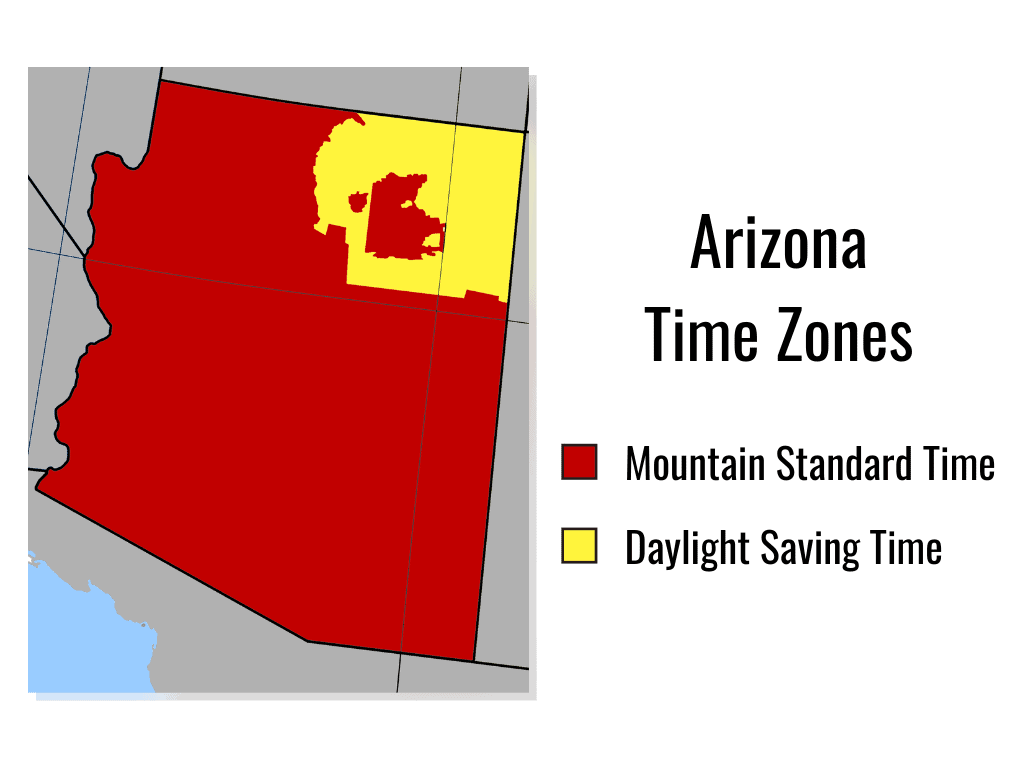
The logic often cited is that extending daylight into the evening during the hottest part of the year would lead to increased use of air conditioning as people stayed outdoors longer. Furthermore, the intense summer sun, even into the early evening, was seen as a factor that would not be mitigated by simply shifting an hour of daylight. This led to a divergence from the federal mandate, allowing states to opt out of DST.
The Navajo Nation Exception
It is important to note that not all of Arizona is exempt from Daylight Saving Time. The Navajo Nation, which spans parts of Arizona, New Mexico, and Utah, does observe DST. This creates a peculiar temporal situation where different regions within the same state operate on different time schedules. For travelers crossing into or out of the Navajo Nation from other parts of Arizona, this requires a mental adjustment and careful planning, especially regarding appointments or flight schedules. The economic and social implications of this time difference, while subtle, are a constant consideration for those living and working in these border areas.
Federal Legislation and State Autonomy
The Uniform Time Act of 1966 established Daylight Saving Time nationwide but also provided states with the option to opt out. This federal legislation is the foundation upon which Arizona’s decision rests. While the majority of states adhere to DST, a significant minority, including Arizona (with the aforementioned Navajo Nation exception) and Hawaii, do not. This autonomy allows individual states to tailor timekeeping practices to their specific geographic, climatic, and economic conditions, leading to the diverse temporal landscape we see across the United States.
Navigating Arizona’s Time Zone without DST
Impact on Travelers

For visitors planning a trip to Arizona, understanding the DST situation is paramount. If you are traveling from a state that observes DST, you will need to adjust your watch accordingly upon arrival in most of Arizona. For instance, during the period when other states are observing DST, most of Arizona will remain on Mountain Standard Time (MST), which is effectively the same as Pacific Daylight Time (PDT). However, when DST ends elsewhere, Arizona (outside the Navajo Nation) remains on MST, which then becomes equivalent to Eastern Standard Time (EST). This can lead to confusion, especially when coordinating with individuals or businesses in DST-observing regions.
- Booking Flights and Accommodation: When booking flights or hotels, always double-check the specific time zones being referenced. While airlines and booking platforms are generally adept at handling these discrepancies, it’s wise to be proactive. For example, if you book a flight departing from Phoenix at 10:00 AM, be aware of what time that corresponds to in your departure city and your arrival city if it’s different.
- Scheduling Activities: Planning tours, restaurant reservations, or meetings requires careful attention to the local time. A tour scheduled for 2:00 PM in Sedona will be based on Arizona’s MST, not a DST-adjusted time.
- Connectivity: Staying in touch with friends and family in DST-observing states will involve a consistent time difference that shifts based on the season. During spring and summer, when the East Coast is on EDT, Arizona will be three hours behind. During fall and winter, when the East Coast is on EST, Arizona will be two hours behind.
Business and Economic Considerations
The absence of DST in most of Arizona has subtle but tangible impacts on businesses and the economy.
- Interstate Commerce: Companies operating across state lines must account for the time difference. This can affect supply chain management, communication schedules, and the synchronization of operations. For instance, a company with offices in both California (which observes DST) and Arizona will have a two-hour difference during DST periods, and a one-hour difference during standard time periods.
- Energy Consumption: As mentioned earlier, the decision was partly driven by energy considerations. While the impact on overall energy bills might be debated, the consistency in timekeeping during the hottest months is a factor that influences the state’s energy planning.
- Tourism: Arizona’s tourism industry, a significant driver of its economy, is accustomed to this temporal distinction. Many tourist-focused businesses, from Grand Canyon National Park tours to resorts in Scottsdale, operate on the local time, and visitors are expected to adapt. The unique starkness of the desert landscape is best experienced during the cooler parts of the day, and the consistent time helps to standardize this experience.
Daily Life and Social Rhythms
For Arizona residents outside the Navajo Nation, life proceeds without the disruption of changing clocks twice a year. This offers a certain predictability to daily schedules.
- Morning Routines: Sunrises and sunsets occur at consistent times throughout the year, relative to standard clock time. This means that in the summer, sunrises will be earlier by the clock than in winter, but the clock itself doesn’t change.
- Social Engagements: Coordinating social events with friends and family in other time zones requires an awareness of the DST status of those locations. This is a skill that Arizonans develop from an early age.

The Unique Temporal Landscape of Arizona
Arizona’s decision to largely opt out of Daylight Saving Time is more than just a quirk of scheduling; it’s a reflection of the state’s unique environmental, historical, and economic context. For travelers, it requires a conscious effort to understand and adapt to the local time, ensuring a smoother and more enjoyable experience. From the vibrant cultural tapestry of the Navajo Nation to the breathtaking natural wonders like the Grand Canyon, Arizona offers a distinct travel destination. Being mindful of its temporal rhythm is an integral part of appreciating all that this remarkable state has to offer. The consistent time, especially during the peak of summer heat, allows for a predictable schedule of outdoor activities and indoor comforts, a deliberate choice that shapes the Arizona experience.
The interaction between Arizona’s time zone and those that observe DST is a constant dance of coordination. For businesses that rely on seamless communication and transactions across state lines, this temporal difference is a daily operational factor. When planning a business trip to a city like Tucson or engaging in remote work with teams in DST-observing states, understanding the precise time difference, which shifts throughout the year, is crucial for avoiding missed calls and scheduling conflicts.
The concept of time itself can feel different when experienced through the lens of Arizona’s DST policy. While the rest of the country is adjusting clocks, Arizona maintains a steady temporal beat. This stability can be a welcome aspect for those who find the biannual clock changes disruptive. It means that the perceived length of daylight in the morning and evening remains consistent with the clock hour, year-round, offering a simple, unchanging reference point.
When considering Arizona’s unique approach to time, it’s also worth reflecting on the broader implications of DST. Debates continue across the country about its effectiveness and impact on public health, energy consumption, and economic productivity. Arizona’s long-standing adherence to its chosen timekeeping system provides a real-world example of how a state can navigate these complex issues by prioritizing its own specific circumstances. This makes Arizona not just a geographically diverse and culturally rich destination, but also a fascinating case study in how we measure and experience time. The sheer scale of the landscape, from the red rocks of Sedona to the saguaro-studded deserts, is best appreciated with a clear understanding of when the sun will rise and set, a certainty that Arizona’s DST policy helps to provide for most of its residents and visitors.
LifeOutOfTheBox is a participant in the Amazon Services LLC Associates Program, an affiliate advertising program designed to provide a means for sites to earn advertising fees by advertising and linking to Amazon.com. Amazon, the Amazon logo, AmazonSupply, and the AmazonSupply logo are trademarks of Amazon.com, Inc. or its affiliates. As an Amazon Associate we earn affiliate commissions from qualifying purchases.