
Understanding the time zone of your destination is a fundamental aspect of planning any trip, especially when that destination is as geographically diverse and popular as Arizona. For many travelers, especially those coming from neighboring states or planning international excursions, the question of whether Arizona observes Mountain Time or Pacific Time can be a source of confusion. This article aims to definitively clarify Arizona’s time zone status and explore the nuances that make it unique within the continental United States’ timekeeping system.
Arizona’s Unique Time Zone Designation
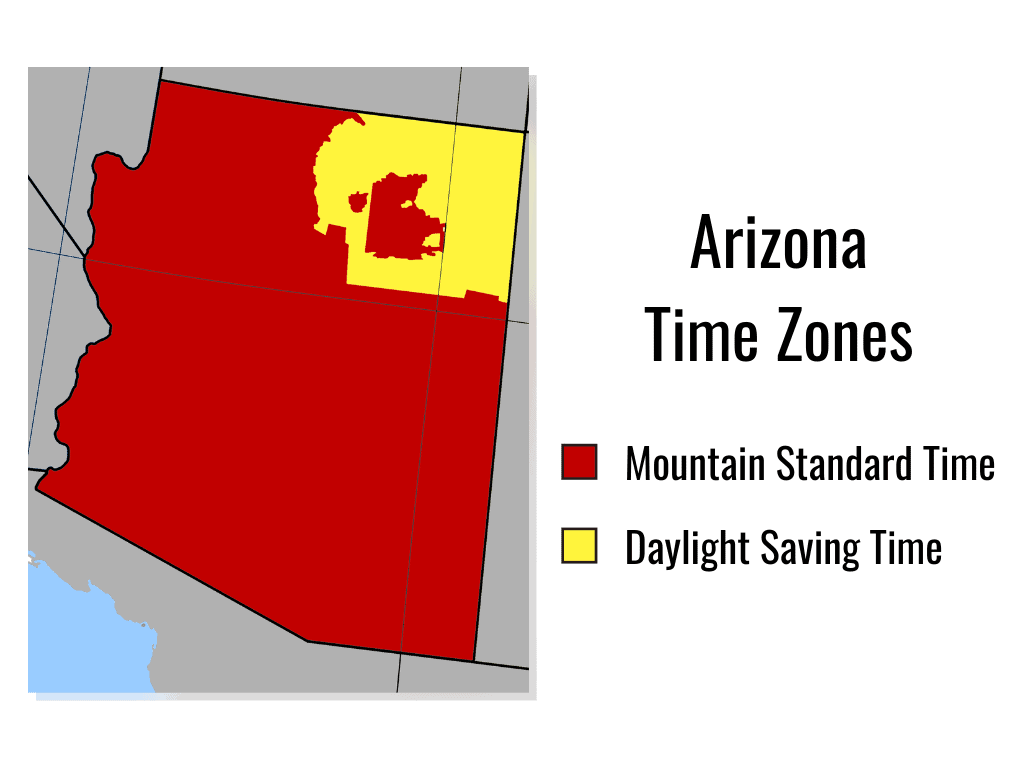
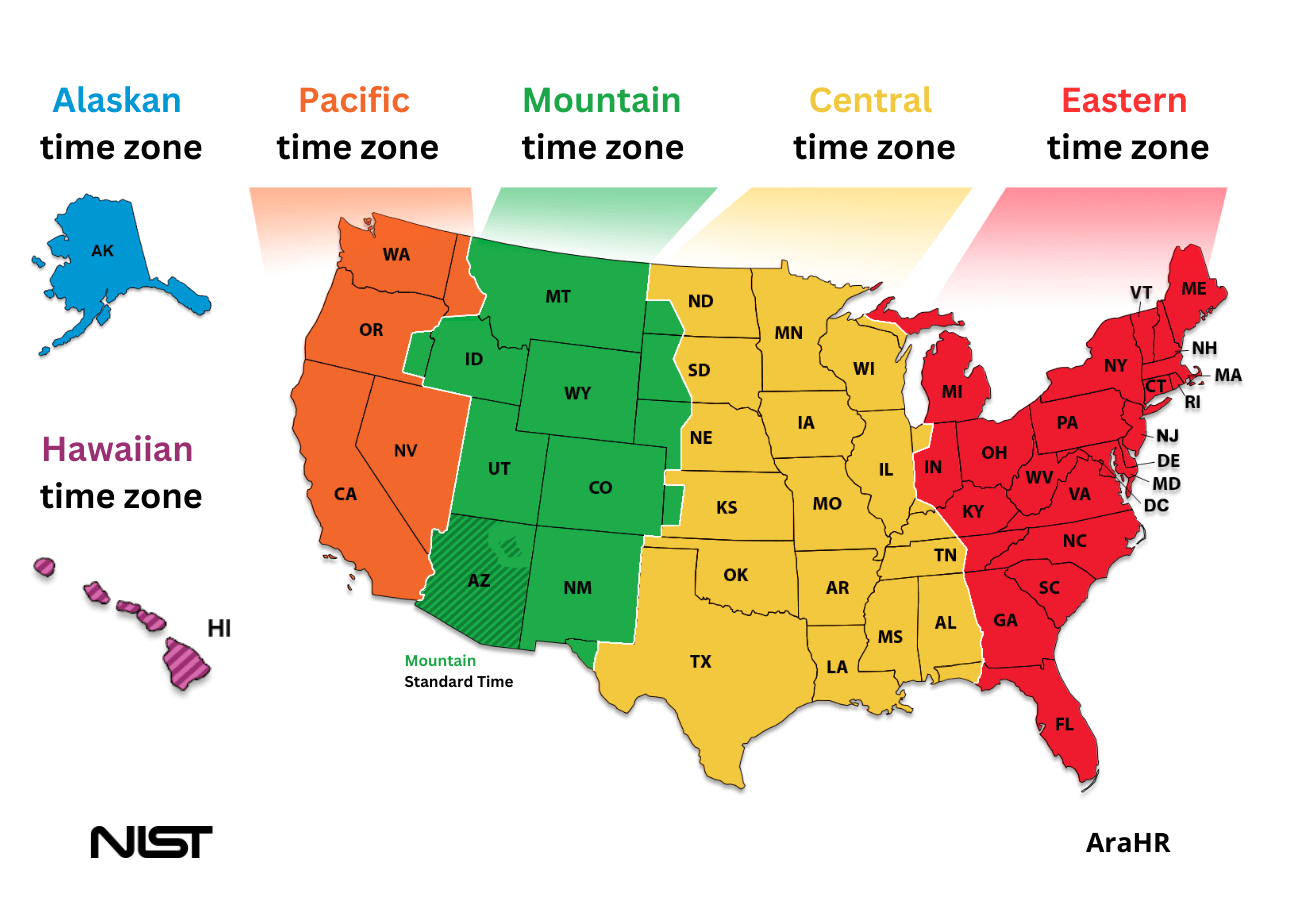
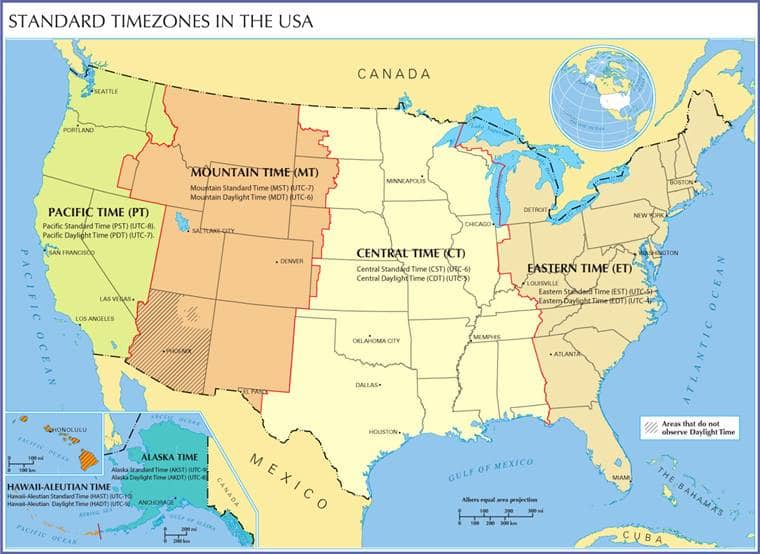
Arizona observes the Mountain Standard Time (MST) zone year-round. This means that unlike most of the continental United States, Arizona does not implement Daylight Saving Time (DST). This decision makes Arizona distinct from its neighbors to the west, which are largely on Pacific Time, and those to the east, which adhere to Central Time.
The Impact of Not Observing Daylight Saving Time
The absence of Daylight Saving Time in Arizona has several practical implications for visitors and residents alike. During the months when DST is in effect in other parts of the country (typically from the second Sunday in March to the first Sunday in November), Arizona remains on MST. This creates a unique temporal relationship with other states:
- During DST: When the rest of the country is on Daylight Time, Arizona is one hour behind the Pacific Time Zone states (like California, Nevada, and Washington). It is also two hours behind the Eastern Time Zone states. Conversely, it is one hour ahead of the Central Time Zone states.
- During Standard Time: When the rest of the country reverts to Standard Time, Arizona’s time aligns with the Pacific Time Zone. It then becomes two hours behind the Eastern Time Zone and the same time as the Mountain Time Zone states that do observe DST. For instance, during the winter months, Arizona is on the same time as Utah and Colorado, which observe MST and then MDT respectively.
This constant offset during the DST period can be a significant factor for travelers coordinating flights, making reservations, or scheduling meetings. It’s always advisable to double-check the time zone relative to your origin or final destination, especially when booking travel.
The Navajo Nation Exception
While the vast majority of Arizona adheres to MST year-round, there is one significant exception: the Navajo Nation. The Navajo Nation, which spans across parts of Arizona, New Mexico, and Utah, does observe Daylight Saving Time. This means that during the DST months, the Navajo Nation shifts to Mountain Daylight Time (MDT), aligning itself with states like Colorado and observing the same time as the Pacific Time Zone.
This temporal duality within Arizona requires careful consideration for travelers venturing into these specific areas. For example, visiting the Grand Canyon National Park (which is outside the Navajo Nation) will mean observing MST year-round, while exploring the Navajo Nation, including attractions like Monument Valley, will mean observing MDT during the DST period. The primary gateway cities for Navajo Nation tourism, such as Gallup in New Mexico and some border towns in Arizona, will reflect this difference. It is essential to confirm the local time zone when planning activities or lodging within the Navajo Nation.
Practical Travel Implications for Visitors
The time zone of Arizona, particularly its consistent observance of MST without DST for most of the state, offers several advantages for travelers and plays a role in the state’s overall appeal.
Streamlined Travel Planning
For those traveling from states that observe DST, Arizona’s consistent time can simplify planning during the warmer months. You don’t have to constantly adjust your mental clock back and forth by an hour based on whether DST is active. This is particularly beneficial for business travelers who need to coordinate across multiple time zones, as well as for leisure travelers looking to minimize confusion.
Coordinating with Neighboring States
When planning trips that involve moving between Arizona and its neighbors, understanding the time difference is crucial.
- California & Nevada: During DST, Arizona is one hour behind these states. When they switch back to Standard Time, Arizona aligns with them.
- Utah & Colorado: During DST, Arizona is two hours behind these states (which are on MDT). In winter, when these states revert to MST, they are then on the same time as Arizona.
- New Mexico: The majority of New Mexico observes MST with DST, meaning it is on MDT during the DST period. Thus, during DST, Arizona is one hour behind most of New Mexico. However, the Navajo Nation within New Mexico does observe DST, aligning with the rest of the state.
- Texas & Oklahoma: These states are in the Central Time Zone. During DST, Arizona is two hours behind them. When they revert to CST, Arizona is one hour behind them.
Adapting to Arizona’s Pace
The choice to remain on MST year-round aligns with Arizona’s characteristic focus on maximizing daylight for outdoor activities, particularly during the hotter months when early mornings and late evenings are preferred for exploration. Cities like Phoenix and Tucson can experience intense heat, and the consistent time zone helps residents and visitors manage their schedules to avoid the peak sun. This temporal consistency can contribute to a more predictable daily rhythm for those enjoying the state’s natural wonders, such as hiking in Sedona or exploring the Sonoran Desert.
Historical Context and Reasoning
The decision for Arizona to opt out of Daylight Saving Time is rooted in historical considerations and practical benefits, primarily related to the state’s climate and economy.
The Climate Factor
A primary driver behind Arizona’s stance on DST is its desert climate. Large parts of the state, particularly the southern and central regions, experience extreme heat during the summer months. Historically, many communities found that shifting clocks forward during the summer would merely extend the hottest part of the day into the evening, making outdoor activities less desirable and increasing air conditioning energy consumption. By remaining on Standard Time, Arizona effectively enjoys an extra hour of daylight in the cooler mornings of the DST period, which is more conducive to outdoor recreation and work.
Economic Considerations
Beyond climate, economic factors have also played a role. The agricultural industry, a significant sector in Arizona, often benefits from the earlier morning light for fieldwork. Similarly, many businesses found that the added hour of daylight in the evening during DST was not as beneficial as it might be in more temperate climates, and the disruption of changing clocks twice a year was seen as a disadvantage.
A Deliberate Choice for Stability
The decision not to observe DST was a deliberate one, made by the state legislature. While the federal government has the authority to mandate DST observance, states can opt out. Arizona chose to exercise this option, prioritizing stability and a rhythm that suited its unique environment and lifestyle. This choice has cemented Arizona’s reputation for having a distinct temporal identity within the western United States.
Navigating Arizona’s Time Zones: Tips for Travelers
To ensure a smooth and enjoyable journey through Arizona, keeping its unique time zone in mind is essential. Here are some practical tips:
Always Verify Local Time
When making travel arrangements, booking accommodations at places like the Wigwam Golf Resort or the Arizona Biltmore, A Waldorf Astoria Resort, or planning activities, always verify the local time. Relying solely on your phone’s automatic time adjustment might not always be accurate, especially if you cross into the Navajo Nation. Use reliable sources like official tourism websites, hotel confirmations, or local news outlets to confirm the current time in your specific destination.
Plan for the Navajo Nation
If your itinerary includes visiting the Navajo Nation (e.g., Monument Valley, Canyon de Chelly National Monument), be acutely aware of the Daylight Saving Time difference during the DST period. This means that during much of the spring, summer, and fall, your watch will need to be an hour ahead when you are within the Navajo Nation compared to the rest of Arizona. This can affect tour start times, dining reservations, and the timing of your travel between regions.
Communicate Clearly
When communicating with people in Arizona from outside the state, or vice versa, be explicit about the time zone. Phrases like “Arizona time” or “MST” can help avoid confusion. This is particularly important for business dealings or coordinating with family and friends who may not be familiar with Arizona’s unique timekeeping.
Utilize Technology Wisely
While technology is a powerful tool, it’s not infallible. Ensure your phone’s location services are active and that your device is set to automatically update time zones. However, as a failsafe, manually check the time on a local clock or ask hotel staff if you are unsure, especially when transitioning between DST and Standard Time periods or crossing the boundary into the Navajo Nation.
By understanding and respecting Arizona’s time zone status, travelers can better navigate their trips, ensuring they arrive on time for their adventures, whether it’s catching a sunrise over the Grand Canyon or enjoying an evening stroll through the historic streets of Tombstone.
LifeOutOfTheBox is a participant in the Amazon Services LLC Associates Program, an affiliate advertising program designed to provide a means for sites to earn advertising fees by advertising and linking to Amazon.com. Amazon, the Amazon logo, AmazonSupply, and the AmazonSupply logo are trademarks of Amazon.com, Inc. or its affiliates. As an Amazon Associate we earn affiliate commissions from qualifying purchases.