
One of the most frequently asked questions by visitors planning a trip to the Grand Canyon State is about its time zone. Many mistakenly assume Arizona, given its western location, operates on Pacific Standard Time (PST). However, the reality is a fascinating and somewhat unique situation that sets Arizona apart from most of the United States. The straightforward answer is: no, Arizona is not on Pacific Standard Time. Instead, it primarily observes Mountain Standard Time (MST) year-round, without adjusting for Daylight Saving Time (DST).
This distinctive approach to time has significant implications for travelers, accommodation bookings, tourism activities, and even the daily lifestyle within the state. Understanding Arizona’s time zone quirks is crucial for seamless trip planning, ensuring you don’t miss a booked tour, a flight, or a spectacular Grand Canyon sunset. This article will delve into the intricacies of Arizona’s time zone, explain the reasons behind its non-observance of Daylight Saving Time, and provide essential tips for navigating this unique aspect of the state, ensuring your Arizona adventure is perfectly timed.

Arizona’s Unique Time Zone Status: A Deep Dive
The question of Arizona’s time zone often arises due to its geographical position. Bordering states like California and Nevada, which primarily operate on Pacific Standard Time and observe Daylight Saving Time, creates a natural assumption. However, Arizona marches to the beat of its own drum when it comes to timekeeping.
Understanding Mountain Standard Time (MST)
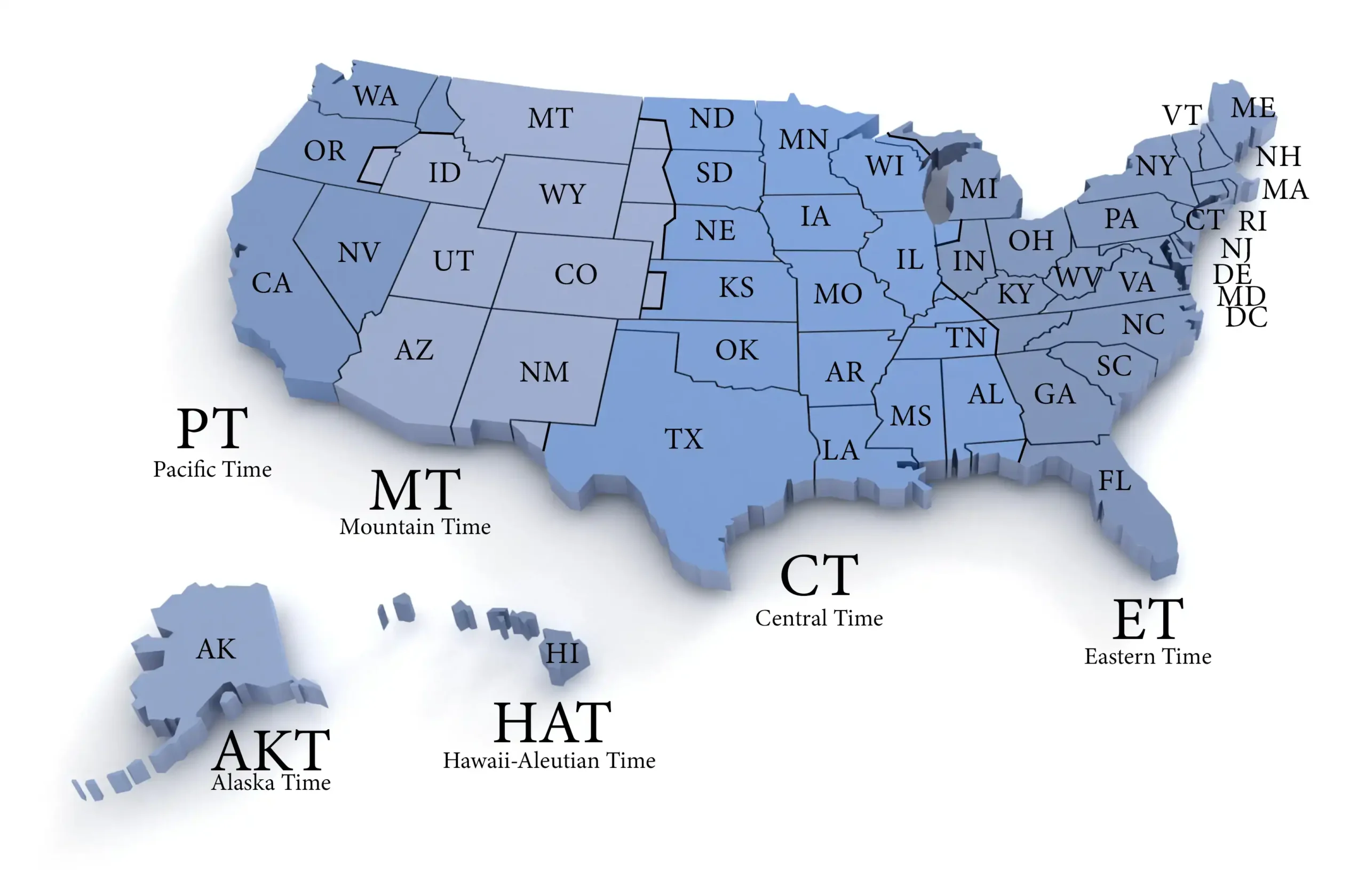
For the vast majority of the year, and across most of its expansive landscape, Arizona adheres to Mountain Standard Time (MST). This means it is seven hours behind Coordinated Universal Time (UTC-7), which is synonymous with Greenwich Mean Time (GMT-7). When the rest of the Mountain Time Zone states, such as Colorado, Utah, and New Mexico, spring forward to Mountain Daylight Time (MDT) during the warmer months (UTC-6), Arizona remains firmly on Mountain Standard Time.
This consistent adherence to MST means that from March to November, when Daylight Saving Time is in effect elsewhere, Arizona effectively aligns with Pacific Daylight Time (PDT). So, while it’s not on Pacific Standard Time, its lack of DST observance means it temporarily shares a time zone with states on PDT, such as California and Nevada. This temporary alignment is often the source of much confusion for visitors, especially those driving across state lines from destinations like Los Angeles or Las Vegas.
The Daylight Saving Time Exemption: Why Arizona Opts Out
The decision for Arizona to forgo Daylight Saving Time dates back to 1968. The primary reason is directly linked to the state’s extreme summer heat. The premise behind DST is to extend daylight into the evening, supposedly saving energy by reducing the need for artificial lighting. However, in Arizona’s scorching climate, more daylight in the evening during summer would mean prolonged exposure to intense heat.
By not observing DST, Arizona ensures that the sun sets an hour earlier during the summer months compared to if it were to “spring forward.” This allows for cooler evenings to arrive sooner, which is highly desirable for outdoor activities, tourism, and overall lifestyle. It also helps to mitigate the demand for air conditioning later into the evening, thereby genuinely conserving energy rather than increasing it, as might happen if DST were observed. This practical approach, tailored to the local climate, has proven beneficial for residents and visitors alike, allowing for more comfortable evenings and more palatable outdoor leisure activities.
The Exceptions: Navajo Nation and DST
While most of Arizona proudly opts out of Daylight Saving Time, there is one notable exception that adds another layer of complexity to the state’s time zone situation: the Navajo Nation. The Navajo Nation, a sovereign territory with a significant portion lying within northeastern Arizona, does observe Daylight Saving Time.
This means that from March to November, when Daylight Saving Time is in effect, the Navajo Nation operates on Mountain Daylight Time (MDT). During these months, if you drive from a city like Flagstaff (which is on MST) into the Navajo Nation to visit incredible landmarks such as Antelope Canyon or Monument Valley, you will need to adjust your clock forward by one hour. Conversely, upon exiting the Navajo Nation back into the rest of Arizona, you’d set your clock back an hour.
This “time warp” can be particularly confusing for travelers, especially those embarking on guided tours within the Navajo Nation or those with timed reservations. It is always advised to confirm the local time when planning visits to attractions within the Navajo Nation to avoid missing tour slots or accommodation check-ins. Other sovereign nations within Arizona, such as the Hopi Reservation (which is surrounded by the Navajo Nation) and the Havasupai Reservation, however, follow the state’s lead and do not observe DST. This creates an even more intricate patchwork of time zones, demanding careful attention from visitors.
Planning Your Arizona Adventure: Time Zone Considerations for Travelers
For anyone planning a trip to Arizona, understanding its time zone situation is more than just a trivial detail; it’s a critical component of effective trip planning. The state’s unique approach to time can impact everything from flight connections to outdoor activity scheduling and hotel reservations.
Impact on Travel Itineraries and Activities
When arriving in Arizona, especially during the months when Daylight Saving Time is observed elsewhere (March to November), it’s easy to miscalculate the local time. If you’re flying in from a Pacific Daylight Time zone, your time will be the same. However, if you’re arriving from a Mountain Daylight Time or Central Daylight Time zone, you’ll need to set your clock back. If you’re coming from the East Coast, the difference can be substantial.
This time difference is crucial for scheduled activities. Imagine booking a sunrise hot air balloon ride over Sedona or a guided hike in the Sonoran Desert. Being an hour off could mean missing your once-in-a-lifetime experience. Similarly, for tourism activities that span across state lines, such as visiting the Grand Canyon and then heading to Las Vegas, you’ll encounter a time change. Within Arizona itself, crossing into the Navajo Nation for a tour of Antelope Canyon means another time shift, which tour operators are usually very good at communicating, but it’s always wise to double-check.
Planning meals and social gatherings also requires awareness. A dinner reservation at 7:00 PM in Phoenix might feel like 8:00 PM to someone coming from a Mountain Daylight Time zone. This consistent MST also impacts when sunrise and sunset occur, influencing ideal times for outdoor exploration, photography, and simply enjoying the natural beauty of Arizona.
Adjusting to Arizona Time: Tips for Visitors
To ensure a smooth transition and an enjoyable Arizona experience, here are some practical tips for visitors:
- Check Your Devices: Ensure your smartphone or GPS device automatically updates to the correct local time upon arrival. Most modern devices do this seamlessly, but it’s good to verify.
- Confirm All Bookings: Double-check the local time for all your reservations – hotel check-ins, tour departures, dinner reservations, and flight schedules. If you’re booking online, be mindful of the time zone specified for the booking platform versus Arizona time.
- Be Aware of Border Towns: If you’re driving into Arizona from a neighboring state like California, Nevada, or Utah during DST months, remember you’ll effectively gain an hour upon entering Arizona (as those states are on PDT or MDT, which is one hour ahead of Arizona’s MST). Conversely, when leaving Arizona, you’ll lose an hour.
- Mind the Navajo Nation: If your itinerary includes destinations within the Navajo Nation, such as Monument Valley or Antelope Canyon, remember to set your clock forward one hour during DST months. Always confirm tour times with operators, as they are well-versed in this unique situation.
- Embrace Early Mornings: The consistent MST means earlier sunrises during summer compared to DST observing areas. This is perfect for experiencing the cool mornings before the desert heat intensifies, especially for hiking or exploring landmarks.
Practical Advice for Accommodation and Bookings

For travelers seeking accommodation in Arizona, the time zone can have practical implications, particularly concerning check-in and check-out times, as well as booking tours or services through third-party platforms.
When booking hotels, resorts, or apartments online, always verify that the times displayed for check-in/check-out or activity schedules are in local Arizona time. Many booking engines will default to your current time zone or a universal time, which can lead to confusion. A reservation for a Phoenix hotel at 3 PM could be interpreted differently depending on whether you’re accustomed to DST. Confirming directly with the establishment is always a good practice, especially for unique accommodation types like villas or locally managed rentals.
If you’re planning an extended stay or considering options for long-term stay, this consistency becomes a significant advantage for daily routines and avoiding seasonal adjustments. Similarly, business stays benefit from knowing exactly what time it is, simplifying communication with clients or colleagues in other states, provided you account for their DST observances.
For example, a business traveler in Phoenix making a call to New York during summer would note a three-hour difference (NYC is on EDT, which is UTC-4, while Phoenix is on MST, UTC-7). This is different from the standard two-hour difference during winter. This consistent time for Arizona means fewer recalculations for its residents, but visitors must always adjust for their home time zone.
Experiencing Arizona: Destinations and Time Zone Nuances
Arizona’s diverse landscapes offer an incredible array of destinations and attractions, each potentially impacted by the unique time zone rules, particularly when it comes to planning and maximizing your visit.
Exploring Phoenix and the Sonoran Desert
In the bustling capital city of Phoenix and across the vast expanse of the Sonoran Desert, the consistent Mountain Standard Time plays a crucial role in daily life and tourism. During the hot summer months, the earlier sunset (compared to a DST schedule) is a blessing. It allows for outdoor activities like hiking, mountain biking, or exploring the many desert parks around Scottsdale, Mesa, and Tempe to be planned for later in the evening when temperatures drop to more comfortable levels. Early mornings are also popular for these activities to beat the heat.
For those staying at resorts in Phoenix or Scottsdale, understanding the local time ensures you’re on schedule for dinner reservations, spa treatments, or poolside relaxation. The extended daylight in the morning, coupled with earlier evenings, shapes a particular lifestyle for residents, favoring morning pursuits and allowing for earlier evening relaxation. Visitors arriving from areas that observe DST often find that their internal clocks are naturally aligned with the MST schedule, making for an easier adjustment than expected.
Grand Canyon Adventures and the Time Shift
The Grand Canyon is arguably Arizona’s most famous landmark, and navigating its time zone can be tricky. The majority of the Grand Canyon National Park, including the popular South Rim and North Rim, adheres to Arizona’s no-DST policy, remaining on Mountain Standard Time year-round. This is generally straightforward for visitors staying within the park or nearby gateway towns like Tusayan or Flagstaff.
However, complications arise if your Grand Canyon adventure takes you through or into the Navajo Nation. For instance, some popular viewpoints or access points for Antelope Canyon and Horseshoe Bend are located within the Navajo Nation near Page. If you are driving from the South Rim to Page and then to the Navajo Nation for a tour during summer, you’ll cross into Mountain Daylight Time. A tour booked for 10:00 AM on the Navajo Nation will feel like 9:00 AM if you’re coming from Grand Canyon Village.
This becomes incredibly important for guided tours, especially those with strict departure times. Always confirm with your tour operator which time zone they are operating in for the tour. Missing a pre-booked slot for popular landmarks like Antelope Canyon due to a time zone miscalculation can be a significant disappointment. The Havasupai Reservation, home to the stunning Havasu Falls and Supai Village, also observes Arizona’s no-DST rule, so hikers planning a trip there will remain on MST.
Tucson, Sedona, and Northern Arizona
Beyond the Grand Canyon and Phoenix, other beloved Arizona destinations consistently follow Mountain Standard Time. Tucson, a vibrant city known for its local culture, food, and access to the Saguaro National Park, operates entirely on MST. Sedona, famous for its red rock formations, spiritual vortexes, and scenic trails, also maintains MST year-round, simplifying planning for its many visitors.
Further north, cities like Flagstaff, Williams (gateway to the Grand Canyon Railway), and Kingman on historic Route 66 all adhere to the state’s standard. Even Lake Havasu City, bordering California and known for the London Bridge, remains on MST, creating a consistent experience across the state for the majority of travelers. This consistency allows for relatively straightforward planning of multi-city itineraries, provided travelers remember the Navajo Nation exception and the difference with adjacent DST-observing states.
The Lifestyle Implications: What Does This Mean for Residents and Businesses?
Arizona’s steadfast adherence to Mountain Standard Time year-round has profound implications not only for travelers but also for the daily lifestyle of its residents and the operations of its businesses. This unique time zone situation shapes routines, communication, and economic activities across the state.
Daily Life and Scheduling
For Arizona residents, the absence of Daylight Saving Time means a consistent schedule throughout the year. There’s no “spring forward” or “fall back,” eliminating the disruption that comes with changing clocks twice a year. This stability contributes to a more predictable rhythm for schools, work, and personal activities. Children don’t have to adjust their sleep schedules, and adults avoid the temporary fatigue often associated with DST transitions.
During the hot summer months, the earlier sunset is highly valued. It allows families and individuals to engage in outdoor activities, sports, and social gatherings in cooler evening temperatures. Golf courses, community pools, and public parks remain vibrant hubs of activity as the sun dips below the horizon earlier than it would in a DST-observing state. This lifestyle choice is a reflection of Arizona’s climate, where maximizing cooler parts of the day is key to comfort and enjoyment. The consistent time also means that events and television programming remain at the same clock time relative to other non-DST areas, simplifying planning for residents.
Business Operations and Communication
From a business perspective, Arizona’s time zone choice presents both advantages and challenges. The primary advantage is consistency. Businesses don’t have to adjust their operating hours or internal schedules with the seasonal time changes, leading to simpler logistics and fewer potential errors. This is particularly beneficial for industries heavily reliant on fixed schedules, such as transportation, manufacturing, and local service providers.
However, the main challenge arises in communication with businesses, clients, and partners in other states that do observe Daylight Saving Time. During the summer months, Arizona is at the same time as California and Nevada (PDT), one hour behind Utah and Colorado (MDT), two hours behind Texas (CDT), and three hours behind New York and the East Coast (EDT). For businesses operating nationally or internationally, this means employees and systems must be keenly aware of the seasonal shifts in other regions to schedule meetings, coordinate deliveries, or manage customer service across different time zones.
For hotels, resorts, and other accommodation providers, the consistent time helps streamline internal operations but requires clear communication with guests about local time versus their point of origin. Tourism operators, especially those offering experiences that might touch the Navajo Nation or border states, are experts at navigating these time zone complexities and often provide explicit instructions to avoid confusion. Ultimately, Arizona’s time zone policy is a deliberate choice rooted in local climate and lifestyle preferences, contributing to the state’s unique identity.
In conclusion, the answer to “Is Arizona on Pacific Standard Time?” is no, but it’s a nuanced “no.” The state primarily observes Mountain Standard Time year-round, eschewing Daylight Saving Time due to its hot climate. This means that for a significant portion of the year (during DST months), Arizona aligns with Pacific Daylight Time. The main exception is the Navajo Nation within Arizona, which does observe Daylight Saving Time. For travelers planning a visit, a simple awareness of these rules and a quick check of local times, especially for tours within the Navajo Nation or when crossing state lines, will ensure a smooth and enjoyable Arizona experience. Embrace the consistency, plan your days to maximize cooler temperatures, and prepare for a truly unique travel destination.
LifeOutOfTheBox is a participant in the Amazon Services LLC Associates Program, an affiliate advertising program designed to provide a means for sites to earn advertising fees by advertising and linking to Amazon.com. Amazon, the Amazon logo, AmazonSupply, and the AmazonSupply logo are trademarks of Amazon.com, Inc. or its affiliates. As an Amazon Associate we earn affiliate commissions from qualifying purchases.