
Embarking on a journey to the stunning landscapes and vibrant cities of [Arizona] often brings with it an intriguing question that can puzzle even seasoned travelers: Is [Arizona] on [Pacific Time] or [Mountain Time]? The answer, much like the state itself, is wonderfully unique and warrants a deeper dive for anyone planning a visit, considering a long-term stay, or even just curious about its distinct timekeeping practices. Far from being a mere technicality, [Arizona]’s time zone status profoundly impacts travel logistics, scheduling accommodations, and truly immersing oneself in the local lifestyle.
Unraveling Arizona’s Unique Time Zone Status
At its core, [Arizona] officially resides within the [Mountain Time Zone]. However, what sets it apart and often causes confusion is its steadfast refusal to observe Daylight Saving Time. This seemingly simple decision creates a dynamic temporal landscape, especially when compared to its neighboring states and the rest of the contiguous [United States]. Understanding this nuance is crucial for everything from booking flights to planning your daily adventures exploring [Grand Canyon National Park] or enjoying the urban delights of [Phoenix].
The Core Rule: Always MST (with Exceptions)
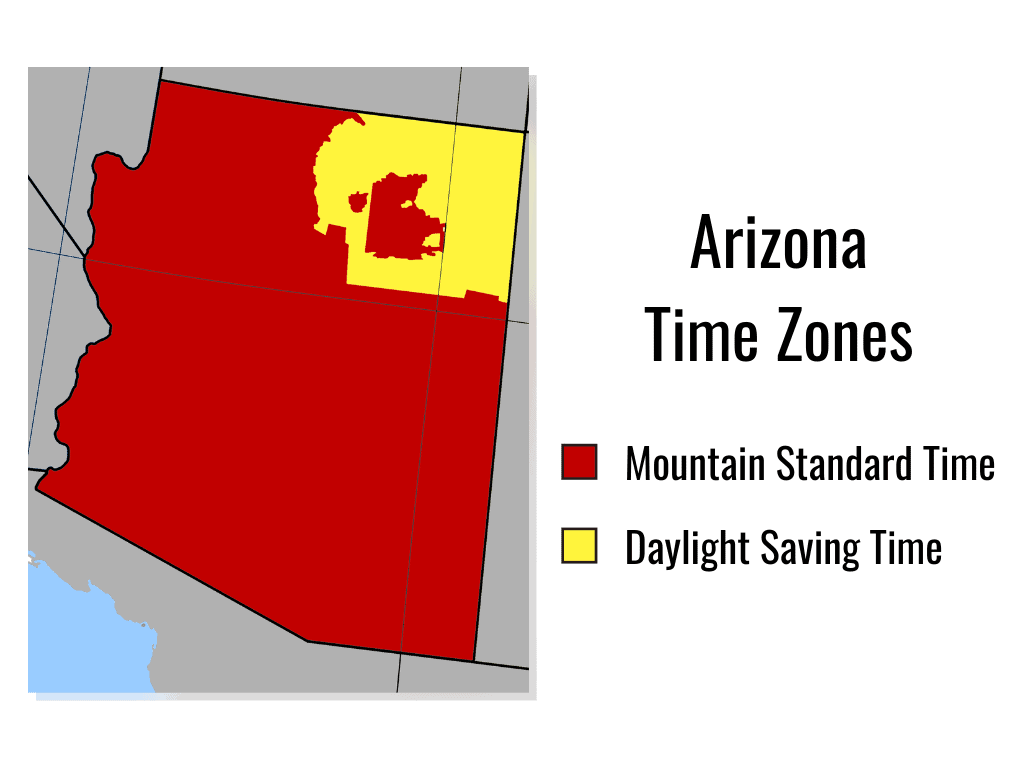
For the vast majority of the state, [Arizona] remains on Mountain Standard Time year-round. This means that while other states adjust their clocks forward an hour in the spring for [Daylight Saving Time], [Arizona] stays put. This practice has been in place for decades, rooted in practical considerations such as the intense summer heat. By not shifting forward, residents can enjoy an earlier sunrise and sunset, avoiding the hottest part of the day for outdoor activities and reducing energy consumption related to air conditioning during peak afternoon hours.
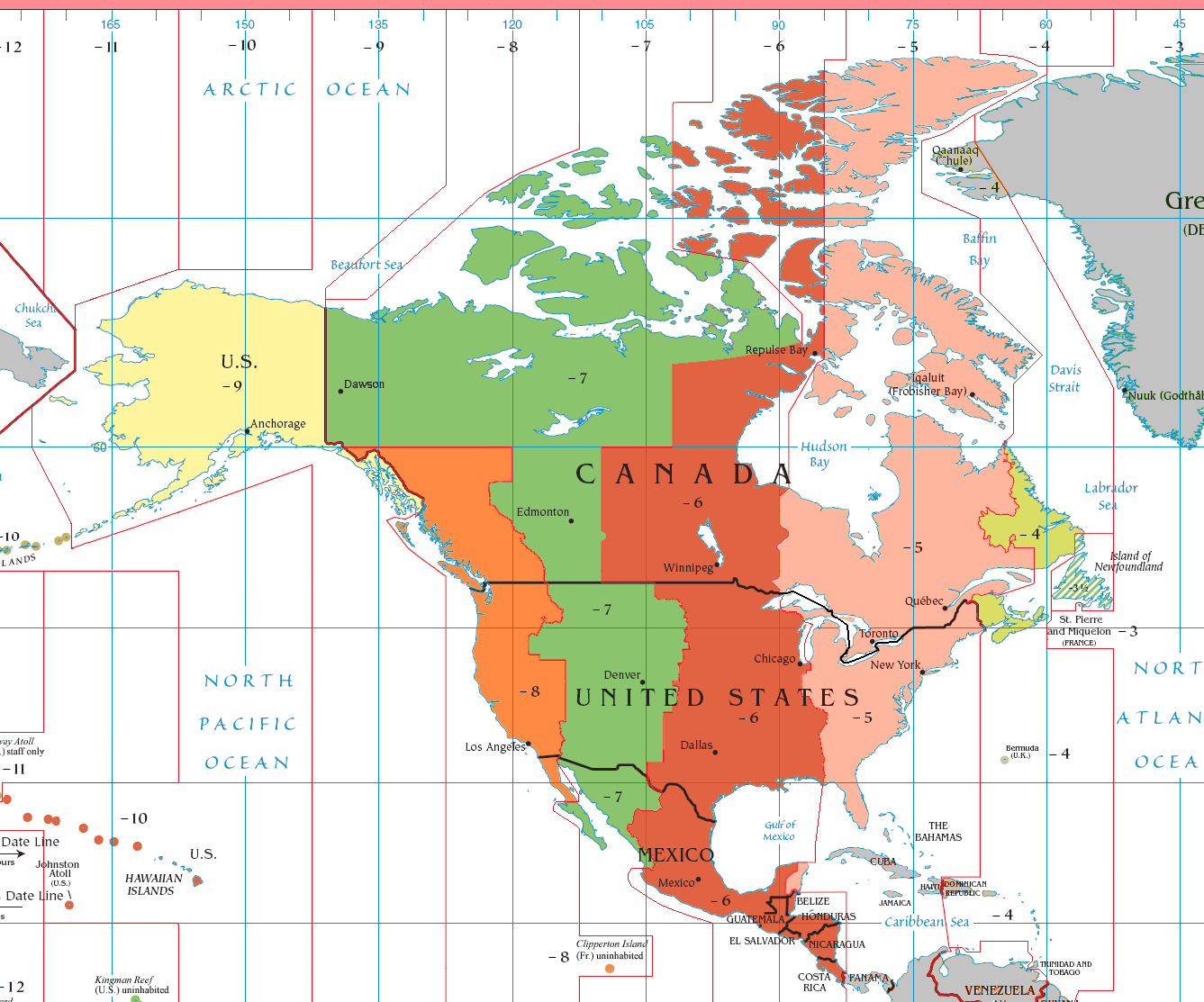
This consistent adherence to [MST] means that for approximately half the year – specifically from early March until early November – [Arizona]’s time aligns with what would typically be Pacific Daylight Time. During this period, if you’re traveling from [California] or [Nevada] (which observe [PDT]), there is no time difference when you cross into [Arizona]. This makes travel between these states exceptionally convenient during the spring and summer months. However, once [Daylight Saving Time] ends in November and those states revert to Pacific Standard Time, Arizona becomes one hour ahead of [PST]. Similarly, during the winter months, [Arizona] is one hour behind other states that transition to Mountain Daylight Time.
Delving Deeper into Daylight Saving Time
The decision to forgo [Daylight Saving Time] in [Arizona] is not arbitrary; it’s a reflection of the state’s unique climate and lifestyle. Unlike regions that benefit from an extra hour of daylight in the evening during summer, shifting the clocks forward in [Arizona] would mean even more intense sun exposure during the already scorching late afternoons, driving up energy costs and disrupting daily routines. This steadfast approach ensures a consistent schedule throughout the year, simplifying planning for residents and visitors alike.
Historically, the arguments against [Daylight Saving Time] in [Arizona] have centered on factors like agricultural practices, which benefit from stable daylight hours, and the aforementioned energy consumption in extreme heat. For a state that boasts abundant sunshine almost daily, the perceived benefits of an extra hour of daylight in the evening are often outweighed by the practical challenges of managing the heat. This unique time zone policy adds to the distinct character of [Arizona], influencing everything from business hours to the timing of outdoor recreational activities like hiking in [Sedona] or exploring the saguaro forests near [Tucson].
Navigating Time Across Arizona’s Diverse Landscapes
While the “no [Daylight Saving Time]” rule applies to most of [Arizona], there is one significant exception that can create a momentary temporal paradox for travelers: the [Navajo Nation]. This expansive sovereign territory, which stretches across northeastern [Arizona], parts of [Utah], and [New Mexico], adheres to its own distinct timekeeping practices, which often diverge from the rest of the state.
The Navajo Nation’s Distinct Timekeeping
The [Navajo Nation] stands alone in [Arizona] in that it does observe [Daylight Saving Time]. This means that from March to November, when the rest of [Arizona] is on [MST], the [Navajo Nation] moves its clocks forward one hour to [MDT]. Consequently, during these months, the [Navajo Nation] is one hour ahead of the rest of [Arizona]. For example, if it’s 3:00 PM in [Phoenix], it will be 4:00 PM within the [Navajo Nation]. When [Daylight Saving Time] ends in November, the [Navajo Nation] reverts to [MST], aligning once more with the rest of [Arizona].
Adding another layer of complexity to this already unique situation is the [Hopi Nation]. This smaller, independent tribal nation is entirely surrounded by the [Navajo Nation] but does not observe [Daylight Saving Time]. This creates a fascinating “donut hole” effect on the map: if you drive from Flagstaff (outside the [Navajo Nation]) into the [Navajo Nation], you set your clock forward an hour. If you then drive into the [Hopi Nation] (an enclave within the [Navajo Nation]), you set your clock back an hour. And if you then drive back out into the [Navajo Nation] again, you set it forward an hour! While navigating this might sound complicated, most locals are accustomed to it, and signage often helps clarify the local time. For tourists exploring areas like [Monument Valley] or the ancient pueblos of the [Hopi], being aware of these shifts is essential for timely arrivals and departures.
Planning Your Itinerary: Time Zone Considerations for Travelers
For visitors, these time zone nuances are more than just trivia; they are practical considerations that can impact the success and enjoyment of a trip. Whether you’re booking a hot air balloon ride in [Sedona], planning a self-drive tour along [Route 66], or scheduling a visit to the [Hoover Dam] near the [Nevada] border, understanding the local time is paramount.
- Flight Schedules: Always confirm flight times with the airline, as they will typically be listed in local time for both departure and arrival airports.
- Hotel Check-ins: Be mindful of time differences when coordinating hotel check-in times, especially if you’re driving across state lines. A reservation for 3:00 PM [MST] might be different from 3:00 PM [PST]. Many accommodations, from luxury resorts like [The Arizona Biltmore, A Waldorf Astoria Resort] to budget-friendly hotels, operate strictly on local time.
- Attraction Opening Hours: [National Parks] and attractions, like the [Grand Canyon], will list their hours in local time. If you’re coming from a state that observes [DST], remember that during the summer, [Arizona]’s local time will be the same as [PDT].
- Business Meetings: For business travelers, clarity is key. Always specify “MST” or “Arizona Time” when scheduling calls or meetings with contacts within the state to avoid confusion.
- Border Towns: Exercise extra caution in border towns, particularly those near [California], [Nevada], [Utah], and [New Mexico]. For instance, towns like [Page, Arizona], near the [Utah] border, can be tricky as [Utah] observes [DST].
The Practical Impact: Travel, Accommodation, and Experiences
The unique time zone situation in [Arizona] goes beyond mere clock adjustments; it subtly shapes the rhythm of daily life and influences how visitors experience the state. From the timing of sunset dinners to the availability of guided tours, being attuned to “Arizona time” can enhance your journey.
Accommodation and Booking: Adjusting to Local Time
When booking accommodations, whether it’s a cozy Airbnb in [Prescott], a high-rise hotel in [Phoenix], or a rustic cabin near [Lake Mead National Recreation Area], remember that all listed times for check-in, check-out, and amenity usage will be based on local [Arizona] time. Travel agents and online booking platforms usually display times in the local destination’s time, but a quick double-check can prevent any mishaps, especially for early morning tours or late-night arrivals. Many hotels and resorts cater to travelers from all time zones, often providing clear communication about local time and offering amenities like wake-up calls to help guests adjust smoothly. For those considering long-term stays, understanding the consistent [MST] throughout the year means less adjustment than in areas with [DST].
Embracing Local Culture and Activities on Arizona Time
The consistent [MST] also plays a role in [Arizona]’s lifestyle. Imagine planning to watch the sunset over the saguaros; the actual time it occurs will depend on the time of year and your location within the state, but the clock itself won’t have shifted. This consistency can be quite refreshing, allowing for more predictable daily routines. Locals are well-versed in navigating the time differences, especially with the [Navajo Nation], and are generally helpful if you have questions.
Experiencing the local culture often involves participating in activities timed to the sun’s natural rhythm. Horseback riding tours, river rafting trips down the [Colorado River], or stargazing events are all scheduled based on the local [MST]. Embracing this unchanging clock can simplify your itinerary, allowing you to focus on the myriad attractions rather than constantly recalculating time. This unique aspect contributes to the relaxed, unhurried pace that many visitors cherish in [Arizona].
Beyond Time: Exploring Arizona’s Timeless Attractions
While the time zone might require a moment of adjustment, the rewards of visiting [Arizona] are timeless. The state boasts an incredible array of destinations that cater to every type of traveler. From the breathtaking vistas of the [Grand Canyon National Park] to the red rock majesty of [Sedona], adventure seekers and nature lovers will find endless opportunities for hiking, biking, and exploration.
Urban centers like [Phoenix] and [Tucson] offer world-class dining, luxurious resorts, vibrant arts scenes, and rich historical experiences. You can explore architectural wonders, indulge in spa treatments, or discover the unique flavors of Southwestern cuisine. For those interested in history, the ancient cliff dwellings, ghost towns, and remnants of old [Route 66] provide a fascinating glimpse into the past. Whether your lifestyle leans towards luxury travel, budget adventures, family trips, or business stays, [Arizona]’s diverse offerings ensure a memorable experience. Its distinct time zone simply adds another layer to its compelling character, inviting travelers to not just see, but truly experience this remarkable state on its own terms.

Conclusion: Making the Most of Your Arizona Adventure
The question “Is [Arizona] [Pacific] or [Mountain Time]?” leads to a deeper appreciation for the state’s unique identity. While largely on [Mountain Standard Time] year-round, its exemption from [Daylight Saving Time] and the special case of the [Navajo Nation] create a fascinating temporal landscape. For anyone planning to travel, book accommodation, or simply explore the vibrant culture of [Arizona], understanding these nuances is key. By being aware of “Arizona Time,” visitors can ensure seamless travel, enjoy all the local attractions without temporal hiccups, and fully immerse themselves in the unparalleled beauty and rich experiences this extraordinary state has to offer. So, set your watches, or simply embrace the consistent rhythm of [Arizona], and prepare for an unforgettable journey.