
The vibrant city of Seattle, nestled in the picturesque Pacific Northwest of the United States, is more than just a haven for technology giants and coffee enthusiasts; it’s a dynamic urban center characterized by a rapidly evolving population. Understanding the demographic landscape of Seattle is crucial for anyone looking to travel, invest, or simply appreciate the unique charm of this Washington State metropolis. This article delves into the current population figures, growth trends, demographic composition, and how these factors intertwine with the city’s robust tourism, diverse accommodation options, iconic landmarks, and distinctive lifestyle. From its origins as a timber town to its current status as a global innovation hub, Seattle’s population story is one of consistent growth, cultural enrichment, and a relentless pursuit of progress, all set against a stunning backdrop of water and mountains.

Seattle’s Dynamic Demographics: A Growing Metropolis
Seattle’s allure as a place to live and work has fueled a remarkable population boom over the past few decades, transforming it into one of the fastest-growing major cities in the United States. This growth isn’t just about numbers; it reflects the city’s economic vitality, its progressive social policies, and its reputation for innovation and quality of life, drawing people from across the globe.
Current Population Snapshot and Recent Trends
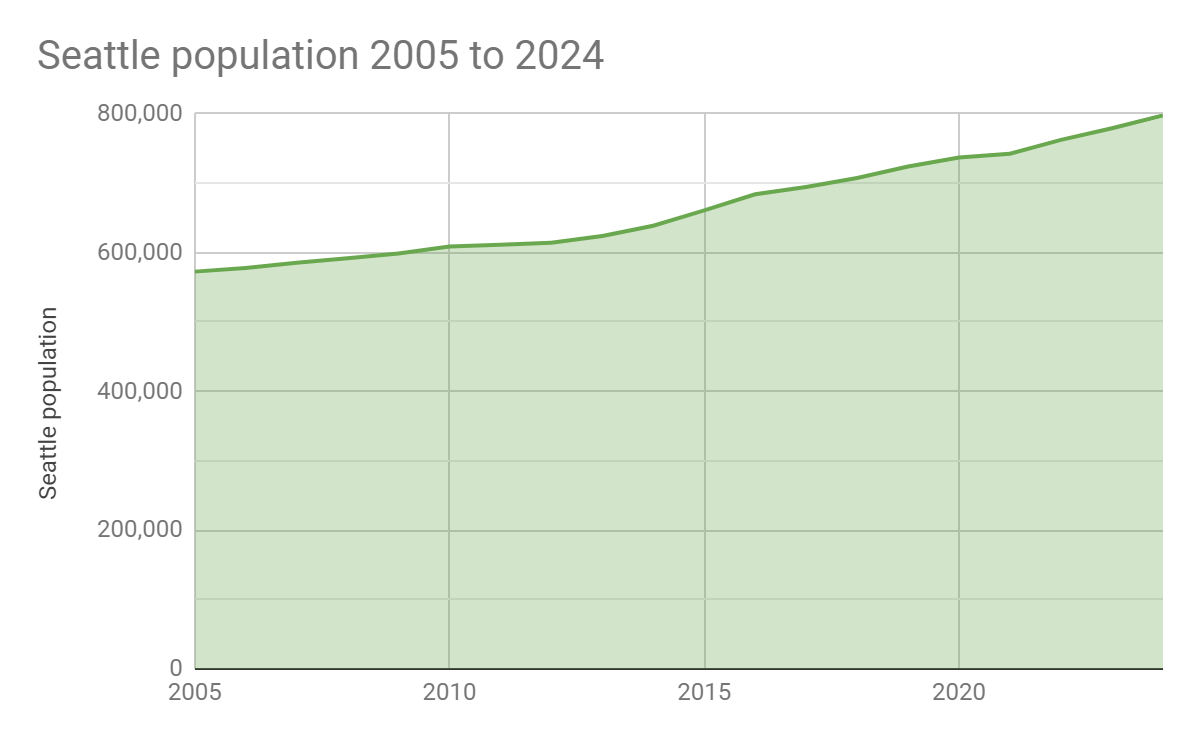
As of recent estimates (typically derived from the U.S. Census Bureau and subsequent projections), the population of Seattle hovers around 750,000 to 760,000 residents. This figure positions it as the largest city in Washington State and a significant urban center on the West Coast. The growth trajectory has been particularly steep since the early 2010s, with annual growth rates often exceeding the national average. For instance, between 2010 and 2020, Seattle experienced a population increase of over 20%, adding more than 100,000 new residents. This rapid expansion is primarily driven by a robust job market, especially within the technology sector, with major employers like Amazon and Microsoft serving as powerful magnets for talent. The expansion of these companies, alongside thriving startups and established industries like aerospace (with Boeing having a historical presence), biotechnology, and maritime, continuously attracts a highly educated and skilled workforce.
Beyond job opportunities, Seattle’s unique geographical location, offering easy access to nature and a cosmopolitan urban environment, contributes significantly to its appeal. The city’s commitment to sustainability, green spaces, and a high quality of life—despite challenges like rising cost of living—continues to make it an attractive destination for internal migration within the United States and international immigration. This constant influx shapes the city’s character, driving demand for new housing, infrastructure, and services, and constantly invigorating its cultural scene.
Demographic Composition and Diversity
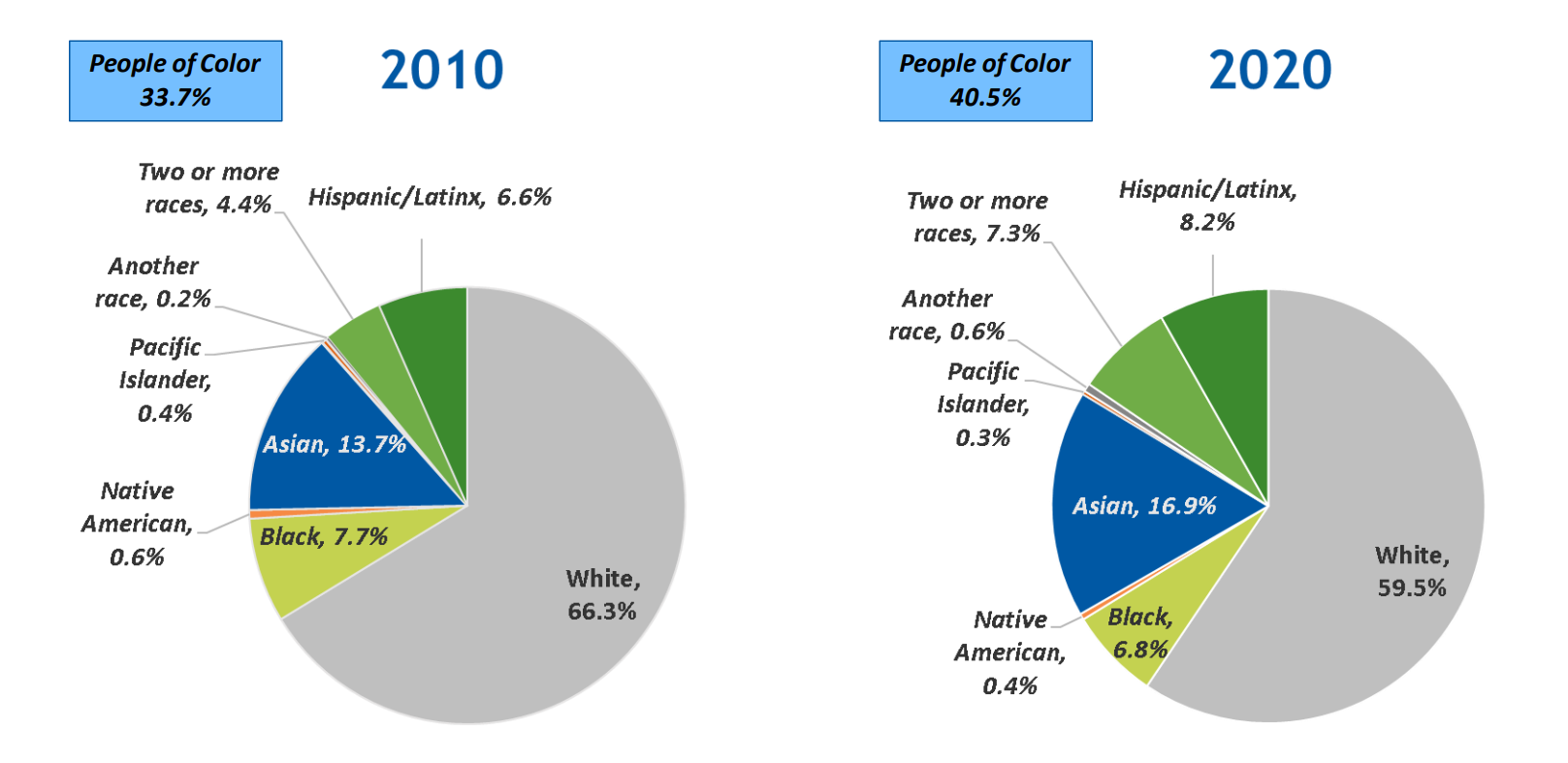
The population of Seattle is remarkably diverse, a characteristic that enriches its culture, economy, and social fabric. While a majority of residents identify as White, the city boasts significant Asian, Hispanic/Latino, Black, and multiracial communities. The Asian population, in particular, is a substantial and growing segment, contributing to a vibrant array of cultural traditions, cuisines, and businesses throughout the city. This diversity is not accidental; Seattle has long been a port city with historical ties to Asia and has embraced immigration, fostering an inclusive environment.
In terms of age distribution, Seattle tends to have a younger, working-age population, reflecting the tech industry’s draw for recent graduates and young professionals. The presence of the University of Washington, a leading public research university, further contributes to a youthful demographic and a highly educated populace. Over half of Seattle’s adult residents hold a bachelor’s degree or higher, placing it among the most educated cities in the United States. This high level of educational attainment correlates with innovation, entrepreneurial activity, and a strong demand for cultural and intellectual pursuits, which in turn influences the city’s lifestyle and tourism offerings. The blend of various ethnic backgrounds, coupled with a high educational standard, creates a melting pot of ideas, perspectives, and experiences that are central to Seattle’s identity.
The Intersection of Population, Tourism, and Lifestyle in the Emerald City
Seattle’s growing and diverse population has a profound impact on its tourism industry and the overall lifestyle experienced by both residents and visitors. The very fabric of the city, from its culinary scene to its entertainment venues, is continuously shaped by the people who call it home and those who visit.
How Population Influences Seattle’s Tourism and Accommodation Landscape
A larger and more diverse local population translates directly into a more dynamic and authentic tourism experience. As Seattle’s residents demand a wider variety of services, cultural events, and dining options, the city naturally develops attractions that appeal to tourists. The burgeoning culinary scene, for instance, driven by a population with diverse tastes and a high disposable income, now boasts everything from Michelin-starred restaurants to innovative food trucks and authentic ethnic eateries in neighborhoods like the International District. This rich gastronomic landscape is a major draw for visitors.
Population growth also fuels the demand for accommodations, leading to a flourishing hotel sector. The increasing number of business travelers for tech conferences and corporate meetings, alongside leisure tourists exploring the Pacific Northwest, has spurred the development of new hotels and resort-style properties. From luxury suites in downtown high-rises like the Four Seasons Hotel Seattle and the historic Fairmont Olympic Hotel to boutique hotels in trendy neighborhoods like Hotel Max in Belltown or Palihotel Seattle near Pike Place Market, the options are plentiful. Furthermore, the growth in population has increased the availability and popularity of short-term rentals and apartment-style accommodations, catering to families, long-term stays, and budget-conscious travelers seeking a more localized experience. The constant development of mixed-use spaces in areas like South Lake Union or Fremont means more vibrant urban areas that benefit both residents and visitors, with new shops, cafes, and public spaces emerging regularly.
Living in Seattle: Lifestyle and Economic Drivers
The lifestyle in Seattle is as distinct as its skyline, heavily influenced by its progressive population and strong economic drivers. It’s a city that effortlessly blends urban sophistication with an undeniable love for the outdoors. The economic backbone, primarily tech, aerospace, and maritime industries, provides residents with high median incomes, albeit often offset by a high cost of living, particularly housing. Companies like Amazon, Microsoft, Boeing, and Starbucks are not just employers but also cultural touchstones, shaping the city’s global reputation. The presence of major philanthropic organizations like the Gates Foundation also underscores Seattle’s commitment to global issues and community engagement.
Beyond work, Seattle residents embrace a lifestyle rich in arts, culture, and outdoor adventure. The city is famous for its coffee culture, with countless independent cafes alongside the ubiquitous presence of Starbucks. There’s a strong emphasis on health and wellness, with abundant opportunities for hiking, biking, kayaking on Lake Union or Puget Sound, and skiing in the nearby Cascade Mountains. The local arts scene thrives with live music venues, theaters, and numerous galleries, complementing institutions like the Seattle Art Museum (SAM) and the Museum of Pop Culture (MoPOP). This active, culturally rich, and environmentally conscious lifestyle is not only enjoyed by residents but also actively sought out by visitors who come to experience the “Emerald City” firsthand.
Navigating Seattle: Landmarks, Attractions, and Visitor Experience
Seattle’s landmarks and attractions are more than just photo opportunities; they are integral parts of the city’s identity, reflecting its history, innovation, and natural beauty. For both residents and the ever-growing number of tourists, these sites offer diverse experiences that cater to a wide range of interests.
Iconic Landmarks and Cultural Hubs
The Space Needle stands as Seattle’s most recognizable landmark, a futuristic remnant of the 1962 World’s Fair, offering breathtaking panoramic views of the city skyline, Mount Rainier, and the surrounding waters. Nearby, the Chihuly Garden and Glass provides an immersive and visually stunning experience of artist Dale Chihuly’s exquisite glasswork, a testament to Seattle’s vibrant arts scene.
No visit to Seattle is complete without exploring Pike Place Market, one of the oldest continually operated public markets in the United States. Here, the energy is palpable with fishmongers tossing their wares, local artisans displaying their crafts, and an array of diverse food vendors. It’s a sensory feast that encapsulates the spirit of Seattle – community-focused, rich in local produce, and buzzing with life.
Other notable attractions include the Museum of Pop Culture (MoPOP), celebrating music, science fiction, and pop culture; the Seattle Aquarium, showcasing the marine life of Puget Sound and beyond; and the historic Pioneer Square, with its Romanesque architecture and underground tours revealing the city’s past. For nature lovers, Discovery Park, Seattle’s largest urban park, offers stunning coastal bluffs, forests, and views of the Olympic Mountains. Iconic viewpoints like Kerry Park also provide classic postcard-worthy shots of the city skyline. These landmarks not only serve as tourist magnets but also as vital community spaces where residents gather for recreation, cultural events, and celebrations, reinforcing the city’s identity.
Accommodation Choices Reflecting a Diverse Population
The accommodation landscape in Seattle is as varied as its population, designed to cater to a broad spectrum of visitors, from luxury travelers to budget adventurers and those on extended stays. The downtown core and waterfront areas are home to many of the city’s premier hotels, offering upscale amenities, fine dining, and convenient access to major attractions. Properties like the Hyatt Regency Seattle or The Edgewater Hotel, perched right on Puget Sound, provide unparalleled comfort and views.
For travelers seeking a more boutique or trendy experience, neighborhoods like Capitol Hill, Fremont, and Ballard offer unique hotels and guesthouses that reflect the local culture and independent spirit. These areas are also popular for vacation rentals, providing visitors with a chance to live like a local and experience the vibrant neighborhood scenes.
Business travelers benefit from hotels strategically located near the convention center and corporate offices, often equipped with extensive meeting facilities and business services. Furthermore, with the growth in student population and transient workers, there’s a rising demand for long-term stay options, including serviced apartments and extended-stay hotels, which provide more spacious accommodations and home-like amenities. This diverse range ensures that whether one is visiting for a weekend getaway, a business conference, or a month-long exploration of the Pacific Northwest, Seattle offers suitable and comfortable lodging options to enhance their travel experience.
Future Outlook and Sustainable Growth
Seattle’s rapid population growth, while a testament to its success, also presents significant challenges and opportunities for its future. The city is actively engaged in planning for sustainable development to ensure that its charm and quality of life are preserved amidst continued expansion.
Projections and Challenges
Looking ahead, population projections indicate that Seattle and the broader King County area will continue to grow, albeit potentially at a more moderated pace than in the peak years of the last decade. This continued growth is expected to exert further pressure on existing infrastructure and resources. One of the most pressing challenges is housing affordability. The influx of high-income tech workers has driven up housing costs dramatically, making it difficult for many long-time residents and lower-income workers to afford to live in the city. Seattle is actively exploring various strategies, including increasing housing density, promoting affordable housing developments, and reforming zoning laws to address this crisis.
Traffic congestion and the strain on public transportation are other significant concerns. The city is investing heavily in expanding its light rail system, improving bus services, and developing more bicycle-friendly infrastructure to encourage alternative modes of transport. Environmental sustainability remains a core value, with initiatives focused on reducing carbon emissions, managing waste, and protecting its natural environment, including the waters of Puget Sound and its many urban parks like Gas Works Park and Woodland Park Zoo. Balancing economic development with environmental stewardship and social equity is a continuous challenge for a city experiencing such dynamic growth.
Preserving Seattle’s Charm Amidst Growth
Despite the pressures of expansion, Seattle remains committed to preserving its unique character and community spirit. Urban planning efforts often focus on creating livable, walkable neighborhoods that retain their distinct identities, such as the artistic vibe of Fremont or the historical richness of Pioneer Square. There’s a strong emphasis on maintaining and expanding green spaces, from waterfront parks to community gardens, ensuring residents and visitors alike have access to nature within the urban fabric.
Local culture and independent businesses are also fiercely protected. Policies often support small businesses, local artists, and farmers’ markets, ensuring that the city’s unique charm isn’t overshadowed by corporate expansion. Events and festivals celebrating diverse cultures, music, and arts continue to thrive, fostering a strong sense of community and enriching the daily lives of residents. For example, the city’s proximity to natural wonders like Olympic National Park, Snoqualmie Falls, and the San Juan Islands ensures that outdoor adventure remains a cornerstone of the Seattle lifestyle, despite increasing urbanization. Through thoughtful planning and community engagement, Seattle strives to maintain its reputation as a beautiful, innovative, and livable city, successfully navigating the complexities of rapid population growth while staying true to its “Emerald City” roots.
In conclusion, the population of Seattle, currently around the 750,000-760,000 mark, is a vibrant and ever-evolving demographic that significantly shapes every aspect of the city. From influencing the diverse range of hotels and accommodations available to enriching its celebrated food scene and safeguarding its iconic landmarks, the people of Seattle are at the heart of its allure. The city’s dynamic growth, driven by its powerful economic engines and high quality of life, continues to attract new residents, fostering an environment of innovation, cultural diversity, and an enduring love for the Pacific Northwest’s natural beauty. As Seattle looks to the future, it is a city continually redefining itself, inviting both residents and travelers to be part of its ongoing story. Whether you’re seeking luxury travel, a budget-friendly adventure, a family trip, or a business stay, Seattle’s population dynamics underscore its rich tapestry of experiences, making it a truly unforgettable destination.
LifeOutOfTheBox is a participant in the Amazon Services LLC Associates Program, an affiliate advertising program designed to provide a means for sites to earn advertising fees by advertising and linking to Amazon.com. Amazon, the Amazon logo, AmazonSupply, and the AmazonSupply logo are trademarks of Amazon.com, Inc. or its affiliates. As an Amazon Associate we earn affiliate commissions from qualifying purchases.