
For travelers planning a visit to the sun-drenched landscapes and iconic landmarks of Arizona, a common question arises: “Is Arizona PST?” While seemingly straightforward, the answer reveals a fascinating anomaly in the United States time zone system, one that impacts everything from flight schedules to tour bookings. Unlike many states that observe Daylight Saving Time (DST), the majority of Arizona steadfastly adheres to Mountain Standard Time (MST) year-round. This means that for a significant portion of the year, the Grand Canyon State’s time aligns with Pacific Daylight Time (PDT), but never truly operates on Pacific Standard Time (PST). Understanding this unique arrangement is crucial for a seamless and stress-free travel experience, ensuring you’re always on time for your Sedona sunrise hike or your Grand Canyon National Park sunset tour.
Arizona’s Time Zone Anomaly: A Deep Dive into MST Without DST
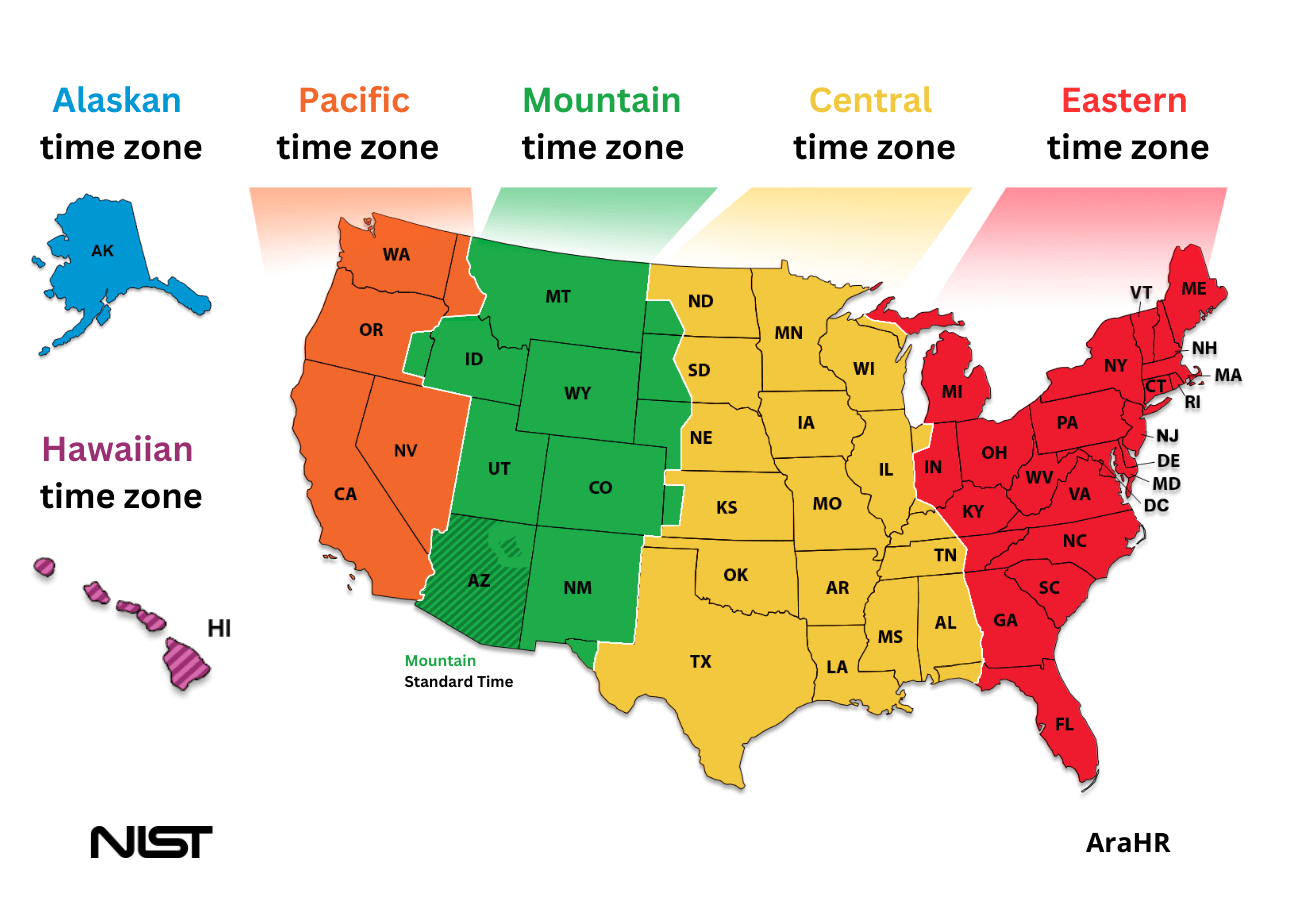
The peculiarity of Arizona’s time zone dates back decades, rooted in practical considerations and legislative decisions. While the state is geographically situated within the Mountain Time Zone, its unique approach to Daylight Saving Time sets it apart from its neighbors.
The Evergreen MST: Why Arizona Stands Apart
Most of Arizona operates on Mountain Standard Time (MST) throughout the entire year. This means that while other states “spring forward” in March and “fall back” in November, Arizona’s clocks remain unchanged. MST is seven hours behind Coordinated Universal Time (UTC-7). This consistency avoids the bi-annual disruption of resetting clocks, which for many Arizonans is a welcome relief.
The primary reason behind this decision is deeply tied to the state’s intense heat. During the summer months, temperatures in cities like Phoenix and Tucson can soar well over 100°F (38°C). By not observing DST, Arizona effectively pushes daylight later into the evening during summer. This means that typical workdays end when the sun is still high, but critically, it allows for more evening activities, such as sports, recreation, or simply enjoying the outdoors, to occur after the most oppressive heat of the day has subsided. Starting the day an hour “earlier” relative to surrounding DST states also means morning activities can be completed before the mercury truly climbs. This rationale has practical benefits for energy conservation as well, as it reduces the demand for air conditioning during the hottest late afternoon hours.
The Daylight Saving Time Debate: Historical Context and Practicalities
The decision for Arizona to opt out of Daylight Saving Time was made official in 1968, though the debate had existed for years prior. When the Uniform Time Act was passed in 1966, mandating DST nationwide (unless states chose to opt out), Arizona seized the opportunity to maintain its fixed time schedule. This has created a dynamic where, from early March to early November, Arizona’s time aligns with Pacific Daylight Time (PDT). So, if you’re traveling from California or Nevada during these months, there’s no time difference; 9 AM in Los Angeles is also 9 AM in Phoenix. However, once the rest of the country “falls back” to Pacific Standard Time (PST) in November, Arizona remains on MST, making it one hour ahead of PST until DST resumes in the spring.
This unique situation often causes confusion for visitors, especially those accustomed to the bi-annual clock changes. Understanding this distinction is vital not just for personal scheduling but also for coordinating with businesses, tour operators, and even family members in other states. It’s a key aspect of local culture and has shaped the daily rhythm of life for millions of Arizonans.
Navigating Time Across Arizona: Key Cities and Exceptions
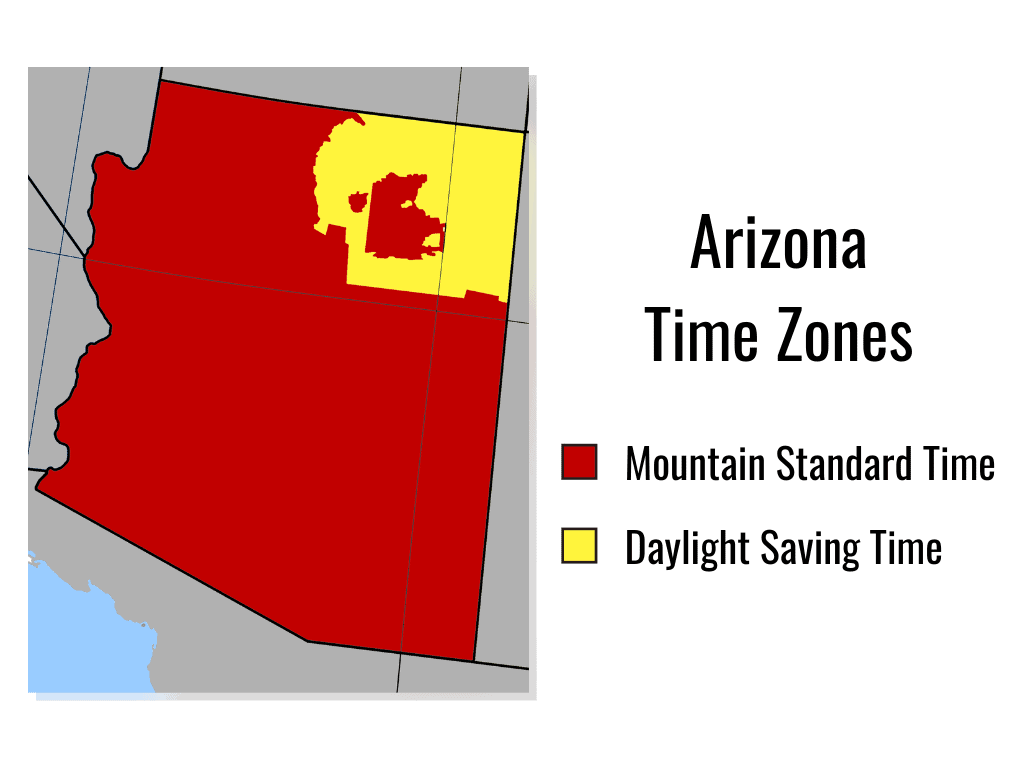
While the general rule is that Arizona stays on MST year-round, there’s one significant exception that further complicates the time zone landscape within the state: the Navajo Nation.
Phoenix, Tucson, and the Major Urban Centers
The vast majority of Arizona’s population centers, including its two largest cities, Phoenix and Tucson, as well as popular tourist destinations like Sedona, Flagstaff, and Yuma, adhere to the MST-only policy. This means that:
- During Daylight Saving Time (roughly March to November): Arizona time is the same as Pacific Daylight Time (PDT). So, if it’s 10 AM in Los Angeles (PDT), it’s 10 AM in Phoenix (MST).
- During Standard Time (roughly November to March): Arizona time is one hour ahead of Pacific Standard Time (PST). If it’s 10 AM in Los Angeles (PST), it’s 11 AM in Phoenix (MST).
- Compared to Mountain Daylight Time (MDT): Arizona is always one hour behind Mountain Daylight Time. So, if it’s 10 AM in Denver (MDT), it’s 9 AM in Phoenix (MST).
- Compared to Mountain Standard Time (MST): Arizona is always on MST, so it’s always the same time as, for example, Salt Lake City when Salt Lake City is on MST during the winter months.
This consistent time can be a blessing for residents but a slight mental adjustment for visitors flying in from different time zones or planning calls with people elsewhere. Always be mindful of the “current” time relationship, especially when booking flights, making reservations, or planning real-time communications.
The Navajo Nation Exception: A Twist in the Time Fabric
The most significant exception to Arizona’s no-DST rule is the Navajo Nation. This vast sovereign territory spans portions of Arizona, New Mexico, and Utah, and for continuity across its lands, the Navajo Nation does observe Daylight Saving Time. This means that for roughly eight months of the year, the Navajo Nation operates on Mountain Daylight Time (MDT), making it one hour ahead of the rest of Arizona.
For travelers exploring iconic destinations like Monument Valley, Antelope Canyon, or other sites within the Navajo Nation, this time change is crucial. A tour scheduled for 9 AM in Page, Arizona (which observes MST), might start at 10 AM if the tour operator is located within the Navajo Nation and operating on MDT. Misunderstanding this can lead to missed tours or appointments, affecting your travel plans and experiences.
Adding another layer of complexity, the Hopi Reservation, which is entirely surrounded by the Navajo Nation within Arizona, does not observe Daylight Saving Time, adhering to the same MST-only rule as the rest of Arizona. This creates a unique “time donut” where you could potentially change time zones twice just by driving through a relatively small area. Always confirm the local time with tour operators or hosts when planning activities in these regions.
Traveling Arizona: Time Zone Considerations for a Seamless Experience
For travelers, understanding Arizona’s time zone quirks is more than just trivia; it’s a practical necessity that can make or break an itinerary. From booking flights to timing your adventures, being aware of the local clock is paramount.
Planning Your Itinerary: Flights, Check-ins, and Tours
When arranging your trip to Arizona, particular attention should be paid to scheduled times.
- Flights: If you’re flying from a state that observes DST, your flight arrival time in Arizona during the summer months will often appear to be the same local time as your departure. For example, a 9 AM flight from Los Angeles (PDT) might land at 10 AM in Phoenix (MST). However, during the winter months when PST is in effect, that same 9 AM flight from Los Angeles (PST) would land at 11 AM in Phoenix (MST). Always cross-reference with your airline and ensure your devices automatically update.
- Hotel Check-ins and Check-outs: Most hotels, resorts, and vacation rentals in Arizona operate on MST year-round. Ensure your arrival and departure times align with their policies. If you’re arriving from a region observing DST, remember that Arizona will be one hour “earlier” than Mountain Daylight Time (MDT) and the same as Pacific Daylight Time (PDT).
- Tours and Activities: This is perhaps where the time zone difference can cause the most disruption. Many popular tours, especially those to natural wonders like the Grand Canyon or Antelope Canyon, start early. If your tour is with an operator in the Navajo Nation, they will be on MDT (one hour ahead of the rest of Arizona during DST). Always confirm the exact time zone with your tour provider, particularly for adventures around Page, Arizona or near the Four Corners Monument where Utah, Colorado, New Mexico, and Arizona meet.
Practical Tips for Travelers: Staying on Schedule
To ensure your Arizona adventure stays perfectly on schedule, consider these tips:
- Set Your Devices to Arizona Time: Most smartphones and smart devices automatically adjust to the local time zone. Double-check that your phone is set to Phoenix or a similar Arizona city to reflect the correct MST.
- Confirm All Bookings: When booking anything with a specific time – be it a restaurant reservation, a spa treatment at a luxury resort, or a hot air balloon ride – always verify if the time quoted is local Arizona MST or, in specific cases, Navajo Nation MDT.
- Be Mindful of Neighboring States: If you’re driving to Arizona from a neighboring state like California, Nevada, Utah, or New Mexico, remember to adjust your internal clock (and possibly your car’s clock) accordingly, especially when crossing borders during DST.
- Embrace the Consistency: Once you grasp the simple rule that most of Arizona stays on MST year-round, you can actually enjoy the consistency. No need to worry about “losing” or “gaining” an hour!
Beyond Time Zones: Discovering Arizona’s Allure
While understanding Arizona’s time zone is important, it’s merely a footnote in the grand tapestry of experiences this captivating state offers. Arizona beckons with a diverse range of attractions, accommodations, and lifestyle opportunities that cater to every type of traveler.
Iconic Arizona Destinations
Arizona is synonymous with breathtaking natural beauty. The majestic Grand Canyon National Park is undoubtedly its crown jewel, offering unparalleled vistas and adventure opportunities. But the wonders don’t stop there. The red rock formations of Sedona inspire spiritual reflection and offer world-class hiking trails. Further north, the ethereal slot canyons of Antelope Canyon and the dramatic monoliths of Monument Valley provide unforgettable photographic opportunities and a deep dive into Native American culture.
For those interested in desert ecosystems, Saguaro National Park near Tucson showcases the iconic giant saguaro cacti, while the Petrified Forest National Park offers a glimpse into ancient history with its colorful fossilized wood. From the snow-capped peaks of Flagstaff to the vibrant Sonoran Desert, Arizona’s natural landmarks are incredibly diverse.
Unique Arizona Experiences
Beyond sightseeing, Arizona offers a vibrant array of activities and experiences. Adventure seekers can enjoy white-water rafting on the Colorado River, hot air balloon rides over Sedona, off-roading, and extensive mountain biking trails. For a more relaxed pace, explore the art galleries and spiritual retreats of Sedona, or indulge in the world-renowned golf courses and spa resorts around Phoenix and Scottsdale.
The state’s rich cultural heritage is evident in its numerous Native American communities, offering opportunities for cultural tours, artisanal craft shopping, and traditional performances. The culinary scene in Arizona is also a highlight, with a strong emphasis on Southwestern cuisine, blending Native American, Mexican, and cowboy influences into delicious and unique dishes. Stargazing is another popular activity, with many areas offering incredibly dark skies perfect for celestial observation, particularly in northern Arizona, home to several designated International Dark Sky Parks.
Accommodation and Lifestyle in the Grand Canyon State
Arizona caters to every travel lifestyle and budget when it comes to accommodation. For those seeking luxury travel, Phoenix and Scottsdale boast an impressive collection of five-star resorts, complete with world-class spas, championship golf courses, and exquisite dining. Boutique hotels in Sedona offer intimate retreats amidst stunning scenery, while unique glamping experiences provide a blend of nature and comfort.
Budget travelers will find plenty of options, from charming motels and vacation rentals to campgrounds within the national parks, allowing for immersive outdoor experiences. Family trips are well-supported with kid-friendly resorts that feature extensive pools and activity programs, alongside attractions like the Phoenix Zoo and the Arizona Science Center. For business stays, major cities offer modern hotels and conference facilities, making Arizona a viable destination for corporate events as well. Long-term stay options, from furnished apartments to full-service villas, are also available for those looking to experience the Arizona lifestyle for an extended period, perhaps as snowbirds escaping colder climates.
In conclusion, while the question “Is Arizona PST?” delves into a small, albeit crucial, detail of travel planning, it opens the door to appreciating the state’s distinct character. Arizona’s commitment to year-round MST simplifies some aspects of time management for its residents, while adding a fascinating layer of consideration for visitors. By understanding this unique time zone, particularly the exception of the Navajo Nation, travelers can ensure their journey through the Grand Canyon State is as smooth and enjoyable as the stunning landscapes themselves. So, set your watches, plan your adventures, and prepare to immerse yourself in the timeless beauty and vibrant culture of Arizona.
