
The question “Is Arizona the desert?” often conjures images of scorching sun, endless sand dunes, and prickly saguaro cacti. While a significant portion of the state is indeed defined by its stunning arid landscapes, to limit Arizona to this singular characteristic would be to overlook an incredible tapestry of diverse ecosystems, vibrant cultures, and unparalleled natural wonders. Arizona is a land of fascinating contrasts, where snow-capped mountains touch the sky, lush river valleys carve through ancient rock, and vast forests provide a cool respite, all within a few hours’ drive of its iconic desert floors. For travelers, understanding this multifaceted environment is key to unlocking the full potential of an Arizona adventure, revealing a destination far richer and more varied than popular perception often suggests.

Beyond the Saguaro: Arizona’s Diverse Landscapes
The immediate association of Arizona with “desert” is largely due to the pervasive influence of the Sonoran Desert, which covers much of the southern part of the state. However, the geographic reality of Arizona extends dramatically beyond this iconic biome, encompassing an astonishing range of elevations and microclimates.
The Sonoran Desert’s Unique Charm
The Sonoran Desert is not the barren wasteland some might imagine. It is, in fact, one of the most biodiverse deserts in the world, thriving with an incredible array of plant and animal life. Its signature towering saguaro cacti are instantly recognizable, dotting the landscape and providing vital habitats. Areas like Saguaro National Park near Tucson offer pristine examples of this ecosystem, where visitors can hike among ancient cacti forests and marvel at vibrant sunsets that paint the sky in fiery hues. The desert floor itself is a dynamic environment, particularly after winter rains, bursting with ephemeral wildflowers and attracting a diverse range of wildlife, from roadrunners to javelinas. The mild winter temperatures make the Sonoran Desert an idyllic escape for those fleeing colder climates, offering endless opportunities for outdoor activities under perpetually sunny skies.
Sky Islands and Pine Forests
Venture south and east from the heart of the Sonoran Desert, and the landscape undergoes a dramatic transformation. Arizona is home to remarkable “Sky Islands,” mountain ranges that rise thousands of feet above the surrounding desert floor, creating isolated ecosystems similar to oceanic islands. The Chiricahua Mountains and the Pinaleno Mountains, with peaks like Mount Lemmon near Tucson, host cool, dense forests of pine, fir, and aspen. Here, you’ll find completely different flora and fauna, including bears, deer, and diverse bird species. These “islands” offer a stark contrast to the desert below, providing opportunities for skiing in winter and cool hiking trails in summer, a testament to Arizona’s incredible ecological diversity.
Canyons, Plateaus, and Waterways
Northern Arizona stands in even greater opposition to the desert stereotype. Dominated by the vast Colorado Plateau, this region features towering mesas, expansive forests, and, most famously, the colossal Grand Canyon. This natural wonder, carved by the Colorado River over millions of years, is a geological marvel unlike any other. Above its rim, elevations soar, supporting vast Ponderosa pine forests around areas like Flagstaff, which experiences four distinct seasons, complete with significant snowfall. Further north, the creation of Hoover Dam and Glen Canyon Dam transformed the landscape, giving rise to immense freshwater bodies like Lake Mead and Lake Powell, popular destinations for boating, fishing, and water sports, completely defying any arid preconception. Even within the desert regions, rivers like the Salt River and Verde River sustain riparian corridors, providing lush environments in an otherwise dry landscape.
Iconic Arizona Destinations and Experiences
Arizona’s diverse geography translates into a spectacular array of destinations and experiences for every type of traveler, moving far beyond simple desert contemplation.
Phoenix and Tucson: Urban Oases
The major metropolitan areas of Phoenix and Tucson are vibrant hubs nestled within the Sonoran Desert, offering a fusion of desert beauty with urban sophistication. Phoenix, along with its upscale neighbors like Scottsdale and Tempe, boasts world-class resorts, championship golf courses, and an impressive culinary scene. Visitors can explore the Desert Botanical Garden, hike Camelback Mountain, or delve into Native American art and history at the Heard Museum. Tucson, a UNESCO City of Gastronomy, offers a more laid-back atmosphere with a rich blend of Spanish, Mexican, and Native American influences, evident in its historic barrios and thriving arts scene. Both cities serve as excellent bases for exploring the surrounding desert landscapes, offering easy access to natural beauty while providing all the amenities of modern urban life.
The Majesty of the Grand Canyon
No discussion of Arizona would be complete without highlighting the Grand Canyon, an undeniable magnet for global travelers. Standing on its rim, gazing into the abyss of layered rock, one understands the sheer scale of geological time. The Grand Canyon National Park offers various viewpoints, hiking trails into its depths, and rafting trips along the Colorado River. It is a destination that transcends simple categorization, providing a profound connection to nature’s power and an unforgettable visual spectacle. Its distinct climate at the rim, often chilly even when the desert floor sizzles, further emphasizes Arizona’s climatic range.
Red Rocks of Sedona and Flagstaff’s Alpine Appeal
Moving south from the Grand Canyon brings travelers to the captivating red rock country of Sedona. Famous for its towering sandstone formations and reputed energy vortexes, Sedona is a haven for outdoor enthusiasts, spiritual seekers, and art lovers. Hiking, mountain biking, and jeep tours through Red Rock State Park offer breathtaking views. Just a short drive north, the mountain city of Flagstaff sits at over 7,000 feet elevation, surrounded by the largest contiguous Ponderosa pine forest in the world. It’s a popular destination for skiing at Arizona Snowbowl on Humphreys Peak in winter, and a cool escape for hiking and mountain biking in summer. This juxtaposition of red rock desert and alpine forest within such close proximity underscores Arizona’s unique geographic personality.
Activities and Adventures for Every Traveler
The varied landscapes of Arizona open up an expansive world of activities, catering to adrenaline junkies, nature lovers, and those seeking serene relaxation.
Desert Explorations: Hiking, Biking, and Wildlife Viewing
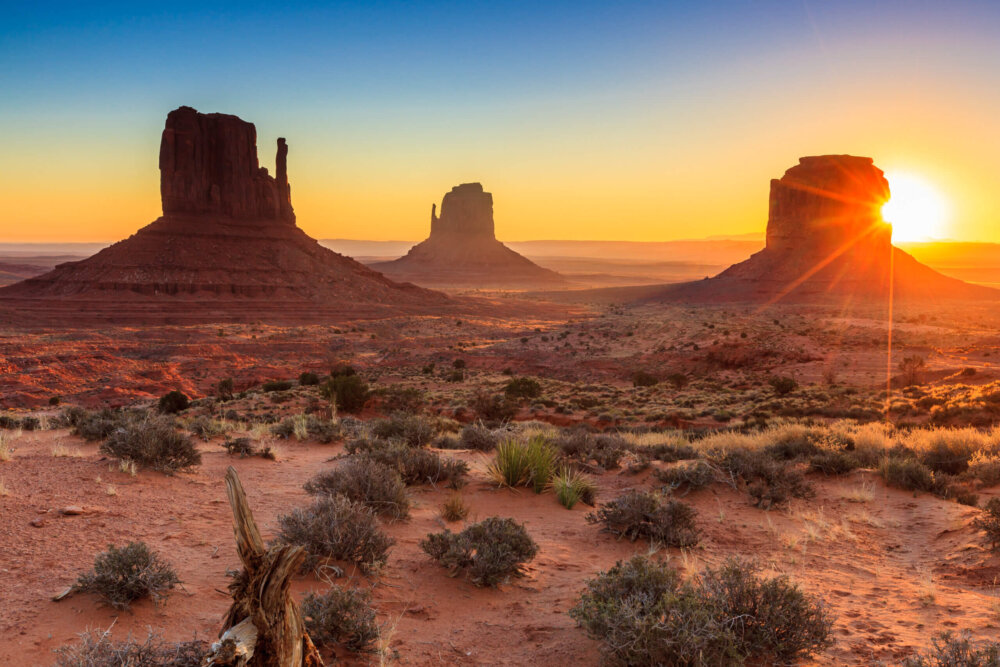
For many, exploring the true essence of Arizona begins in its deserts. Hiking trails crisscross the Sonoran Desert, ranging from easy strolls to challenging climbs up mountains like Piestewa Peak or Camelback Mountain in Phoenix. Mountain biking is extremely popular, with extensive trail networks around Tucson and Sedona. Wildlife enthusiasts can spot coyotes, bobcats, javelinas, and an incredible diversity of birds, especially during sunrise or sunset, making the desert come alive with activity. Organized hot air balloon rides offer a breathtaking aerial perspective of the vast, undulating landscapes. Beyond the Sonoran Desert, visitors can explore the fossilized forests of Petrified Forest National Park or the surreal rock formations of Monument Valley, each offering a distinct desert experience.
Water Sports and River Adventures
Despite its arid reputation, Arizona offers abundant opportunities for water-based recreation. The vast reservoirs of Lake Mead and Lake Powell provide perfect settings for houseboating, wakeboarding, and kayaking. Closer to the major cities, the Salt River and Verde River are popular for tubing, kayaking, and paddleboarding, especially during the warmer months. Whitewater rafting adventures on the Colorado River through the Grand Canyon offer an unforgettable multi-day journey, revealing perspectives of the canyon unseen from the rim. Hidden gems like the underground formations of Kartchner Caverns State Park also provide a unique “wet” experience, showcasing subterranean wonders.
Cultural Immersion and Stargazing
Arizona is rich in cultural heritage, home to numerous Native American tribes, including the Navajo Nation and the Hopi Mesas. Travelers can visit tribal parks, cultural centers, and attend traditional festivals to learn about their history, art, and vibrant living cultures. The ancient cliff dwellings at Montezuma Castle National Monument offer a glimpse into the lives of early inhabitants. Furthermore, with its vast undeveloped areas and clear night skies, much of Arizona is a designated International Dark Sky Park. Stargazing is a premier activity, with observatories near Flagstaff offering unparalleled views of the cosmos.
Planning Your Arizona Adventure: Best Times to Visit
Understanding Arizona’s climatic diversity is paramount for planning an optimal travel experience. The “best” time to visit largely depends on which part of the state you intend to explore and what activities you prioritize.
Embracing the Heat: Summer in the Desert
While summer in the low-lying desert areas around Phoenix and Tucson is notoriously hot, with temperatures often exceeding 100°F (38°C), this season also brings its own unique charm. Monsoon season, typically from July to September, transforms the desert with dramatic thunderstorms and flash floods, refreshing the landscape. This is an ideal time to explore the cooler mountain regions of Flagstaff, Sedona, and the Grand Canyon, where temperatures are significantly milder. Water activities on Lake Mead and Lake Powell are also in full swing, offering respite from the heat.

Mild Winters and Spring Blooms
The peak travel season for southern Arizona, including Phoenix and Tucson, runs from late fall through spring (October to April). During these months, the desert enjoys pleasantly warm days and cool nights, perfect for hiking, golf, and outdoor dining. Spring, in particular, showcases the desert in full bloom, with cacti and wildflowers painting the landscape in vibrant colors, a truly spectacular sight. Simultaneously, northern Arizona experiences crisp autumns with stunning fall foliage, cold winters perfect for skiing, and cool, refreshing springs. This seasonal variability allows travelers to choose their Arizona experience, whether it’s snow sports in February or desert hikes in April.
In conclusion, to answer the initial question: Yes, a significant and iconic part of Arizona is indeed desert, particularly the beautiful and biodiverse Sonoran Desert. However, to exclusively label Arizona as “the desert” would be a profound oversight. It is a state of astonishing geographical and climatic contrasts, offering travelers everything from scorching desert valleys to snow-capped mountain peaks, majestic canyons to serene lakes, and vibrant cities to ancient cultural sites. Arizona is not just a desert; it is a world of diverse landscapes waiting to be explored.
LifeOutOfTheBox is a participant in the Amazon Services LLC Associates Program, an affiliate advertising program designed to provide a means for sites to earn advertising fees by advertising and linking to Amazon.com. Amazon, the Amazon logo, AmazonSupply, and the AmazonSupply logo are trademarks of Amazon.com, Inc. or its affiliates. As an Amazon Associate we earn affiliate commissions from qualifying purchases.