
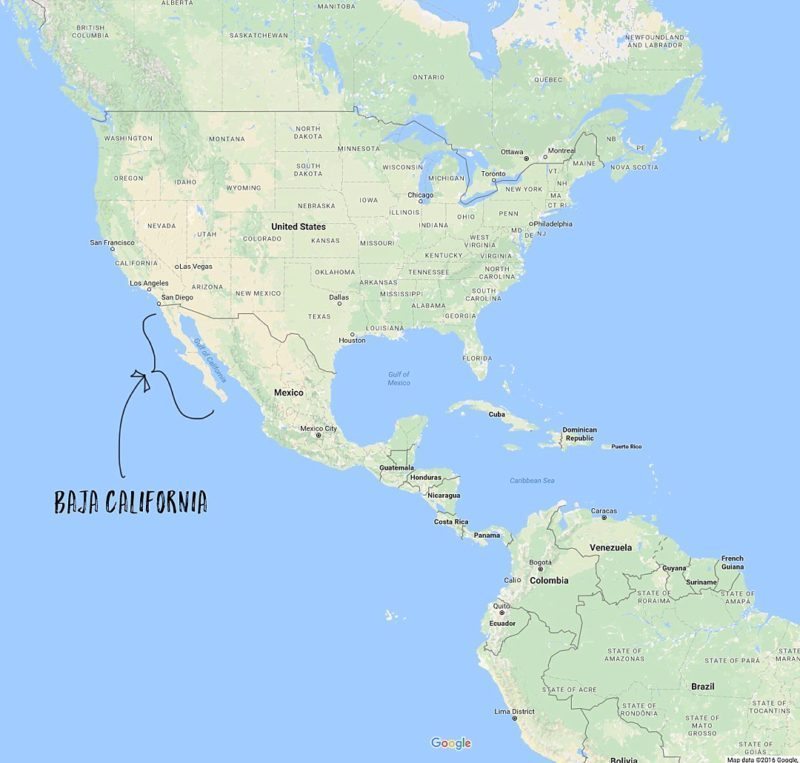
The question “Is Baja California part of the United States?” often arises due to its geographical proximity and the high volume of cross-border traffic. However, to set the record straight for any prospective traveler, Baja California is an integral part of Mexico, comprising two distinct states that offer an astonishing array of travel experiences. This peninsula, stretching over 750 miles south from the US border, is a world unto itself, celebrated for its diverse landscapes, vibrant culture, and unparalleled adventures, making it a premier destination for explorers from across the globe.
A Clear Distinction: Mexico’s Northwestern Gem
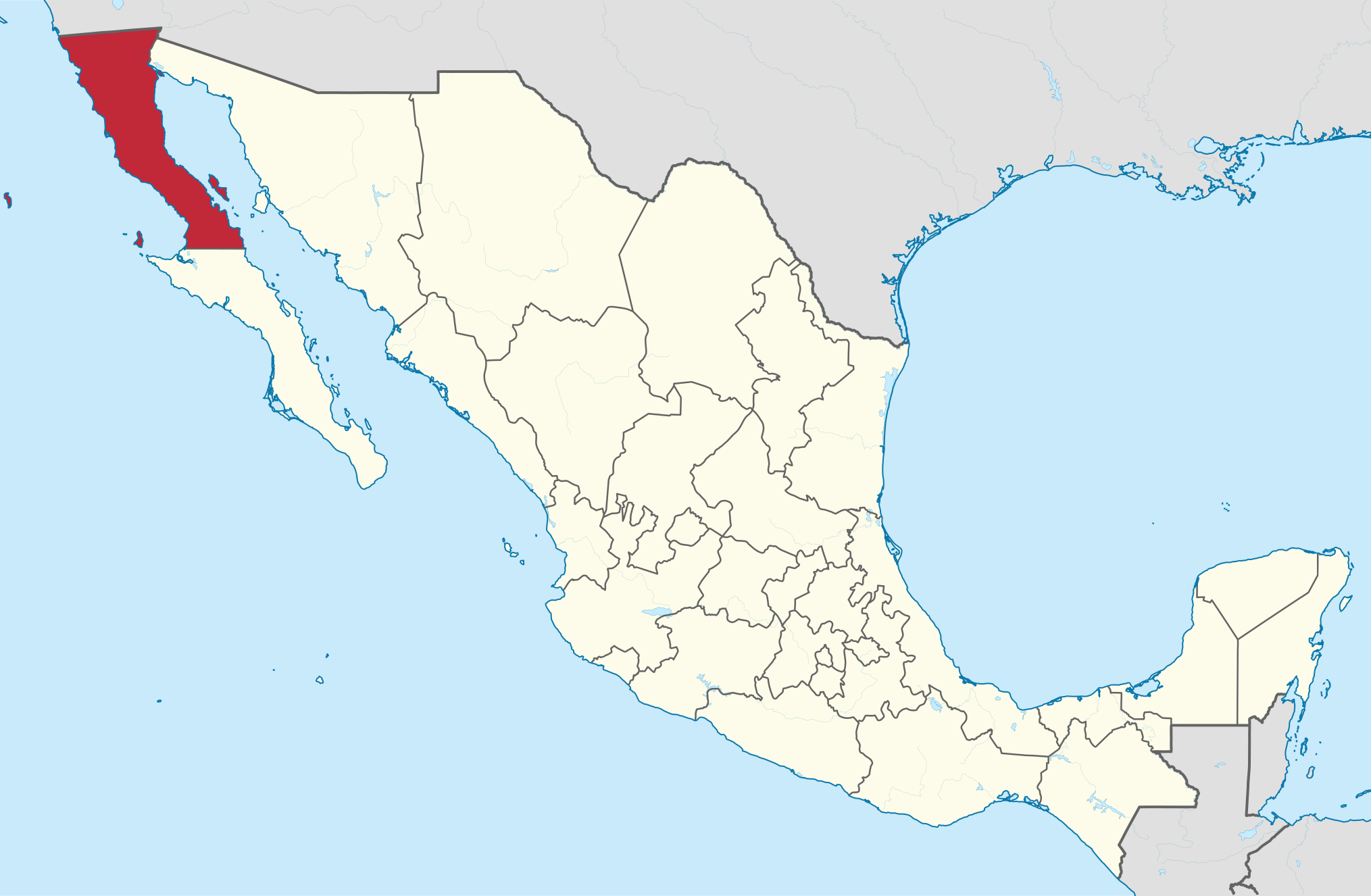
Baja California is not merely a geographic extension of California, USA; it is a vibrant, culturally rich region within Mexico. The peninsula is divided into two Mexican states: Baja California (the northern state) and Baja California Sur (the southern state). This distinction is crucial for travelers, as each state offers unique environments, attractions, and cultural nuances. The northern state, Baja California, borders the US state of California, making it easily accessible for many travelers looking for cross-border adventures. Its landscape ranges from arid deserts to fertile valleys and dramatic coastlines along both the Pacific Ocean and the Sea of Cortez. This rich tapestry of environments sets the stage for a diverse palette of travel opportunities, from world-class culinary experiences to extreme sports and serene natural retreats. Understanding its identity as a sovereign part of Mexico is the first step in appreciating the depth and authenticity of its travel offerings.
Gateway Cities and Cross-Border Appeal
The northern part of the Baja California peninsula serves as a primary entry point for travelers, offering bustling urban centers that blend Mexican charm with a touch of international flair. These cities are not just transit points but destinations in their own right, each with a distinct character.
Tijuana: The Bustling Border City
Tijuana is arguably the best-known border city in Mexico, directly adjacent to San Diego, California. Far from being merely a place to cross the border, Tijuana has blossomed into a vibrant cultural and gastronomic hub. Travelers are drawn to its innovative culinary scene, which includes award-winning restaurants, a burgeoning craft beer movement, and street food that rivals any major metropolis. The city’s arts district, Avenida Revolución, and numerous markets offer a glimpse into contemporary Mexican urban life, making it a lively destination for short trips and longer explorations alike. Its close proximity to the US also makes it a popular destination for medical and dental tourism, attracting visitors seeking high-quality, affordable healthcare.
Mexicali: The Capital with a Unique Blend
As the capital of the state of Baja California, Mexicali offers a different facet of the region. Located on the border with Calexico, California, Mexicali is set in a desert landscape, contrasting sharply with the coastal cities. It’s renowned for its significant Chinese heritage, which has profoundly influenced its cuisine, particularly its famous “Chino” style Mexican food. Travelers can explore the city’s historic center, vibrant nightlife, and experience a unique blend of cultures that defines this desert oasis. The Mexicali Valley is also an important agricultural region, offering insights into the economic backbone of the state.
Tecate: Relaxation and Brewing Heritage
Nestled in a more mountainous and serene setting east of Tijuana, Tecate is known for its tranquil atmosphere and for being the home of Tecate beer, one of Mexico’s most recognized brands. This smaller border town is a designated “Pueblo Mágico” (Magical Town), a testament to its cultural richness, historical significance, and natural beauty. Visitors come to Tecate for its relaxed pace, charming town square, and to experience the famed Rancho La Puerta spa, one of the oldest and most respected fitness resorts in North America. It offers a peaceful escape from the bustling city life and an opportunity to explore the local artisan scene.
Exploring the Northern Baja Landscape and Culture
Beyond its border cities, northern Baja California is a treasure trove of diverse landscapes and experiences, appealing to foodies, adventurers, and relaxation seekers alike.
Valle de Guadalupe: Mexico’s Wine Country
Perhaps the most surprising and increasingly popular destination in northern Baja California is Valle de Guadalupe. Just a short drive inland from Ensenada, this region has emerged as Mexico’s premier wine country, producing high-quality wines that are gaining international recognition. The valley is dotted with over a hundred wineries, ranging from large-scale operations to intimate boutique vineyards, many offering tastings and tours. Complementing the exquisite wines is a burgeoning gastronomic scene, with innovative farm-to-table restaurants that draw on local ingredients to create unforgettable dining experiences. Travelers can enjoy luxurious stays at boutique hotels integrated into vineyards, making for an idyllic escape.
Coastal Escapes: Rosarito and Ensenada
The Pacific coastline of northern Baja California is home to popular beach towns like Rosarito and Ensenada. Rosarito is famous for its lively beaches, vibrant nightlife, and water sports, attracting a younger crowd and families alike. It’s a great spot for weekend getaways, offering everything from horse riding on the beach to experiencing local seafood shacks. Further south, Ensenada is a major cruise ship port and a gateway to the region’s natural wonders. Visitors flock to see La Bufadora, one of the largest marine geysers in North America, and to explore the bustling fish market and waterfront. Ensenada also serves as a base for surfing enthusiasts, with numerous breaks along its coastline.
Natural Wonders and Adventure
Beyond its cities and vineyards, Baja California offers extensive opportunities for outdoor adventure. The diverse topography includes dramatic desert landscapes, rugged mountains, and hidden coves, perfect for hiking, caving, and exploring. The region is also famous for its role in off-road racing, hosting events like the iconic Baja 1000, which draws participants and spectators from around the world. While whale watching is more prominent in Baja California Sur, the northern coast marks the beginning of the migration path for gray whales, offering early season viewing opportunities.
The Allure of Baja California Sur: A Distinct Southern Journey
While the initial question focuses on Baja California, it’s important for travelers to understand that the peninsula extends far south into another distinct state: Baja California Sur. This southern state is a world-renowned destination, particularly celebrated for its pristine beaches, luxurious resorts, and unparalleled marine life.
Los Cabos: Luxury and Desert-Meets-Ocean
At the southern tip of the peninsula lies Los Cabos, an iconic travel destination encompassing the vibrant town of Cabo San Lucas and the more tranquil San Jose del Cabo. Cabo San Lucas is famous for its lively atmosphere, world-class nightlife, and the iconic El Arco rock formation. It’s a hub for marine activities, including sport fishing, snorkeling, diving, and boat tours. San Jose del Cabo, on the other hand, offers a more laid-back charm, with a historic art district, colonial architecture, and a flourishing culinary scene that highlights local flavors. Both towns are home to an impressive array of high-end resorts, championship golf courses, and spas, catering to luxury travelers and those seeking an indulgent escape.
La Paz and the Sea of Cortez: Ecotourism Hub
Moving north from Los Cabos along the Sea of Cortez, travelers encounter La Paz, the capital of Baja California Sur. Known as the “Peace City,” La Paz is a haven for ecotourism and marine adventure. Its calm waters are ideal for swimming with whale sharks (seasonal), sea lions around Espíritu Santo Island, and exploring the rich biodiversity of the Sea of Cortez, often referred to as “the world’s aquarium” by Jacques Cousteau. Kayaking, paddleboarding, and sailing are popular activities, allowing visitors to intimately connect with the stunning natural environment.
Enchanting Towns: Todos Santos and Loreto
Beyond the major hubs, Baja California Sur boasts charming towns like Todos Santos and Loreto, each offering unique experiences. Todos Santos, a “Pueblo Mágico” on the Pacific side, is a vibrant artist community known for its galleries, boutique shops, and excellent surfing beaches. Its bohemian vibe and stunning sunsets make it a favorite for those seeking a more artistic and relaxed getaway. Loreto, located on the Sea of Cortez, is steeped in history as the site of the first mission in the Californias. It offers a more tranquil experience, with access to beautiful islands, exceptional fishing, and opportunities to explore historic missions and archaeological sites.
Planning Your Baja Adventure
Embarking on a journey to Baja California and Baja California Sur promises a memorable experience. Thoughtful planning can enhance the adventure, ensuring a smooth and enjoyable trip through this extraordinary part of Mexico.
Border Crossings and Documentation
For US citizens, a valid passport is required for entry into Mexico and for returning to the United States. When traveling beyond the immediate border zone (typically 20-30 kilometers), a tourist permit, known as an FMM (Forma Migratoria Múltiple), is generally required. These can be obtained at border crossings or airports. If driving your own vehicle, Mexican auto insurance is mandatory and can be purchased online or at the border. It’s crucial to have all documentation in order to avoid any delays.
Transportation within Baja
Getting around the peninsula offers several options. Many travelers choose to drive, as the Trans-Peninsular Highway (Highway 1) runs the entire length of Baja California, offering spectacular scenic views. Car rentals are available at major airports and cities. For those who prefer not to drive, an extensive network of intercity buses connects most towns and cities, providing an affordable and comfortable way to travel. Major airports such as Tijuana International Airport (TIJ) in the north, and Los Cabos International Airport (SJD) and La Paz International Airport (LAP) in the south, offer domestic and international flights, making distant parts of the peninsula easily accessible.

Best Time to Visit
The best time to visit Baja California largely depends on the desired activities. The northern region experiences a Mediterranean climate, with warm, dry summers and mild winters, making spring and fall ideal for wine tasting in Valle de Guadalupe. The southern state, Baja California Sur, enjoys a desert climate, with hot summers and pleasantly warm winters. The peak season for Los Cabos is from November to May, offering perfect beach weather. Whale watching season, particularly for gray whales in the lagoons of Baja California Sur, typically runs from December to April, while whale sharks can be spotted near La Paz from October to March. Researching specific events or natural phenomena will help tailor your trip to the optimal time.
LifeOutOfTheBox is a participant in the Amazon Services LLC Associates Program, an affiliate advertising program designed to provide a means for sites to earn advertising fees by advertising and linking to Amazon.com. Amazon, the Amazon logo, AmazonSupply, and the AmazonSupply logo are trademarks of Amazon.com, Inc. or its affiliates. As an Amazon Associate we earn affiliate commissions from qualifying purchases.