
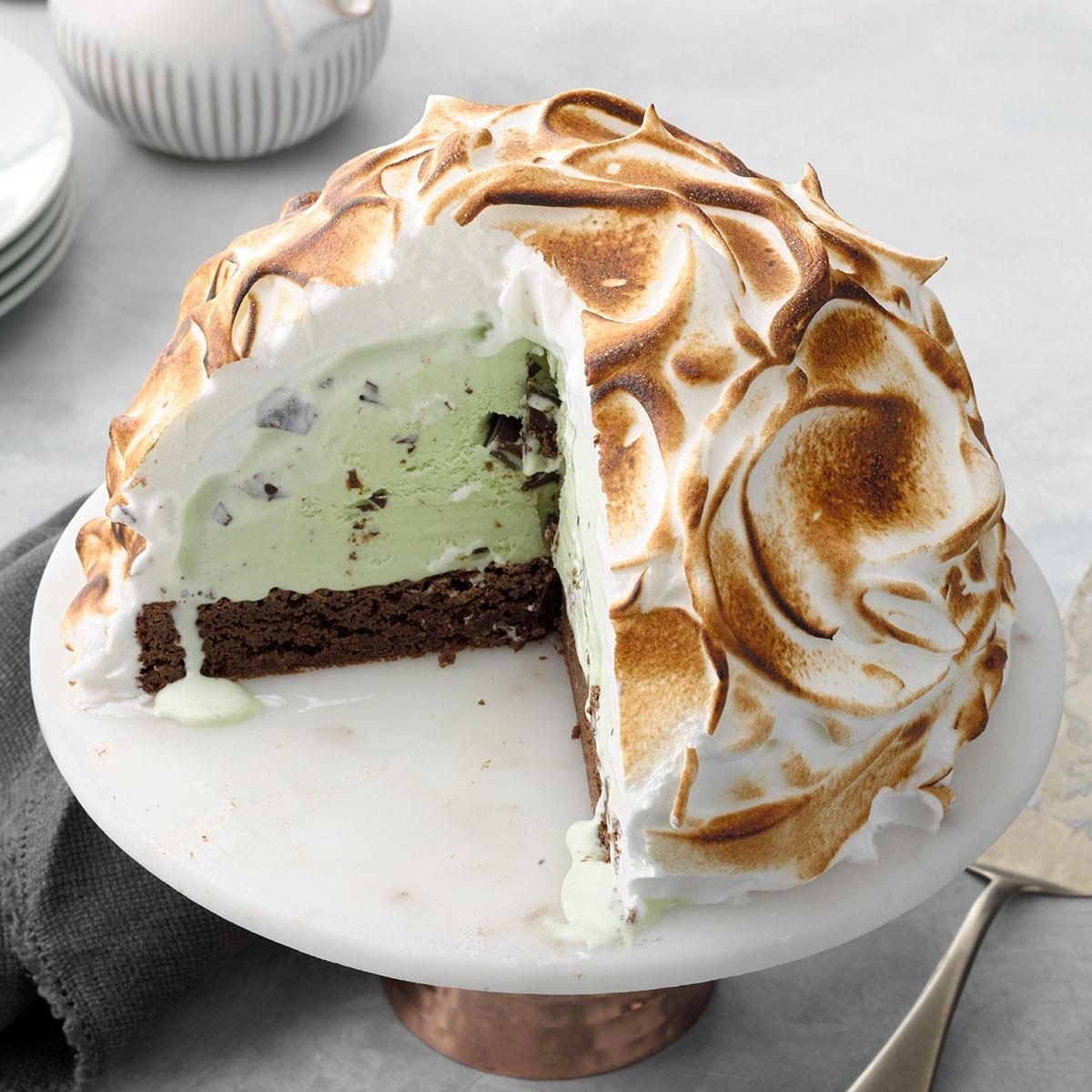
Baked Alaska, a dessert that marries the frosty delight of ice cream with the fiery embrace of toasted meringue, stands as a testament to culinary ingenuity and theatrical presentation. For the discerning traveler, encountering this iconic dish is often more than just a meal; it’s a memorable experience, a photo opportunity, and a dive into a rich gastronomic history. As tourists traverse the globe, immersing themselves in local cultures and cuisines, the question inevitably arises: how does such an indulgent treat fit into a balanced travel lifestyle? This article delves into the appeal and nutritional implications of Baked Alaska through the lens of tourism, offering insights for those who wish to savor every moment and every bite on their journey.
The Allure of Baked Alaska in Global Tourism
Baked Alaska is more than just a dessert; it’s a spectacle. Its dramatic presentation, often involving a flambé at the table, transforms a simple meal into an unforgettable event. This theatricality makes it a popular choice in fine dining establishments and cruise ships worldwide, turning an ordinary evening into a highlight of any travel itinerary. For many, experiencing Baked Alaska is a direct link to a bygone era of culinary grandeur, offering a taste of history alongside its sugary sweetness.
A Glimpse into its Culinary Genesis
The exact origins of Baked Alaska are debated, adding to its mystique. One prominent theory credits the chefs at Delmonico’s Restaurant in New York City with its creation in 1876. It was reportedly named to honor the recent acquisition of Alaska by the United States. The scientific principle behind it—the insulating properties of meringue protecting ice cream from heat—is what truly fascinates, turning a potential disaster into a triumph of temperature control. For tourists, tasting this dessert often means engaging with a piece of culinary history, understanding the innovation that went into its design. This historical context enriches the gastronomic experience, making it a cultural artifact as much as a sweet treat.
A Dessert with Global Footprint
While its name suggests a specific origin, Baked Alaska’s popularity has transcended borders. It is a coveted dessert found on menus from chic bistros in Paris to traditional pubs in London, and indeed across numerous cruise lines that traverse international waters. Its universal appeal lies in its combination of classic flavors and show-stopping presentation. Travelers might encounter variations incorporating local fruits, spirits, or ice cream flavors, reflecting the regional culinary landscape. This global presence makes it a fascinating item for culinary tourists to seek out and compare, observing how different cultures interpret and present this iconic dish. It’s a testament to its enduring charm that it remains a fixture in diverse dining scenes, appealing to both nostalgic diners and those seeking a novel experience.
The Experiential Value for Travelers
Beyond taste, Baked Alaska offers significant experiential value. For many tourists, a trip is as much about the memories created and stories collected as it is about the sights seen. A dramatic Baked Alaska presentation, complete with crackling flames and delighted gasps from fellow diners, provides precisely such a memory. It’s a shared moment of wonder, a conversation starter, and an Instagram-worthy highlight that embodies the joy and indulgence often associated with travel. This emotional and social aspect is crucial for understanding its “value” for tourists, often outweighing purely nutritional considerations in the moment. It’s not just food; it’s an event, deeply embedded in the broader narrative of a trip.
Decoding the Indulgence: A Traveler’s Nutritional Lens
While the allure of Baked Alaska is undeniable, a responsible traveler also considers the nutritional impact of their culinary choices, especially when indulging in rich desserts. Understanding the components of this classic treat helps in making informed decisions, allowing for enjoyment without derailing overall wellness goals during a trip.
The Components of a Culinary Masterpiece
At its core, Baked Alaska comprises three main elements: a base of sponge cake, a generous scoop of ice cream, and a blanket of stiff meringue. Each component contributes significantly to its caloric and macronutrient profile:
- Sponge Cake: Typically made with flour, sugar, eggs, and butter, it provides carbohydrates and some fat.
- Ice Cream: A rich source of dairy fats, sugars, and calories, often flavored with vanilla, chocolate, or fruit. The type of ice cream (e.g., full-fat vs. sorbet) can vary its profile.
- Meringue: Primarily made from egg whites and sugar, it is mostly carbohydrates in the form of sugar, with very little fat. While visually light and airy, the sugar content can be substantial.
Combined, these ingredients result in a dessert that is high in calories, sugar, and saturated fat. While delicious, it is undeniably an energy-dense item, far from what one might consider a “healthy” everyday food.
Calorie Considerations for the Curious Tourist
A single serving of Baked Alaska can range significantly in calories, depending on portion size and specific ingredients, but it generally falls between 400 and 800 calories. For a traveler exploring new destinations, who might already be enjoying richer foods and drinks, adding such a caloric dessert to the daily intake requires consideration. A typical adult’s daily calorie recommendation ranges from 1,800 to 3,000, depending on activity level. Consuming a Baked Alaska can easily account for a quarter to a third of one’s daily caloric needs, often with minimal fiber, vitamins, or minerals. This means that if one opts for this indulgent treat, other meals throughout the day may need to be adjusted to maintain a balanced intake and prevent excessive calorie consumption, which can lead to weight gain over a longer trip.
Mindful Consumption: Portion and Frequency
Given its rich profile, Baked Alaska is best approached as an occasional indulgence rather than a regular fixture in a travel diet. Mindful consumption involves:
- Portion Control: Many restaurants serve generous portions. Sharing a single serving among two or more people is an excellent strategy to savor the taste without overindulging.
- Frequency: Reserve Baked Alaska for truly special occasions during your trip—a celebratory dinner, a unique cultural experience, or a once-in-a-lifetime setting. Avoid having similar rich desserts every night.
- Awareness: Be conscious of the ingredients. Opting for versions with fruit-based ice cream or sorbet can slightly reduce fat content, though sugar will likely remain high.
By adopting a mindful approach, travelers can enjoy the unique pleasure of Baked Alaska without compromising their overall health and wellness goals, integrating it as a special part of their culinary journey rather than a dietary staple.
Navigating Culinary Delights Healthily While Traveling

Traveling offers an unparalleled opportunity to explore diverse culinary landscapes. While indulging in iconic dishes like Baked Alaska is part of the experience, a holistic approach to travel health ensures that enjoyment doesn’t come at the expense of well-being. Balancing decadent treats with healthier choices is key to maintaining energy levels and feeling good throughout your journey.
Embracing the “Taste Local” Philosophy Responsibly
The “when in Rome” philosophy is powerful, encouraging travelers to immerse themselves in local food culture. This means trying regional specialties, from street food to fine dining. Baked Alaska, with its historical roots and global presence, certainly qualifies as a culinary landmark. The key is to embrace this philosophy responsibly. This means distinguishing between an experience and a habit. Enjoying a local delicacy like Baked Alaska can be a cultural highlight, a one-off treat that enriches your understanding of a place. However, it’s essential to ensure that this indulgence is balanced by seeking out the healthier aspects of local cuisine, such as fresh produce, lean proteins, and whole grains that are often abundant in many cultures.
Counterbalancing with Active Exploration
One of the most effective ways to offset rich culinary indulgences is through active tourism. Travel often involves a significant amount of walking, whether exploring ancient ruins, navigating bustling city streets, or hiking scenic trails. This inherent activity provides an excellent opportunity to burn extra calories and maintain fitness.
- Walking Tours: Opt for walking tours instead of bus tours whenever possible.
- Sightseeing on Foot: Choose to walk between attractions.
- Nature Hikes: If your destination offers natural landscapes, embrace hiking, cycling, or swimming.
Even small increases in physical activity can make a difference. A few extra miles walked can help balance the caloric intake from a delicious dessert, ensuring you remain energized and healthy for further exploration.
Strategic Meal Planning Around Special Treats
Forethought in meal planning can significantly impact how a rich dessert like Baked Alaska fits into your travel diet. If you know you’ll be enjoying a decadent treat for dinner, consider lighter, healthier options for breakfast and lunch.
- Breakfast: Opt for fresh fruit, yogurt, whole-grain toast, or eggs. Avoid heavy, processed breakfast items.
- Lunch: Choose salads with lean protein, vegetable-rich soups, or sandwiches on whole-grain bread. Skip fried foods or overly creamy sauces.
- Dinner: If Baked Alaska is your chosen dessert, select a main course that is grilled or baked, with plenty of vegetables and a modest portion of protein. Avoid extra bread, heavy appetizers, or sugary drinks.
This strategic approach allows for the enjoyment of special foods without the guilt or negative health consequences, making indulgence a planned pleasure rather than an accidental overconsumption.
The Importance of Hydration and Local Fresh Produce
Beyond calorie counting, good nutrition while traveling involves adequate hydration and a focus on nutrient-dense foods.
- Hydration: Carry a reusable water bottle and refill it regularly. Staying hydrated supports metabolism, energy levels, and overall bodily functions, helping to mitigate the effects of richer foods.
- Fresh Produce: Explore local markets for fresh fruits and vegetables. Incorporate them into your snacks and meals. Many destinations offer an incredible array of vibrant, seasonal produce that is both delicious and packed with essential vitamins and fiber. This helps to counterbalance the nutrient sparsity of many desserts and processed foods.
By prioritizing hydration and fresh produce, travelers can build a resilient foundation for their health, making it easier to enjoy the occasional treat like Baked Alaska without long-term health setbacks.
The Holistic View: Health, Happiness, and Culinary Tourism
Ultimately, the question of whether Baked Alaska is “healthy” during travel isn’t a simple yes or no. It’s about perspective—a holistic view that encompasses physical well-being, mental satisfaction, and cultural immersion. Culinary tourism is a vital part of the travel experience, offering insights into a region’s history, people, and traditions.
Beyond Macros: The Joy of a Unique Experience
While nutritional facts are important, the emotional and cultural value of enjoying a unique dish like Baked Alaska should not be underestimated. Travel is often about collecting experiences, creating memories, and stepping outside one’s comfort zone. The joy derived from sharing a dramatic dessert with loved ones, celebrating a milestone, or simply savoring a moment of pure indulgence can contribute positively to mental well-being and overall travel satisfaction. These intangible benefits—the pleasure, the shared laughter, the sheer delight—are an integral part of the “health” of a travel experience. Restricting oneself too stringently can detract from the very essence of exploration and enjoyment that travel offers.
Sustainable Travel Habits for Culinary Explorers
For those who frequently engage in culinary tourism, developing sustainable eating habits is crucial. This means that while you might indulge in a Baked Alaska in one city, you might opt for a light, vegetable-rich meal in the next. It’s about building a pattern of balance over the entire duration of your travels, rather than focusing solely on isolated meals. Sustainable habits include:
- Prioritizing whole foods when not indulging.
- Staying active throughout your trip.
- Listening to your body’s hunger and fullness cues.
- Viewing treats as highlights, not defaults.
This long-term perspective ensures that culinary exploration remains a source of joy and enrichment, not a cause for concern about health.

Making Informed Choices on the Go
The power lies in making informed choices. Travelers armed with knowledge about what they are eating and how it fits into their broader lifestyle are better equipped to navigate the enticing world of culinary delights. It’s about empowerment—the ability to choose when to indulge, how much to indulge, and how to balance those indulgences with healthier options and physical activity. Whether it’s Baked Alaska or any other local delicacy, the conscious traveler knows that health is not just about avoiding “unhealthy” foods, but about embracing balance, mindfulness, and the sheer joy of discovery.
In conclusion, Baked Alaska is not a health food by any conventional measure. However, when viewed within the context of a well-rounded and active tourism experience, it can absolutely be a healthy choice for enjoyment and cultural immersion. Like any rich pleasure in life, its value is amplified when savored thoughtfully, balanced with other wholesome experiences, and appreciated for the unique memory it creates. So, next time you encounter this flaming marvel, feel free to indulge—mindfully, joyfully, and as part of your grand travel adventure.
LifeOutOfTheBox is a participant in the Amazon Services LLC Associates Program, an affiliate advertising program designed to provide a means for sites to earn advertising fees by advertising and linking to Amazon.com. Amazon, the Amazon logo, AmazonSupply, and the AmazonSupply logo are trademarks of Amazon.com, Inc. or its affiliates. As an Amazon Associate we earn affiliate commissions from qualifying purchases.