
California, a state renowned for its breathtaking natural beauty, offers an unparalleled array of outdoor adventures, from the sun-drenched beaches of the Pacific Coast to the towering peaks of the Sierra Nevada mountains. Millions of travelers flock here annually, drawn by the promise of pristine wilderness, iconic national parks, and a vibrant lifestyle that embraces the outdoors. Whether you’re planning a strenuous backpacking trip through the John Muir Trail, a family camping excursion in Yosemite National Park, or a serene cabin stay near Lake Tahoe, understanding how to safely navigate wildlife encounters is a crucial aspect of responsible tourism. Among the many considerations for wilderness safety, the legality and appropriate use of bear spray often surface as a significant concern for adventurers.
The idea of encountering a bear in the wild can be both thrilling and daunting. While bears are generally shy and avoid human contact, surprising one, especially a mother with cubs or a bear protecting a food source, can lead to dangerous situations. This is where bear spray, a non-lethal deterrent designed to incapacitate a charging bear, comes into play. But is this essential safety tool a legal companion for your Californian escapades? The answer, like many things related to legislation, is nuanced, requiring an understanding of both state laws and the specific regulations governing federal lands. Our comprehensive guide will delve into the legality, proper use, and crucial considerations for carrying bear spray, ensuring your California wilderness experiences are as safe as they are unforgettable.
Understanding Bear Spray: What It Is and Why It Matters for Travelers
Before delving into the legal intricacies, it’s essential to understand what bear spray is, how it differs from other deterrents, and why it holds a critical place in the safety toolkit of responsible outdoor enthusiasts. As travelers explore California’s diverse landscapes, from the redwood forests of the north to the deserts of the south, they are likely to find themselves in habitats shared with various wildlife, including black bears, and in rare instances, even grizzly bears (though grizzlies are no longer found in the state, they are common in other parts of the United States and understanding the distinction is important for general wilderness knowledge).
The Importance of Wildlife Safety in California’s Wilderness
California’s vast wilderness areas are home to a thriving population of black bears, particularly in regions like the Sierra Nevada, Klamath Mountains, and coastal ranges. These animals are an integral part of the ecosystem, and observing them from a safe distance can be a highlight of any trip. However, human-wildlife conflicts, though rare, can occur. Such encounters underscore the paramount importance of being prepared, especially when backpacking, camping, or hiking in remote areas. The primary goal of any wildlife encounter strategy is to avoid conflict, but having a reliable, non-lethal deterrent like bear spray provides a vital last line of defense. This proactive approach to safety allows visitors to enjoy the natural beauty without undue anxiety, fostering a sense of peace and security during their travels. It’s about respecting the environment and its inhabitants while also ensuring personal well-being.
Dispelling Myths: Bear Spray vs. Pepper Spray
A common misconception among the public is that bear spray is merely a larger version of personal pepper spray designed for human self-defense. While both products utilize oleoresin capsicum (OC) — a natural extract from chili peppers — there are critical differences in their formulation, concentration, and spray pattern that make them distinct and purposeful tools. Bear spray is specifically engineered for use against bears, featuring a higher volume of spray, a broader dispersion pattern (a cloud rather than a stream), and a longer range, typically reaching up to 30 feet. This design allows for a wider margin of error in a high-stress situation and maximizes the chance of deterring a charging bear effectively. The OC concentration in bear spray is also meticulously regulated (typically between 1% and 2% capsaicin and related capsaicinoids) to ensure it is potent enough to repel a bear without causing permanent harm.
In contrast, personal pepper spray for human self-defense often has a more concentrated, narrower stream, and a higher OC percentage, which, while effective against humans, is not suitable for bears due to their larger size, thicker fur, and different physiological response. Attempting to use personal pepper spray on a bear could be ineffective and potentially exacerbate an already dangerous situation. Therefore, understanding this distinction is crucial for anyone considering carrying a deterrent in bear country. Travelers must ensure they acquire and carry only genuine, EPA-approved bear spray, clearly labeled for use against bears, not general-purpose pepper spray. This distinction is not just about effectiveness; it often plays a role in the legality of the product in certain jurisdictions.
Navigating the Legal Landscape: Bear Spray Laws in California
Understanding the legality of bear spray in California involves navigating both state-specific regulations and the rules set by various federal agencies that manage vast tracts of wilderness. The good news for responsible adventurers is that, generally speaking, bear spray is legal to possess and use in California for self-defense against an attacking animal. However, this legality comes with specific caveats regarding product specifications and the locations where it can be deployed.
State Regulations on Possession and Use
Under California law, the possession and use of “aerosol tear gas,” which includes bear spray, is regulated. The key legislation that applies to bear spray is found in the California Penal Code sections concerning tear gas and pepper spray. For an individual to legally possess and use bear spray, it must meet certain criteria:
- Purpose: It must be used for self-defense against an attacking animal. Using it against a human is generally illegal and can lead to severe penalties, as it would be considered assault with a chemical agent, unless in extreme self-defense scenarios typically involving a direct threat to human life.
- Container Size: The container must not exceed 2.5 ounces (70 grams) net weight of the chemical agent. This is a crucial detail, as many commercially available bear sprays exceed this limit, especially the larger cans designed for maximum deterrent effect. This specific limitation is a significant point of difference compared to other states where larger canisters are freely permitted.
- Labeling: The product must be clearly labeled as “bear spray” and indicate its purpose and contents. It must also contain a warning about potential misuse.
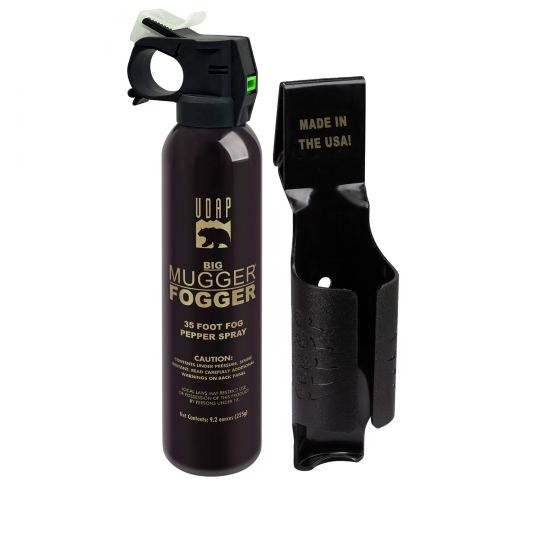
Given the 2.5-ounce limit, many popular brands of bear spray, such as those made by Counter Assault or Frontiersman, often come in 7.9-ounce (225g) or 9.2-ounce (260g) canisters, which exceed California’s legal limit for possession by civilians. This means that while bear spray is legal in concept, finding a product that complies with the state’s size restrictions can be challenging. Some manufacturers do produce smaller, California-compliant bear sprays, but travelers must actively seek these out. Always check the net weight on the canister before purchasing and carrying it within the state.
Federal Lands and National Parks: Specific Rules
While California state law sets the general framework, federal lands, which comprise a significant portion of the state’s wilderness areas, often have their own specific regulations regarding bear spray. The good news is that, unlike many state-managed parks and lands that might have stricter bans, most federal agencies permit the use and possession of bear spray.
- National Parks: The National Park Service explicitly allows bear spray in all California national parks, including popular destinations like Yosemite National Park, Sequoia National Park, Kings Canyon National Park, and Lassen Volcanic National Park. They even encourage its use as an effective deterrent, recommending it as part of a comprehensive bear safety strategy. However, visitors must still adhere to the California state limit on canister size (2.5 ounces), as state law applies concurrently on federal lands, unless specifically superseded by federal regulation which is not the case for bear spray size.
- National Forests: Similarly, the USDA Forest Service generally allows bear spray in National Forests across California, such as the Tahoe National Forest, Los Padres National Forest, and Shasta-Trinity National Forest. Again, the state’s 2.5-ounce limit is typically the binding regulation for personal possession.
- Bureau of Land Management (BLM) Lands: Bureau of Land Management lands also generally permit bear spray, with the same state-imposed size restrictions.
It is always prudent for travelers to check the specific regulations of any park, forest, or wilderness area they plan to visit before their trip, as local rules can sometimes add further restrictions. While federal agencies often encourage bear spray, the overarching California state law on canister size remains a critical factor for personal possession within the state’s borders, regardless of whether you are on state or federal land.
Quantity and Concentration Limits
As highlighted, the most significant legal hurdle for bear spray in California is the 2.5-ounce (70 gram) net weight limit for the chemical agent. This restriction is often surprising to out-of-state visitors accustomed to carrying larger canisters more common in places like Montana or Wyoming, where grizzly bears are prevalent and larger deterrents are standard. This means that if you bring bear spray from out of state, it is highly likely to be illegal in California if it exceeds this weight. The concentration of oleoresin capsicum (OC) is also generally regulated to be within specific ranges (typically 1-2%), ensuring effectiveness without causing permanent injury, which is standard for EPA-approved bear sprays regardless of size. When purchasing bear spray in California, ensure that the product explicitly states compliance with California state laws regarding net weight. Ignoring these limits can lead to confiscation of the product and potentially legal repercussions.
Responsible Use and Practical Advice for California Adventures

Beyond understanding the legality, effective and responsible use of bear spray is paramount. Carrying it is only half the battle; knowing when and how to deploy it correctly can mean the difference between a safe resolution and a dangerous encounter. Integrating bear spray into a broader strategy of wildlife awareness and preparedness is crucial for any traveler venturing into California’s natural habitats.
When and How to Deploy Bear Spray Safely
Bear spray is a last-resort deterrent, meant for situations where a bear is aggressively approaching or charging you. It is not for casual use on curious or distant bears. Here’s a quick guide to safe deployment:
- Accessibility: Carry your bear spray in an easily accessible holster on your hip or chest, not buried in your backpack. In a sudden encounter, you’ll only have seconds to react.
- Awareness: Be alert to your surroundings. Make noise while hiking, especially in areas with dense vegetation, to avoid surprising a bear. Look for signs of bear activity like scat, tracks, or overturned rocks.
- Identify and Deter: If you encounter a bear, first try to identify yourself by talking calmly and waving your arms slowly. Make yourself look as large as possible. If the bear continues to approach, do NOT run. This can trigger a chase response.
- Ready the Spray: Remove the safety clip from your bear spray only when you perceive an immediate threat.
- Aim and Spray: When the bear is within 15-30 feet (depending on your spray’s range), aim slightly down and in front of the charging bear, creating a cloud barrier they will run into. Spray in short bursts until the bear diverts its charge.
- Escape: Once the bear retreats or changes direction, leave the area quickly but calmly, making noise as you go.
Training with an inert practice canister is highly recommended to familiarize yourself with the deployment mechanism and spray pattern. Many outdoor retailers offer courses or workshops on bear safety and spray use.
Beyond Bear Spray: Comprehensive Wildlife Safety Strategies
While bear spray is an excellent tool, it’s just one component of a holistic bear safety strategy. Responsible travelers heading to California’s wilderness should also practice these essential habits:
- Proper Food Storage: Bears are highly attracted to human food. Always store food, scented items (toothpaste, sunscreen), and trash in bear-resistant containers, lockers, or hung from a tree using bear bag techniques. Never leave food unattended, even for a moment. This is particularly important in popular national parks and forests.
- Make Noise: When hiking, especially in areas with limited visibility, talk loudly, sing, or wear a bear bell to alert bears to your presence and avoid surprising them.
- Travel in Groups: Hiking in groups makes more noise and presents a larger, more intimidating presence to bears.
- Observe from a Distance: Never approach, feed, or habituate wildlife. Use binoculars to observe animals.
- Leash Your Dogs: Pets can agitate or provoke bears, leading to dangerous encounters. Always keep dogs on a leash in bear country.
- Know Bear Behavior: Understand the difference between defensive behaviors (e.g., bluff charges by a sow protecting cubs) and predatory behaviors. Most black bear encounters involve defensive reactions; giving them space and knowing when to use spray is key.
- Pack It In, Pack It Out: Leave no trace. Proper disposal of all waste, including food scraps, helps prevent bears from becoming habituated to human food.
These strategies, combined with the readiness of bear spray, significantly reduce the risk of negative wildlife encounters and enhance the overall safety of your outdoor experience.
Where to Purchase and Proper Storage
Due to California’s strict 2.5-ounce net weight limit, purchasing compliant bear spray can be challenging for visitors. It is best to purchase bear spray within California from reputable outdoor retailers who specifically stock California-compliant sizes. Attempting to bring a larger canister from out of state may result in confiscation or fines. When making a purchase, always verify the net weight stated on the canister to ensure it is 2.5 ounces (70 grams) or less.
Proper storage is also vital:
- Temperature: Store bear spray at moderate temperatures. Extreme heat (like inside a hot car) can cause the canister to burst, while extreme cold can reduce its effectiveness.
- Expiration Date: Bear spray has an expiration date, typically around 3-4 years. Always check this and replace expired canisters to ensure maximum potency.
- Accessibility: As mentioned, carry it in an easily accessible holster while in bear country. When not in use, store it securely but away from direct sunlight or extreme temperatures.
Exploring California’s Bear Country: Destinations and Precautions
California’s allure lies in its vast and varied landscapes, many of which overlap with prime bear habitat. Understanding where bears are prevalent helps travelers better prepare and appreciate the unique environments they’re visiting.
Iconic Parks and Forests Where Bears Roam
From the ancient groves of the north to the rugged mountains in the south, bears are an intrinsic part of California’s wild heart. Some of the most popular destinations where you’re likely to encounter bears or signs of their presence include:
- Yosemite National Park: World-famous for its granite cliffs and waterfalls, Yosemite has a significant black bear population. Bear sightings are common in Yosemite Valley and other popular areas, especially at dawn and dusk. The park has extensive bear management programs and requires strict adherence to food storage regulations.
- Sequoia National Park and Kings Canyon National Park: These adjacent parks, home to giant sequoia trees, are also prime bear habitat in the Sierra Nevada. Backcountry hikers and campers here must be particularly vigilant with food storage.
- The Lake Tahoe Basin: Straddling the California-Nevada border, this stunning alpine lake region, including areas like South Lake Tahoe and the surrounding Tahoe National Forest, is known for its active bear population, particularly those habituated to human food sources in residential areas and campgrounds.
- Mammoth Lakes and the Eastern Sierra: This outdoor recreation hub is another hotspot for bear activity, especially during the fall when bears are foraging intensely before winter hibernation.
- Big Bear Lake in the San Bernardino Mountains: A popular destination for Southern Californians, this area also has a healthy black bear population.
- Trinity Alps Wilderness: Located in Northern California, this rugged and remote wilderness offers incredible backpacking but requires heightened bear awareness.
Preparing for Your California Wilderness Trip
A successful and safe wilderness trip in California involves meticulous planning. For those venturing into bear country, this preparation takes on added significance:
- Research Your Destination: Before you go, research the specific park or forest you’ll be visiting. Check their official websites for current bear activity alerts, food storage requirements, and any specific regulations regarding bear spray or other safety gear.
- Gear Check: Ensure your bear spray is California-compliant (2.5 ounces or less), unexpired, and easily accessible. Pack appropriate food storage solutions, whether it’s a bear canister for the backcountry or a cooler with a locking mechanism for car camping.
- Inform Others: Let someone know your itinerary, including your planned route and expected return time.
- First Aid and Navigation: Always carry a well-stocked first aid kit and reliable navigation tools (map, compass, GPS device) and know how to use them.
- Physical Fitness: Ensure you are physically prepared for your chosen activity. Fatigue can lead to carelessness and reduce your ability to react effectively in an emergency.
- Educate Your Group: If traveling with others, ensure everyone understands bear safety protocols, including how to react during an encounter and the proper use of bear spray.
By taking these preparatory steps, travelers not only enhance their own safety but also contribute to the well-being of California’s precious wildlife, ensuring these stunning natural spaces remain vibrant for generations to come.
Staying Safe While Enjoying California’s Natural Beauty
The wild heart of California offers unparalleled beauty and adventure, drawing countless visitors each year to its majestic national parks, expansive forests, and serene wilderness areas. While the idea of encountering wildlife, particularly bears, can add an element of apprehension for some, it doesn’t have to overshadow the immense joy and wonder that these landscapes provide. With proper knowledge, preparation, and adherence to safety guidelines, travelers can confidently explore the Golden State’s natural treasures.
The question “Is bear spray legal in California?” is a critical one for anyone planning to venture into bear country. The answer, while affirmative, comes with the significant caveat of the 2.5-ounce (70 gram) net weight limit for the chemical agent, a regulation that sets California apart from many other states. This detail underscores the importance of local knowledge and responsible purchasing practices. By securing a California-compliant canister of bear spray and integrating its use into a broader strategy of bear awareness and prevention, you equip yourself with an effective last line of defense.
More broadly, responsible tourism in California’s wilderness goes beyond carrying the right deterrent. It encompasses respecting wildlife through proper food storage, minimizing human-wildlife conflicts by making noise on trails, and educating oneself about the local ecosystem. These practices not only safeguard human visitors but also protect the bears and other animals that call these habitats home, preventing habituation and maintaining their wild nature.
As you plan your next adventure to Yosemite, Sequoia, or any of California’s magnificent wild spaces, remember that preparedness is the cornerstone of a fulfilling and safe experience. By understanding the laws surrounding bear spray, practicing diligent wildlife safety, and approaching the wilderness with respect and awareness, you ensure that your memories of California’s unparalleled natural beauty are filled with awe and wonder, free from preventable incidents. Enjoy the journey, stay safe, and cherish every moment spent in the Golden State’s incredible outdoors.