
Navigating the sun-drenched waters of Florida is a quintessential experience for many, from the sprawling coastlines of the Florida Keys to the tranquil rivers and lakes inland. Whether you own a sleek speedboat, a sturdy fishing vessel, or a majestic yacht, understanding the legal and practical aspects of boat ownership is paramount. Among the most common questions for boaters in the Sunshine State is the necessity of insurance. While the idyllic image of sailing under clear blue skies might overshadow such practical concerns, being informed about boat insurance requirements in Florida is crucial for a safe and compliant boating adventure.

Understanding Florida’s Boat Insurance Mandates
The straightforward answer to whether boat insurance is required in Florida is nuanced. Unlike automotive insurance, Florida law does not mandate that all boat owners carry liability insurance for their vessels. However, this lack of a statewide mandate does not negate the importance of securing adequate coverage. There are specific circumstances and considerations that effectively make boat insurance a practical necessity, and in some situations, legally required.
The Absence of a Universal Mandate
For most recreational boat owners in Florida, there is no statutory obligation to carry insurance. This means that if you own a small fishing boat or a personal watercraft and plan to operate it solely on your own terms, you might technically be able to do so without a formal insurance policy. This is a significant point of divergence from the compulsory nature of auto insurance, leading some to believe that insurance is an optional add-on rather than a fundamental aspect of responsible boating. However, this perspective overlooks several critical factors that can transform an “optional” coverage into a de facto requirement.
When Insurance Becomes Non-Negotiable
While not universally mandated, several scenarios necessitate boat insurance in Florida. These often arise when external financial obligations or specific operational contexts come into play.
Financed Vessels
If you financed the purchase of your boat, your lender will almost certainly require you to maintain comprehensive and collision insurance. This is a standard practice across all financed assets, from homes to vehicles. The lender has a financial stake in the vessel and needs to protect their investment against damage or loss. Failure to secure the required insurance can lead to a breach of your loan agreement, potentially resulting in penalties or even repossession of the boat. Therefore, for a substantial portion of boat owners in Florida, insurance is a condition of ownership itself.
Dockage and Marina Requirements
Many marinas and boatyards across Florida, from the bustling docks of Miami to the serene anchorages near St. Augustine, have their own insurance policies in place. To protect their property and other boaters from potential liabilities, they typically require any vessels kept on their premises to carry a minimum amount of liability insurance. This policy is designed to cover damages your boat might cause to the marina’s infrastructure or other boats docked nearby. Ignoring these stipulations can mean being denied dockage or being asked to leave the facility.
Chartering and Rental Operations
If you intend to use your boat for commercial purposes, such as chartering or offering it for rent, Florida law will likely mandate specific insurance coverage. These operations inherently carry higher risks due to the presence of passengers and the increased frequency of use. Insurers offer specialized commercial policies that cover liabilities associated with carrying passengers, damage to the vessel during charters, and other business-related risks. Operating such a business without the appropriate insurance can lead to severe legal and financial repercussions.
Specific Vessel Types and Hull Values
While not a statewide law, some insurers or specialized marine facilities might impose insurance requirements based on the value or type of vessel. For instance, high-performance speedboats or large luxury yachts, due to their inherent risks and significant value, may be subject to specific insurance mandates by repair yards or service providers who handle these expensive assets.
Types of Boat Insurance Coverage in Florida
Even though a universal mandate might be absent, understanding the types of coverage available and their benefits is essential for any Florida boater. A comprehensive policy can provide peace of mind and financial protection against a myriad of potential issues.
Hull Coverage
This type of insurance covers physical damage to your boat itself. It protects against losses resulting from various perils such as collisions, grounding, vandalism, fire, storms (including hurricanes, a significant concern in Florida), and other covered incidents. Hull coverage is typically offered in two forms:
- Actual Cash Value (ACV): This pays the market value of your boat at the time of the loss, taking into account depreciation.
- Agreed Value: This means you and your insurance provider agree on the value of your boat before the policy is issued. This offers a more predictable payout in case of a total loss.
Liability Coverage
This is arguably the most critical component of boat insurance, especially given the lack of a universal legal requirement. Liability coverage protects you financially if your boat causes injury to another person or damage to their property. This can include:
- Bodily Injury Liability: Covers medical expenses, lost wages, and legal costs if someone is injured by your boat.
- Property Damage Liability: Covers the cost of repairing or replacing property damaged by your boat, such as another vessel, a dock, or a bridge.
Given the potential for serious accidents on the water, especially in busy areas like the Florida Intracoastal Waterway or near popular boating destinations like Clearwater Beach, robust liability coverage is highly recommended.
Uninsured/Underinsured Boater Coverage

Similar to its automotive counterpart, this coverage protects you if you are involved in an accident with a boater who has no insurance or insufficient insurance to cover the damages. This can be particularly valuable in Florida, where many smaller boats operate without formal insurance.
Personal Property Coverage
This covers personal items kept on your boat, such as fishing gear, electronics, water skis, and other equipment, against theft or damage.
Medical Payments Coverage
This coverage pays for medical expenses for you and your passengers if injured in a boating accident, regardless of who is at fault.
Towing and Assistance
Many policies offer coverage for towing your disabled boat back to shore or for other emergency assistance needs.
Factors Influencing Boat Insurance Costs in Florida
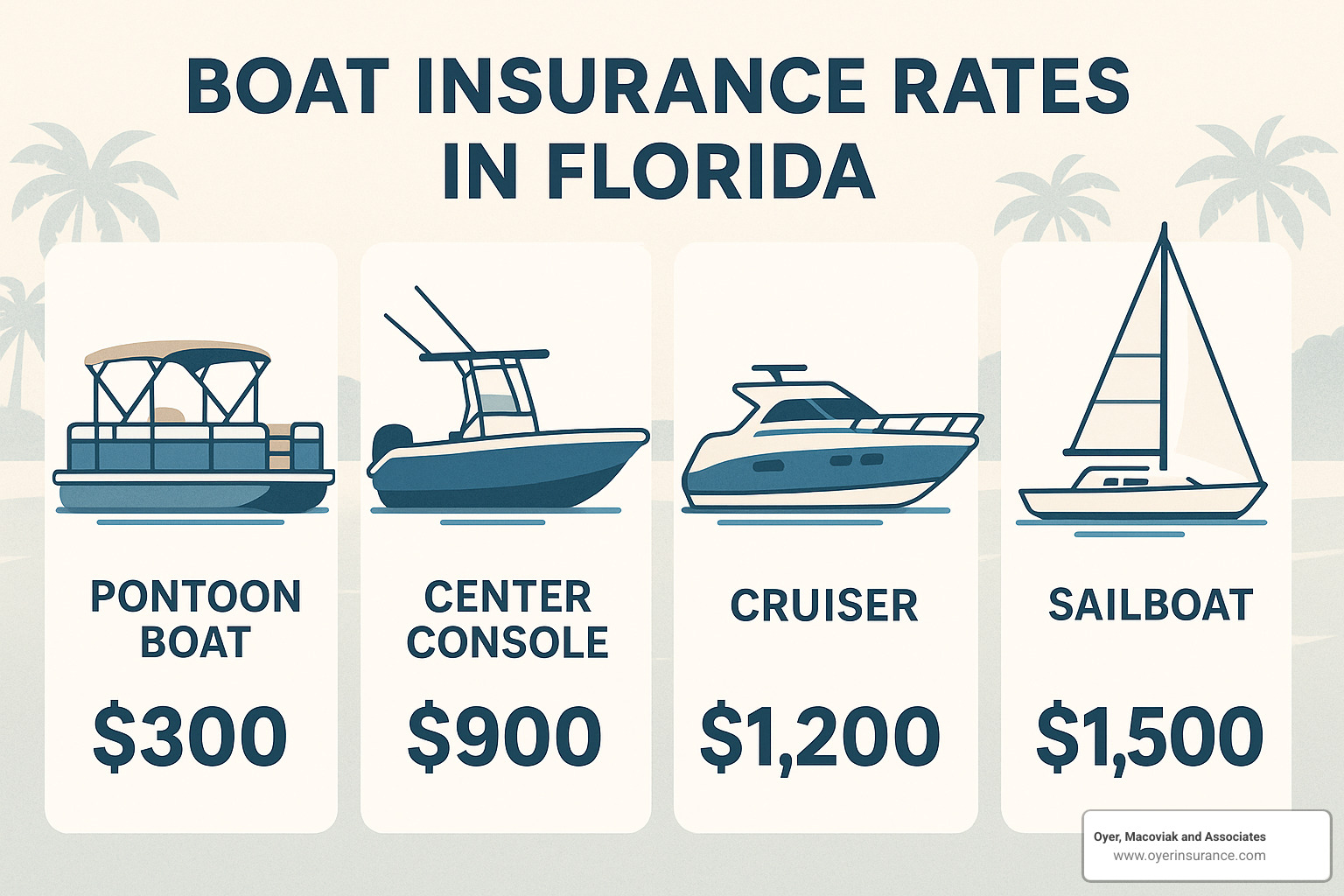
The premium you pay for boat insurance in Florida is determined by a variety of factors, reflecting the unique risks associated with boating in the region and the specifics of your vessel and operation.
Vessel Characteristics
- Type and Size: Larger, faster, or more complex boats generally incur higher premiums than smaller, slower ones.
- Age and Condition: Older boats may require more extensive maintenance and could be more prone to issues, potentially increasing costs.
- Hull Material: Certain materials might be perceived as higher risk by insurers.
- Engine Type and Horsepower: More powerful engines often lead to higher premiums due to increased speed capabilities and potential for misuse.
Usage and Operation
- Primary Use: Recreational use typically costs less than commercial operations.
- Navigation Area: Boats used in coastal waters, especially in hurricane-prone areas like Florida, may have higher premiums than those used exclusively on inland lakes. The proximity to sensitive marine environments like the Everglades National Park can also play a role in risk assessment.
- Storage: Where the boat is stored (e.g., on a trailer, in a marina, in a dry stack) can influence premiums.
- Boating Experience: The captain’s experience and safety record can be a factor.
Coverage Details
- Coverage Limits: Higher liability limits and agreed values for hull coverage will increase the premium.
- Deductibles: Choosing a higher deductible will typically lower your premium, but means you pay more out-of-pocket in the event of a claim.
Location and Environmental Factors
- Florida’s Coastal Exposure: Florida is susceptible to hurricanes and tropical storms, which significantly impacts insurance rates, especially for hull coverage. Coastal areas are often subject to higher premiums than inland regions.
- Waterways and Traffic: Busy boating areas or waterways known for higher accident rates might also influence costs.
Making an Informed Decision About Boat Insurance
While Florida law may not compel every boater to carry insurance, the financial and legal ramifications of not having adequate coverage can be substantial. The decision to insure your vessel should be based on a thorough assessment of your personal risk tolerance, financial situation, and the specific circumstances of your boat ownership and usage.
Assessing Your Risk
Consider the potential costs of an accident. If your boat causes injury to another person, the medical bills and legal fees could run into hundreds of thousands of dollars. If your boat damages a multi-million dollar yacht or a marina dock, you could face a crippling financial burden. Even minor incidents can result in significant repair costs for your own vessel.
Protecting Your Investment and Others
Boat insurance is not just about fulfilling a legal obligation; it’s about protecting your financial investment in your boat and, more importantly, protecting yourself and others from the financial devastation that can result from a boating accident. It provides a safety net that allows you to enjoy the waters of Florida with greater confidence and peace of mind.
Seeking Professional Advice
Navigating the world of boat insurance can be complex. It is highly recommended to consult with an experienced insurance agent who specializes in marine insurance. They can help you understand your options, assess your specific needs, and find a policy that offers the right balance of coverage and cost for your situation. They can also advise on specific Florida regulations and insurance market trends.
In conclusion, while Florida may not have a blanket requirement for boat insurance, responsible boating and financial prudence strongly advocate for obtaining comprehensive coverage. From protecting your financed vessel and meeting marina requirements to safeguarding yourself against potential liabilities, boat insurance is an indispensable tool for any boater seeking to navigate the beautiful waters of Florida safely and securely.
LifeOutOfTheBox is a participant in the Amazon Services LLC Associates Program, an affiliate advertising program designed to provide a means for sites to earn advertising fees by advertising and linking to Amazon.com. Amazon, the Amazon logo, AmazonSupply, and the AmazonSupply logo are trademarks of Amazon.com, Inc. or its affiliates. As an Amazon Associate we earn affiliate commissions from qualifying purchases.