
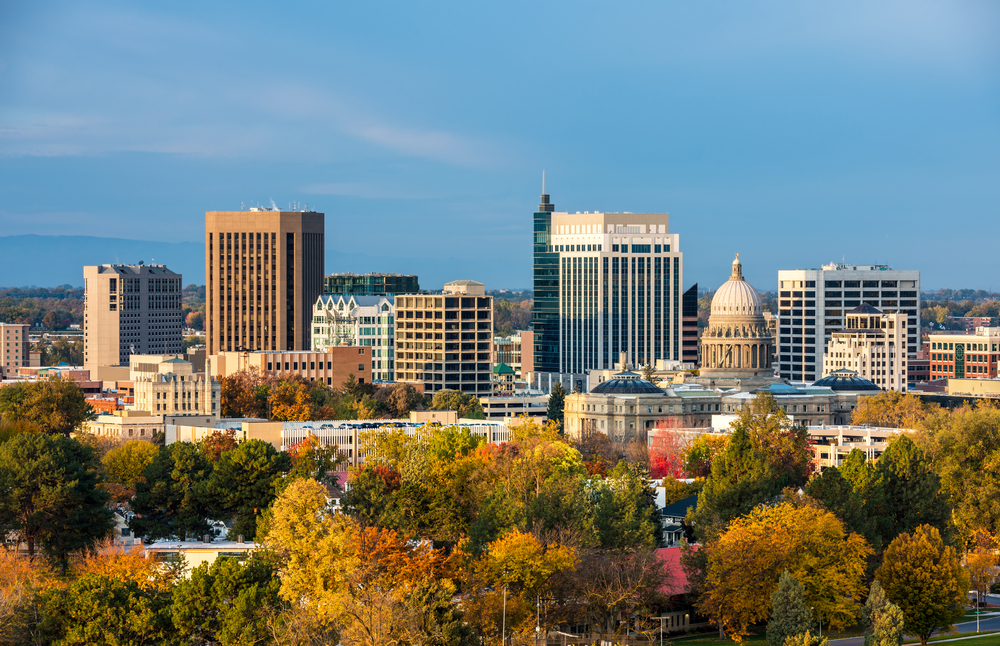
In recent years, Boise has transitioned from a quiet regional secret into one of the most talked-about cities in the United States. Located in the heart of Idaho and serving as the anchor of the Treasure Valley, this mid-sized metropolis has consistently ranked high on “Best Places to Live” lists. For many considering a move to the Pacific Northwest, the question is no longer where the city is located, but rather what the day-to-day lifestyle actually entails. Living in Boise offers a unique intersection of urban convenience and rugged wilderness, all framed by a community-centric culture that prioritizes work-life balance.
The Economic Climate and Career Opportunities
The lifestyle of any city is inextricably linked to its economic health. For decades, Boise was primarily known as an agricultural and governmental hub. However, the last twenty years have seen a massive diversification of the local economy, attracting a workforce that spans technology, healthcare, and retail.
Industry Growth and Major Employers
The city has earned the nickname “Silicon Forest” due to the presence of major tech players. Micron Technology, a global leader in semiconductor manufacturing, is headquartered here and remains one of the largest private employers in the state. Similarly, the long-standing presence of Hewlett-Packard has fostered a robust ecosystem of tech startups and engineering firms.
Beyond technology, the healthcare sector is a primary pillar of the Boise lifestyle. St Lukes Health System and Saint Alphonsus Health System provide thousands of jobs and ensure that residents have access to top-tier medical care without traveling to larger hubs like Seattle or Salt Lake City. Additionally, the corporate headquarters of Albertsons, one of the largest grocery chains in North America, provides a stable base for professionals in logistics, marketing, and management.
Cost of Living Trends and Housing
One cannot discuss the lifestyle in Boise without addressing the shifting cost of living. Historically, the city was celebrated for its extreme affordability. While it remains more accessible than coastal cities in California, Oregon, or Washington, the influx of new residents has driven up home prices and rental rates.
The lifestyle here now requires a more strategic financial approach than it did a decade ago. However, many residents find that they get more for their money in terms of square footage, lot size, and proximity to nature. The surrounding suburbs, such as Meridian, Eagle, and Nampa, offer a range of lifestyle options, from modern planned communities to more rural, equestrian-focused properties.
Family Life, Education, and Safety
For those prioritizing family, Boise is often cited as a premier destination. The city’s infrastructure is designed with a “human scale” in mind, meaning that parks, schools, and essential services are rarely more than a short drive or bike ride away.
Educational Standards and Academic Institutions
The quality of education is a significant draw for families. The Boise School District and the West Ada School District consistently report graduation rates and test scores that exceed national averages. There is also a strong emphasis on alternative education, including magnet schools focused on the arts and sciences.
For higher education, Boise State University is the heartbeat of the city. While it is famous for its blue turf at Albertsons Stadium, its impact on the lifestyle is far more profound. The university drives research, provides a steady stream of cultural events, and keeps the city’s demographic feeling youthful and energetic. The presence of the university also means that residents have access to lifelong learning opportunities and a vibrant collegiate sports scene.
Neighborhood Dynamics and Community Safety
Safety is perhaps one of the most attractive aspects of the Boise lifestyle. The city consistently maintains a lower crime rate than other metropolitan areas of similar size. This sense of security fosters a community where children still play in front yards and neighbors engage with one another at local markets.
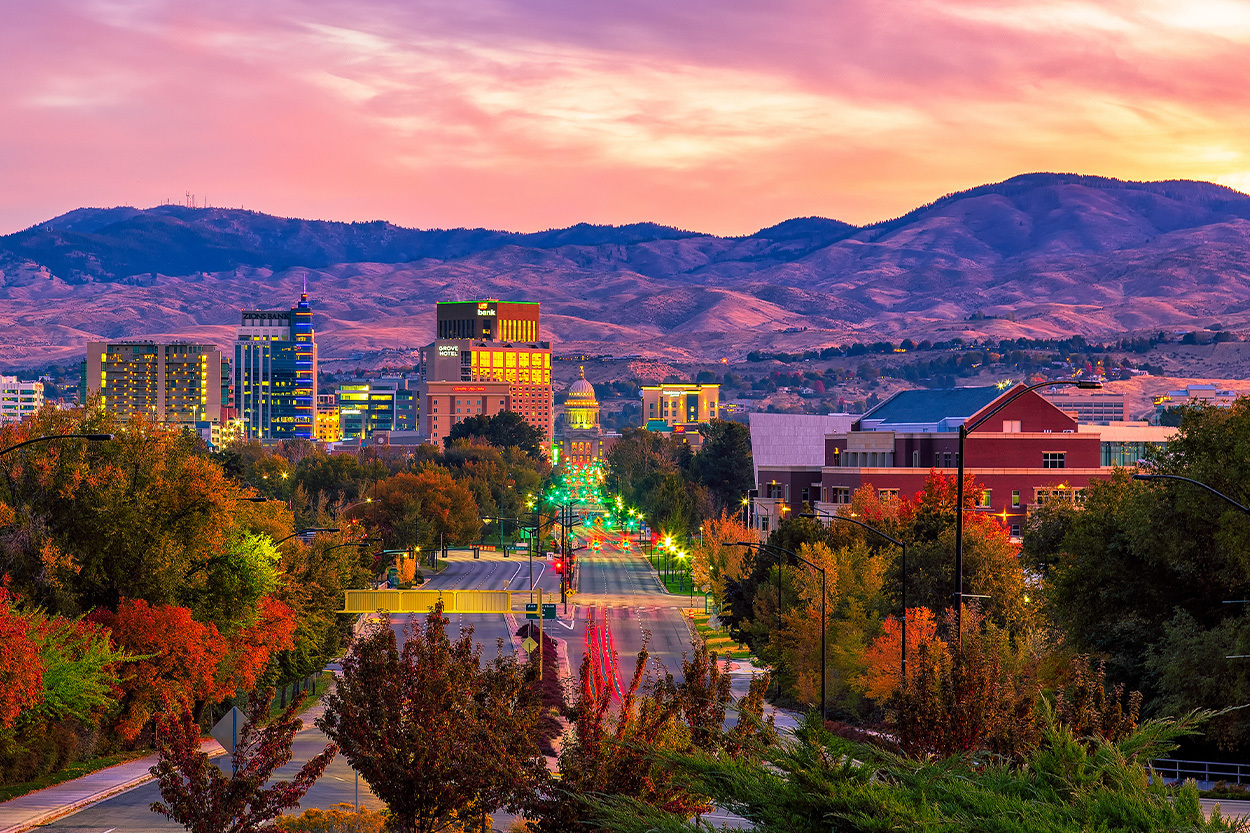
The neighborhoods themselves vary in character. The North End is the city’s most historic and sought-after area, characterized by tree-lined streets, Victorian architecture, and the charming Hyde Park retail district. Residents here value walkability and the ability to commute via bicycle. In contrast, Southeast Boise offers a more suburban feel with newer developments and easy access to the Boise River. No matter the neighborhood, there is a pervasive “small-town feel” that persists despite the city’s growth.
The Outdoor-Centric Lifestyle and Recreation
In Boise, the outdoors isn’t just a place to visit on the weekends; it is an integral part of daily life. The city’s geography, situated where the high desert meets the Rocky Mountains, provides a playground for enthusiasts of all stripes.
The Greenbelt and Urban Parks
The crown jewel of the city’s recreational infrastructure is the Boise River Greenbelt. This 25-mile paved path follows the river through the heart of the city, connecting several major parks known as the “Ribbon of Jewels.” Residents use the greenbelt for commuting, morning jogs, and leisurely evening strolls.
Parks like Julia Davis Park and Ann Morrison Park serve as the city’s “backyard.” In the summer, the Boise River itself becomes a floating party, as thousands of residents tube down the gentle current to escape the Idaho heat. This accessibility to water and shade within an urban environment is a luxury that few cities can match.
Foothills Hiking and Mountain Access
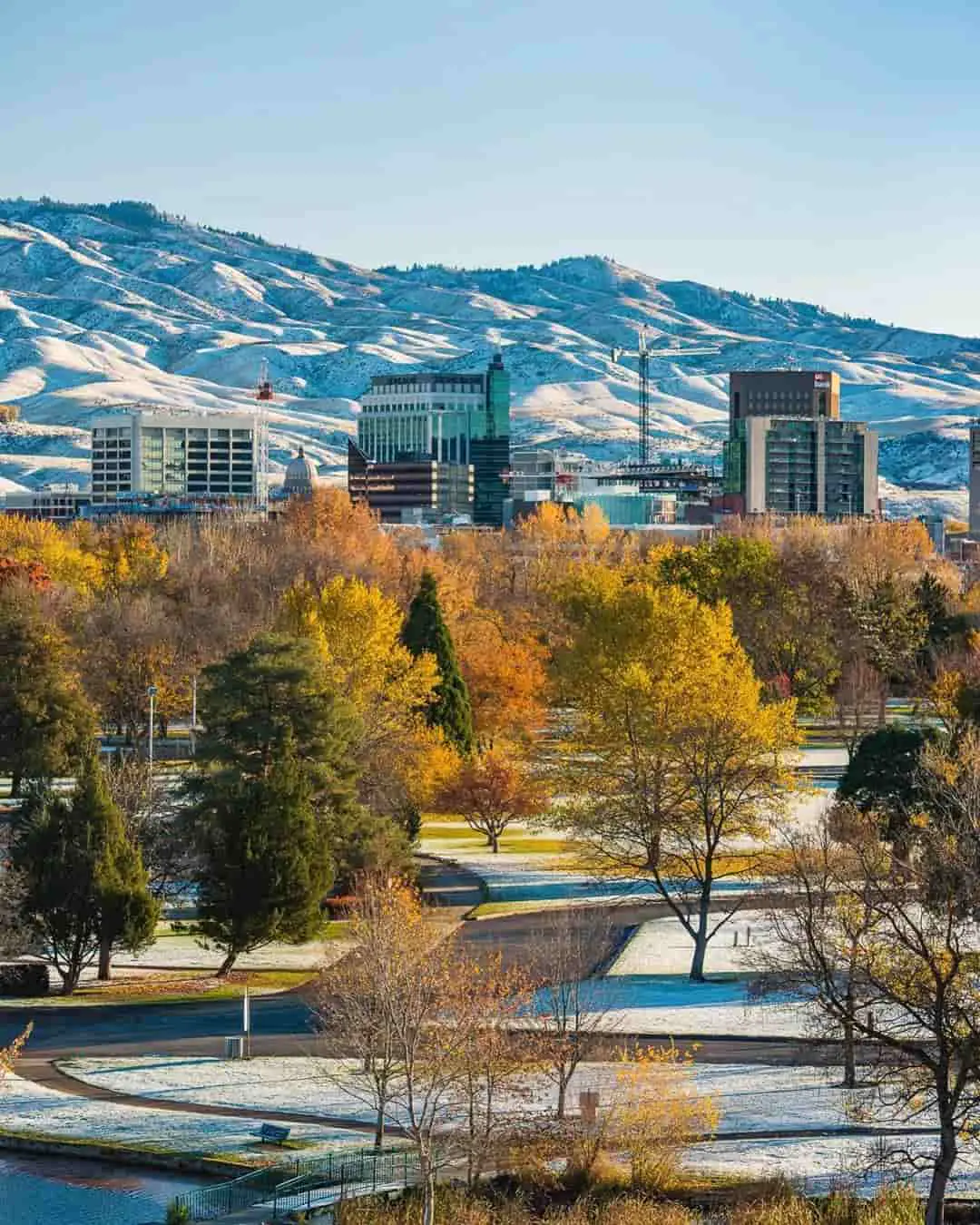
Just north of the city limits, the Boise Foothills offer over 190 miles of managed trails through the Ridge to Rivers system. Popular spots like Camels Back Park and Hulls Gulch Reserve are packed with hikers and mountain bikers nearly every day of the year.
For those who crave higher elevations, Bogus Basin Mountain Recreation Area is located only 16 miles from Downtown Boise. Unlike many resort towns where skiing is an expensive, all-day affair, Bogus Basin is a non-profit mountain that allows residents to hit the slopes after work for night skiing or a quick weekend session. During the summer, the mountain transforms into a hub for downhill mountain biking and hiking, ensuring that the Boise lifestyle remains active year-round.
Cultural Richness and Social Engagement
While nature is a major draw, Boise also offers a sophisticated cultural scene that reflects its diverse history and modern aspirations. The city manages to feel cosmopolitan without the pretension often found in larger urban centers.
The Downtown Experience and Culinary Scene
Downtown Boise is the epicenter of the city’s social life. It is exceptionally clean, safe, and vibrant. The culinary scene has exploded in recent years, moving far beyond the stereotypical “potato” dishes Idaho is known for. From farm-to-table dining to international cuisine, the city’s chefs emphasize local ingredients sourced from the nearby Snake River Valley.
A unique aspect of Boise is the Basque Block. Idaho is home to one of the largest Basque populations outside of Spain and France. This heritage is preserved in a concentrated downtown area featuring the Basque Museum and Cultural Center and traditional eateries. This cultural flavor adds a distinct, international layer to the city’s identity that you won’t find anywhere else in the United States.
Arts, Festivals, and the Basque Heritage
The lifestyle is further enriched by a commitment to the arts. The Treefort Music Fest has become a nationally recognized event, drawing hundreds of indie bands and thousands of fans to the city every spring. For those who prefer more traditional performances, the Idaho Shakespeare Festival offers world-class theater in an outdoor amphitheater tucked against the foothills.
Museums like the Boise Art Museum and the Discovery Center of Idaho provide year-round engagement for both adults and children. Furthermore, the presence of the Idaho State Capitol ensures that the city remains a center for civic engagement and political discourse, keeping the community connected to the broader movements of the state.
Ultimately, whether Boise is a “nice” place to live depends on what an individual values. If the goal is a lifestyle that balances career ambition with unparalleled outdoor access, a safe environment for raising children, and a friendly, mid-sized community, then the answer is a resounding yes. While the secret of Boise is certainly out, and the city is facing the growing pains that come with popularity, its core identity as the “City of Trees” remains intact, offering a quality of life that continues to attract people from across the globe.
LifeOutOfTheBox is a participant in the Amazon Services LLC Associates Program, an affiliate advertising program designed to provide a means for sites to earn advertising fees by advertising and linking to Amazon.com. Amazon, the Amazon logo, AmazonSupply, and the AmazonSupply logo are trademarks of Amazon.com, Inc. or its affiliates. As an Amazon Associate we earn affiliate commissions from qualifying purchases.