
Understanding the Booking Platform Ecosystem
Navigating the vast world of digital travel planning often leads travelers to industry giants that promise seamless reservations and unbeatable rates. Among these, Booking.com stands out as one of the most prominent online travel agencies operating globally. Founded in Amsterdam, this platform has grown exponentially, connecting millions of users with diverse lodging options ranging from boutique properties in Paris to sprawling resorts in Bali. However, as millions rely on digital interfaces for their accommodation needs, questions regarding trustworthiness, reservation security, and customer service reliability remain top of mind for modern explorers.
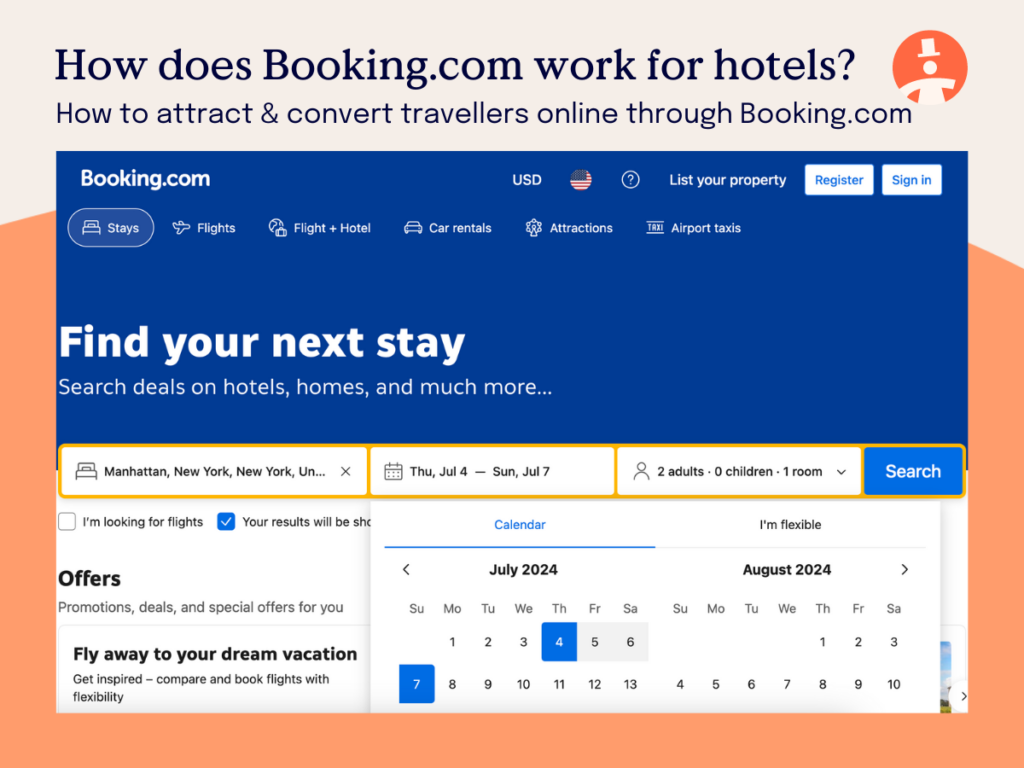
The fundamental mechanism behind this OTA relies on acting as a powerful middleman between independent property owners, major hotel chains, and the end consumer. When a traveler secures a room through the portal, a digital contract is established, though the operational management of the stay often falls directly onto the chosen establishment, such as the Ritz-Carlton or an independent bed-and-breakfast. This distinction is crucial for understanding potential discrepancies between what is advertised online and the reality encountered upon arrival at the destination.
The Scale of Inventory and Global Reach
One of the primary reasons travelers frequently utilize this aggregator is the sheer volume of choices available. Whether planning a backpacking excursion through Southeast Asia or a luxurious corporate retreat in New York City, the platform aggregates vast databases of properties. This massive inventory includes traditional hotels, modern hostels, private apartments, and unique eco-lodges. Because properties rely heavily on the platform for visibility, they maintain competitive pricing strategies to attract guests, often mirroring or beating direct booking rates offered by brands like Marriott or Hilton.
How Reservations Actually Work Behind the Scenes
When a transaction is processed, the platform generates a confirmation and transmits the guest details to the accommodation provider. In most scenarios, payment is handled either directly through the platform’s secure gateway or upon arrival at the property, depending on the selected tariff. While automated systems streamline this process efficiently, communication breakdowns can occasionally occur between the digital intermediary and the front desk staff, highlighting the importance of verifying details well in advance of travel dates.
Analyzing the Pros and Trust Factors
Evaluating the credibility of any reservation portal requires examining its security measures, user protections, and policy transparency. Over years of operation, the service has implemented robust security protocols to protect sensitive financial data during transactions. Advanced encryption standards ensure that credit card details and personal information remain secure against unauthorized access, giving peace of mind to users booking stays in unfamiliar regions like Tokyo or London.
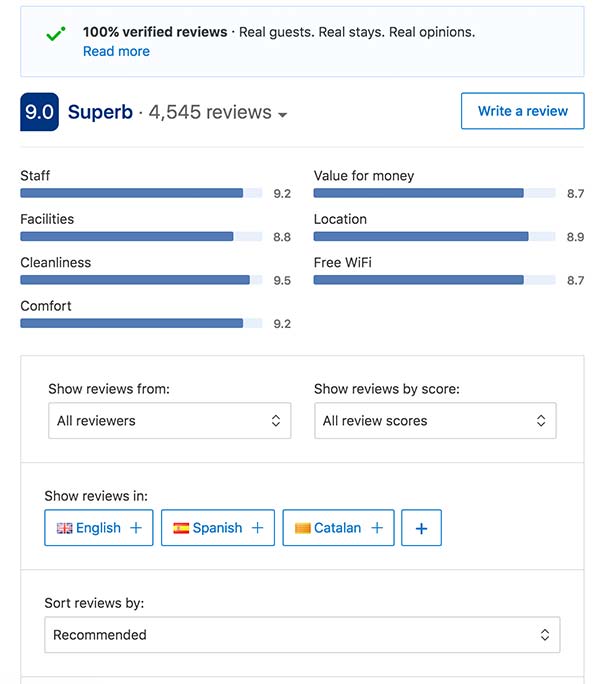
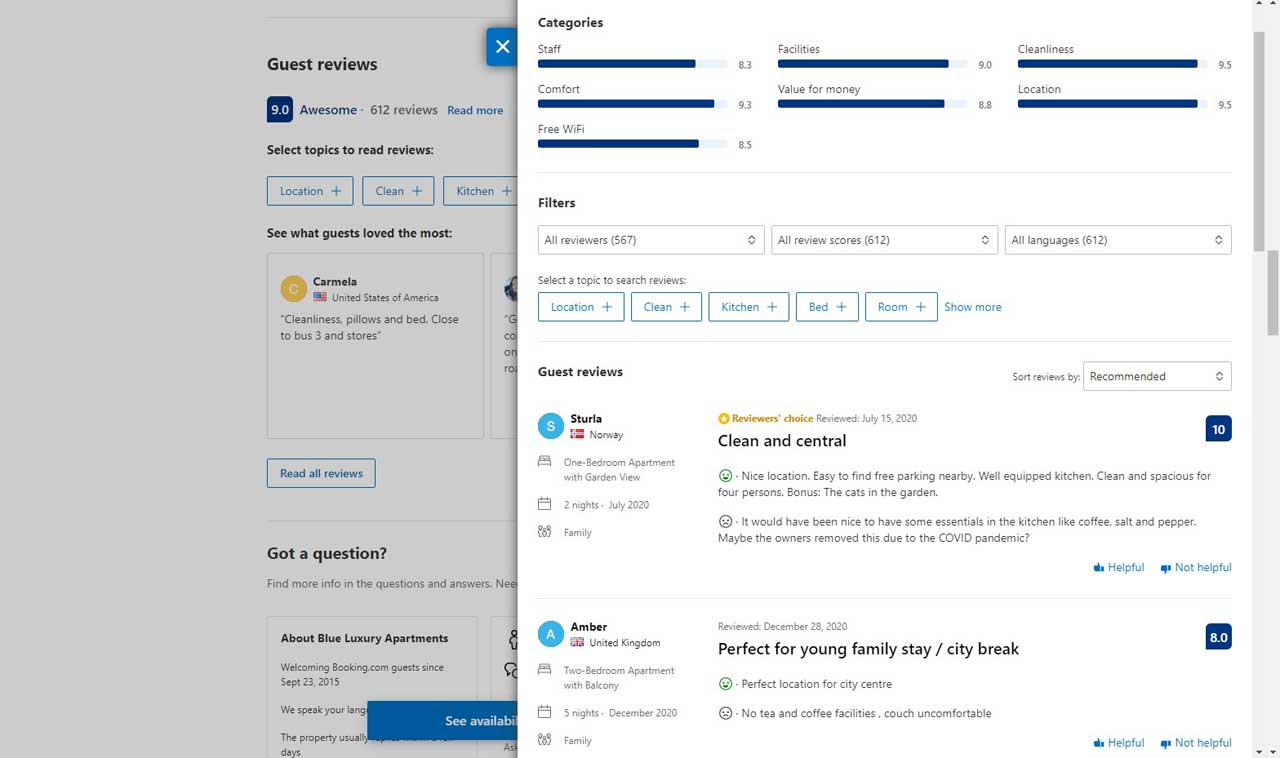
Furthermore, the platform employs comprehensive user review systems that serve as a vital trust indicator. Unlike closed-loop review systems, only verified guests who have actually completed a stay through the platform are permitted to leave feedback. This minimizes fraudulent or biased reviews, providing prospective visitors with authentic insights into cleanliness, staff friendliness, location convenience, and overall room quality.
Genius Loyalty Program and Transparent Pricing
Another major advantage bolstering the platform’s reputation is its tiered loyalty program, commonly known as Genius. Frequent travelers are rewarded with permanent discounts, free breakfast upgrades, and priority customer support across participating properties worldwide. Pricing transparency is generally well-maintained, with taxes and additional resort fees clearly outlined before final payment confirmation, reducing unpleasant financial surprises at check-in.
Flexible Cancellation Policies
Flexibility remains a paramount concern for modern travelers navigating unpredictable circumstances. The platform offers a wide array of properties featuring free cancellation policies up to a specified date before arrival. This feature provides significant reassurance, allowing users to secure favorable rates early without being financially penalized if travel itineraries must shift due to unforeseen events.
Navigating Potential Pitfalls and Customer Service Challenges
Despite numerous advantages, users occasionally encounter challenges that test their confidence in third-party reservation systems. The most frequently cited concern involves overbookings or discrepancies regarding specific room requests, such as bed configurations or view preferences. Because the property management software does not always sync in real-time with the platform’s database, rare administrative errors can occur at the front desk.
Another area requiring caution involves dealing with customer support during emergencies. When an issue arises mid-stay—such as unexpected maintenance problems or cleanliness issues—resolution often requires coordinating between the platform’s support agents and the property’s management. While digital chat and telephone support are available around the clock, navigating bureaucratic support channels during a stressful travel situation can sometimes feel cumbersome, particularly when visiting remote destinations like the Amalfi Coast or the Swiss Alps.
Scams and Third-Party Listing Vulnerabilities
As with any massive digital marketplace, bad actors occasionally attempt to exploit vulnerabilities. Phishing attempts mimicking official communications or fraudulent property listings can occasionally bypass automated screening filters. To mitigate these risks, travelers should carefully scrutinize host reviews, avoid communicating outside the official platform messaging system, and remain skeptical of deals that seem excessively discounted compared to market averages in high-demand cities like Rome or Barcelona.
Hidden Terms and Prepaid Tariffs
Non-refundable, prepaid tariffs often offer the lowest possible rates, but they remove all flexibility. Travelers frequently overlook these restrictive conditions during the excitement of planning a trip to destinations like Sydney or Dubai, only to realize later that modifications or refunds are strictly prohibited, even in extenuating circumstances.
Best Practices for Secure and Stress-Free Hotel Bookings
Maximizing the benefits of digital travel aggregators while minimizing potential risks involves adopting a proactive approach to trip planning. By following established safety guidelines, travelers can ensure smooth, reliable experiences every time they reserve a room.
- Direct Confirmation: Always contact the hotel directly via email or phone a few days prior to arrival to reconfirm the reservation details, particularly when traveling internationally to regions with language barriers.
- Review Verification: Filter reviews by recent dates and read through both positive and negative feedback to identify recurring operational issues at the specific property.
- Payment Security: Utilize secure payment gateways provided within the platform rather than transferring funds directly to private bank accounts requested by individual hosts.
- Keep Documentation Handy: Save digital copies of booking confirmations, cancellation policies, and customer support contact numbers for offline accessibility during transit.
Comparing with Direct Bookings
While aggregators offer unmatched convenience for comparing multiple properties side-by-side, savvy travelers often cross-reference prices with the official website of the chosen hotel. Major brands sometimes offer exclusive perks, loyalty points, or price-matching guarantees for guests who book directly, creating a balanced approach where travelers use the aggregator for discovery and comparison, followed by strategic final bookings.
Final Verdict on Reliability
Ultimately, the platform functions as a highly reliable, legitimate, and efficient tool for securing accommodations worldwide, provided users exercise standard digital literacy and prudent planning. Millions of successful transactions occur daily, making it an indispensable resource for independent explorers and corporate travelers alike. By understanding how the ecosystem operates, paying close attention to cancellation terms, and double-checking reservations directly with properties when necessary, travelers can confidently navigate the digital marketplace and enjoy remarkable journeys across the globe.
LifeOutOfTheBox is a participant in the Amazon Services LLC Associates Program, an affiliate advertising program designed to provide a means for sites to earn advertising fees by advertising and linking to Amazon.com. Amazon, the Amazon logo, AmazonSupply, and the AmazonSupply logo are trademarks of Amazon.com, Inc. or its affiliates. As an Amazon Associate we earn affiliate commissions from qualifying purchases.