
For the culinary traveler, understanding the nuances of regional ingredients and their preparation is paramount to truly immersing oneself in local food culture. Among the myriad cuts of pork, the Boston Butt and the pork shoulder often spark confusion, not just for home cooks but also for those exploring the diverse barbecue traditions and slow-cooked meat dishes across the globe. While often used interchangeably, these terms refer to distinct, though related, portions of the pig, each with unique characteristics that contribute profoundly to the flavors and textures of iconic dishes. Decoding this distinction is not merely a technical exercise; it’s a gateway to appreciating the depth of a locale’s gastronomic identity.
Decoding the Cuts: A Culinary Journey
To embark on this flavorful exploration, it’s essential to first establish what each term precisely means from a butchery perspective. This foundational understanding allows travelers to confidently navigate menus, inquire about preparation methods, and even attempt to recreate beloved dishes encountered during their journeys.
The Anatomy of Pork Shoulder
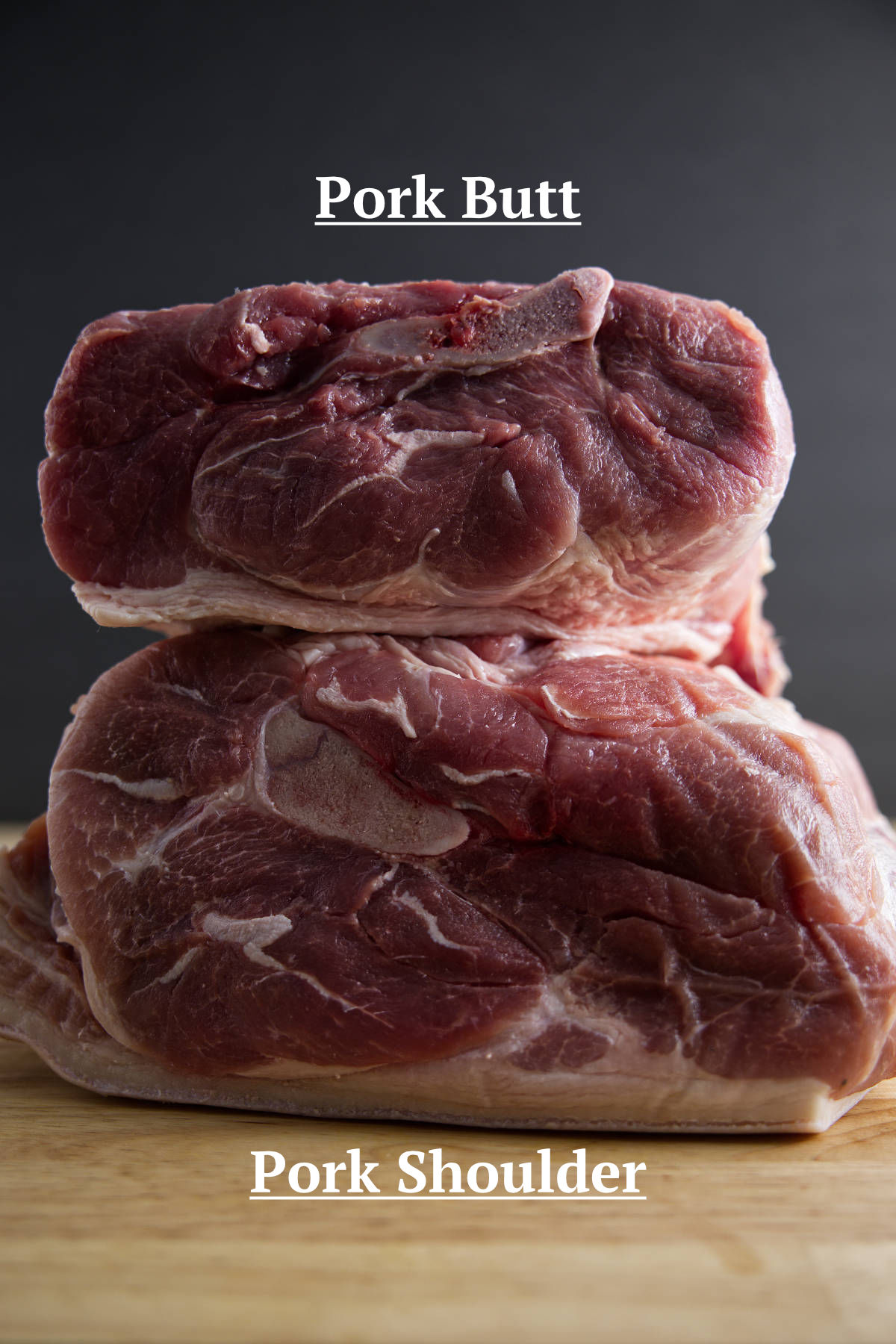
The pork shoulder, also known as the picnic shoulder or picnic roast, is the entire front leg of the pig, extending from the shoulder blade down to the hock. It’s a substantial cut, typically weighing between 6 and 10 pounds, encompassing a rich blend of muscle, fat, and connective tissue. This composition makes it inherently flavorful and ideal for slow-cooking methods that tenderize the meat while rendering its fat and breaking down tough tissues into succulent gelatin. The lower part of the shoulder, often referred to as the picnic roast, usually includes the bone and a thicker skin, making it excellent for dishes where a crispy exterior and deeply savory meat are desired. Its versatility is legendary, forming the backbone of countless global cuisines, from braised stews in Europe to slow-roasted delights in Asia.
The Enigmatic Boston Butt
Here’s where the revelation lies: the Boston Butt is, in fact, a specific section of the pork shoulder. More accurately, it’s the upper part of the front shoulder, located above the picnic roast and extending from the pig’s shoulder blade. Also known as the pork butt or blade shoulder, it typically comes boneless or bone-in and is characterized by a significant amount of intramuscular fat marbling, which is crucial for moisture and flavor during extended cooking. The name itself is a historical curiosity, tracing back to pre-Revolutionary America when less prized cuts of pork were packed into barrels called “butts” for storage and transport in the Boston area. This unique packaging, combined with the cut’s popularity in New England, cemented its quirky moniker. Despite its name, it has nothing to do with the rear of the pig; it’s all about the shoulder. Its dense musculature and rich fat content make it the undisputed king for preparations requiring long, slow cooking, particularly for shredding.
Regional Flavors and Cultural Significance
The distinction between these cuts, while subtle to the untrained eye, is deeply ingrained in regional culinary traditions, shaping the very essence of local food experiences. For the traveler, recognizing the preferred cut can unlock a deeper appreciation for the authenticity and heritage of a dish.
Barbecue Traditions Across the United States
Nowhere is the Boston Butt’s cultural significance more pronounced than in American barbecue. It is the quintessential cut for creating authentic pulled pork, a staple of barbecue joints from North Carolina to Texas. In regions like the Carolinas, pulled pork is often cooked low and slow over wood smoke until it’s fork-tender, then shredded and served with a vinegar-based, mustard-based, or tomato-based sauce. Visiting a roadside barbecue stand or a renowned smokehouse in places like Memphis or Kansas City offers a profound sensory experience, where the smoky aroma, the tender texture of the Boston Butt, and the regional variations in sauce tell a story of generations of culinary tradition. Travelers seeking an authentic taste of Southern hospitality and its culinary heart will inevitably encounter the expertly prepared pork butt. The picnic shoulder, with its bone-in and skin-on characteristics, also finds its place in barbecue, particularly for dishes like smoked ham hocks or for those who prefer a crisper skin on their pulled pork.
Global Culinary Adaptations

Beyond American barbecue, both the Boston Butt and the broader pork shoulder are celebrated globally, adapted to local palates and cooking techniques. In Mexico, pork shoulder is the primary cut for carnitas, slow-cooked in its own fat or lard until incredibly tender, then shredded and often crisped up for tacos and burritos. A culinary tour through Mexico City or Michoacán would be incomplete without sampling this iconic dish. The Caribbean islands, notably Puerto Rico and Cuba, transform pork shoulder into succulent pernil, marinated for days and then slow-roasted until the skin is shatteringly crisp and the meat falls off the bone. In China, pork shoulder is used for char siu (barbecue pork), a sweet and savory dish often found hanging in the windows of Cantonese restaurants. Meanwhile, in the Philippines, the same cuts are often used for slow-braised adobo or crispy pata, showcasing incredible versatility and the adaptability of pork shoulder across different culinary landscapes. Understanding these regional distinctions helps travelers appreciate how cultures utilize similar raw materials to achieve vastly different, yet equally delicious, outcomes.
The Art of Preparation: From Pit to Plate
The ultimate gastronomic appeal of both Boston Butt and pork shoulder lies in their suitability for specific cooking methods that draw out their maximum flavor and tenderness. For the intrepid food traveler, observing or participating in these preparations offers an unparalleled insight into a culture’s culinary ethos.
Low and Slow: The Secret to Tenderness
The shared characteristic that makes both the Boston Butt and pork shoulder culinary treasures is their optimal preparation through “low and slow” cooking. Whether smoked in a barbecue pit, braised in a Dutch oven, or slow-roasted in an oven, these methods allow the abundant connective tissue to break down into gelatin, resulting in incredibly moist, tender, and flavorful meat that often pulls apart with ease. This process takes hours, sometimes more than half a day, reflecting a patience and dedication inherent in many traditional cooking styles. For travelers on a food tour, witnessing the dedication of a pitmaster tending to a smoker or a chef meticulously slow-braising a pork shoulder is as much a part of the experience as tasting the final dish. It underscores the artisanal nature of these preparations, which are often passed down through generations.
Beyond Pulled Pork: Versatile Applications
While pulled pork is the most famous application for the Boston Butt, its versatility extends further. It can be cut into steaks for grilling, diced for stews, or ground for sausages. The broader pork shoulder, including the picnic portion, offers even greater flexibility. Its skin-on nature makes it ideal for dishes where a crispy rind is desired, such as various forms of roasted pork or crackling. The inclusion of the bone also adds immense flavor to broths and braises. From the hearty pork shoulder roasts found in German taverns to the aromatic slow-cooked pork curries of Southeast Asia, the pork shoulder demonstrates an astonishing capacity to adapt to diverse flavor profiles and cooking environments. Exploring these varied applications on your travels provides a rich tapestry of taste and tradition.
Choosing the Right Cut for Your Gastronomic Adventure
For the culinary curious, knowing the distinction between Boston Butt and pork shoulder is more than just trivia; it’s a practical tool for enhancing your travel experience. It empowers you to make informed choices, whether you’re cooking in a rented apartment or dining out.
Considerations for Home Cooks
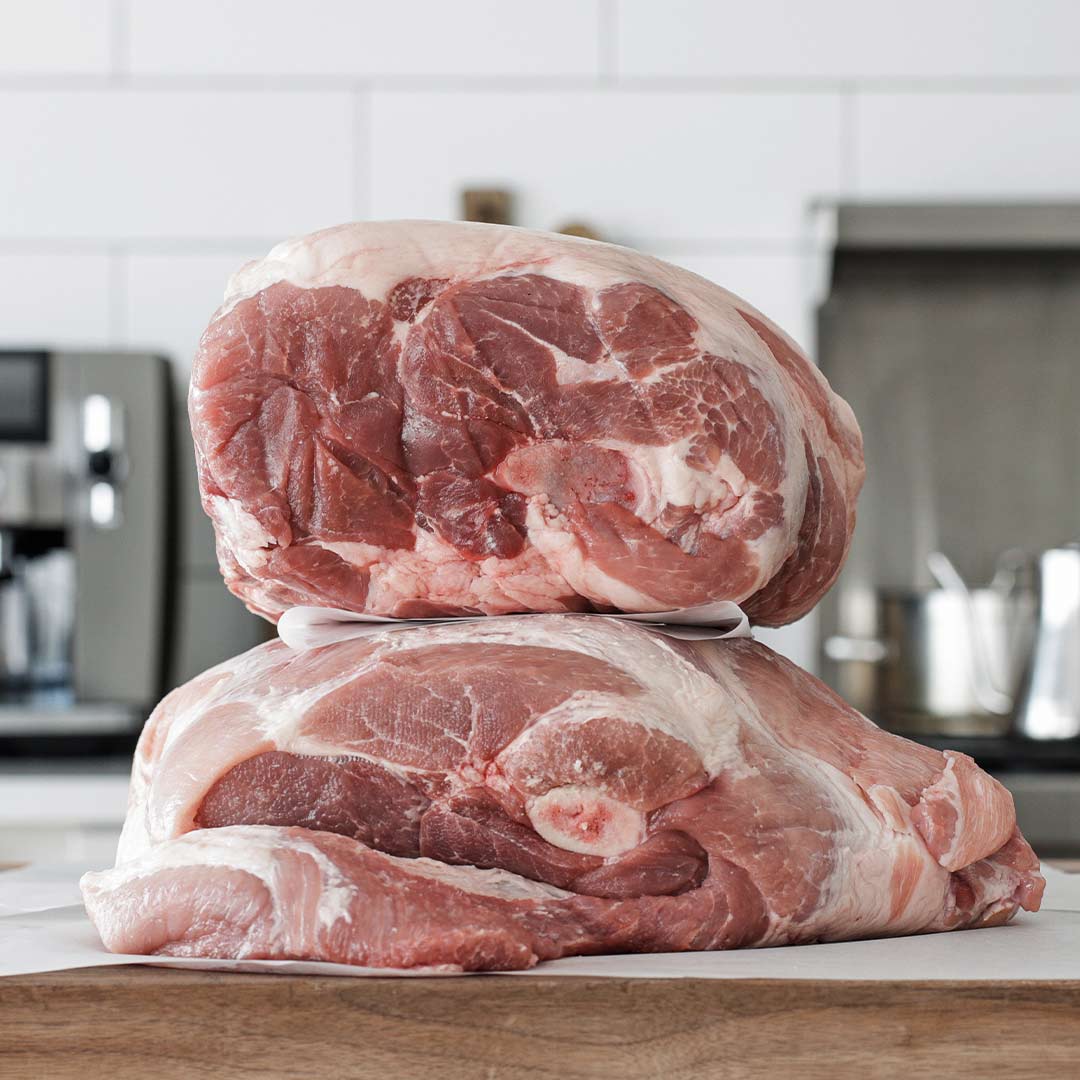
If your travels involve self-catering or culinary classes, understanding these cuts is invaluable. For a truly authentic pulled pork experience, seek out the Boston Butt. Its higher fat content and specific muscle structure are perfectly suited for shredding. If you’re aiming for a dish requiring a crispy skin or a cut with a more pronounced bone for added flavor in a stew, the picnic shoulder (the lower part of the pork shoulder) might be a better choice. Always ask local butchers for advice; they are often repositories of regional culinary wisdom and can guide you to the perfect cut for your desired dish, explaining local names and preparation techniques.
Seeking Authenticity in Local Eateries
When dining out, especially in regions renowned for their pork dishes, this knowledge allows you to engage with local chefs and restaurateurs on a deeper level. You can ask specifically if their carnitas are made with pork shoulder, or if their legendary barbecue uses Boston Butt. Such inquiries not only demonstrate your interest in their culture but can also lead to more insightful recommendations and a more profound appreciation for the meal. Ultimately, whether it’s the Boston Butt or the wider pork shoulder, both are magnificent cuts that promise a delicious journey through the heart of global food cultures. Their subtle differences contribute to a vast array of tastes and textures, making them indispensable components of local gastronomy that every food-focused traveler should explore.
LifeOutOfTheBox is a participant in the Amazon Services LLC Associates Program, an affiliate advertising program designed to provide a means for sites to earn advertising fees by advertising and linking to Amazon.com. Amazon, the Amazon logo, AmazonSupply, and the AmazonSupply logo are trademarks of Amazon.com, Inc. or its affiliates. As an Amazon Associate we earn affiliate commissions from qualifying purchases.