
The question of whether Boston College is an Ivy League institution is a common one, often stemming from its reputation for academic rigor, rich history, and stunning campus. While it frequently stands shoulder-to-shoulder with the nation’s most prestigious universities in various rankings and perceptions, the short answer is no, Boston College is not a member of the Ivy League. The Ivy League is a specific athletic conference comprising eight private universities in the Northeastern United States: Brown University, Columbia University, Cornell University, Dartmouth College, Harvard University, the University of Pennsylvania, Princeton University, and Yale University.
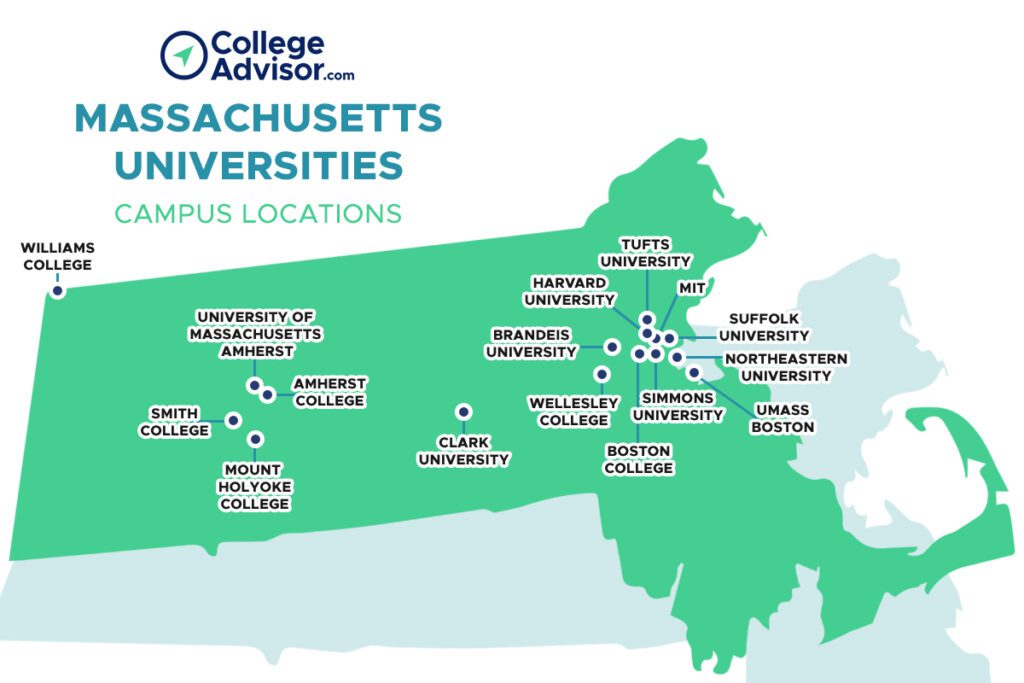
However, to stop there would be to miss the profound significance of Boston College as a landmark institution, a beacon of architectural splendor, and a cornerstone of culture and history in New England. Its comparison to the Ivy League speaks volumes about its undeniable prestige and enduring appeal. Far from being defined by its exclusion from an athletic conference, Boston College has forged its own distinct identity, one that makes it a captivating destination for visitors, a point of pride for its community, and a significant landmark in Massachusetts. This article delves into what makes Boston College a landmark of exceptional value, exploring its historical depth, architectural magnificence, and its vital role in the cultural landscape, transcending any labels or affiliations.
Beyond the Ivy League Label: Boston College’s Landmark Status
To truly appreciate Boston College is to understand its evolution from a modest urban institution to a sprawling, architecturally distinct campus recognized globally. Its landmark status is not merely attributed to its physical presence but to the rich tapestry of history, tradition, and academic excellence it embodies. The reasons it is often mistaken for an Ivy League school are precisely the qualities that elevate it to a prominent landmark in Boston and beyond.
A Legacy of Grandeur: Architectural Splendor
One of the most immediate and striking aspects of Boston College is its breathtaking architecture. Perched atop Chestnut Hill, the campus is a masterclass in Gothic Revival design, frequently hailed as one of the most beautiful university campuses in the world. The vision for a “Gothic Collegiate” style was spearheaded by its primary architect, Charles Donagh Maginnis, beginning in the early 20th century. This consistent architectural theme creates a cohesive and awe-inspiring environment that transports visitors to a bygone era of academic sanctity and artistic craftsmanship.
Every building, from the iconic Gasson Hall with its soaring bell tower to the majestic Bapst Library resembling a cathedral, tells a story of meticulous planning and commitment to aesthetic excellence. The intricate stone carvings, stained-glass windows, and vaulted ceilings are not merely decorative but reflect a profound respect for learning and tradition. This architectural integrity makes Boston College a living museum, a testament to enduring design principles, and a prime example of academic architecture that inspires reverence and scholarly pursuit. It’s a landmark not just for its beauty, but for its embodiment of a particular architectural era and philosophy.
Historical Roots and Enduring Prestige
Founded in 1863 by the Society of Jesus, Boston College carries a significant historical weight as one of the oldest Jesuit universities in the United States. Its establishment during the Civil War era in Boston speaks to a resilient spirit and a commitment to providing education amidst societal upheaval. This long history has cultivated a deep-rooted sense of tradition and an enduring reputation for academic excellence that rivals even the oldest Ivy League institutions.
Over the decades, Boston College has evolved, expanding its academic offerings and global reach while steadfastly adhering to its Jesuit Catholic intellectual and spiritual traditions. This blend of historical continuity and forward-looking innovation has cemented its place as a distinguished academic landmark. Its alumni network boasts leaders in every field, further amplifying its prestige and influence. The university’s history is intertwined with the history of Boston itself, reflecting the city’s growth, demographic shifts, and intellectual aspirations.
The Allure of Chestnut Hill: A Campus Worth Exploring
The physical setting of Boston College on Chestnut Hill, just six miles west of downtown Boston, is integral to its allure as a landmark. The campus isn’t just a collection of buildings; it’s an experience, offering panoramic views, serene green spaces, and a palpable sense of academic purpose.
Gothic Revival Masterpieces
Beyond Gasson Hall and Bapst Library, other notable structures like St. Mary’s Hall and Fulton Hall contribute to the uniform and majestic Collegiate Gothic aesthetic. Walking through the main campus, visitors are treated to a symphony of architectural details: pointed arches, ribbed vaults, buttresses, and gargoyles that evoke the grandeur of European cathedrals. The meticulous stonework, often featuring local granite, gives the buildings a timeless quality, making them feel as if they have stood for centuries.
These buildings are not just academic halls; many serve as profound examples of craftsmanship and artistic dedication. The stained-glass windows of Bapst Library, for instance, depict scenes from the history of scholarship and religious thought, transforming the study space into a contemplative gallery. For those interested in architecture, history, or simply appreciating beauty, the campus itself is a destination, rivaling some of the most famous landmarks in the region.
Green Spaces and Scenic Views

The architectural beauty of Boston College is complemented by its thoughtfully landscaped grounds and strategic placement. The campus is laid out around several quadrangles and open areas, providing ample green space that softens the grandeur of the stone buildings. The Boston College Reservoir, a significant natural feature, offers serene walking paths and stunning reflective views of the skyline and the campus, especially during sunrise or sunset.
From many vantage points on Chestnut Hill, visitors can enjoy sweeping vistas of the Boston skyline, a visual reminder of the university’s proximity to a vibrant urban center while maintaining its tranquil academic enclave. These natural and planned green spaces offer a refreshing contrast to the dense urban environment, providing pockets of calm and beauty that enhance the overall landmark experience. They invite contemplation and leisurely strolls, making the campus a delightful place to explore for tourists and locals alike.
Academic Excellence and Community Impact: A Bostonian Icon
While its architecture and history are undeniably impressive, Boston College’s status as a landmark is also deeply rooted in its academic reputation and its profound impact on the local and global communities. It is a place where minds are shaped, research flourishes, and societal contributions are made, cementing its role as an intellectual landmark.
Shaping Minds, Shaping History
Boston College’s commitment to liberal arts education within a Catholic, Jesuit tradition has produced generations of influential alumni who have made significant contributions across various fields, including politics, business, arts, and science. This intellectual legacy reinforces its position as an educational powerhouse, often drawing comparisons to the academic caliber of Ivy League institutions. The university consistently ranks among the top national universities, underscoring its rigorous academic programs, distinguished faculty, and highly selective admissions process.
Its research initiatives and academic centers address pressing global challenges, further solidifying its reputation as a hub of innovation and critical thought. The scholarly pursuits undertaken within its historic walls contribute to the advancement of knowledge and cultural understanding, making Boston College a dynamic and evolving landmark of intellectual endeavor.
Cultural Hub in Boston, Massachusetts
As a prominent institution in Boston, Massachusetts, Boston College is not just a university but a vital cultural and social hub. It hosts numerous public events, lectures, concerts, and athletic competitions that enrich the cultural life of the entire region. The McMullen Museum of Art on campus, for example, offers world-class exhibitions that attract art enthusiasts from all over.
The university’s presence contributes significantly to the local economy and community spirit. It serves as a point of civic pride, drawing visitors for its educational programs, athletic events, and simply to admire its magnificent campus. This deep integration into the fabric of Boston makes it an indispensable landmark, a place that actively shapes and reflects the identity of one of America’s most historic cities.
Planning Your Visit to Boston College: Discovering a New England Gem
For anyone seeking to explore a significant New England landmark, a visit to Boston College offers a rich and rewarding experience. Its accessibility from downtown Boston via the “B” branch of the MBTA Green Line makes it an easy and worthwhile excursion.
Campus Tours and Self-Guided Exploration
Prospective students and curious visitors alike can take advantage of guided campus tours offered by the university. These tours provide insightful narratives about the history, architecture, and daily life at Boston College. For those who prefer to explore at their own pace, a self-guided walking tour allows for leisurely appreciation of the Gothic Revival buildings, the serene quads, and the scenic views. Maps are often available online or at visitor centers to help navigate the extensive grounds. Spending an afternoon simply wandering the pathways, admiring the craftsmanship, and soaking in the academic atmosphere is an enriching experience in itself.
Nearby Attractions and Local Experiences
A visit to Boston College can easily be combined with exploring other attractions in the Chestnut Hill area. The Chestnut Hill Reservoir Park, adjacent to the campus, is perfect for a scenic walk or jog. The charming shops and restaurants of Cleveland Circle are also nearby, offering opportunities to enjoy local cuisine and unique boutiques. For those interested in more history, the broader Boston area offers an abundance of historical sites and cultural institutions that complement the experience of visiting Boston College.

Boston College: A Landmark in its Own Right
In conclusion, while Boston College is not officially part of the Ivy League, the question itself highlights its exceptional standing. It is a university that commands respect and admiration, not by association, but through its own merits. As a landmark, Boston College stands as a monument to architectural excellence, profound historical depth, and unwavering academic commitment. Its majestic Gothic Revival campus, steeped in tradition and intellectual vigor, offers a unique and unforgettable experience for any visitor. It is a true New England gem, a beacon of learning and beauty that firmly establishes its place as an indispensable landmark in Massachusetts.
LifeOutOfTheBox is a participant in the Amazon Services LLC Associates Program, an affiliate advertising program designed to provide a means for sites to earn advertising fees by advertising and linking to Amazon.com. Amazon, the Amazon logo, AmazonSupply, and the AmazonSupply logo are trademarks of Amazon.com, Inc. or its affiliates. As an Amazon Associate we earn affiliate commissions from qualifying purchases.