
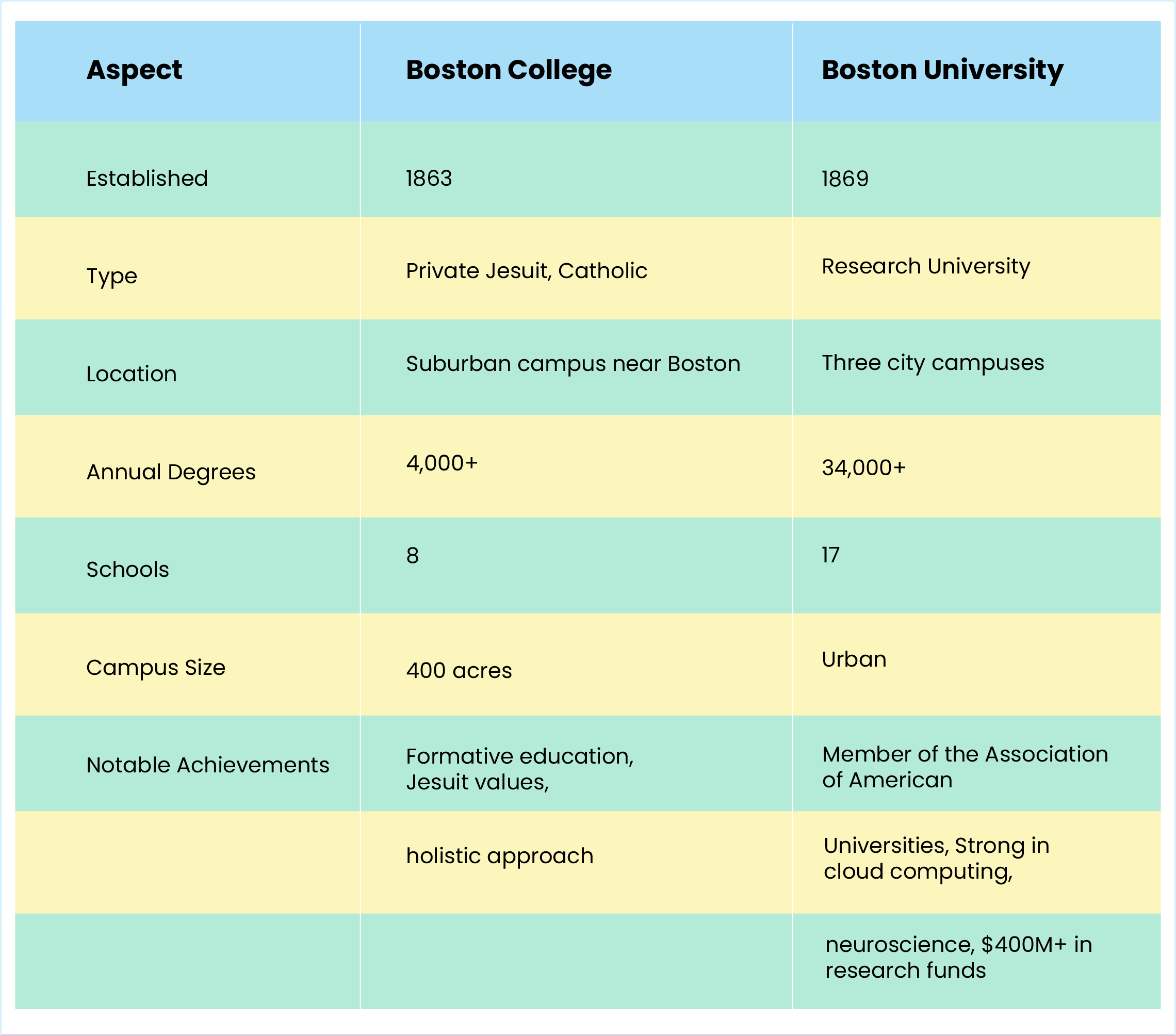
The question of which institution reigns supreme between Boston College and Boston University is a perennial debate, often igniting passionate discussions among students, alumni, and prospective visitors to the vibrant city of Boston. While both are esteemed academic powerhouses, their distinct identities, campus cultures, and geographical footprints offer vastly different experiences. For those planning a visit with an interest in exploring these renowned educational landmarks, understanding these differences is key to appreciating what each has to offer. This exploration delves into the unique characteristics of each institution, framing them as distinct destinations for educational tourism and cultural immersion within the broader Massachusetts landscape.
Campus Ambiance and Architectural Narratives
The physical environment of a university significantly shapes its character and the visitor experience. Boston College and Boston University present contrasting architectural styles and campus layouts, each with its own compelling narrative.
The Gothic Grandeur of Boston College
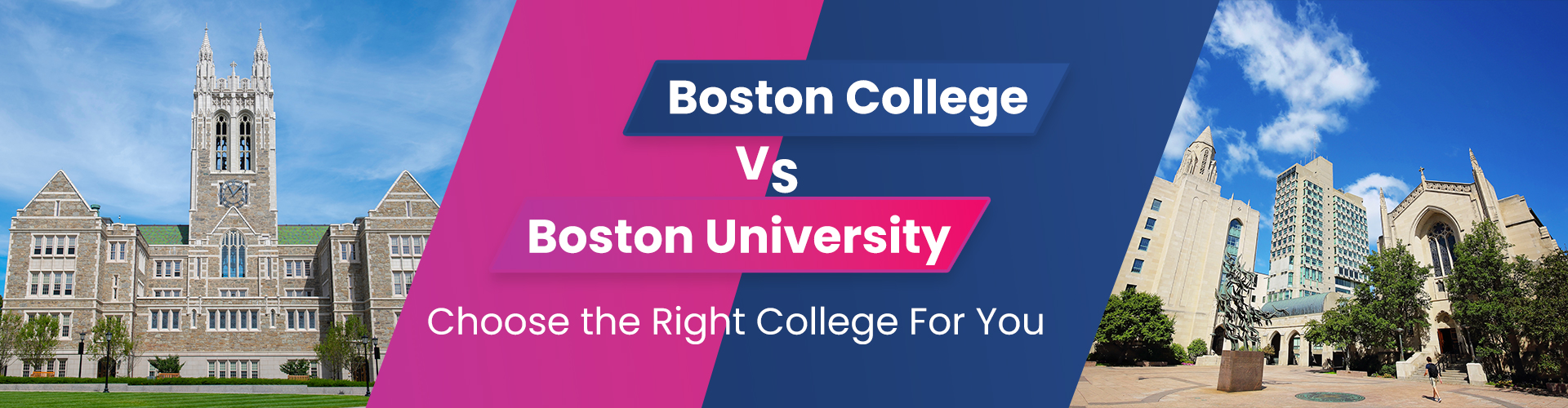
Nestled in the Chestnut Hill neighborhood, a short journey from downtown Boston, Boston College immediately captivates with its stunning Gothic Revival architecture. The iconic Gasson Hall, with its soaring clock tower, stands as a majestic centerpiece, evoking a sense of old-world charm and academic tradition. Wandering through the tree-lined quadrangles, visitors will encounter beautifully crafted stone buildings, manicured lawns, and a palpable atmosphere of scholarly contemplation. The campus feels remarkably cohesive, with a clear aesthetic vision that lends itself to a picturesque and immersive visitor experience. This architectural consistency creates a distinct sense of place, making it a favored location for those who appreciate historical grandeur and a more traditional collegiate setting. It’s a campus that invites slow exploration, encouraging visitors to pause and admire the intricate details of its buildings and the serene beauty of its grounds. The sense of community is often amplified by this enclosed and unified environment, making it feel like a self-contained academic village.
The Urban Tapestry of Boston University
In contrast, Boston University unfolds as an expansive urban university, stretching for miles along the Charles River. Its campus is not a singular, defined entity but rather a dynamic integration with the city itself. Buildings range from modern, glass-fronted structures housing cutting-edge research facilities to more traditional red-brick edifices. The absence of a strictly defined campus boundary means that exploring Boston University is intrinsically linked to experiencing the vibrant neighborhoods of Boston like the Back Bay and Fenway. This urban setting offers a unique blend of academic pursuits and real-world immersion. Visitors can easily step from a lecture hall to a bustling street, a café, or a nearby museum. The architectural diversity reflects the university’s broad range of disciplines and its deep connection to the surrounding urban fabric. For those who prefer a more integrated, dynamic, and city-infused academic experience, Boston University offers an unparalleled environment. The riverside location provides breathtaking views of the Charles River and the Boston skyline, adding another layer of visual appeal.
Academic Strengths and Programmatic Distinctions
While both institutions are globally recognized for their academic rigor, their specific strengths and programmatic offerings cater to different intellectual interests and career aspirations. Understanding these nuances can guide a visitor’s exploration, whether they are prospective students, educators, or simply curious about the intellectual currents within Boston.
Boston College: Liberal Arts and Jesuit Tradition
Boston College, as a Jesuit Catholic research university, places a strong emphasis on the liberal arts tradition. Its curriculum is designed to foster critical thinking, ethical reasoning, and a holistic understanding of the human experience. Programs in fields like English, Philosophy, History, and Theology are particularly distinguished. The university is also renowned for its strong undergraduate teaching, with a commitment to small class sizes and faculty mentorship. For visitors interested in exploring the humanities and social sciences, or experiencing an educational philosophy rooted in service and intellectual inquiry, Boston College offers a compelling academic profile. The focus on developing well-rounded individuals prepared for civic engagement and ethical leadership is a hallmark of the Boston College experience. Its business school, the Carroll School of Management, also boasts significant strengths, particularly in its undergraduate programs.
Boston University: Interdisciplinary Innovation and Global Reach
Boston University is a large, private research university known for its comprehensive range of programs and its strong emphasis on interdisciplinary studies and cutting-edge research. It excels in areas such as engineering, communications, law, medicine, and international relations. The university’s global presence is also a key differentiator, with numerous study abroad programs and international partnerships that enrich the student experience. For those interested in science, technology, engineering, and mathematics (STEM) fields, or those seeking exposure to a truly global academic environment, Boston University presents a dynamic and expansive academic landscape. The Questrom School of Business is highly regarded for its innovation and its connection to the entrepreneurial ecosystem of Boston. The university’s commitment to research is evident in its numerous research centers and institutes, offering fertile ground for intellectual exploration.
Student Life and Campus Culture
The vibrancy and character of a university are perhaps best understood through its student life and the prevailing campus culture. These elements shape the daily experiences of students and create a distinct atmosphere for visitors to absorb.
Boston College: A Close-Knit Community
Boston College fosters a strong sense of community, often described as a “bubble” by its students. This intimacy is cultivated through its cohesive campus layout, its strong residential life, and its emphasis on shared experiences. The university’s Division I athletics, particularly its football and basketball programs, are a significant source of school spirit and communal gathering. There is a palpable pride in “Eagle” identity, which extends beyond sports to encompass a shared commitment to service and social justice, a reflection of its Jesuit roots. Visitors will notice a friendly and engaged student body, often participating in campus events, religious services, and volunteer activities. The campus dining halls and common spaces buzz with activity, reinforcing this sense of togetherness. The surrounding Chestnut Hill neighborhood also offers a quieter, more suburban feel, contributing to the distinct, insular charm of the BC experience.
Boston University: Urban Diversity and Independence
Boston University offers a vastly different student life, characterized by its urban integration and the independence it affords its students. With a large undergraduate and graduate population, the university is a melting pot of diverse backgrounds and interests. Students are encouraged to engage with the wider city of Boston, taking advantage of its cultural attractions, internship opportunities, and entertainment options. While there are many campus organizations and events, the student experience is often more self-directed, with individuals forging their own paths within the bustling urban environment. The absence of a strictly defined campus means that the university’s “campus” often extends to the vibrant neighborhoods it inhabits. This offers an exciting, dynamic experience for students who thrive on variety and seek to blend their academic pursuits with the opportunities of a major metropolitan area. The waterfront views and proximity to iconic Boston landmarks like the Boston Museum of Fine Arts and the Boston Symphony Orchestra further enhance this urban immersion.
Navigating and Experiencing the Campuses
For visitors planning a trip to Boston with the intent of exploring these educational institutions, understanding how to navigate and what to look for is paramount. Each campus offers unique points of interest and logistical considerations.
Exploring Boston College
Accessing Boston College from downtown Boston is straightforward via the MBTA Green Line (B train), which stops directly on campus. Visitors can alight at the Boston College station. Upon arrival, the striking Gothic architecture of the main campus is immediately apparent. Key landmarks include Gasson Hall, St. Ignatius Church, and the beautiful O’Neill Library. Walking tours are often available, providing a guided insight into the university’s history and its Jesuit mission. Ample opportunities exist for quiet contemplation in the various quadrangles, or for enjoying the scenic beauty of the surrounding grounds. For those interested in specific academic departments, it’s advisable to check the university’s visitor information for accessibility and tour availability. The natural beauty of the campus, especially during the autumn foliage season, makes it a particularly appealing destination for leisurely exploration.

Discovering Boston University
Boston University’s sprawling urban campus requires a slightly different approach to exploration. It can be accessed via the MBTA Green Line (B train) with stops at stations like Packards Corner, Pleasant Street, and Babcock Street, or via the BU Shuttle that connects various campus points. The campus is divided into the West Campus (closer to Allston) and the East Campus (along the Charles River, closer to Back Bay). Visitors can wander along Commonwealth Avenue, admiring the historic brownstones and the university’s various academic buildings. The Fitness and Recreation Center and the George Sherman Union are central hubs for student life. The scenic waterfront promenade along the Charles River offers stunning views and is a popular spot for walks. For those interested in specific schools or research centers, planning routes in advance is recommended due to the dispersed nature of the campus. The proximity to Boston’s cultural institutions, like the Isabella Stewart Gardner Museum, adds another dimension to a visit.
Ultimately, the question of whether Boston College or Boston University is “better” is subjective and depends entirely on individual preferences and priorities. Both offer exceptional academic experiences and are vital components of the rich educational tapestry of Boston. For visitors, exploring both provides a comprehensive understanding of the diverse opportunities and unique atmospheres that define higher education in this iconic American city.
LifeOutOfTheBox is a participant in the Amazon Services LLC Associates Program, an affiliate advertising program designed to provide a means for sites to earn advertising fees by advertising and linking to Amazon.com. Amazon, the Amazon logo, AmazonSupply, and the AmazonSupply logo are trademarks of Amazon.com, Inc. or its affiliates. As an Amazon Associate we earn affiliate commissions from qualifying purchases.