
Boston, a city steeped in history, rich with academic prestige, and brimming with vibrant culture, is a perennial magnet for travelers worldwide. From its cobblestone streets to its modern skyline, it offers an unparalleled blend of old-world charm and contemporary urban dynamism. However, like any major metropolitan area, prospective visitors often ponder a fundamental question: “Is Boston dangerous?” This article aims to provide an insightful and professional perspective on Boston’s safety profile, helping you plan your visit with confidence and peace of mind.
Understanding Boston’s Safety Profile
When evaluating the safety of any destination, it’s crucial to move beyond sensational headlines and anecdotal accounts to embrace a data-driven and nuanced understanding. Boston is, by and large, a safe city for both residents and tourists, particularly within its most popular areas.
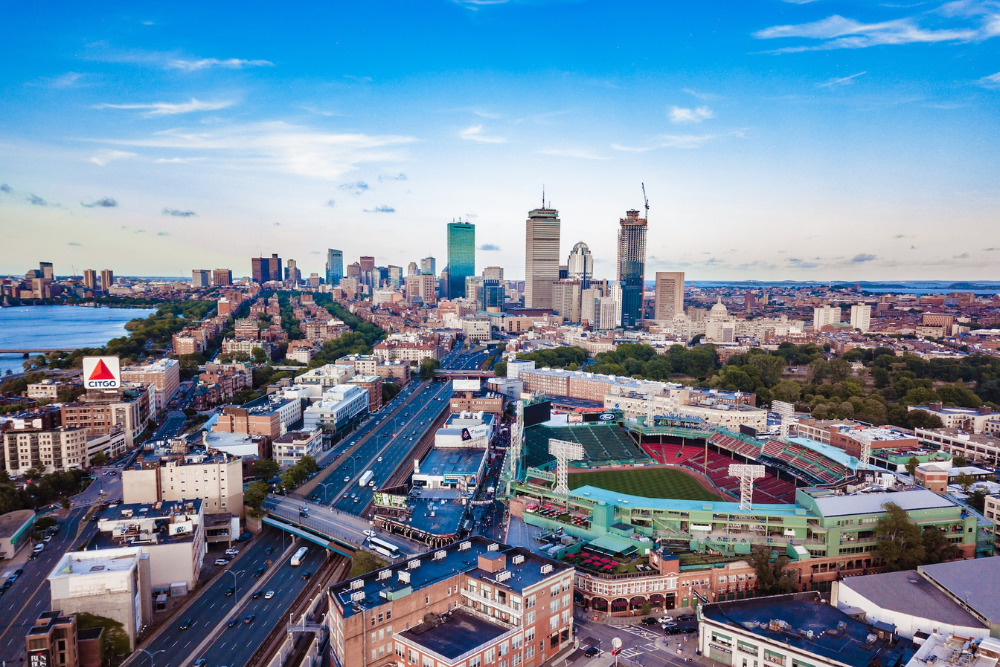
General Crime Statistics and Trends
Statistically, Boston consistently ranks as one of the safer large cities in the United States. While crime exists, as it does in every urban environment, serious violent crime rates have seen a general decline over several decades, reflecting trends in many major American cities. The vast majority of criminal incidents are concentrated in specific, non-touristy areas, and are often related to gang activity or domestic disputes, rarely impacting casual visitors. Petty crime, such as pickpocketing or bag snatching, can occur, especially in crowded tourist areas or on public transport, but diligent awareness can significantly mitigate these risks. The Boston Police Department is highly visible and actively engaged in community policing, contributing to the city’s overall security.
Comparing Boston to Other Major US Cities
When placed in comparison with other major urban centers across the United States, Boston generally fares very well in terms of safety metrics. Its crime rates, particularly for violent offenses, are often lower than those found in cities of comparable size and population density. This favorable comparison is a testament to effective policing, strong community engagement, and a generally prosperous economy in Massachusetts. Travelers accustomed to navigating major cities like New York City, Chicago, or Washington D.C. will find Boston to offer a similar or even enhanced sense of security in its main tourist zones.
Perception vs. Reality: Media Influence
Public perception of safety can often be swayed by media portrayals, which tend to focus on isolated incidents rather than the broader reality. While unfortunate events do occur, they are not representative of the everyday experience in Boston. The reality for most visitors is one of bustling streets, friendly locals, and a welcoming atmosphere. It’s important for travelers to rely on official statistics and informed local insights rather than allowing rare occurrences to color their entire view of a destination. Boston’s reality is one of a vibrant, safe city that embraces its millions of annual visitors.
Navigating Boston Safely: Key Areas and Districts
One of the most effective ways to ensure a safe and enjoyable trip is to understand the geography of the city and where visitors typically spend their time. Boston’s design makes it quite navigable, with many of its most appealing areas concentrated and well-patrolled.
Tourist-Friendly Neighborhoods
Boston boasts numerous neighborhoods that are exceptionally safe and popular among tourists, offering a delightful and worry-free experience.
- Beacon Hill: Famous for its picturesque cobblestone streets, gas lamps, and historic brick row houses, Beacon Hill is remarkably safe, even at night. Its charming aesthetics draw visitors to wander and explore, and the area is primarily residential with a strong sense of community.
- Back Bay: Known for its elegant Victorian brownstones, high-end shopping on Newbury Street, and proximity to the Boston Public Garden and Boston Common, Back Bay is consistently one of Boston’s safest and most affluent areas. It’s bustling during the day and well-lit at night.
- North End: Boston’s historic North End, often referred to as Little Italy, is famous for its narrow streets, historic sites, and incredible restaurants. Despite its maze-like quality, it is very safe, with a vibrant community and a constant stream of diners and tourists, particularly in the evenings.
- Seaport District: A newer, rapidly developing area, the Seaport District is characterized by modern architecture, upscale dining, and waterfront views. It’s a very safe, well-planned area with a strong corporate presence during the day and a lively nightlife, all under a watchful eye.
- Downtown Boston & Financial District: While busier, these central areas, home to attractions like Faneuil Hall and Quincy Market, are safe during the day and early evening. As with any downtown area, they can be quieter after business hours, warranting standard urban caution.
Areas to Exercise Caution
While Boston is generally safe, it’s wise for travelers to be aware that some areas, particularly after dark, might require a heightened sense of awareness, much like in any large city. These are typically not areas tourists would inadvertently wander into, as they lack major attractions. For instance, parts of Roxbury or Dorchester have higher crime rates, but these neighborhoods are far from the main tourist circuits. The key takeaway is to stick to well-trafficked, well-lit areas, especially at night, and avoid walking alone in deserted or poorly lit streets. Using ride-sharing services or licensed taxis is advisable if you find yourself in an unfamiliar area late at night.

Public Transportation Safety
Boston’s public transportation system, operated by the MBTA (often called “the T”), is generally safe and efficient. Millions of commuters and tourists use it daily. During peak hours, trains and buses are crowded, reducing the likelihood of incidents. Like any busy transport system, however, it can be a target for petty theft. Keep an eye on your belongings, especially on crowded trains or at busy stations. Avoid displaying expensive electronics or excessive amounts of cash. While rare, it’s wise to be aware of your surroundings, particularly late at night on less-trafficked lines or at deserted stations. For late-night travel, taxis or ride-shares might be a more comfortable and reassuring option.
Practical Safety Tips for Travelers in Boston
Embracing general travel safety practices will significantly enhance your experience in Boston, allowing you to focus on its beauty and charm rather than concerns about safety.
Awareness and Personal Belongings
- Be Mindful of Your Surroundings: This is perhaps the most fundamental safety tip. Pay attention to people around you, especially in crowded areas like Faneuil Hall Marketplace, the Freedom Trail, or on the MBTA. Avoid distractions like constantly looking at your phone.
- Secure Your Valuables: Keep wallets in front pockets, use cross-body bags that are difficult to snatch, and never leave phones or bags unattended, even for a moment. Be cautious when withdrawing cash from ATMs, and try to use those in well-lit, busy locations during the day.
- Guard Against Scams: Be wary of overly friendly strangers offering unsolicited help or trying to engage you in complex conversations, especially near tourist attractions. These can sometimes be distractions for pickpocketing attempts or efforts to solicit money under false pretenses.
Nighttime Safety
Boston is a city that comes alive at night, with vibrant dining, theater, and music scenes.
- Stay in Well-Lit Areas: When exploring after dark, stick to well-trafficked, well-lit streets and avoid shortcuts through parks or dimly lit alleys.
- Travel in Groups: If possible, travel with companions at night. If you’re alone, consider using taxis or ride-sharing apps, especially when traveling longer distances or returning to your accommodation late.
- Limit Alcohol Consumption: While enjoying Boston’s nightlife, drink responsibly. Excessive alcohol consumption can impair judgment and make you a more vulnerable target.
Emergency Preparedness and Resources
Familiarizing yourself with emergency procedures and resources can provide an added layer of confidence.
- Emergency Services: In the United States, the emergency number for police, fire, and ambulance services is 911. This number should only be used for genuine emergencies.
- Non-Emergency Police: For non-urgent police matters, you can contact the Boston Police Department directly. Their non-emergency number is usually readily available online or through your hotel concierge.
- Keep Important Numbers Handy: Have your hotel’s number, a local taxi service, and any personal emergency contacts stored in your phone. Consider sharing your itinerary with a trusted friend or family member.
- Travel Insurance: For international travelers, comprehensive travel insurance is always a wise investment, covering not just medical emergencies but also lost luggage or travel disruptions.
Enjoying Boston’s Charm with Peace of Mind
Ultimately, the question “Is Boston dangerous?” can be confidently answered with a resounding “No” for the vast majority of visitors. It is a city that prioritizes safety and offers a wealth of incredible experiences.
The Welcoming Atmosphere
Boston’s residents, often stereotyped as reserved, are generally welcoming and proud of their city. Many are happy to assist tourists with directions or recommendations. The city has a strong sense of community and civic pride, which contributes to a generally respectful and orderly atmosphere. From cheering on the Boston Red Sox at Fenway Park to strolling through the historic campuses of Harvard University or MIT in nearby Cambridge, you’ll find a city ready to share its unique identity.

Experiencing Boston’s Attractions Safely
Boston’s array of attractions, from the Museum of Fine Arts and the Isabella Stewart Gardner Museum to the New England Aquarium and the historic Boston Tea Party Ships & Museum, are all located in well-maintained and secure areas. Tour operators are knowledgeable about local conditions, and attractions often have their own security measures in place. Even the journey from Logan International Airport into the city center is straightforward and safe via the MBTA or ride services.
By applying common-sense travel precautions and remaining aware of your surroundings, you can fully immerse yourself in all that Boston has to offer, from its revolutionary history to its world-class dining and vibrant arts scene, without undue concern. Enjoy the rich tapestry of experiences awaiting you in this truly remarkable American city.
LifeOutOfTheBox is a participant in the Amazon Services LLC Associates Program, an affiliate advertising program designed to provide a means for sites to earn advertising fees by advertising and linking to Amazon.com. Amazon, the Amazon logo, AmazonSupply, and the AmazonSupply logo are trademarks of Amazon.com, Inc. or its affiliates. As an Amazon Associate we earn affiliate commissions from qualifying purchases.