
Understanding time zones is a fundamental aspect of planning any trip, especially to a city as historically rich and geographically distinct as Boston. For travelers, knowing whether Boston observes Eastern Time is not just a matter of curiosity but a practical necessity for coordinating flights, booking accommodations, and scheduling activities. This article aims to definitively answer that question and provide a comprehensive overview of timekeeping in the capital of Massachusetts.
Boston’s Time Zone: A Definitive Answer
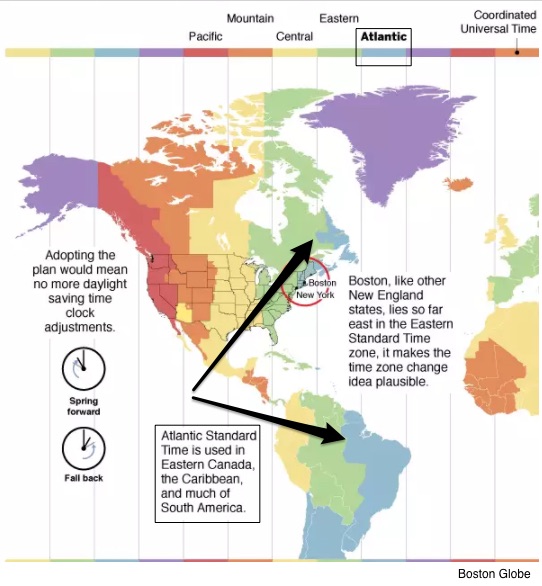
Yes, Boston is located within the Eastern Time Zone (ET) of the United States. This zone encompasses a vast swathe of the eastern part of the country, from Maine in the north down to Florida in the south, and extends westward to include cities like Chicago and Detroit.

Within the Eastern Time Zone, two distinct standards are observed: Eastern Standard Time (EST) and Eastern Daylight Time (EDT). The United States employs Daylight Saving Time (DST), a practice that adjusts clocks forward by one hour during the warmer months to make better use of daylight.
Eastern Standard Time (EST)
During the period when Daylight Saving Time is not in effect, Boston observes Eastern Standard Time. This is the baseline time for the zone and is equivalent to Coordinated Universal Time (UTC) minus five hours (UTC-5). Typically, EST is in effect from the first Sunday in November until the second Sunday in March. This means that during these months, when you are in Boston, the local time is five hours behind Coordinated Universal Time.
Eastern Daylight Time (EDT)
When Daylight Saving Time is active, Boston switches to Eastern Daylight Time. This is achieved by advancing the clock one hour from EST, making it UTC-4. EDT generally begins on the second Sunday in March and concludes on the first Sunday in November. This extended daylight allows for more outdoor activities and can influence travel schedules and evening plans.
The Practical Implications for Travelers
For travelers, understanding Boston’s time zone adherence is crucial for several reasons:
- Flight Bookings: When booking flights, always confirm the arrival and departure times in local time. Knowing that Boston is in the Eastern Time Zone helps in calculating layovers and understanding the actual duration of your journey, especially when traveling from different time zones across the United States or internationally. For instance, a flight departing from Los Angeles (Pacific Time) at 9:00 AM PST will arrive in Boston at 5:00 PM EST (assuming no DST for simplicity in this example), accounting for the three-hour difference and the flight duration.
- Hotel Reservations: When making hotel reservations, confirm check-in and check-out times in local Boston time. This prevents any confusion regarding when you can access your room or when you need to vacate it.
- Activity Planning: Boston offers a plethora of attractions, from historical sites like the Freedom Trail to world-class museums and vibrant culinary experiences. Knowing the local time ensures you can accurately plan your visits to sites with specific opening hours, make restaurant reservations, and book tours without missing out due to a misunderstanding of the time.
- Business and Communication: For those traveling to Boston for business, adhering to Eastern Time is essential for scheduling meetings, participating in conference calls, and coordinating with local colleagues or clients.
Navigating Time Zone Differences: Tips for a Smooth Transition
When traveling to Boston from a different time zone, adjusting to the local time can sometimes be challenging. Here are some tips to ease the transition:
Prepare Before You Travel
- Adjust Your Watch/Phone in Advance: Set your watch or phone to Boston’s time zone as soon as you board your flight, or even before you leave home. This helps you start mentally adjusting to the new time.
- Research the Time Difference: Understand the exact time difference between your departure location and Boston. This will make it easier to communicate with people back home and manage your schedule.
Upon Arrival in Boston
- Embrace the Local Schedule: Once you arrive, try to immediately adopt the local meal times and sleep schedule. This is often the most effective way to combat jet lag.
- Stay Hydrated and Get Some Sunlight: Drink plenty of water and expose yourself to natural daylight, especially in the morning. Sunlight is a powerful regulator of your body’s internal clock.
- Be Mindful of Business Hours: Remember that business hours for attractions, shops, and restaurants in Boston will be in Eastern Time. If you’re coming from a much earlier time zone, you might find that your normal waking hours coincide with the early morning or late evening in Boston, so plan accordingly.
Boston’s Place in the Eastern Time Zone: Broader Context
Boston’s adherence to the Eastern Time Zone places it within a significant portion of the United States that follows this time standard. This synchronization facilitates easier travel and communication between these populous and economically vital regions.
Major Cities in the Eastern Time Zone
Beyond Boston, numerous other major cities observe Eastern Time, including:
- New York City
- Washington D.C.
- Philadelphia
- Miami
- Atlanta
- Toronto (Canada)
This widespread adoption of ET means that for many travelers within the eastern half of North America, adjusting to Boston’s time will be minimal or non-existent.
Impact on International Travelers
For international visitors, understanding Boston’s time zone relative to their home country is a critical first step in planning their trip. For example, someone traveling from London (which observes Greenwich Mean Time or British Summer Time, both of which are ahead of EST) will experience a significant time difference, making it crucial to manage expectations regarding arrival and initial communication.
Beyond the Clock: Experiencing Boston’s Temporal Rhythms
While knowing the exact time is practical, immersing yourself in Boston’s unique temporal rhythms can enhance your travel experience.
Sunrise and Sunset in Boston
The length of daylight in Boston varies significantly throughout the year due to its northerly latitude and the effects of Daylight Saving Time.
- Summer: During the summer months, when EDT is in effect, Boston enjoys long daylight hours. Sunsets can occur as late as 8:30 PM, offering ample time for evening strolls along the Charles River or enjoying outdoor dining in neighborhoods like the North End.
- Winter: Conversely, winter days are much shorter. With EST in effect, sunsets can be as early as 4:00 PM. This calls for planning indoor activities like visiting the Museum of Fine Arts or enjoying a performance at the Boston Symphony Orchestra during daylight hours.
Seasonal Events and Timing
Boston hosts numerous iconic events, and their timing is often tied to the calendar and the clock:
- Boston Marathon: Held annually on Patriots’ Day, a Massachusetts state holiday typically observed on the third Monday in April, the marathon starts in the morning, taking advantage of cooler temperatures and maximizing the visible portions of the course for spectators.
- Fourth of July Celebrations: Independence Day events, including fireworks over the Charles River, commence in the evening, a common practice for such festivities to showcase the illuminations against the night sky.
In conclusion, Boston unequivocally observes Eastern Time, switching between EST and EDT according to Daylight Saving Time regulations. Understanding this temporal alignment is a vital component of seamless travel planning, ensuring that your visit to this historic and dynamic city is as enjoyable and well-coordinated as possible.
LifeOutOfTheBox is a participant in the Amazon Services LLC Associates Program, an affiliate advertising program designed to provide a means for sites to earn advertising fees by advertising and linking to Amazon.com. Amazon, the Amazon logo, AmazonSupply, and the AmazonSupply logo are trademarks of Amazon.com, Inc. or its affiliates. As an Amazon Associate we earn affiliate commissions from qualifying purchases.