
Boston, a city steeped in history and brimming with intellectual vitality, is often lauded for its picturesque streets, world-class universities, and vibrant cultural scene. Yet, beneath its charming facade lies a reputation: it’s one of the most expensive cities in the United States. For anyone considering a move, a long-term stay, or even an extended visit, the question “Is Boston expensive to live?” is not just relevant but crucial. The short answer is yes, it can be significantly more costly than the national average. However, understanding the nuances of these expenses, from housing to daily living, and how they contribute to the city’s unique lifestyle, is key to assessing whether the price tag aligns with the value. This guide delves deep into the various facets of Boston’s cost of living, offering insights for both prospective residents and long-term visitors.
Understanding Boston’s Cost of Living Landscape
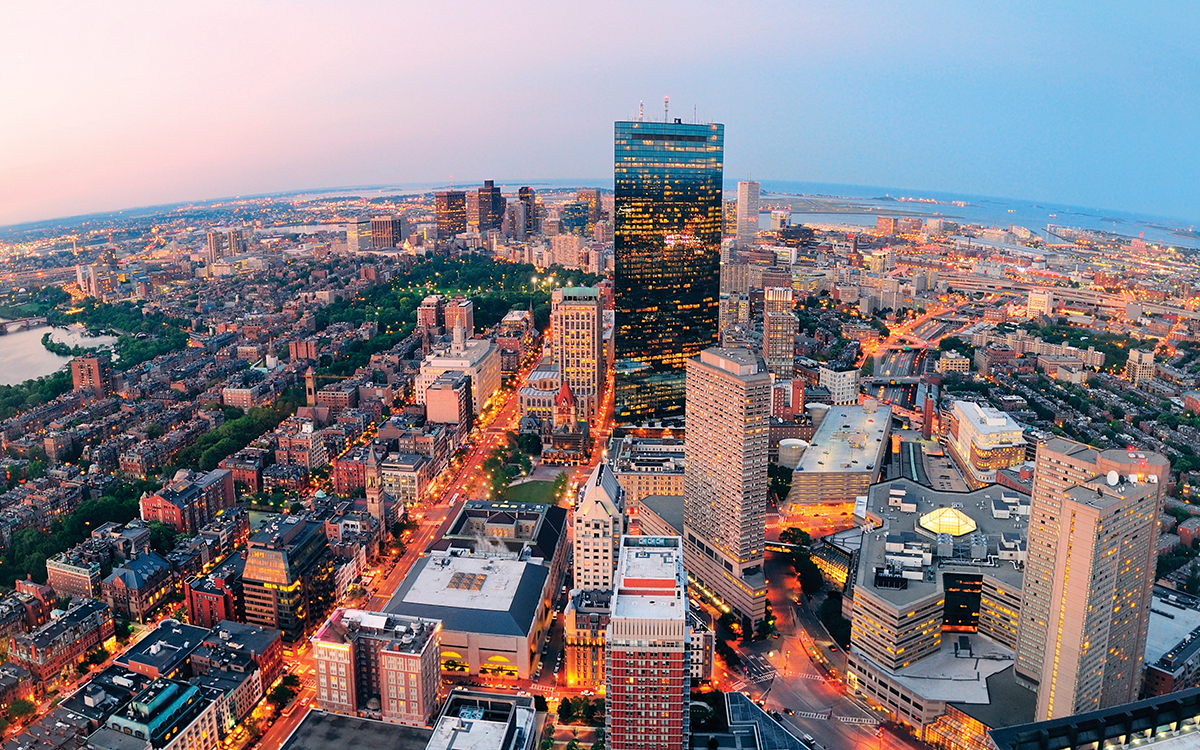
The overall cost of living in Boston is notably higher than the national average, primarily driven by housing, but also influenced by transportation, food, and entertainment. According to various economic indicators, Boston’s cost of living index consistently ranks among the top cities in the United States, often alongside places like New York City, San Francisco, and Washington D.C.. While salaries in the Boston metropolitan area tend to be higher to compensate, the gap isn’t always enough to offset the considerable expenses.
Housing: The Primary Driver of Expense
Housing is unequivocally the largest component of living expenses in Boston, whether you’re renting or buying. The city’s desirable location, limited space, and strong job market contribute to exceptionally high property values and rental rates.
For renters, average rents for a one-bedroom apartment can range from $2,500 to $3,500 per month, with studio apartments not far behind. Prices fluctuate significantly based on neighborhood. Prime areas like Back Bay, Beacon Hill, and the Seaport District command the highest rents, often exceeding $4,000 for a one-bedroom. These areas offer unparalleled access to landmarks, attractions, and luxury amenities. Slightly more affordable, yet still expensive, neighborhoods include the South End and North End, known for their historic charm and culinary scenes. Moving to neighboring cities like Cambridge or Somerville can offer a marginal decrease in rent, but these areas are also highly sought after and remain expensive.
Homeownership in Boston is an even greater financial undertaking. The median home price consistently hovers around $700,000 to $800,000, significantly above the national average. Condominiums, particularly in desirable areas, can easily exceed $1 million. The competitive market means that properties often sell quickly and above asking price, making it challenging for first-time buyers.
Transportation: Navigating the City
Getting around Boston also contributes to its high cost of living, though there are strategies to mitigate this. The city’s public transportation system, operated by the MBTA (Massachusetts Bay Transportation Authority) and affectionately known as the “T,” offers extensive subway, bus, and commuter rail services. A monthly pass for the T can cost around $90-$100, which is a significant recurring expense but often more economical than owning a car.
Owning a car in Boston presents several financial hurdles. Parking is notoriously expensive and scarce, with monthly garage fees easily reaching $300-$500 in downtown areas. Street parking permits are available for residents in many neighborhoods, but finding a spot can be a daily challenge. Auto insurance rates in Massachusetts are also among the highest in the nation due to dense traffic and urban driving conditions. Gas prices generally align with national averages but add to the overall burden.
For those who prioritize budget travel, Boston is a highly walkable city, particularly its historic core. Many attractions are within walking distance, and cycling is also a popular option, supported by increasing bike lanes and public bike-sharing programs. This can significantly reduce transportation costs for residents and visitors alike.
Lifestyle Expenses and Tourist Considerations
Beyond housing and transportation, daily living and tourism expenses in Boston can add up quickly. From dining out to entertainment and essential services, the city demands a higher financial commitment.
Food and Dining: From Everyday to Gourmet
Food costs in Boston are higher than the national average, both for groceries and dining out. A typical grocery bill for an individual can easily be 15-20% higher than in many other United States cities. This is partly due to the cost of importing goods and the general higher operating expenses for businesses.
The restaurant scene in Boston is diverse and exceptional, ranging from casual eateries to Michelin-starred establishments. However, even a casual meal can be pricey. A standard lunch can cost $15-$25, while dinner at a mid-range restaurant often starts at $50-$75 per person, not including drinks. Fine dining experiences, particularly in areas like the Seaport District or Back Bay, can easily exceed $100 per person. Iconic Boston treats like fresh lobster rolls or clam chowder, while delicious, come with a premium price tag. For those on a tighter budget, exploring ethnic eateries in neighborhoods outside the immediate downtown area or taking advantage of happy hour specials can offer more affordable options. Faneuil Hall Marketplace also offers a range of food stalls for a quicker, more budget-friendly bite.
Entertainment and Activities: Making the Most of Boston
Boston offers a wealth of attractions and experiences, but enjoying them can impact your budget. Many historical landmarks are free to explore, such as walking the Freedom Trail, strolling through Boston Common and the Public Garden, or visiting the Old State House exterior. The Paul Revere House and the Bunker Hill Monument also offer low-cost or free entry.
However, many of the city’s premier cultural institutions and attractions have significant admission fees. A visit to the Museum of Fine Arts, the Isabella Stewart Gardner Museum, or the New England Aquarium can cost $20-$30 per adult. The Boston Tea Party Ships & Museum also offers an engaging, albeit ticketed, historical experience. Catching a game at Fenway Park to see the Boston Red Sox or attending a concert or Boston Celtics game at TD Garden can be quite expensive, with tickets often starting at $50 and easily exceeding $100 depending on the event and seating.

For visitors, investing in a Go Boston Card or similar city pass can offer savings if you plan to visit multiple ticketed attractions. Taking advantage of free walking tours, exploring diverse neighborhoods, and enjoying the city’s numerous parks can provide rich experiences without breaking the bank.
Healthcare and Education
While not daily expenses, healthcare and education are significant long-term considerations that contribute to the overall cost of living in Boston. Massachusetts is known for its world-class medical facilities, including prestigious hospitals like Massachusetts General Hospital. While access to quality care is excellent, health insurance premiums and out-of-pocket costs can be substantial.
Education is another area where Boston shines, hosting some of the world’s most renowned universities, such as Harvard University and the Massachusetts Institute of Technology (MIT). While these institutions attract top talent and drive innovation, their tuition fees are among the highest globally. For families with children, private school tuition is also significantly higher than the national average. Public schools in the Boston area are generally well-regarded, but demand for housing in top school districts drives up property values.
Accommodation for Visitors: Hotels, Resorts, and Alternative Stays
For those planning a trip to Boston, accommodation will likely be one of the largest budget items. The city offers a wide spectrum of options, from luxurious hotels and resorts to more budget-friendly hotels and long-term stay apartments.
Luxury and Boutique Hotels
Boston boasts an impressive array of high-end hotels that cater to discerning travelers seeking luxury travel and impeccable service. Iconic establishments like The Ritz-Carlton, Boston, Four Seasons Hotel Boston, and Omni Parker House offer opulent suites, gourmet dining, and prime locations near major attractions. Other notable luxury hotels include The Langham, Boston and The Godfrey Hotel Boston. Room rates at these hotels typically start from $400-$600 per night and can easily exceed $1000 for premium suites or during peak seasons (e.g., fall foliage, university graduations). These properties are often chosen for business stays or special experiences.
Mid-Range and Budget-Friendly Options
For those looking for comfortable stays without the luxury price tag, Boston has numerous mid-range hotels and chain properties. Brands like Courtyard by Marriott Boston Downtown or Hyatt Regency Boston offer reliable service and modern amenities at rates typically ranging from $200-$400 per night. To find more budget-friendly hotels, travelers might need to look slightly outside the immediate downtown core, in areas accessible by the T, such as Longwood Medical Area or near Logan International Airport. Hostels in Boston are also an option for solo travelers or groups on a very tight budget, with dorm beds starting around $50-$80 per night.
Long-Term Stays and Vacation Rentals
For extended trips or those considering a temporary move, long-term stay apartments or vacation rentals can be more cost-effective than traditional hotels. Platforms like Airbnb or specialized apartment rental sites offer furnished apartments and villas for weekly or monthly stays. While daily rates might seem comparable to mid-range hotels, the ability to cook your own meals significantly reduces food expenses. Additionally, many long-term stay hotels offer kitchenette facilities and amenities designed for extended visits, providing a balance of comfort and practicality. Booking well in advance and reading reviews are essential for securing good value.
Budgeting Strategies for Living and Visiting Boston
While Boston is undeniably expensive, strategic budgeting can make living or visiting the city more manageable. It requires a conscious effort to make smart choices across various expenditure categories.
Smart Choices for Residents
For those looking to reside in Boston more permanently, cost-saving strategies are crucial.
- Neighborhood Selection: Opting for neighborhoods further from the downtown core or central Cambridge can significantly reduce rent. Areas like Allston, Brighton, Dorchester, or even suburban towns with good MBTA access can offer more affordable accommodation without completely sacrificing city access.
- Public Transportation Utilization: Rely heavily on the MBTA. Investing in a monthly pass is far more cost-effective than owning a car, especially when factoring in parking, insurance, and gas. Many residents choose to live without a vehicle entirely.
- Cooking at Home: Limit dining out. Planning meals, grocery shopping at larger supermarkets (which tend to have better prices than small urban markets), and cooking at home will drastically cut food expenses.
- Budgeting for Utilities: Account for utility costs, especially heating during the long New England winters, which can be substantial in older buildings.
Tips for Tourists on a Budget
Visitors seeking a budget travel experience in Boston can also employ smart strategies:
- Take Advantage of Free Attractions: Focus on the city’s numerous free historical landmarks and public spaces. Walking the Freedom Trail, exploring Boston Common, visiting the USS Constitution and Museum (by donation), and strolling through the Public Garden offer rich cultural experiences at no cost.
- Utilize Public Transport: Purchase a multi-day MBTA pass if you plan to use public transit extensively. Otherwise, rely on walking and single-ride fares.
- Eat Smart: Balance dining out with preparing your own meals if your accommodation allows. Explore food markets or casual eateries for more affordable meals. Look for lunch specials, which are often cheaper than dinner.
- Travel Off-Peak: Visiting during the off-peak seasons (late winter to early spring, excluding holidays) can yield significant savings on hotels and flights. Boston in the fall is beautiful but also one of the most expensive times to visit.
- Consider City Passes: If you plan to visit several ticketed museums or attractions, a Boston CityPASS or Go Boston Card can offer considerable savings compared to individual ticket purchases.

Conclusion
So, is Boston expensive to live? Undeniably, yes. Its cost of living, particularly housing, places it among the priciest cities in the United States. However, the value proposition of Boston extends beyond mere financial figures. It’s a city offering unparalleled history, world-class education and healthcare, a thriving job market in sectors like biotech and tech, and a vibrant cultural tapestry that enriches daily life. For many, the high cost is a justifiable trade-off for the quality of life, opportunities, and experiences it provides.
For both potential residents and visitors planning their next travel destination, understanding these expenses is the first step. With careful planning, strategic budgeting, and a willingness to explore options beyond the most expensive choices, one can indeed navigate the financial landscape of Boston and enjoy all that this remarkable New England gem has to offer. Whether you seek luxury travel or are keen on budget travel, Boston has a place for you, provided you approach it with an informed perspective on its costs.
LifeOutOfTheBox is a participant in the Amazon Services LLC Associates Program, an affiliate advertising program designed to provide a means for sites to earn advertising fees by advertising and linking to Amazon.com. Amazon, the Amazon logo, AmazonSupply, and the AmazonSupply logo are trademarks of Amazon.com, Inc. or its affiliates. As an Amazon Associate we earn affiliate commissions from qualifying purchases.