
Boston, a city steeped in history and vibrant modernity, often carries a reputation for being an expensive destination. Like many major U.S. cities, it can indeed be pricey, but the true cost of experiencing Boston is highly dependent on a traveler’s lifestyle choices, priorities, and planning. Understanding the various cost drivers—from accommodation and dining to transportation and attractions—is key to determining whether your trip aligns with your budget. For the savvy traveler, Boston offers a spectrum of experiences, from lavish luxury to surprisingly affordable adventures.
Understanding Boston’s Cost Landscape
The perception of Boston’s expense is rooted in several core categories that typically consume the largest portion of any travel budget. By dissecting these, potential visitors can better anticipate their outlays and strategize ways to save.
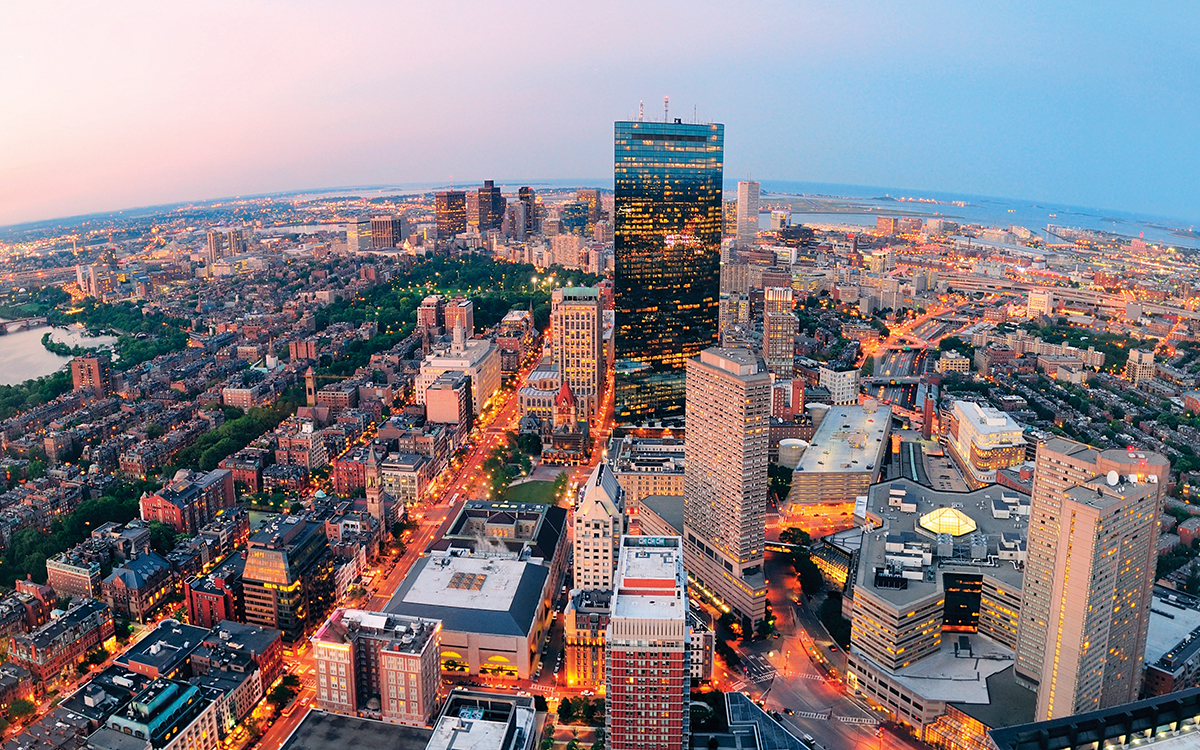
Accommodation: The Biggest Variable
Your choice of lodging will undeniably be the most significant factor influencing the overall cost of a Boston trip. The city boasts a wide array of options, each with its own price point.
Hotels: Luxury, Mid-range, and Budget
Luxury hotels, often found in prime areas like Back Bay, the Seaport District, or near Boston Common, can easily command upwards of $400-$800 per night, especially during peak seasons or major events. These establishments offer premium amenities, often including concierge services, fine dining, and prime locations, catering to a traveler seeking indulgence and convenience. Examples include the Four Seasons Hotel Boston or The Ritz-Carlton, Boston.
Mid-range options, typically priced between $200-$400, offer a comfortable balance of quality and cost. These might be found slightly further from the absolute center or in neighborhoods like the North End or Beacon Hill in boutique settings. They usually provide essential amenities, good service, and accessible locations via public transit.
Budget-friendly hotels or motels, often located on the outskirts or in less central neighborhoods, might range from $100-$200 per night. These cater to travelers prioritizing savings over extensive amenities or immediate proximity to major attractions. Hostels, though fewer in number than in some European cities, also provide a very economical choice for solo travelers or those unconcerned with private rooms, often starting around $50-$80 for a bunk.
Short-term Rentals
Platforms offering short-term apartment rentals can be a cost-effective alternative, especially for families or groups. These can sometimes offer more space and the option for self-catering, which further reduces dining expenses. However, prices fluctuate wildly based on location, size, and demand, often mirroring hotel rates in desirable areas.
Seasonality
Boston’s tourism peaks in the summer (June-August) and during fall foliage season (September-October), when demand for accommodation drives prices sky-high. Visiting in the shoulder seasons (April-May, late October-November) or during the colder winter months (January-March) can result in significant savings on lodging, though some attractions might have reduced hours.
Dining: From Casual Bites to Fine Dining
Boston’s culinary scene is diverse, offering everything from classic New England seafood shacks to Michelin-starred dining experiences. Your approach to food can drastically alter your daily expenses.
High-end Restaurants
A multi-course meal at one of Boston’s acclaimed fine dining establishments—like Menton or O Ya—can easily cost $100-$300 per person, excluding drinks and tip. These experiences are for those who consider gastronomy a central part of their travel lifestyle.
Mid-range Eateries
Casual sit-down restaurants, popular bistros, or ethnic eateries are plentiful and offer meals typically ranging from $20-$50 per person. This category includes many of the beloved seafood restaurants in the Seaport District or Italian trattorias in the North End.
Budget-friendly Options
For those on a tighter budget, Boston offers numerous affordable choices. Food trucks around the Financial District or Copley Square, casual sandwich shops, pizza places, and the diverse offerings within Faneuil Hall Marketplace can provide a satisfying meal for under $15-$20. Opting for self-catering by utilizing local grocery stores or markets like the Boston Public Market is another excellent way to manage food costs, especially if your accommodation includes a kitchen.
Transportation: Navigating the City

Boston is a very walkable city, particularly its historic core. However, for longer distances, understanding public transit and other options is essential.
Public Transit (MBTA)
The Massachusetts Bay Transportation Authority (MBTA), affectionately known as “the T,” offers an extensive network of subways, buses, and commuter rail. A single subway ride costs around $2.90 with a CharlieCard (reusable plastic card) or $2.40 if you buy a paper ticket. Multi-day passes (e.g., 7-day pass for about $22.50) can be very economical for extensive travel. This is by far the most budget-friendly way to get around.
Ride-shares/Taxis
Services like Uber and Lyft are readily available but can quickly add up, especially during peak hours or for longer distances. A typical ride across downtown might cost $15-$30, while airport transfers could be $30-$50. Taxis generally fall into a similar price range.
Walking
Many of Boston’s most famous attractions, like the Freedom Trail or the Boston Public Garden, are concentrated in walkable areas. Embracing walking not only saves money but also offers an intimate way to experience the city’s charming streets and hidden gems.
Attractions and Activities: Free vs. Fee
Boston offers a rich tapestry of historical, cultural, and recreational activities. Many of its most iconic sights are free, balancing out the cost of others.
Iconic Sights with No Entry Fee
Travelers on a budget can fill their days with meaningful experiences without spending a dime.
- Freedom Trail: A 2.5-mile red-lined path connecting 16 historically significant sites, including the Boston Common, Massachusetts State House, Old North Church, and the site of the Boston Massacre. Walking this trail is a journey through American history.
- Boston Public Garden: America’s first public botanical garden offers stunning landscapes, perfect for a leisurely stroll or a picnic. The adjacent Boston Common is also free and a great spot for people-watching.
- Faneuil Hall Marketplace: While shopping and dining cost money, exploring this historic market, watching street performers, and soaking in the lively atmosphere is entirely free.
- Newbury Street: Window shopping along this elegant street in Back Bay offers a glimpse into Boston’s upscale boutiques and vibrant street life.
Must-See Paid Experiences
For those with room in their budget, Boston has world-class museums and unique attractions.
- Museums: Entry to major institutions like the Museum of Fine Arts or the Isabella Stewart Gardner Museum typically costs $20-$30 per person. The Boston Tea Party Ships & Museum offers an immersive historical experience for a similar price. Many museums offer free admission days or evenings, which can be a great saving strategy.
- Sporting Events: Catching a Boston Red Sox game at Fenway Park or a Boston Celtics game at the TD Garden can be a quintessential Boston experience, but tickets can range from $30 for nosebleed seats to hundreds for prime locations, not including concessions.
- Whale Watching Tours: Departing from the New England Aquarium area, these tours are popular seasonal attractions and can cost $60-$80 per person.
Strategies for Managing Your Boston Budget
Regardless of whether you categorize yourself as a luxury, mid-range, or budget traveler, strategic planning can significantly impact your overall expenses in Boston.
Travel Off-Peak
Visiting during the winter months (excluding holidays) or late spring/early fall can result in substantial savings on flights and accommodations. While the weather might be chillier, the city’s charm remains, and you’ll encounter smaller crowds.
Utilize City Passes
Consider purchasing a Go City Boston Pass or similar attraction passes if you plan to visit multiple paid attractions. These passes offer discounted entry to a bundle of popular sites and tours, often providing significant savings over individual ticket purchases.
Self-Catering and Meal Planning
Booking accommodation with a kitchenette allows for preparing some meals, especially breakfast and packed lunches. This drastically reduces dining costs. Exploring local markets for fresh produce and gourmet items can also be an enjoyable cultural experience in itself.
Focus on Free Activities
Prioritize Boston’s numerous free attractions. A walk through the Public Garden, exploring the Freedom Trail, strolling along the Boston Harborwalk, or visiting the various neighborhoods like the North End and Beacon Hill offer rich experiences without a price tag. Many museums also offer free days or evenings, which are worth researching.
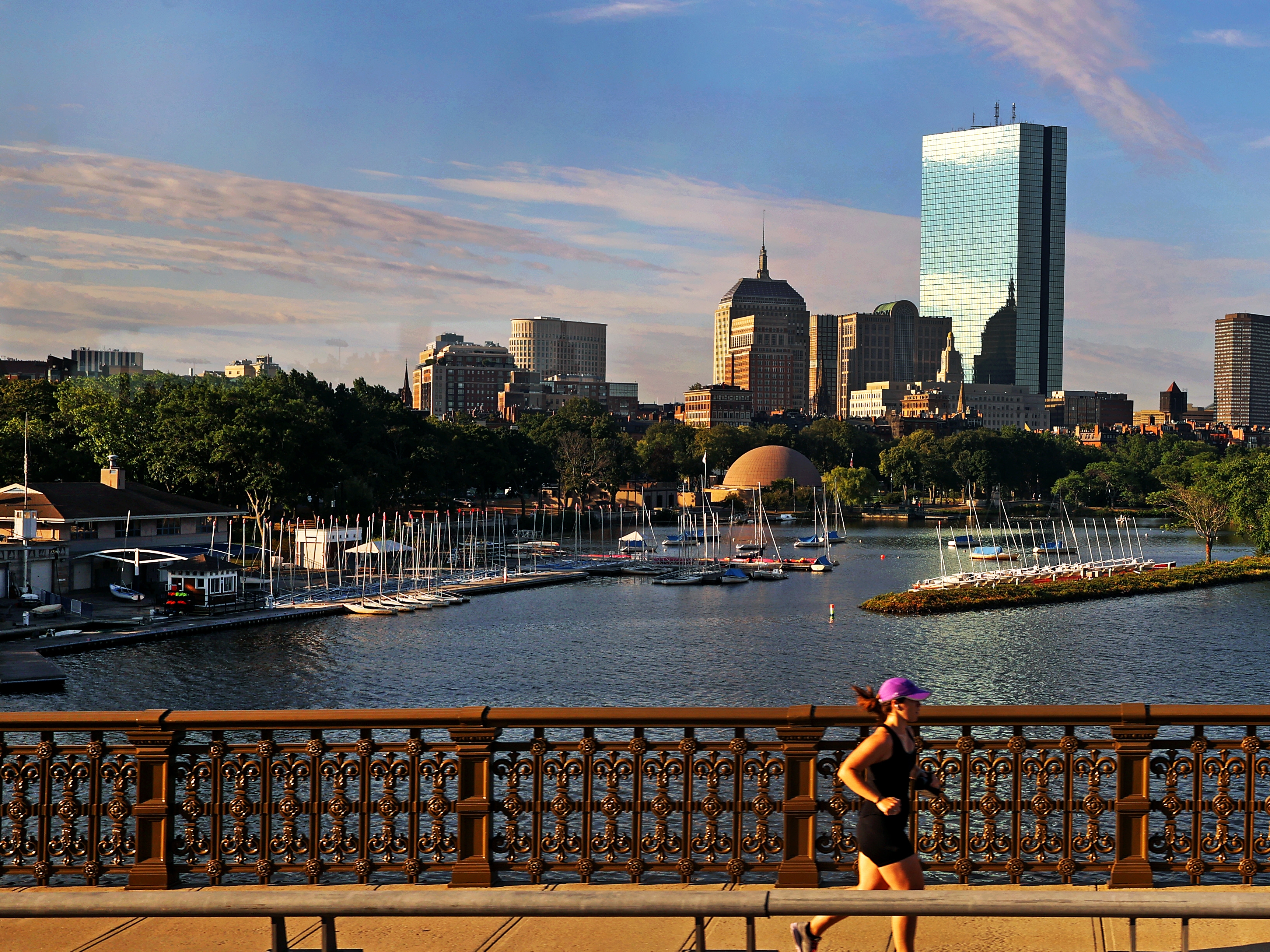
Is Boston Worth the Investment?
Ultimately, whether Boston is “expensive” is subjective and depends on your financial comfort level and travel style. While it’s certainly not the cheapest destination in the U.S., its unparalleled historical significance, vibrant cultural scene, world-class institutions, and unique charm make it a truly worthwhile investment for many travelers. With careful planning and a conscious effort to balance splurges with savings, anyone can craft a memorable Boston experience that aligns with their budget and lifestyle preferences. From luxurious getaways to budget-conscious explorations, Boston offers a captivating journey through American heritage and modern urban life.
LifeOutOfTheBox is a participant in the Amazon Services LLC Associates Program, an affiliate advertising program designed to provide a means for sites to earn advertising fees by advertising and linking to Amazon.com. Amazon, the Amazon logo, AmazonSupply, and the AmazonSupply logo are trademarks of Amazon.com, Inc. or its affiliates. As an Amazon Associate we earn affiliate commissions from qualifying purchases.