
When considering a move, a prolonged stay, or even just a visit to the Golden State, understanding its unique economic and social landscape is paramount. Among the many questions potential residents or long-term travelers might ponder, one fundamental query often surfaces: “Is California a Right-to-Work state?” This question, seemingly dry and legalistic, actually holds significant implications for the labor market, cost of living, and overall lifestyle experience in one of the United States’ most vibrant and diverse regions.
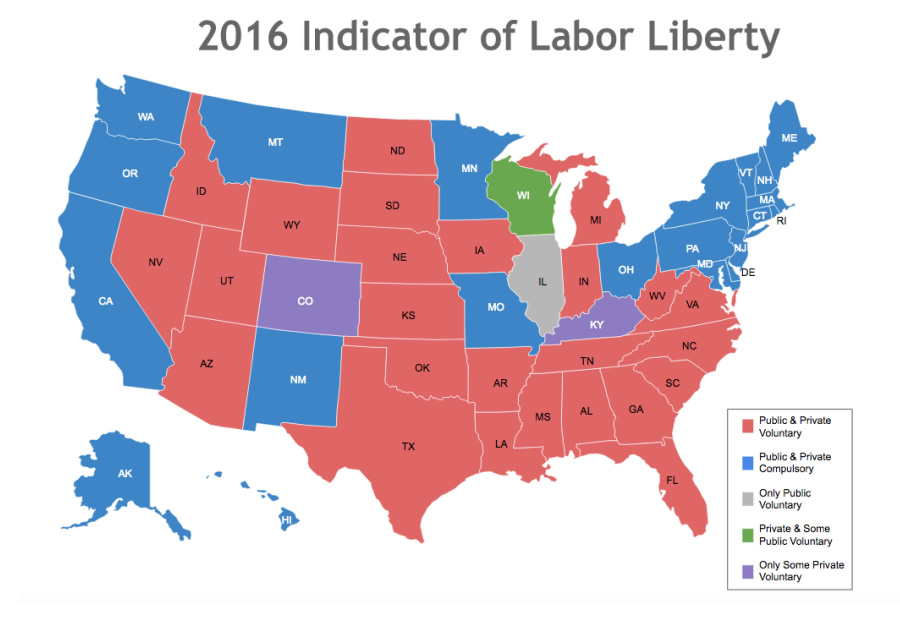
The short answer is no, California is not a Right-to-Work state. This distinction profoundly shapes everything from union presence and worker protections to wage structures and the broader economic environment. While the nuances of labor law might not be the first thing a tourist thinks about when planning a trip to Yosemite National Park or envisioning the glamour of Hollywood, these underlying policies contribute to the very fabric of life in California, impacting everything from the hospitality industry to the tech giants of Silicon Valley. For those seeking to immerse themselves in local culture, understand the economic drivers behind the state’s renowned food scene, or even consider long-term stay options, grasping this fundamental aspect of Californian law is incredibly insightful.
Understanding Right-to-Work Laws and California’s Stance
Before delving into the broader implications, it’s crucial to first understand what “Right-to-Work” laws entail and how California’s position as a non-Right-to-Work state differentiates it from others.
Defining “Right-to-Work” Principles
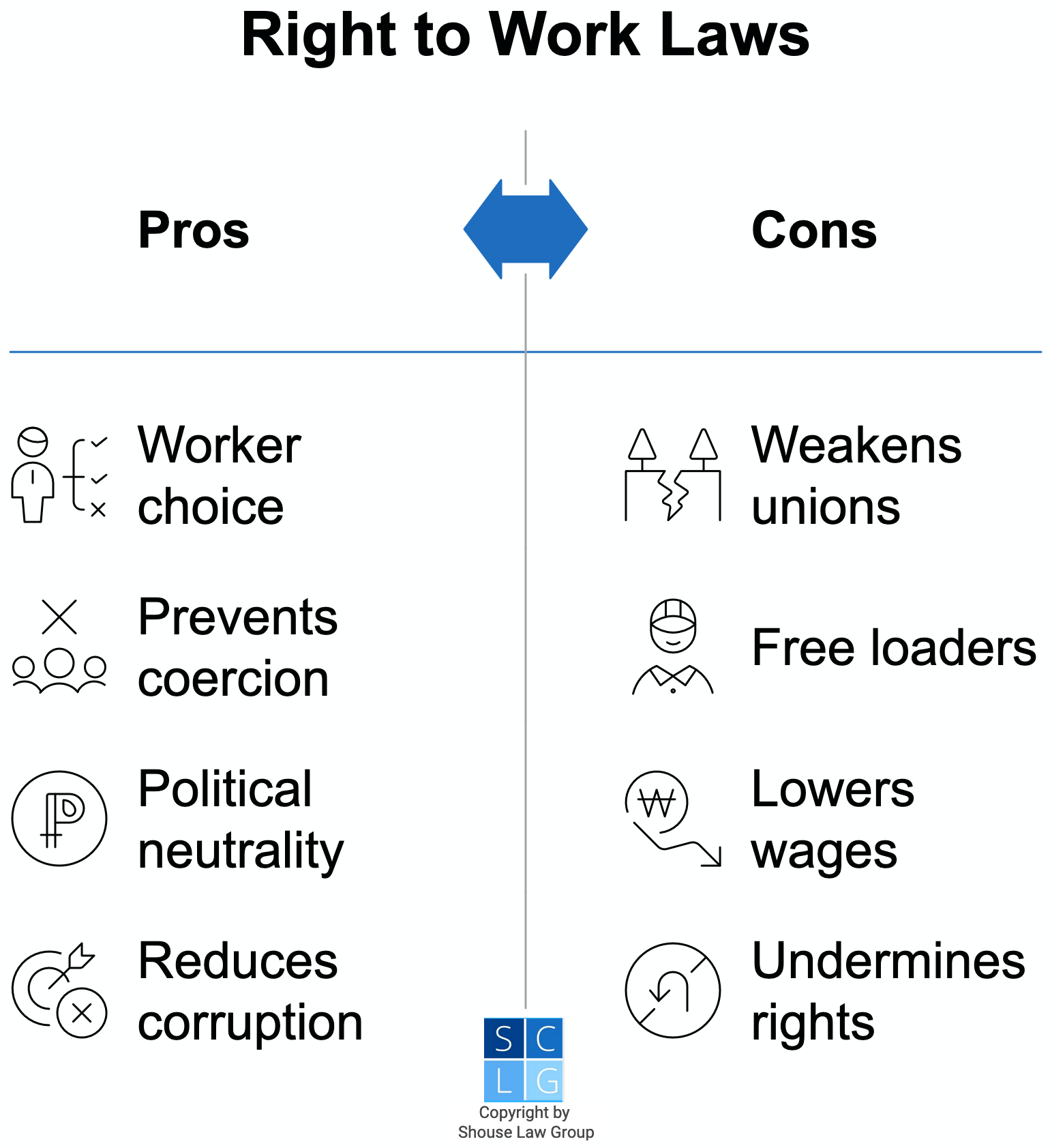
“Right-to-Work” laws are statutes in some U.S. states that prohibit mandatory union membership or the payment of union dues/fees as a condition of employment. In a Right-to-Work state, employees in unionized workplaces cannot be compelled to join the union or pay agency fees (fees to cover the costs of collective bargaining) even if the union negotiates their wages, benefits, and working conditions. The rationale behind these laws is often cited as protecting individual workers’ freedom of association and preventing forced financial support for unions. Proponents argue that these laws empower workers, foster economic growth by attracting businesses, and create more competitive labor markets.
Conversely, opponents of Right-to-Work laws contend that they weaken unions by allowing some workers to benefit from collective bargaining without contributing to its costs, thus creating “free riders.” They argue that this undermines unions’ ability to negotiate effectively for better wages, benefits, and safer working conditions for all employees, ultimately leading to lower wages and fewer protections across the board.
California’s Non-Right-to-Work Status Explained
California falls into the category of states that do not have Right-to-Work laws. This means that, in a unionized workplace within California, employees may be required, as a condition of employment, to join the union or at least pay agency fees that cover the costs of collective bargaining and contract administration. This arrangement, often referred to as a “union security clause,” ensures that all employees who benefit from the union’s representation contribute to its operational costs.
The historical context of labor movements in California is rich, with strong unions having played a pivotal role in shaping industries from agriculture and manufacturing to film and public services. This strong union presence has profoundly influenced the state’s labor policies, worker rights, and compensation levels, setting it apart from its Right-to-Work counterparts. For anyone considering business stays or even relocating for work, understanding this framework is not just a matter of legal trivia; it’s a key insight into the state’s economic ethos.
The Economic and Lifestyle Ripple Effects in the Golden State
California’s non-Right-to-Work status is not merely a legal detail; it’s a foundational element that has significant economic and lifestyle ripple effects throughout the Golden State. These effects touch upon everything from the wages workers earn and the protections they receive, to the overall cost of living and doing business, all of which are crucial considerations for travelers, potential residents, and those interested in the state’s diverse tourism offerings.
Labor Landscape and Worker Protections
In a non-Right-to-Work state like California, unions generally have a stronger presence and greater bargaining power. This often translates into higher wages, more comprehensive benefits (such as health insurance and retirement plans), and robust worker protections. Unions actively negotiate on behalf of their members, advocating for fair treatment, safer working conditions, and a strong voice in workplace decisions. This can be particularly evident in sectors like entertainment, construction, healthcare, and public education, where unions have historically been very influential.
For travelers, especially those involved in business stays or attending conferences, understanding this labor landscape can provide context to the service industry, which often sees its workforce benefit from these protections. The quality of service in hotels, the efficiency of public transport, and even the nuances of local culture are all, to some extent, influenced by the robust labor environment. These protections contribute to a certain baseline quality of life for many Californians, which in turn shapes the overall societal fabric.
Cost of Living and Business Environment
The strength of unions and higher labor costs in California contribute significantly to the state’s higher cost of living and doing business. Wages tend to be higher to match the increased cost of housing, goods, and services. While beneficial for workers, this can translate into higher prices for consumers and businesses alike. From a traveler’s perspective, this means that the cost of accommodation, dining out, and various activities might be higher than in other parts of the United States.
For instance, finding affordable hotels or apartments for a long-term stay in major metropolitan areas like Los Angeles or San Francisco can be a challenge. The cost of labor impacts the prices across the board, from construction of new resorts to the daily operations of a restaurant. This economic reality is a critical factor for those planning a budget travel experience or considering relocation, requiring careful financial planning and research into booking strategies and comparison sites.
However, this higher cost is often justified by a higher quality of life, robust social services, and a dynamic economy driven by innovation and a highly skilled workforce. California boasts some of the world’s leading industries, from technology and entertainment to agriculture and tourism, attracting talent globally despite the higher operating costs.
Beyond Labor Laws: California’s Irresistible Charm for Travelers and Residents
While California’s labor laws paint a picture of its economic and social structure, they are but one facet of what makes the state an unparalleled destination for travel, tourism, and lifestyle. The allure of the Golden State transcends economic considerations, drawing millions with its breathtaking nature, vibrant cities, and diverse cultural experiences.
A Mosaic of Iconic Destinations and Experiences
California is a land of extremes and endless possibilities, offering a kaleidoscope of destinations and attractions that cater to every taste. From the sun-drenched beaches of San Diego to the dramatic cliffs of Big Sur along the Pacific Coast Highway, and from the majestic peaks of the Sierra Nevada to the otherworldly landscapes of Death Valley National Park, the state’s natural beauty is simply unparalleled.
Urban explorers can lose themselves in the sprawling metropolis of Los Angeles, home to Hollywood’s film studios, Beverly Hills’ luxury, and the vibrant arts scene of downtown. A visit to Universal Studios Hollywood or a stroll along the Santa Monica Pier are quintessential California experiences. Further north, San Francisco beckons with its iconic Golden Gate Bridge, historic cable cars, and the infamous Alcatraz Island. The city’s unique architecture and rich history make it a must-see landmark.
Families often flock to Anaheim for the magic of Disneyland Resort, while adventure seekers find their paradise in Lake Tahoe’s pristine waters and ski slopes. The serene wine country of Napa Valley and Sonoma County offers world-class culinary experiences and vineyard tours. For those seeking tranquility, the towering Redwood National Park or the surreal beauty of Joshua Tree National Park provide unforgettable encounters with nature.
Diverse Accommodation Options for Every Journey
Given its immense popularity as a travel destination, California offers an unparalleled array of accommodation options to suit every preference and budget. From opulent luxury travel resorts in Palm Springs or Malibu, complete with high-end amenities and bespoke services, to charming boutique hotels in coastal towns like Santa Barbara and Carmel-by-the-Sea, the choices are vast.
For family trips, there are numerous family-friendly hotels and suites with kid-oriented amenities near major attractions. Those preferring more space or a home-away-from-home feel can opt for apartments or villas available for rent, ideal for long-term stay or larger groups. Budget travel options, including hostels and motels, are also widely available, particularly outside the most expensive city centers. Utilizing online booking platforms and checking reviews and comparison sites is essential to find the best deals and ensure a comfortable stay, regardless of your destination within the state.

Lifestyle and Culture: The Californian Dream
The “Californian Dream” is more than just a cliché; it embodies a lifestyle characterized by innovation, wellness, outdoor living, and a progressive mindset. This ethos is deeply intertwined with the state’s economic prosperity and its diverse population. California’s rich tapestry of cultures, influenced by its proximity to Mexico and its status as a global magnet for immigrants, creates a vibrant and eclectic local culture.
The food scene is a testament to this diversity, offering everything from authentic Mexican street food to Michelin-starred dining, and pioneering farm-to-table movements. Art, music, and fashion flourish, with countless galleries, music venues, and festivals throughout the year. The emphasis on health and wellness is pervasive, reflected in the popularity of outdoor activities like surfing, hiking, and yoga, as well as the abundance of organic produce and health-conscious dining options. For digital nomads or those considering a permanent move, California offers a stimulating environment with ample opportunities for personal and professional growth, albeit at a higher cost of living.
Planning Your California Adventure: Tips for Visitors and Potential Settlers
Whether you’re planning a short vacation or contemplating a more permanent relocation, navigating California’s unique environment requires some strategic planning. Understanding its non-Right-to-Work status and its broader implications can inform your decisions, ensuring a smoother and more enjoyable experience.
Navigating the Golden State’s Unique Economy
For those considering employment in California, be aware of the stronger union presence in certain industries. Researching industry-specific labor conditions and union affiliations can be beneficial. While the cost of living is high, so too are the average wages in many sectors, particularly in tech hubs like San Jose and Silicon Valley, or the entertainment industry in Los Angeles. Budgeting for higher housing, transportation, and general living expenses is crucial for anyone planning a long-term stay or permanent move. Exploring different cities beyond the major hubs, such as Sacramento or those in the Central Valley, might offer more affordable alternatives while still providing access to the state’s abundant opportunities.
Maximizing Your Travel and Living Experience
For tourists, planning ahead is key to maximizing your California experience without breaking the bank. Utilize guides and tips available online to find the best deals on accommodation and activities. Consider visiting during the shoulder seasons (spring and fall) to avoid peak crowds and potentially lower prices for hotels and flights. Many of California’s most stunning landmarks, like its national parks and beaches, offer free or low-cost access, making budget travel entirely feasible.
Explore the diverse range of hotels, resorts, apartments, and even unique villas available, paying close attention to reviews and amenities to match your needs. For those interested in local culture and food, exploring neighborhood markets, food trucks, and lesser-known eateries can offer authentic and affordable culinary experiences. Embrace the outdoor lifestyle by hiking, biking, or simply enjoying the state’s beautiful parks and coastlines. Whether it’s a luxury travel escapade or a frugal adventure, careful planning ensures that the Golden State’s magic is accessible to all.
Conclusion: California’s Enduring Appeal
In conclusion, California is unequivocally not a Right-to-Work state, a fact that shapes its labor market, influences its economic landscape, and contributes to its higher cost of living. This policy, which strengthens union presence and worker protections, is a defining characteristic of the Golden State’s progressive ethos.
However, the question of its Right-to-Work status quickly becomes secondary when one considers the vast array of experiences California offers. Its magnetic appeal lies in its unparalleled destinations, from the iconic cities and landmarks to its diverse natural wonders. The state continues to be a global hub for innovation, culture, and a vibrant lifestyle that attracts millions of visitors and new residents each year.
For anyone planning travel, accommodation, or a long-term stay in California, understanding this unique blend of robust labor policies and irresistible charm is key. It allows for a more informed perspective on everything from the cost of hotels and food to the quality of services and the overall societal fabric. Despite its economic complexities, California remains a dream destination, offering a rich tapestry of tourism experiences that continue to captivate and inspire. The Golden State truly offers something for everyone, making it an enduring beacon on the global stage, irrespective of its labor laws.
LifeOutOfTheBox is a participant in the Amazon Services LLC Associates Program, an affiliate advertising program designed to provide a means for sites to earn advertising fees by advertising and linking to Amazon.com. Amazon, the Amazon logo, AmazonSupply, and the AmazonSupply logo are trademarks of Amazon.com, Inc. or its affiliates. As an Amazon Associate we earn affiliate commissions from qualifying purchases.