
For anyone considering a move to the Golden State for work, or entrepreneurs looking to establish a new venture in its vibrant tourism and hospitality sectors, understanding the nuances of employment law is paramount. The short answer to whether California is an at-will employment state is yes, it generally is. However, like many legal frameworks, this general rule comes with significant exceptions and intricacies that are crucial for both employers and employees to comprehend. These exceptions, far from being minor footnotes, provide substantial protections for workers and establish a framework that differs considerably from a purely “at-will” environment. This deep dive will explore what at-will employment truly means in the context of California’s unique legal landscape, its implications for the diverse workforce that fuels its booming travel and hospitality industries, and essential considerations for those looking to immerse themselves in the California lifestyle.
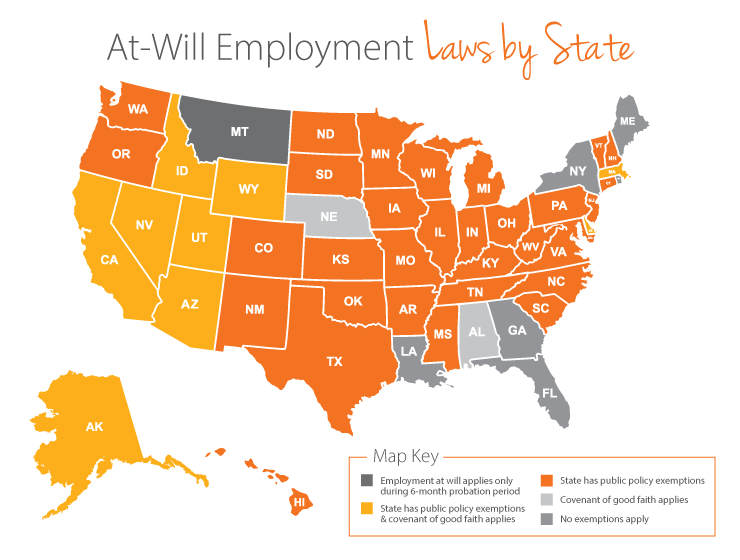
Understanding At-Will Employment in the Golden State
At its core, at-will employment signifies that either an employer or an employee can terminate the employment relationship at any time, for any reason, or for no reason at all, as long as the reason is not illegal. This principle provides a high degree of flexibility for both parties. For employers, it means they typically do not need to provide cause or advance notice before letting an employee go. For employees, it means they are free to leave a job without cause or advance notice, allowing them to pursue new opportunities, explore different career paths, or simply relocate to experience other parts of the world. This flexibility is often cited as a cornerstone of dynamic labor markets, allowing businesses to adapt quickly to changing economic conditions and individuals to pursue their ideal lifestyle or career progression.
In California, this at-will presumption is firmly established. When you’re hired, whether it’s for a front-desk position at a boutique hotel in Santa Monica, a chef at a Michelin-starred restaurant in Napa Valley, or a tour guide in San Francisco, your employment is typically considered at-will unless there’s a specific agreement to the contrary. This default setting shapes the foundational understanding of employer-employee relationships across the state’s vast and varied industries, from the tech giants of Silicon Valley to the sprawling vineyards and luxurious resorts that define much of its tourist appeal.
The concept of at-will employment can significantly influence lifestyle decisions. For individuals drawn to California’s allure – be it the beaches of Laguna Beach, the vibrant culture of Los Angeles, or the majestic landscapes of Yosemite National Park – understanding this legal framework is part of preparing for life in the state. The ability to easily transition between roles or industries can be appealing for those seeking diverse experiences or quick career pivots. Conversely, the lack of inherent job security under a strict at-will model necessitates a proactive approach to career management and financial planning. However, it is the specific exceptions to this rule that truly define the working environment in California, offering layers of protection that often surprise those unfamiliar with the state’s progressive labor laws.
Navigating the Exceptions: Protections Beyond At-Will
While California maintains an at-will employment presumption, its legal landscape is also known for robust employee protections. These exceptions to the at-will doctrine significantly limit an employer’s ability to terminate an employee without cause, creating a more balanced environment than a pure at-will system might suggest. These protections are particularly relevant for the tourism, hospitality, and service industries, where a large workforce interacts directly with the public, and diverse employee backgrounds are common. Understanding these exceptions is vital for both workers and businesses to thrive in the Golden State.
Implied Contract Exception
One of the most significant exceptions in California is the implied contract exception. Even without a formal written employment contract, an implied contract may be created through an employer’s words, actions, or established policies. For example, if an employee handbook at a resort like The Ritz-Carlton, Laguna Niguel outlines a progressive disciplinary policy that must be followed before termination, or if a manager consistently assures an employee of long-term employment based on good performance, these might be interpreted as an implied promise not to terminate without cause.
Courts consider various factors when determining if an implied contract exists, including the employee’s length of service, positive performance reviews, promotions, assurances of continued employment, and the employer’s personnel policies or practices. For instance, an employee who has worked for a decade at Disneyland with a stellar record and has received multiple commendations might have a stronger claim for an implied contract than someone new to a position. This exception encourages employers in the hospitality sector – from small bed-and-breakfasts to major hotel chains – to be transparent and consistent with their employment policies and communications. It also empowers employees to understand that their long-term dedication and performance may implicitly grant them more job security than the basic at-will doctrine initially suggests.
Public Policy Exception
The public policy exception is another powerful limitation on at-will employment, designed to protect employees from termination that violates a fundamental public policy. In California, this typically means an employer cannot fire an employee for reasons that contravene a statute, constitutional provision, or administrative regulation. This includes, but is not limited to, termination based on:
- Discrimination: Firing an employee because of their race, gender, religion, national origin, age, disability, sexual orientation, or other protected characteristics is illegal. This is especially pertinent in California’s diverse cities like Los Angeles and San Francisco, where the workforce reflects a global tapestry.
- Retaliation for Whistleblowing: Employees who report illegal activities within their company (e.g., a hotel manager reporting health code violations at their property or a tour operator reporting unsafe practices) are protected from termination.
- Exercising a Legal Right: This includes filing a workers’ compensation claim, taking protected family or medical leave, serving on a jury, or engaging in protected concerted activities (like union organizing, relevant in many large hotels and attractions such as Universal Studios Hollywood).
- Refusing to Perform an Illegal Act: An employee cannot be fired for refusing to break the law on behalf of their employer.
The public policy exception serves as a critical safeguard, ensuring that employers do not abuse their power and that employees can act in the public interest without fear of losing their livelihoods. For those working in the travel industry, from a concierge at the Beverly Wilshire Hotel to a driver for a shuttle service, these protections mean they can advocate for safety, fairness, and ethical conduct without fear of arbitrary dismissal. This fosters a healthier and more just working environment, which in turn contributes to the overall quality and trustworthiness of California’s tourism and hospitality offerings.
Discrimination and Protected Characteristics
Beyond the broad public policy exception, California has specific and comprehensive laws, notably the Fair Employment and Housing Act (FEHA), that strictly prohibit discrimination and harassment in employment. FEHA protects employees from adverse employment actions based on an extensive list of protected characteristics, including ancestry, age (40 and above), color, religious creed (including religious dress and grooming practices), disability (mental and physical, including HIV/AIDS), marital status, medical condition (cancer and genetic characteristics), genetic information, military and veteran status, national origin (including language use restrictions and possession of a driver’s license issued to persons unable to prove legal presence), race, sex (including pregnancy, childbirth, breastfeeding and related medical conditions), gender, gender expression, gender identity, as well as sexual orientation.

These robust protections mean that even if an employer technically operates under an at-will policy, they cannot terminate an employee for any reason that falls under these discriminatory categories. This is particularly significant in a state as diverse as California, which attracts people from all corners of the globe to its iconic cities like San Diego, Sacramento, and Pasadena. Employers in the travel, tourism, and hospitality industries must be acutely aware of these laws, not only to comply with legal requirements but also to foster inclusive workplaces that reflect the state’s diverse clientele and workforce. For employees, understanding these rights ensures that they can pursue opportunities and contribute their talents without fear of unfair treatment, regardless of their background or identity.
The Impact on California’s Travel & Hospitality Workforce
The interplay between at-will employment and its significant exceptions has a profound impact on California’s thriving travel, hospitality, and tourism sectors. These industries rely heavily on a dedicated workforce to deliver exceptional experiences to millions of visitors annually, from international tourists exploring the Pacific Coast Highway to domestic travelers visiting Palm Springs or Lake Tahoe.
For Employees in Hotels, Resorts, and Tourism
For individuals working as hotel staff, tour guides, event planners, chefs, or any other role within California’s hospitality ecosystem, understanding their rights is crucial. While the at-will nature means employers technically have broad discretion, the strong employee protections create a safety net. Workers at major landmarks like the Golden Gate Bridge or historical sites like Hearst Castle, or even those managing accommodations on Catalina Island, benefit from these safeguards. They can be confident that they cannot be terminated for discriminatory reasons, for reporting workplace hazards, or for exercising other legally protected rights.
Many employees in this sector also find strength in collective bargaining. Unionization is prevalent in various parts of California’s hospitality industry, particularly in large urban areas like Los Angeles and San Francisco. When employees are part of a union, their employment terms are governed by a collective bargaining agreement (CBA), which typically supersedes at-will employment by establishing specific procedures for discipline and termination, often requiring “just cause.” This provides a higher degree of job security and a formalized grievance process, offering another layer of protection for thousands of hospitality workers.
For Businesses and Entrepreneurs in the Golden State
For businesses operating or looking to establish themselves in California’s lucrative travel and tourism market, navigating these employment laws is a critical component of strategic planning. Whether you’re opening a new boutique hotel in Hollywood, launching an adventure tourism company near Big Sur, or managing a vacation rental portfolio, understanding the state’s unique approach to at-will employment is key to successful operation.
Employers must invest in comprehensive human resources policies and training to ensure compliance with California’s intricate labor laws. This includes drafting clear employee handbooks that define expectations while avoiding language that could inadvertently create an implied contract if that is not the intention. Implementing fair and consistent disciplinary procedures, conducting thorough investigations into workplace complaints, and providing regular anti-discrimination and anti-harassment training are not just good practices; they are essential for mitigating legal risks. The financial and reputational costs of a wrongful termination lawsuit can be substantial, making proactive legal compliance a cornerstone of any successful enterprise in the Golden State.
Lifestyle and Relocation Considerations
For individuals contemplating a move to California to embrace its distinctive lifestyle—perhaps drawn by career opportunities in the burgeoning cannabis tourism industry, or the allure of remote work from a scenic locale—the employment law framework factors into their decision-making. The combination of at-will flexibility and strong employee protections creates a unique environment. On one hand, the ease of professional transitions can appeal to those seeking dynamism and personal growth, aligning with a lifestyle that values change and new experiences. On the other hand, the legal protections offer a sense of security, ensuring that fundamental rights are upheld even in an at-will context. This balance allows for both entrepreneurial spirit and a degree of worker confidence, supporting a vibrant and diverse population that calls California home, from urban centers to the serene expanses of Death Valley National Park. The state’s progressive legal environment often reflects its progressive social values, making it an attractive destination for those seeking a workplace culture that prioritizes fairness and respect.

Navigating Employment in California: Tips for a Smooth Journey
Successfully navigating the employment landscape in California requires diligence and awareness from both employers and employees. Think of it as preparing for a journey through a diverse and complex terrain; understanding the map and having the right tools makes for a smoother, more enjoyable experience.
For employees, especially those new to the state or entering the hospitality industry:
- Understand Your Rights: Familiarize yourself with California’s employee protection laws, particularly regarding discrimination, harassment, and retaliation. Websites like the California Department of Fair Employment and Housing (DFEH) or the Department of Industrial Relations (DIR) are excellent resources.
- Document Everything: Keep records of your employment terms, performance reviews, disciplinary actions, and any communications related to your employment. This documentation can be invaluable if a dispute arises.
- Review Policies: Read your employer’s handbook and any employment agreements carefully. Understand the stated policies regarding conduct, performance, and termination.
- Seek Professional Advice: If you believe your rights have been violated or if you have questions about your employment situation, consult with an employment attorney.
For employers, particularly those managing hotels, resorts, tour companies, or other tourism-related businesses:
- Draft Clear Policies: Ensure all employment agreements, employee handbooks, and policy documents clearly state the at-will nature of employment, while also outlining all legally mandated protections and internal processes. Avoid language that could unintentionally create an implied contract.
- Consistent Application: Apply all policies and disciplinary actions consistently and fairly across all employees to avoid claims of discrimination or favoritism.
- Regular Training: Provide ongoing training for managers and supervisors on California employment law, anti-discrimination practices, and proper documentation procedures.
- Legal Counsel: Regularly consult with experienced employment legal counsel to review policies, handle complex employee issues, and stay updated on evolving legislation.
- Documentation is Key: Maintain meticulous records of hiring, performance reviews, disciplinary actions, and terminations. Clear documentation is your best defense against wrongful termination claims.
In conclusion, California is indeed an at-will employment state, but this designation comes with significant, nuanced exceptions that provide robust protections for employees. This unique legal framework shapes the working environment for the millions who contribute to and benefit from the state’s dynamic economy, particularly within its world-renowned travel and hospitality sectors. Whether you are an individual drawn to the unparalleled lifestyle and career opportunities of California, or a business owner looking to invest in its vibrant tourism industry, understanding these complexities is not just a legal requirement but a fundamental part of a successful journey in the Golden State.
LifeOutOfTheBox is a participant in the Amazon Services LLC Associates Program, an affiliate advertising program designed to provide a means for sites to earn advertising fees by advertising and linking to Amazon.com. Amazon, the Amazon logo, AmazonSupply, and the AmazonSupply logo are trademarks of Amazon.com, Inc. or its affiliates. As an Amazon Associate we earn affiliate commissions from qualifying purchases.