
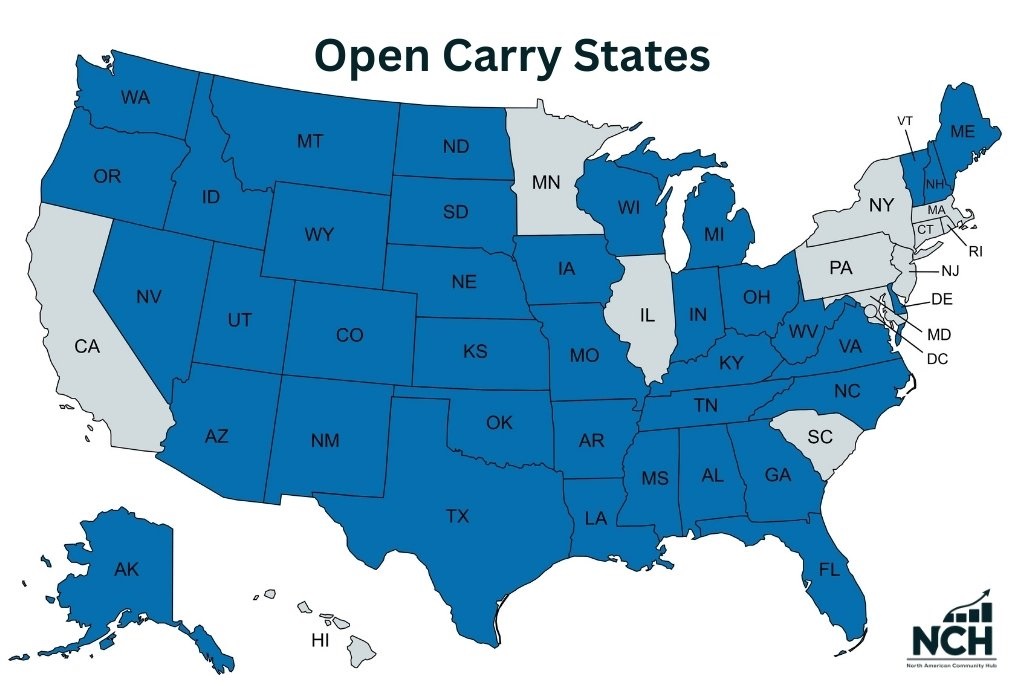
For many travelers planning a visit to the Golden State, the allure of sun-kissed beaches, iconic landmarks, and vibrant cities is undeniable. From the bustling streets of Los Angeles to the majestic beauty of Yosemite National Park, California offers an unparalleled array of experiences. However, as with any destination, understanding local laws and regulations is crucial for a smooth and enjoyable trip. Among the most frequently asked questions, particularly for those who may reside in areas with different firearm policies, is: “Is California an open carry state?” The straightforward answer, in most circumstances, is no. California has some of the strictest gun laws in the United States, and both open carry and concealed carry of firearms are highly regulated, with significant restrictions that every visitor should be aware of.
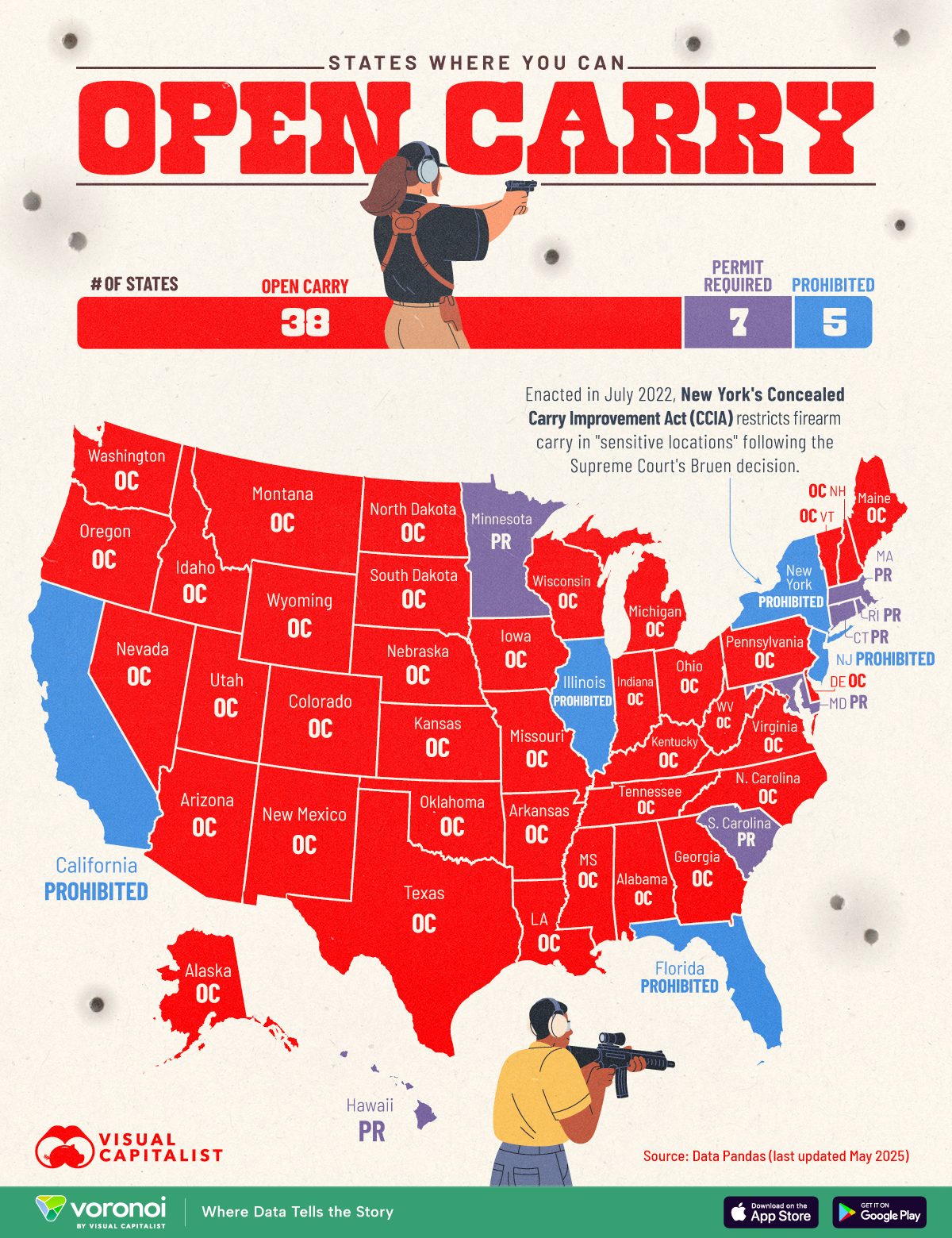
This comprehensive guide aims to demystify California’s firearm laws, particularly as they pertain to open carry, and provide essential information for travelers. Whether you’re planning a luxury escape, a budget-friendly adventure, a family trip, or a business stay, understanding these regulations will ensure your focus remains on enjoying the incredible destinations and experiences California has to offer, rather than navigating legal complexities.
Understanding California’s Gun Laws for Travelers
When you travel to a new place, especially one as diverse as California, part of preparing for your journey involves understanding the local customs and laws. For those accustomed to more permissive gun laws in their home state or country, California’s approach to firearms can seem particularly stringent. The state prioritizes public safety through extensive regulations, which include a near-total ban on open carry and rigorous requirements for concealed carry.
The General Rule: No Open Carry in California
Historically, open carry of firearms was permitted in some parts of California. However, legislative changes over the years have progressively restricted this practice. Today, California generally prohibits the open carry of loaded or unloaded handguns and long guns in most public places.
This means that whether you’re strolling through the vibrant streets of San Francisco, exploring the historic sites of Sacramento, or enjoying the coastal beauty of San Diego, openly displaying a firearm is illegal in virtually all urban and suburban areas, and increasingly, in rural regions as well. The intent behind these laws is to reduce gun violence and enhance public safety, and they are strictly enforced by local law enforcement agencies throughout the state.
There are very limited exceptions to the open carry ban, which primarily apply to specific, often professional, circumstances:
- Private Property: Open carry may be permitted on private property with the owner’s express permission. However, this exception does not extend to public spaces or areas accessible to the public, even if privately owned (e.g., shopping malls, private business parking lots without explicit signage or permission).
- Hunting and Sport Shooting: When actively engaged in lawful hunting activities in designated areas, or while at a licensed shooting range or hunting club, firearms may be openly carried. This is a very specific context and does not permit general open carry while traveling to or from such locations, unless the firearm is unloaded and securely transported.
- Law Enforcement and Security Personnel: Sworn law enforcement officers and certain licensed security guards, while on duty and within the scope of their employment, are exempt from open carry restrictions.
- Direct Transit: Briefly, when transporting a firearm from a vehicle to a place where its possession is lawful (e.g., home, shooting range), it may be openly carried unloaded. This is a very narrow exception for immediate transit.
For the average traveler, these exceptions are unlikely to apply. The safest and most legally compliant approach is to assume that open carry is prohibited everywhere you go in California.
Concealed Carry Permits: A Strict Requirement
Given the restrictions on open carry, some travelers might wonder about concealed carry. California also has very strict laws regarding the concealed carry of firearms. To carry a concealed firearm in California, an individual must possess a Concealed Carry Weapon (CCW) permit issued by a local law enforcement agency (typically the county sheriff or city police chief).
Obtaining a CCW permit in California is notoriously difficult, even for residents. Applicants must meet several criteria, including completing extensive training, passing background checks, and demonstrating “good cause” for needing to carry a concealed weapon. The interpretation of “good cause” varies significantly by county, with some counties being much stricter than others. For instance, obtaining a CCW permit in populous urban centers like Los Angeles or San Francisco is exceedingly challenging, often requiring an extraordinary showing of specific threats to personal safety beyond general self-defense concerns.
Crucially for travelers, California does not recognize CCW permits issued by other states or jurisdictions. This means that even if you possess a valid concealed carry permit from your home state, it is not valid in California. Attempting to carry a concealed firearm without a California-issued CCW permit can lead to serious legal consequences, including felony charges, fines, and imprisonment.
Therefore, for the vast majority of visitors, bringing a firearm to California with the intent to carry it, openly or concealed, is not a viable or legal option.
Specific Scenarios and Considerations for Visitors
Understanding the general prohibitions on open and concealed carry is just the first step. Travelers bringing firearms into California for lawful purposes, such as competitive shooting or hunting, must also navigate complex transportation and storage regulations. Neglecting these rules can inadvertently turn a lawful activity into a serious legal transgression.
Transporting Firearms Through California

If you are traveling through California with a firearm, whether by car, train, or plane, you must strictly adhere to specific federal and state transportation laws. The Firearm Owners’ Protection Act (FOPA), a federal law, offers some protections for individuals transporting firearms interstate. FOPA generally allows a person to transport a firearm from any place where they may lawfully possess and carry such firearm to any other place where they may lawfully possess and carry such firearm, provided the firearm is:
- Unloaded: No ammunition in the firearm itself or in any magazine attached to the firearm.
- Secured in a locked container: The container must completely enclose the firearm and be locked. This means a trunk or glove compartment alone is not sufficient unless it is also locked and the firearm is within a separate locked container inside.
- Not readily accessible: The firearm should not be easily accessible from the passenger compartment of the vehicle. For vehicles without a trunk, the firearm should be in a locked container and placed as far away from the occupants as possible.
While FOPA provides a federal shield, it’s crucial to understand its limitations. Stops along your journey through California must be “reasonably necessary” for the travel itself (e.g., gas, food, rest). Extended stays, tourism activities, or visits to prohibited places (see below) could negate FOPA protection and subject you to California law. It is always safest to travel directly through the state if you are merely transiting.
When flying into California with a firearm, federal Transportation Security Administration (TSA) regulations apply. Firearms must be declared to the airline, unloaded, and secured in a hard-sided, locked container as checked baggage. Ammunition must also be transported in specific packaging. Upon arrival, you are still subject to California state laws regarding possession and transportation beyond the airport.
Prohibited Places and Types of Firearms
California’s restrictions extend beyond just how a firearm is carried; they also dictate where firearms can be possessed and what types of firearms are legal. Even if you are a California resident with a CCW permit or are transporting a firearm lawfully, you must be aware of “gun-free zones.” These typically include:
- Schools and Universities: All K-12 schools and public/private universities.
- Government Buildings: State and local government offices, courthouses, polling places.
- Airports and Public Transportation: Restricted areas of airports, public transit vehicles, and stations.
- Theme Parks and Major Attractions: Popular tourist destinations like Disneyland Resort, museums, stadiums, and other entertainment venues typically prohibit firearms.
- Youth Facilities: Daycare centers, youth centers, etc.
- State Parks and Beaches: Many state parks, beaches, and recreational areas have specific regulations restricting firearms.
- National Parks: While federal law allows firearms in national parks (like Yosemite National Park or Death Valley National Park) if the individual is in compliance with both federal and the state’s gun laws, California’s strict regulations mean that carrying a firearm within these parks will likely be illegal under state law, unless it is unloaded and in a locked container.
Furthermore, California has a comprehensive ban on what it classifies as “assault weapons” and imposes strict limitations on magazine capacity (generally no magazines holding more than 10 rounds). Many firearms legal in other states are illegal to possess in California. This is particularly important for visitors: do not bring firearms that fall under California’s definition of “assault weapons” or high-capacity magazines into the state. The penalties for possessing these prohibited items are severe. When in doubt, it is always best to leave any potentially restricted firearms at home.
Acquiring Firearms in California
For non-residents visiting California, purchasing a firearm within the state is generally not possible. Federal law prohibits licensed firearms dealers from selling handguns to residents of other states. While long guns can sometimes be purchased by out-of-state residents if the sale complies with the laws of both states, California’s intricate web of regulations, including its “Roster of Certified Handguns” (which limits what handguns can be sold in the state), mandatory waiting periods (10 days), and background check requirements, makes any such transaction exceedingly complex and practically impossible for a temporary visitor. Travelers should not plan on acquiring a firearm during their stay in California.
Navigating California Safely and Legally
The primary goal of any trip is to create lasting positive memories. By being informed and compliant with local laws, travelers can ensure their focus remains on enjoying the vast and varied experiences California has to offer. The state’s robust legal framework regarding firearms is a significant part of its public safety strategy, and adherence is non-negotiable for visitors and residents alike.
Resources and Further Information for Travelers
Navigating firearms laws can be complex, and this guide provides general information for travelers. Laws can change, and specific situations may have unique legal implications. For the most accurate and up-to-date information, travelers should always consult official sources:
- California Department of Justice (DOJ): The California DOJ website is the definitive source for state firearms laws and regulations. They provide detailed guides and FAQs.
- Local Law Enforcement: If you have specific questions about a particular city or county, contacting the local police department or sheriff’s office in your destination (e.g., Beverly Hills, Santa Monica, Palm Springs) can provide clarification on local ordinances.
- Legal Counsel: For those with unique circumstances or concerns, consulting with a California attorney specializing in firearms law is highly recommended before traveling.
Remember, ignorance of the law is not a valid defense. It is the responsibility of every individual traveling within California to be fully compliant with all applicable state and federal firearm laws.
Focus on California’s Attractions, Not Its Firearms
California’s strict gun laws are a reflection of its unique cultural and political landscape. For visitors, understanding and respecting these laws is paramount to a stress-free experience. Instead of worrying about firearm regulations, imagine yourself exploring the stunning coastline of Big Sur, sipping world-class wines in Napa Valley, hiking amidst the giant sequoias, or taking in the iconic views from the Golden Gate Bridge. The vibrant arts scene of Hollywood, the serene beauty of Lake Tahoe, and the endless outdoor adventures across the state offer a rich tapestry of experiences that truly define a California vacation.
Whether you’re booking a luxurious resort stay, finding the perfect boutique hotel, exploring local cuisine, or planning an extensive itinerary, California invites you to immerse yourself in its distinctive lifestyle. By leaving your firearms at home or ensuring they are transported and stored strictly according to the law, you can fully embrace the spirit of adventure and relaxation that makes California a world-class travel destination.
In conclusion, is California an open carry state? Decidedly no, for most practical purposes and certainly for the average traveler. The state maintains a firm stance against the open display of firearms and imposes significant hurdles for concealed carry, particularly for non-residents. Your journey to California should be about discovery, relaxation, and unforgettable moments. By understanding and respecting its unique legal landscape, you pave the way for a truly memorable and legally sound travel experience in one of the world’s most desired destinations.
LifeOutOfTheBox is a participant in the Amazon Services LLC Associates Program, an affiliate advertising program designed to provide a means for sites to earn advertising fees by advertising and linking to Amazon.com. Amazon, the Amazon logo, AmazonSupply, and the AmazonSupply logo are trademarks of Amazon.com, Inc. or its affiliates. As an Amazon Associate we earn affiliate commissions from qualifying purchases.