
The question itself is a playful paradox, designed to spark curiosity and highlight the vastness and diversity of the United States. While geographically and culturally, California is definitively on the West Coast, the “East Coast” often represents a broader concept – a shorthand for a particular kind of experience, a historical narrative, or even a state of mind. This article will explore the nuances of this perception, examining why the idea of “East Coast” sometimes evokes California in popular imagination, and what makes both coasts unique and compelling travel destinations.
Defining “East Coast”
When we speak of the East Coast, we typically refer to the seaboard states of the United States that border the Atlantic Ocean. This region is steeped in American history, from the arrival of early European settlers to the birth of the nation. Cities like Boston, New York City, Philadelphia, and Washington D.C. are iconic centers of commerce, culture, and political power, each with a distinct character shaped by centuries of development.
Historical Significance
The East Coast is where much of American history unfolded. From the Plymouth Colony and the American Revolution in Massachusetts and Pennsylvania respectively, to the industrial boom of the late 19th and early 20th centuries that transformed cities like Pittsburgh and Baltimore, the region’s past is palpable. Landmarks such as Independence Hall in Philadelphia and the National Mall in Washington D.C. draw millions seeking to connect with the nation’s origins.
Cultural Identity
The cultural identity of the East Coast is often associated with a certain urban sophistication, a fast-paced lifestyle, and a rich tapestry of arts and entertainment. The Broadway theaters of New York City, the world-class museums of Washington D.C., and the historic brownstones of Boston all contribute to this image. The culinary scene is diverse, ranging from the seafood shacks of Maine to the vibrant ethnic neighborhoods of New York and New Jersey.
California’s Unique Identity
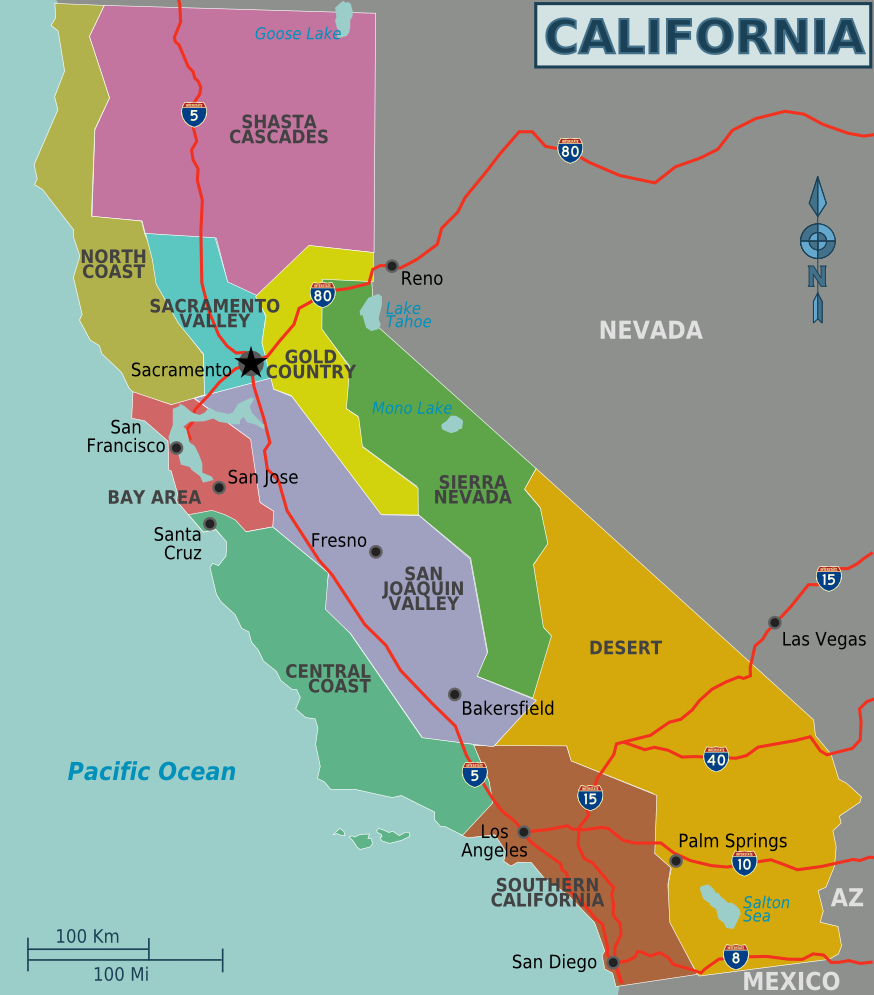
California, on the other hand, is firmly rooted on the West Coast, facing the vast expanse of the Pacific Ocean. Its identity is shaped by a different historical trajectory, its stunning natural landscapes, and a culture that often embraces innovation, leisure, and a more relaxed pace of life.
A Different Frontier
While the East Coast was the site of the nation’s founding, California represents a later frontier. Its development was significantly influenced by the Gold Rush of the mid-19th century, drawing people from all over the world seeking fortune and a new beginning. This influx of diverse populations has contributed to California’s unique cultural mosaic, from the Hispanic heritage evident in its architecture and cuisine to the Asian influences in its bustling cities.
Landscapes and Lifestyle
The natural beauty of California is unparalleled, offering a breathtaking array of landscapes. Towering redwood forests in the north, the dramatic coastline of Big Sur, the sun-drenched beaches of Southern California, and the majestic peaks of the Sierra Nevada mountains all beckon travelers. This environment fosters a lifestyle often associated with outdoor activities, healthy living, and a focus on well-being. Cities like Los Angeles are synonymous with the entertainment industry, while San Francisco is a hub for technology and progressive culture.
Economic Drivers
California’s economy is driven by distinct industries. The film and television industry in Los Angeles, the technology sector in Silicon Valley, and the vast agricultural output of its Central Valley all contribute to its economic powerhouse status. These industries, while significant on a global scale, differ considerably from the financial and political engines of the East Coast.

Why the Confusion?
So, if California is undeniably on the West Coast, why might the question “Is California East Coast?” even arise? The answer lies in how we conceptualize and categorize regions, often influenced by popular culture, perceived similarities, or even geographical distance.
The “East Coast” as a Metaphor
Sometimes, “East Coast” is used metaphorically to describe a certain sensibility or a more established, perhaps older, cultural presence. In contrast, California might be perceived as newer, more dynamic, and perhaps more outward-looking due to its Pacific Rim connections. However, this is a subjective interpretation rather than a factual geographical designation.
Global Perspective
From a global perspective, the United States is often broadly divided into “East” and “West.” When viewed from overseas, the distinction between the East Coast and the Midwest might be less significant than the overarching presence of the established eastern seaboard versus the perceived frontier of the West.
Cultural Exchange and Influence
Despite their geographical separation, the East Coast and California have a profound and continuous cultural exchange. Trends in fashion, music, film, and technology often originate or gain traction in one region and quickly spread to the other. This interconnectedness can sometimes blur the lines of distinct regional identities, especially in the eyes of those who are not intimately familiar with the intricacies of American geography and culture. For instance, a New Yorker might find aspects of urban life in Los Angeles surprisingly familiar, while a San Franciscan might feel a historical resonance in the academic and intellectual atmosphere of Boston.
The Allure of Both Coasts
Ultimately, the enduring fascination with both the East Coast and California lies in their distinct yet complementary contributions to the American narrative. The East Coast offers a journey through history, a taste of established grandeur, and the vibrant energy of its metropolises. California, on the other hand, beckons with its natural wonders, innovative spirit, and laid-back charm.
Visiting the East Coast
For travelers seeking a deep dive into American history and a taste of classic urban experiences, the East Coast is an unparalleled destination. Explore the historic streets of Boston, delve into the arts and culture of New York City, walk in the footsteps of presidents in Washington D.C., or discover the colonial charm of Williamsburg. The culinary landscape is as varied as its history, offering everything from fresh lobster in Maine to world-class dining in its major cities.
Exploring California
California offers a different kind of adventure, one that emphasizes natural beauty and innovation. Drive along the iconic Pacific Coast Highway, hike in the Yosemite National Park, experience the magic of Disneyland, or explore the vibrant cities of San Francisco and Los Angeles. The state’s diverse agricultural regions also offer incredible culinary experiences, from wine tasting in the Napa Valley to fresh produce markets throughout the state.

Conclusion: Two Coasts, One Nation
While California is geographically situated on the West Coast, the question “Is California East Coast?” serves as a reminder of the rich, multifaceted identity of the United States. The “East Coast” often signifies a historical depth and a concentrated urban experience, while California embodies a spirit of innovation, natural beauty, and a distinct Pacific influence. Both regions are essential to the American story, offering travelers unique and unforgettable experiences that are as diverse as the nation itself. Understanding their individual characteristics allows for a deeper appreciation of the geography, culture, and history that shape the American travel landscape.
LifeOutOfTheBox is a participant in the Amazon Services LLC Associates Program, an affiliate advertising program designed to provide a means for sites to earn advertising fees by advertising and linking to Amazon.com. Amazon, the Amazon logo, AmazonSupply, and the AmazonSupply logo are trademarks of Amazon.com, Inc. or its affiliates. As an Amazon Associate we earn affiliate commissions from qualifying purchases.