
The golden state of California, a global magnet for travel, tourism, and lifestyle experiences, finds itself at the heart of a recurring debate: the fate of Daylight Saving Time (DST). Every spring and fall, residents and visitors alike brace for the ritual of “spring forward” and “fall back,” a practice that has been met with increasing scrutiny and calls for change across the United States. For travelers planning their dream itineraries to California, for hotel operators managing check-ins and check-outs, and for anyone whose daily routine is governed by the clock, the question of whether California will finally abandon Daylight Saving Time in 2024 is more than just academic; it has tangible implications.

As a premier destination encompassing everything from the bustling urban energy of Los Angeles and San Francisco to the serene beauty of Napa Valley and the majestic grandeur of Yosemite National Park, California’s approach to timekeeping touches upon every aspect of its vibrant tourism and hospitality sectors. While 2024 has arrived without an immediate abolition of Daylight Saving Time, the legislative machinery and public sentiment continue to churn, suggesting that this perennial debate is far from over. This article delves into the legislative journey, the current status, and the profound impacts a potential shift could have on travel, accommodation, and lifestyle within the Golden State, offering clarity and guidance for anyone considering a visit or a life change.
The Perennial Debate: California’s Stance on Daylight Saving Time
The discussion surrounding Daylight Saving Time in California is not new. It’s a complex tapestry woven from historical precedent, voter mandates, and ongoing legislative efforts, reflecting a broader national conversation about the efficacy and necessity of twice-yearly clock changes. Understanding this journey is crucial to grasping why California remains in a state of flux regarding its timekeeping practices.
A Brief History of Daylight Saving in the Golden State
Daylight Saving Time was first widely adopted in the United States during World War I and then again during World War II, primarily as a measure to conserve energy. Its modern form was standardized by the Federal Uniform Time Act of 1966, which mandated a nationwide schedule for DST, though it allowed states the option to opt out and remain on permanent Standard Time. California, like most states, embraced DST, observing Pacific Daylight Time during warmer months and reverting to Pacific Standard Time for the remainder of the year.
Over the decades, the rationale for DST has been repeatedly challenged. Studies have questioned its energy-saving benefits, while public health experts have highlighted potential negative impacts on sleep patterns, circadian rhythms, and even an increase in heart attacks and traffic accidents following the “spring forward.” This growing unease set the stage for a significant turning point in California’s relationship with DST.
Proposition 7: The Mandate for Change
In 2018, California voters overwhelmingly passed Proposition 7, an initiative that aimed to put an end to the biannual time change. This proposition garnered nearly 60% of the vote, signaling a clear public desire for consistency. However, Proposition 7 did not, by itself, abolish Daylight Saving Time. Instead, it granted the state legislature the power to change Daylight Saving Time by a two-thirds vote, and, if they chose to establish year-round Daylight Saving Time, it would also require congressional approval. The ballot measure was a critical step, but it simply opened the door for legislative action rather than enacting an immediate change. This distinction is vital for understanding why California still observes DST.
The Current Legislative Landscape and Stalled Progress
Following the passage of Proposition 7, several legislative attempts have been made to implement the will of the voters. Bills like Assembly Bill 7 (AB 7) and others have sought to either make Daylight Saving Time permanent or to switch to year-round Standard Time. However, these efforts have faced significant hurdles.
The primary sticking point is the federal requirement. While states can unilaterally choose to remain on permanent Standard Time (as Arizona and Hawaii largely do), establishing year-round Daylight Saving Time requires an act of the United States Congress. This federal hurdle has complicated California’s path forward, as state legislators have been divided on whether to push for permanent DST (which offers more evening daylight) or revert to permanent Standard Time (which provides brighter mornings). Without clear consensus or the necessary federal green light, these bills have either stalled in committee or failed to gain enough traction to pass both legislative houses. As of early 2024, no definitive legislation has been enacted, meaning California continues to observe the biannual shift, making any immediate change to Daylight Saving Time in 2024 highly unlikely.
Unpacking the Impact: How DST Affects California’s Tourism and Hospitality
For a state as deeply intertwined with tourism and hospitality as California, the question of Daylight Saving Time carries substantial weight. From the moment a traveler books their flight to Los Angeles International Airport to their last sunset viewing at the Santa Monica Pier, time plays a crucial role. Any shift in timekeeping would send ripples through the meticulously planned ecosystems of destinations, attractions, hotels, and local economies.
Travel Logistics and Visitor Experiences
The current system of biannual time changes can introduce a layer of complexity for travelers. For international visitors or those coming from states that do not observe DST (like much of Arizona), the change can lead to confusion regarding flight schedules, connecting transportation, and the operating hours of attractions. Imagine arriving in San Francisco expecting a particular ferry schedule to Alcatraz Island only to find it has subtly shifted due to the time change. While most seasoned travelers are accustomed to time zone differences, the “spring forward” or “fall back” adds an additional, often overlooked, adjustment.
If California were to adopt permanent Daylight Saving Time, visitors would benefit from longer daylight hours in the evenings year-round, particularly appealing for those enjoying outdoor attractions like beaches, theme parks (such as Disneyland Resort in Anaheim), or scenic drives along Highway 1. This could enhance the visitor experience by allowing more time for exploration and outdoor dining, boosting activity in the late afternoon and early evening. Conversely, permanent Standard Time would mean earlier sunsets in the summer, potentially shortening the perceived “activity window” for tourists focused on evening excursions.
Operational Challenges for Hotels and Attractions
The hospitality sector, encompassing everything from luxury resorts in Beverly Hills to boutique hotels in San Diego and budget accommodations near major landmarks, faces specific operational challenges with DST. The “spring forward” often results in an hour of lost sleep for staff working overnight shifts, potentially impacting productivity and well-being. Check-in and check-out times, which are standard across the industry, suddenly need re-calibration in guest minds, leading to potential confusion or minor disruptions. While hotels have established protocols for these changes, a permanent switch would streamline operations, eliminating the need for twice-yearly adjustments to internal systems, staff schedules, and guest communications.
Attractions like museums, theme parks, and tour operators also contend with these shifts. Their operating hours are often optimized for daylight, peak visitor times, and staffing levels. A consistent time zone would simplify scheduling, potentially allowing for more predictable visitor flows and efficient resource allocation. For instance, attractions that rely on natural light, or those offering evening shows, might see their planning simplified with year-round DST providing consistent extended daylight, or year-round Standard Time offering consistent morning light.
Economic Ripple Effects on Local Economies
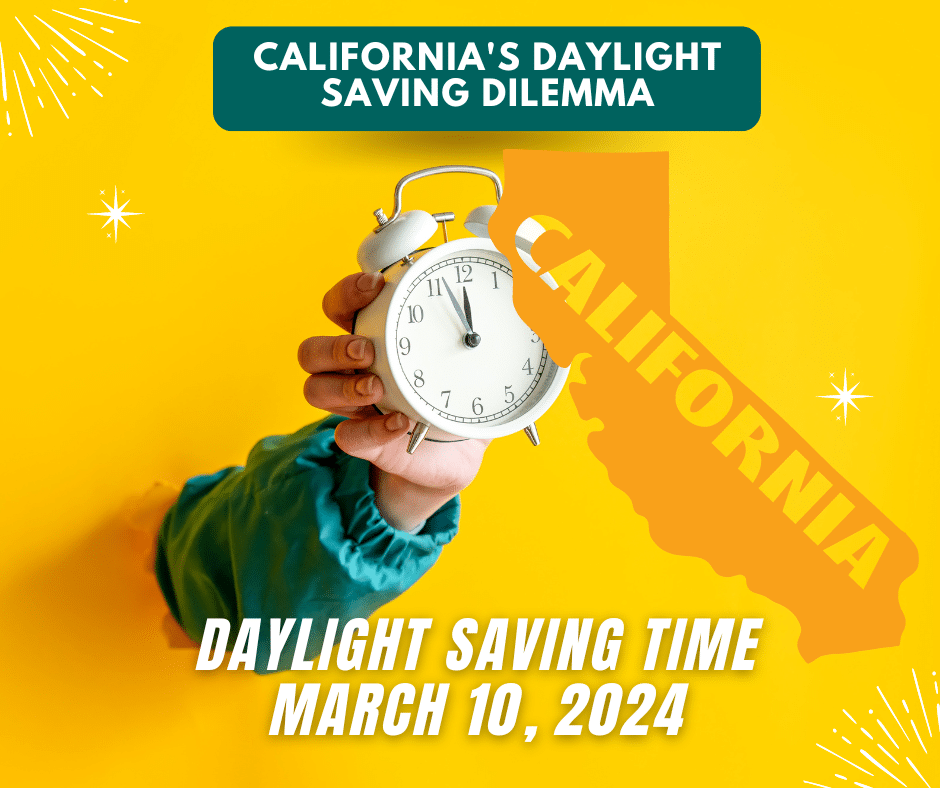
The economic impact of DST on California’s robust tourism industry is a significant consideration. Many businesses, particularly those in retail, dining, and outdoor recreation, benefit from longer daylight hours. When it’s lighter later in the evening, people are more inclined to stay out, shop, dine at restaurants, and participate in evening activities. This translates directly into increased revenue for local businesses, a critical component of California’s economy.
If California were to adopt permanent Daylight Saving Time, this potential for increased economic activity in the evenings would be present year-round. Tourists might spend more time and money exploring cities like Sacramento or enjoying the vibrant nightlife of Hollywood. Conversely, a switch to permanent Standard Time would mean earlier sunsets, particularly during summer, which could theoretically reduce evening consumer activity, although this is offset by brighter mornings that might encourage earlier starts to the day for some. The overall effect on tourism revenue and employment would depend heavily on which permanent time system is adopted and how it aligns with the behavioral patterns of both residents and visitors.
Lifestyle and Living in a Post-DST California
Beyond the immediate concerns of travel and business, the potential abolition of Daylight Saving Time in California touches upon the broader lifestyle of its residents and those considering a long-term stay. The rhythm of daily life, from school schedules to commutes and leisure activities, is subtly but significantly influenced by the clock changes.
Daily Routines and Quality of Life for Residents
The biannual time shift often disrupts daily routines, leading to what many term “sleep jet lag.” Residents report feelings of grogginess, decreased productivity, and even an impact on mental well-being for a few days or even weeks after the change. For families, coordinating school drop-offs and after-school activities with shifting daylight can be a challenge, particularly in the spring when mornings become darker.
Adopting a permanent time setting would eliminate this disruption, potentially improving public health outcomes and overall quality of life. If California were to switch to year-round Daylight Saving Time, residents would enjoy longer, brighter evenings throughout the year, fostering more opportunities for outdoor recreation, exercise, and social activities after work or school. This could align well with the active, outdoor-oriented California lifestyle. However, it would also mean significantly darker mornings in winter, which could pose challenges for early commuters and school children. Conversely, permanent Standard Time would bring consistent bright mornings but earlier sunsets in the summer.
The Potential for Year-Round Standard Time or Daylight Saving Time
The core of the legislative debate revolves around these two distinct options. Permanent Daylight Saving Time is favored by those who appreciate the extended evening daylight for recreation, tourism, and energy conservation (though the latter is debated). This option, as mentioned, requires federal approval. Proponents often point to the economic benefits for sectors that thrive on evening activities.
Permanent Standard Time, on the other hand, is appealing to those who prioritize consistent sunrise times, particularly for school-aged children and commuters, and for public health reasons, aligning human circadian rhythms more closely with natural solar time. Arizona serves as a common example of a state largely on permanent Standard Time, which simplifies interactions with neighbors like Nevada for much of the year. The decision ultimately hinges on balancing these various societal benefits and drawbacks.
Navigating Time Zones for Business and Leisure
Should California adopt a permanent time, whether DST or Standard Time, it would create new considerations for interactions with neighboring states and the broader United States. If California were to align with permanent Daylight Saving Time, it would temporarily be “out of sync” with Pacific Standard Time states during the winter months, effectively shifting to what would be Mountain Standard Time for part of the year. This could impact cross-border business meetings, supply chain logistics, and even simple phone calls for residents living near the Nevada or Oregon borders. For instance, a business in Lake Tahoe that straddles the California and Nevada border could face daily operational challenges.
Conversely, if California were to opt for permanent Standard Time, it would remain on Pacific Standard Time year-round. This would mean that during the months when other Pacific Standard Time states “spring forward” to Pacific Daylight Time, California would effectively be an hour behind, aligning with Arizona for that period. This could lead to a two-hour difference from the Mountain Time Zone during summer, and a three-hour difference from the Eastern Time Zone, potentially complicating national business and communication. The implications for travel, whether by air, road, or rail, would need careful consideration to ensure seamless transitions for both passengers and cargo.
What This Means for Your California Travel Plans
Given the ongoing legislative process and the absence of a definitive change for 2024, it’s clear that Daylight Saving Time will continue in California for the foreseeable future. However, understanding the context and potential future shifts is vital for any traveler or visitor.
Planning Your Itinerary: Before You Book
For those planning trips to California in the immediate future, it is safe to assume that the biannual time change will occur as scheduled. This means you should account for the “spring forward” in March and the “fall back” in November when booking flights, making reservations for tours or attractions like the Golden Gate Bridge, and scheduling hotel check-ins. Always double-check the local time for your destination, especially if your travel dates fall around the DST changeover weekends.
When booking accommodation, whether it’s a luxury suite in San Francisco, a family resort near Disneyland Resort, or a cozy apartment in Big Sur, confirm check-in and check-out times. Most hotels are well-versed in handling DST transitions, but clarity can help avoid any minor inconveniences. Travelers focused on specific experiences, such as catching a sunset cruise or an early morning hike in Joshua Tree National Park, should be particularly mindful of how daylight hours shift with DST.
Staying Informed: Key Resources and Updates
As the debate continues, the best approach for travelers and those interested in California’s lifestyle is to stay informed. While no change is imminent for 2024, legislative efforts could resume in subsequent years. Reliable sources for updates include:
- Official California State Government Websites: Look for legislative updates from the California State Legislature (Sacramento) or the Governor’s Office.
- Reputable News Outlets: Major California-based and national news organizations closely follow these legislative developments.
- Travel Advisory Sites: Before your trip, consult general travel advisories or updates from reputable travel organizations that may highlight significant changes in local laws or customs.
Embracing Flexibility: A Traveler’s Best Friend
Ultimately, one of the greatest assets for any traveler is flexibility. While the question of Daylight Saving Time in California remains unresolved for 2024, the state’s allure as a top destination is undiminished. Its diverse landscapes, iconic landmarks, world-class hotels, and rich cultural experiences continue to beckon visitors from around the globe. Whether you’re planning a budget-friendly road trip, a luxurious spa retreat, a family adventure, or a business stay, California offers an unparalleled array of options.
By being aware of the ongoing discussions and the practical implications of DST, you can plan your visit with greater confidence and adaptability. Focus on the incredible experiences California has to offer, from exploring Los Angeles’ vibrant neighborhoods to hiking in Big Sur or tasting wines in Napa Valley. The magic of the Golden State awaits, regardless of which hour the clock strikes.
LifeOutOfTheBox is a participant in the Amazon Services LLC Associates Program, an affiliate advertising program designed to provide a means for sites to earn advertising fees by advertising and linking to Amazon.com. Amazon, the Amazon logo, AmazonSupply, and the AmazonSupply logo are trademarks of Amazon.com, Inc. or its affiliates. As an Amazon Associate we earn affiliate commissions from qualifying purchases.