
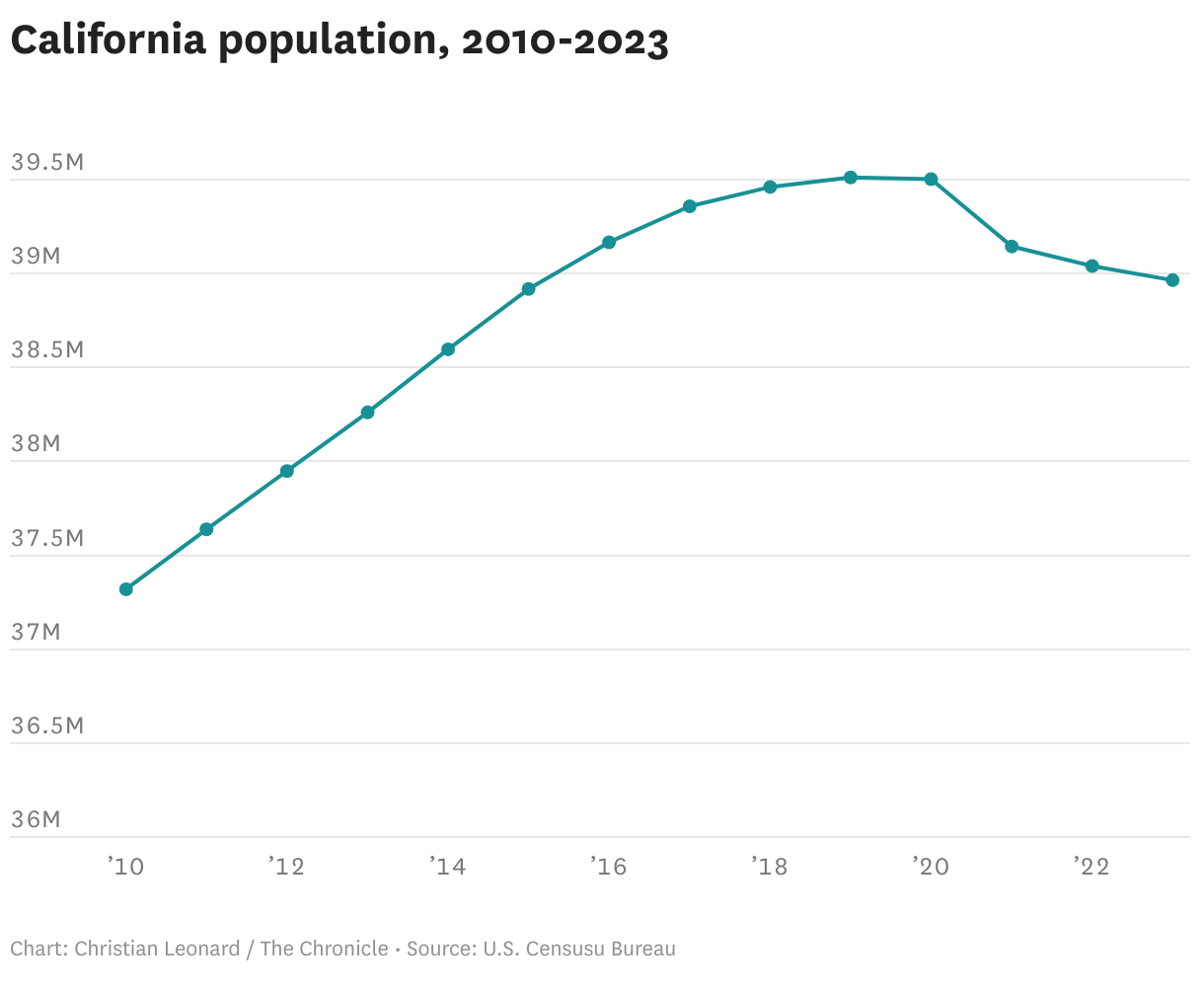
The question of whether California is losing population has moved from a speculative headline to a subject of serious demographic and economic analysis. Indeed, recent data suggests a trend of out-migration, marking a significant shift for a state historically defined by its growth and magnetic allure. However, to view this solely through a numerical lens misses a crucial dimension: the profound impact on lifestyle. California’s population dynamics are not just about numbers; they are about evolving lifestyles, changing travel patterns—from luxury to budget, family to business—and a redefinition of what the “Californian dream” entails. This article delves into the intricate relationship between demographic shifts and lifestyle choices, exploring how these movements are reshaping the experience of living in and visiting the Golden State. It’s an exploration of how a state famed for its diverse lifestyles is adapting to a new era, influencing everything from the availability of luxury travel experiences to the landscape of business stays.

The Shifting Sands of the Californian Dream: Lifestyle Drivers of Out-Migration
The decision to leave California is rarely a simple one; it’s often a complex calculation rooted in personal lifestyle aspirations and economic realities. For many, the very essence of the “Californian dream” has become increasingly elusive, prompting a re-evaluation of where and how they want to live. These lifestyle drivers are directly influencing who stays, who leaves, and by extension, the evolving face of travel and leisure associated with the state.
Cost of Living and the Pursuit of Affordability
Perhaps the most significant catalyst for out-migration is the exorbitant cost of living. Cities like San Francisco, Los Angeles, and San Jose consistently rank among the most expensive places globally, with housing costs being a primary concern. For families, young professionals, and even established residents, the pressure to maintain a certain quality of life while facing astronomical expenses can be overwhelming. This directly impacts their lifestyle choices, including travel. A household grappling with a $5,000 monthly mortgage payment in the Bay Area will inevitably have less disposable income for luxury travel or even frequent family trips. The pursuit of affordability often means seeking a lifestyle elsewhere that allows for greater financial flexibility, potentially enabling more frequent budget travel or richer family experiences in less expensive locales. This migration, therefore, isn’t just about escaping high costs, but about embracing a new lifestyle where financial freedom can support different travel patterns and aspirations.
Remote Work and the Freedom to Relocate
The seismic shift towards remote work, accelerated by recent global events, has profoundly reshaped lifestyle choices. No longer tethered to physical offices in tech hubs like Silicon Valley, many professionals have gained the freedom to relocate to areas offering a better work-life balance, more affordable housing, and a different pace of life. This newfound mobility allows individuals and families to design a lifestyle that prioritizes well-being over geographical proximity to work. For some, this means moving to states like Texas or Arizona, where their Californian salaries stretch further, enabling a lifestyle that might include more frequent travel or a larger home. For others, it means transforming their relationship with California: instead of being residents facing daily commutes, they become visitors, embracing California’s attractions for luxury travel weekends or family trips without the burden of its high cost of living. This demographic shift fundamentally alters the landscape of business stays as well, with fewer daily commuters and more strategic, purpose-driven visits.
Quality of Life and Environmental Factors
Beyond financial considerations, quality of life factors play a significant role in lifestyle decisions. Issues such as chronic traffic congestion in metropolitan areas, the increasing frequency and intensity of wildfires, and concerns about urban density have prompted some to seek out different environments. A lifestyle free from daily gridlock in Orange County or away from the constant threat of natural disasters becomes a powerful motivator. For families, the desire for cleaner air, more green space, and a perceived safer environment can dictate relocation, impacting where they choose to take family trips or establish their long-term residency. This search for an improved lifestyle, often found in less populated states or regions, highlights a preference for tranquility and a closer connection to nature, which in turn influences their leisure and travel choices away from California’s major urban centers.
Reimagining Californian Lifestyles: Who Stays and Who Visits?
Despite the narrative of out-migration, California remains a vibrant and dynamic state, continuously reimagining its identity. The population shifts don’t signal an end to the Californian dream, but rather its evolution, influencing who chooses to embrace its unique lifestyles and, critically, how different travel segments—luxury, budget, and family—are impacted.
The Enduring Allure for High-End Lifestyles
While some are leaving, California maintains its formidable appeal for those seeking and affording a high-end lifestyle. The state continues to be a magnet for the wealthy, innovators, and those drawn to its unparalleled natural beauty, world-class amenities, and cultural sophistication. Cities like Beverly Hills, Napa Valley, and La Jolla thrive on luxury, offering bespoke experiences in dining, shopping, and hospitality. For these individuals, California represents the pinnacle of luxury travel, whether it’s indulging in Michelin-starred restaurants, staying at exclusive resorts, or partaking in high-profile events. The out-migration of middle and lower-income residents may, ironically, make some luxury experiences feel even more exclusive or accessible to those who remain or visit with substantial disposable income. The lifestyle here is about access to premium experiences, and California continues to deliver on that promise for the affluent traveler.
Budget Travel and the Evolving Landscape
The changing demographic landscape also presents new opportunities and challenges for budget travel. As some areas become less densely populated or undergo economic shifts, the pressure on prices for certain goods and services may ease, potentially creating more accessible experiences for budget-conscious travelers. This might lead to the emergence of new, more affordable hospitality options or a greater focus on community-driven, less commercialized attractions. For residents who choose to stay in California despite the high costs, adopting a budget-conscious lifestyle often means exploring local gems, prioritizing free natural attractions like national parks, and seeking out off-peak travel times. The shift could also mean a greater appreciation for California’s vast natural resources, which offer unparalleled budget-friendly experiences, influencing how families plan their trips and how younger generations experience the state.
Family Travel and Education Choices

For families, lifestyle decisions are deeply intertwined with considerations for education, community, and safety. Population shifts in California are prompting many families to reconsider their options. Some are moving to less crowded, more affordable areas within the state, or to other states altogether, in search of a lifestyle that offers better schooling, more spacious homes, and a stronger sense of community. This dynamic affects family travel both ways: those who leave may visit [California](https://lifeoutofthebox.com/california] for family trips to reconnect with relatives, while those who stay may seek out family-friendly destinations within the state that offer value and enrichment. The evolving educational landscape, coupled with differing perceptions of safety and community vibrancy, directly influences where families choose to put down roots and, consequently, where they embark on their leisure travel.
Business Stays and the Future Economic Landscape
The nature of business itself is a lifestyle choice for many professionals, and California’s changing population profoundly impacts the ecosystem of business stays, from the daily commute to corporate retreats. The traditional model of business travel is adapting to new work paradigms and economic shifts.
Tech Exodus or Adaptation?
The tech industry, a cornerstone of California’s economy, has been at the forefront of the remote work revolution. While some companies have fully embraced distributed teams, leading to a perceived “tech exodus” from Silicon Valley and San Francisco, others are adopting hybrid models. This doesn’t necessarily mean an end to business stays, but rather a transformation. Instead of frequent, routine trips for meetings, there might be fewer, but more concentrated, business stays for team-building, large conferences, or critical client engagements. The “lifestyle” of a tech professional is shifting from permanent residency in expensive hubs to a more flexible model that integrates travel for specific purposes. This trend implies a potential decrease in short-term rentals catering to regular business travelers but an increase in demand for conference facilities and event venues.
New Business Hubs and Their Lifestyle Appeal
As some businesses and talent depart [California](https://lifeoutofthebox.com/california], new economic hubs are emerging across the country, particularly in states like Texas, Florida, and Tennessee. These destinations often boast a lower cost of living, more favorable tax environments, and a different lifestyle appeal that attracts both companies and individuals. For business travelers, this means a diversification of destinations for business stays. A professional who might have routinely traveled to Los Angeles or San Francisco for industry events might now find themselves traveling to Austin, Miami, or Nashville, each offering a distinct lifestyle and professional environment. This re-shaping of the business travel map reflects broader lifestyle choices made by companies and employees seeking new opportunities and a different quality of life.
The Gig Economy and Digital Nomad Lifestyle
The expansion of the gig economy and the rise of the digital nomad lifestyle represent another significant shift impacting business stays. These individuals often blend work and travel, choosing destinations based on a combination of affordability, connectivity, and lifestyle appeal. While California remains attractive for its scenic beauty and entrepreneurial spirit, its high cost can deter digital nomads seeking long-term, budget-friendly “business stays.” However, some might opt for shorter stints in more affordable Californian cities or co-working spaces. This segment of the workforce, characterized by a fluid, location-independent lifestyle, views “business travel” not as a temporary displacement but as an integral part of their chosen way of life, influencing demand for unique accommodations and flexible workspaces that cater to their unique needs.
Adapting to Change: Lifestyle Shifts and Travel Opportunities
The narrative of California’s population shifts is not one of decline, but of transformation. These demographic movements are creating new paradigms for lifestyle within the state and opening up novel opportunities for how people experience and travel through it.
A More Sustainable Californian Lifestyle?
Paradoxically, a decrease in population density, particularly in urban areas, could foster a more sustainable lifestyle for those who remain and for visitors. Reduced strain on infrastructure, less traffic congestion, and potentially a lighter environmental footprint could emerge. This shift might enhance the appeal of California for eco-conscious travelers and those seeking responsible tourism experiences. A quieter Yosemite National Park or a less crowded Santa Monica Pier could lead to a more profound and enjoyable lifestyle experience for both residents and tourists, aligning with a global trend towards more thoughtful and sustainable travel.
Rediscovering California’s Underrated Charms
As population centers adapt, there’s an opportunity to highlight and develop less-explored regions of California. Beyond the famous landmarks, the state boasts vast landscapes, charming small towns, and diverse cultural offerings that are often overlooked. Population shifts could encourage residents and visitors alike to seek out these “underrated charms,” fostering new forms of lifestyle travel, from adventurous road trips through the Eastern Sierra to cultural immersion in Central Valley communities. This shift encourages a more distributed and authentic Californian experience, appealing to a broader range of lifestyles and travel preferences, including those seeking budget-friendly adventures or unique family trips.
Policy Implications for Future Lifestyles and Tourism
The state’s response to population changes will undoubtedly shape future lifestyles and tourism. Policies addressing housing affordability, infrastructure development, and business incentives can either exacerbate out-migration or foster a more balanced and attractive environment. For example, initiatives that expand affordable housing options or invest in public transportation could make urban lifestyles more sustainable and appealing, attracting new residents and supporting various forms of travel. Understanding these lifestyle-driven population trends is crucial for policymakers aiming to maintain California’s allure, ensuring it remains a vibrant destination for luxury, budget, family, and business travelers alike.
In conclusion, the question “Is California Losing Population?” is more than a simple yes or no. It’s an affirmation of a complex demographic shift, driven fundamentally by evolving lifestyle aspirations and economic realities. This reshaping of California’s populace is profoundly influencing travel patterns—from the continued draw of high-end luxury experiences for the affluent to new opportunities for budget travelers and the recalibration of family and business trips. The Golden State is not diminishing; it is transforming, challenging its residents and visitors to redefine the “Californian lifestyle” and discover new ways to experience its unparalleled diversity and charm.
LifeOutOfTheBox is a participant in the Amazon Services LLC Associates Program, an affiliate advertising program designed to provide a means for sites to earn advertising fees by advertising and linking to Amazon.com. Amazon, the Amazon logo, AmazonSupply, and the AmazonSupply logo are trademarks of Amazon.com, Inc. or its affiliates. As an Amazon Associate we earn affiliate commissions from qualifying purchases.