
California Maki, a popular sushi roll that has found a global following, often sparks a debate: is it truly a healthy choice, or just a delicious indulgence? This question is particularly relevant for travelers and lifestyle enthusiasts who are keen on maintaining a balanced diet while exploring new destinations and experiencing diverse cuisines. While the very mention of sushi often conjures images of fresh fish and wholesome ingredients, the specific composition of a California Roll invites a closer look.
The website’s focus on travel, hotels, tourism, accommodation, landmarks, and lifestyle suggests a readership that values experiences, often including the culinary aspects of their journeys. From exploring the vibrant street food scene in Bangkok to enjoying a fine dining experience in a Paris hotel, food plays an integral role. Understanding the nutritional profile of dishes like California Maki allows travelers to make informed decisions, aligning their dietary goals with their adventurous spirits. This article will delve into the components of California Maki, weigh its nutritional pros and cons, and offer advice for making it a healthier part of your culinary explorations.
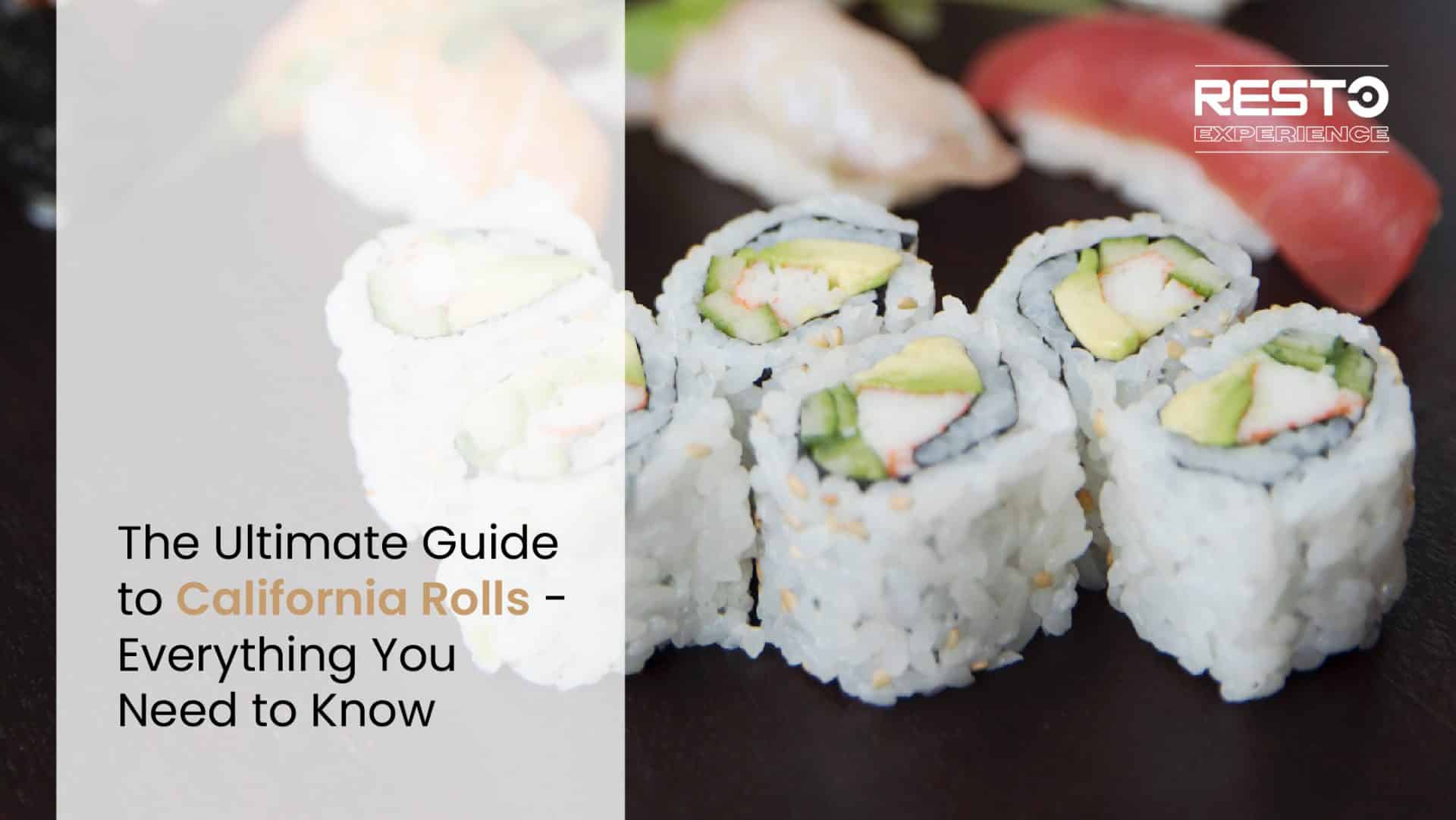
Deconstructing the California Maki: Ingredients and Nutritional Value
At its core, a California Roll is a “maki” sushi, meaning it’s rolled sushi. Unlike traditional Japanese maki that typically features raw fish and seaweed on the outside, the California Roll is an American invention, characterized by its inside-out roll (uramaki) and its distinct ingredients. Let’s break down what goes into a standard California Maki to understand its nutritional makeup.
The Pillars of a California Roll
- Rice: Sushi rice, short-grain Japanese rice, is seasoned with vinegar, sugar, and salt. This forms the base of the roll. A typical serving of sushi rice (about 1/2 cup cooked) contains approximately 100-120 calories, with a significant portion coming from carbohydrates. The added sugar in the vinegar seasoning contributes to its calorie and sugar content.
- Avocado: This creamy fruit is a hallmark of the California Roll, providing a rich, buttery texture. Avocado is lauded for its healthy monounsaturated fats, fiber, and a good dose of vitamins and minerals like potassium and vitamin K. A quarter of an avocado adds roughly 80 calories and beneficial fats.
- Cucumber: Crisp and refreshing, cucumber adds hydration and a slight crunch with minimal calories. It’s a good source of vitamin K and provides a subtle flavor that balances the other ingredients.
- Imitation Crab (Surimi): This is perhaps the most debated ingredient from a health perspective. Imitation crab is made from processed white fish (often pollock) that is ground, mixed with starch, egg whites, sugar, salt, and flavorings to mimic the taste and texture of real crab. While it provides protein, it’s also a processed food containing added sugars, sodium, and sometimes artificial colors and flavors. A typical serving might have around 70-100 calories, with protein being the primary macronutrient.
- Nori (Seaweed): The thin sheet of dried seaweed used to wrap the rice and fillings is packed with nutrients. Nori is a good source of iodine, vitamin A, vitamin C, and several B vitamins, as well as minerals like calcium and iron.
- Sesame Seeds: Often sprinkled on the outside, sesame seeds add a nutty flavor and a small boost of fiber, protein, and healthy fats.
Macro and Micronutrient Overview
When you consider these ingredients together, a standard California Roll (typically 6-8 pieces) can range from 300 to 500 calories. The macronutrient breakdown is generally:
- Carbohydrates: Primarily from the sushi rice.
- Fats: Mostly from the avocado and sesame seeds, with some from the imitation crab.
- Protein: From the imitation crab, avocado, and sesame seeds.
Micronutrient-wise, you’re getting vitamins and minerals from the avocado, cucumber, nori, and sesame seeds. However, the processed nature of the imitation crab and the added sugar in the rice seasoning are key factors that influence its overall healthiness.
When Is California Maki a Healthier Choice?
While not a superfood, California Maki can be part of a balanced diet, especially when enjoyed mindfully and in certain contexts. Understanding when and how to consume it can make a significant difference.
Navigating the Culinary Landscape of Travel

For travelers, particularly those exploring vibrant food cultures like those found in Tokyo, Seoul, or even enjoying fusion cuisine in a New York City restaurant, sushi is often an appealing option. The convenience of finding sushi restaurants in most major cities, from bustling metropolises to charming tourist towns, makes it an accessible choice. Many hotels, whether a luxury [resort](https://lifeoutofthebox.com/ritz-carlton- Laguna-Niguel) in California or a boutique hotel in Kyoto, offer sushi on their menus.
When choosing California Maki during your travels, consider the following:
- Portion Control: Like any meal, moderation is key. Opting for a smaller portion of California Maki as part of a larger meal that includes other nutritious items can be a good strategy.
- Balance with Other Foods: Pair your California Roll with edamame, a clear soup, or a salad to round out your meal with more vegetables and protein. This approach is common in Japanese dining, where meals are often composed of multiple small dishes.
- Frequency: If you’re aiming for a very strict diet, consuming California Maki frequently might not be ideal due to the processed ingredients and added sugars. However, as an occasional treat or a way to sample local flavors, it can be perfectly fine.
- Quality of Ingredients: While imitation crab is common, some establishments might use real crab or other fresh seafood. If given the choice, opting for rolls with real crab can offer a better protein source and fewer additives.
Lifestyle Considerations: From Luxury to Budget Travel
The “Lifestyle” aspect of the website – encompassing luxury travel, budget travel, family trips, and business stays – also plays a role in how California Maki fits into your dietary choices.
- Luxury Travel: In high-end hotels and restaurants, you might find California Rolls made with premium ingredients. Look for establishments that emphasize fresh, high-quality seafood and artisanal preparation. Even in a luxury resort like The Beverly Hills Hotel, the approach to preparing classic dishes can elevate them.
- Budget Travel: When traveling on a budget, sushi can sometimes be a more affordable option than a full sit-down meal. However, be mindful of the ingredients at lower-cost establishments, as they might rely more heavily on processed components.
- Family Trips: For families traveling with children, California Maki is often a hit due to its mild flavor and lack of raw fish. It can be a safe and approachable introduction to sushi for younger palates. However, for very young children, it’s always wise to consult with pediatric nutrition advice regarding processed foods.
- Business Stays: Business travelers often look for convenient and reliable dining options. Sushi restaurants are abundant in business districts, making California Maki a quick and accessible meal. Choosing a well-regarded establishment or ordering a more varied selection of sushi can enhance the health aspect.
Making Healthier Choices with California Maki and Beyond
When considering the healthiness of California Maki, it’s also beneficial to explore healthier alternatives and ways to modify the roll itself. This aligns with the website’s broader themes of exploring local culture and food, discovering new attractions, and enjoying diverse experiences.
Modifications for a Healthier Roll
If you’re particularly health-conscious, you can sometimes request modifications or choose variations that offer a better nutritional profile:
- Request Brown Rice: Some sushi restaurants now offer brown rice as an alternative to white sushi rice. Brown rice is higher in fiber and provides more sustained energy.
- Ask for Less Rice: A generous amount of rice can significantly increase the carbohydrate and calorie count. You can politely ask for a “light rice” California Roll.
- Choose Real Crab: If available, opt for a California Roll made with real crab meat. This will provide a more natural source of protein and fewer additives compared to imitation crab.
- Go Easy on Sauces: Many sushi rolls are served with mayonnaise-based sauces or soy sauce. While soy sauce adds flavor, it’s high in sodium. Consider asking for reduced-sodium soy sauce or using it sparingly. Creamy sauces can add significant calories and unhealthy fats.
- Add More Vegetables: If you have the option, ask for extra cucumber or even some other vegetables like shredded carrot or bell pepper to be added to your roll.
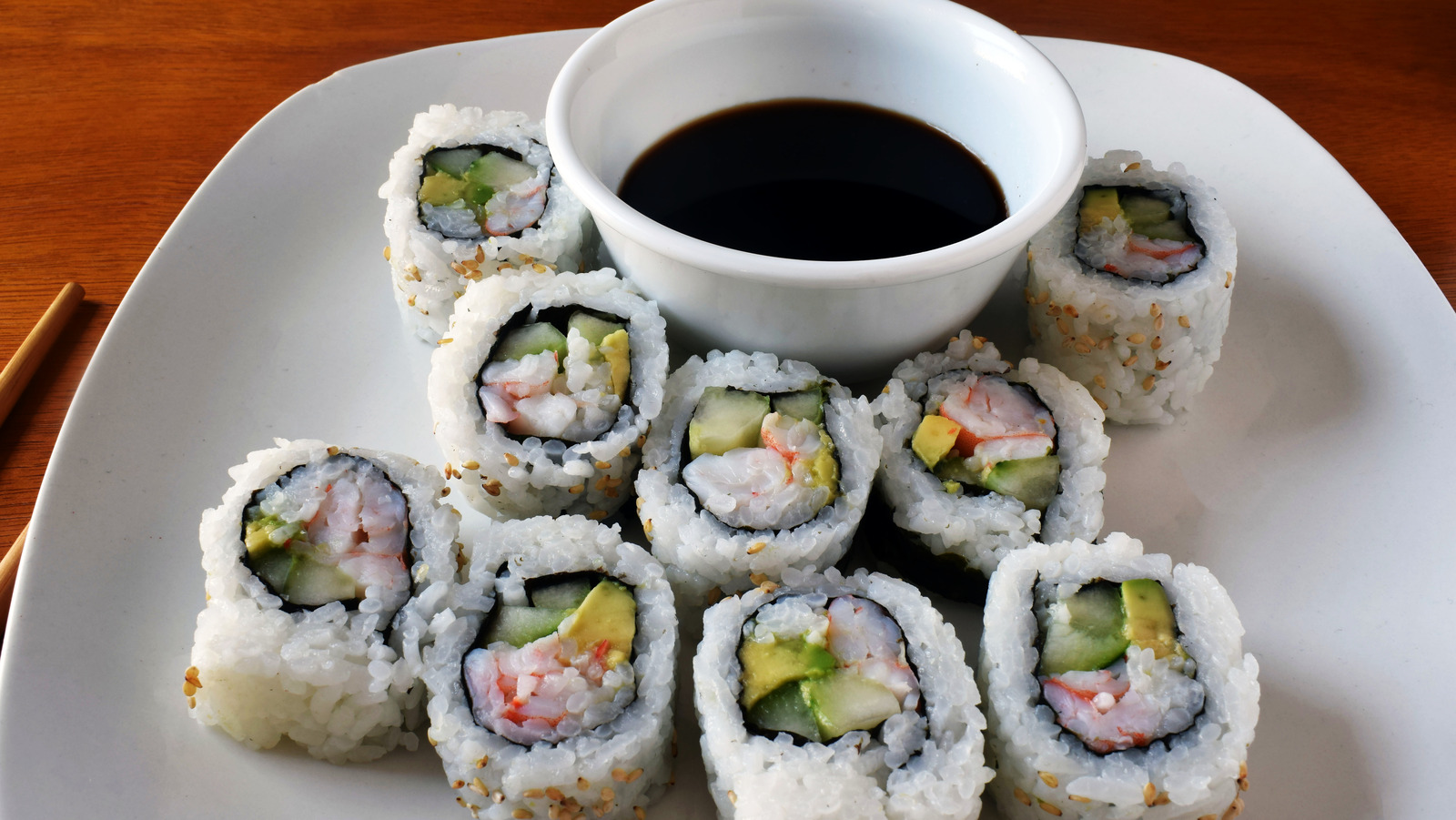
Exploring Healthier Sushi Options
Beyond the California Roll, the world of sushi offers a plethora of healthier choices. When you’re exploring the culinary landscape of a new destination, consider these alternatives:
- Sashimi: Thinly sliced, raw fish without rice. This is a pure protein source with minimal carbohydrates and fats, offering the full nutritional benefits of the fish.
- Nigiri: A small ball of sushi rice topped with a slice of fish or seafood. This has less rice than a maki roll and is a good way to enjoy fish.
- Vegetable Rolls: Rolls filled with a variety of fresh vegetables like avocado, cucumber, asparagus, carrot, and sometimes pickled radish (takuan). These are typically low in calories and high in fiber and nutrients.
- Salmon or Tuna Rolls (Maki or Nigiri): Rolls or sushi pieces made with actual salmon or tuna are excellent sources of lean protein and omega-3 fatty acids, which are beneficial for heart and brain health.
- Edamame: Steamed young soybeans, a fantastic appetizer or side dish, rich in protein and fiber.
- Seaweed Salad: A light and refreshing salad made from various types of seaweed, offering minerals and a unique texture.
Ultimately, the “healthiness” of California Maki, or any food, is relative to your overall diet, lifestyle, and individual nutritional needs. For the traveler, the food enthusiast, and the lifestyle-conscious individual, understanding the components and making informed choices allows for enjoyable culinary experiences without compromising well-being. Whether you’re relaxing in a beach resort in Maui or navigating the historic streets of Rome, the ability to make balanced dietary decisions is a valuable part of the journey.