
The allure of California is undeniable. From the iconic Golden Gate Bridge in San Francisco to the sun-kissed beaches of Los Angeles and the pristine wilderness of Yosemite National Park, the Golden State offers a kaleidoscope of experiences for every traveler. However, a persistent question often arises for those planning a visit: “Is California on fire?” This question, born from news headlines and social media, paints a concerning picture that can deter even the most adventurous spirits. While wildfires are a serious and unfortunate reality for parts of California, the perception often overshadows the vast and diverse landscape of the state, most of which remains untouched and welcoming year-round.
This comprehensive guide aims to demystify the situation, providing travelers with the knowledge and tools to plan a safe, enjoyable, and responsible trip to California. We’ll delve into the realities of wildfires, their impact on tourism and local life, and most importantly, how you can confidently navigate your travel plans, ensuring your dream California adventure is as spectacular as you imagine. Understanding the landscape, staying informed, and making conscious choices are key to experiencing the best of what this magnificent state has to offer, even as it grapples with environmental challenges.
Understanding California Wildfires: A Traveler’s Perspective
To travel wisely in California, it’s crucial to move beyond sensational headlines and grasp the nuanced reality of wildfires. These natural events, exacerbated by climate change, drought, and historical land management practices, are indeed a part of California’s ecosystem. However, understanding their patterns and impacts is vital for any prospective visitor.
The Landscape of Risk: Where and When Do Fires Occur?
Wildfires in California are not uniform. They typically have a season, generally from late summer through late fall, peaking when temperatures are high, vegetation is dry, and winds, particularly the infamous Santa Ana winds in Southern California, are strong. Geographically, certain areas are more prone than others. Mountainous and forested regions, such as parts of the Sierra Nevada, especially near national parks like Yosemite National Park, Sequoia National Park, and Kings Canyon National Park, as well as chaparral-covered hillsides in Southern California, are frequently identified as high-risk zones. The wildland-urban interface, where development meets natural landscapes, also poses a significant concern.
However, it’s paramount to remember that California is a vast state, stretching over 800 miles from north to south. While one region might be battling a wildfire, hundreds of other destinations, including major metropolitan areas like San Francisco, Los Angeles, and San Diego, coastal towns such as Santa Barbara, Monterey, and Carmel-by-the-Sea, and even other wine regions like Napa Valley and Sonoma Valley, often remain completely unaffected and open for tourism. The key is to understand the specific location of any incident relative to your intended destination. A fire hundreds of miles away, even if widely reported, may have no bearing on your visit to a coastal resort or city landmark.

Distinguishing Smoke from Flames: Air Quality and Health Considerations
One of the most widespread impacts of wildfires, even far from the actual flames, is smoke and its effect on air quality. Smoke plumes can travel considerable distances, sometimes blanketing areas that are otherwise safe from fire. This can lead to hazy skies, reduced visibility, and, more importantly, adverse health effects, particularly for individuals with respiratory conditions.
Monitoring the Air Quality Index (AQI) is an essential step for travelers during fire season. Numerous online resources and apps provide real-time AQI readings for specific locations across California. An AQI below 100 is generally considered satisfactory for most people. If the AQI rises significantly, especially into the “unhealthy for sensitive groups” or “unhealthy” categories, it’s advisable to limit outdoor activities. During such times, focusing on indoor attractions like museums (e.g., the Getty Center in Los Angeles), theaters, or shopping centers can be a smart pivot for your itinerary. Carrying N95 masks can also be a proactive measure, especially for those with sensitivities, allowing for continued exploration when air quality is moderate.
Impact on Travel and Tourism: What Travelers Need to Know
Wildfires undoubtedly pose challenges for the tourism industry and individual travelers. From booking accommodations to visiting famous landmarks, understanding the potential disruptions allows for better planning and a more resilient travel experience.
Reserving Your Stay: Hotels, Resorts, and Accommodations
The threat of wildfires can introduce uncertainty into accommodation bookings. It’s wise to consider hotels and resorts that offer flexible cancellation policies, especially when booking during peak fire season. Many upscale establishments, such as The Ritz-Carlton, Laguna Niguel or Fairmont Grand Del Mar in San Diego, understand these concerns and may offer more lenient terms during specific periods. Additionally, travel insurance that explicitly covers natural disasters or unforeseen circumstances like wildfires can provide peace of mind, protecting your investment in case of necessary cancellations or re-routing.
When a wildfire is active, properties in immediate proximity might close for safety. However, hotels in unaffected cities like San Jose, Sacramento, or coastal havens in Orange County continue to operate normally. It’s always best practice to communicate directly with your chosen accommodation prior to your trip for the most up-to-date information on local conditions and any potential impacts. They can often provide insights into local air quality and accessibility that general news reports might not cover specifically.
Navigating Attractions and Landmarks
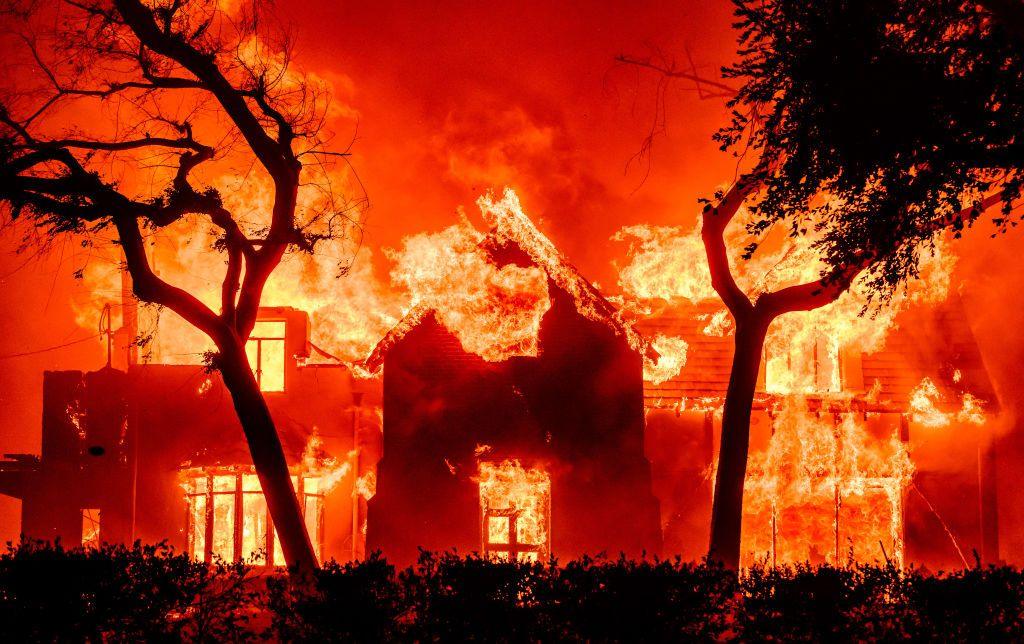
Some of California’s most stunning attractions are its natural wonders, particularly its national and state parks. During a wildfire, these areas are often the first to be impacted by closures, either due to direct fire threat or for safety reasons related to smoke, firefighting operations, or post-fire hazards. Yosemite National Park, Sequoia National Park, and Joshua Tree National Park, while generally safe, have experienced temporary closures or restrictions in the past.
For travelers, this means keeping an eye on park service websites for real-time updates. If your planned visit to a wilderness area is affected, California offers an incredible array of alternative attractions. Iconic urban landmarks like the Golden Gate Bridge, Alcatraz Island, the Hollywood Walk of Fame, the Griffith Observatory, and theme parks such as Disneyland Resort and Universal Studios Hollywood are rarely directly threatened by wildfires. Coastal attractions like the Santa Monica Pier or driving the Pacific Coast Highway (outside of specific closures like parts of Big Sur that might occur for various reasons) offer breathtaking experiences generally far removed from fire activity. This highlights the importance of having a flexible itinerary with backup plans, ensuring your trip remains fulfilling regardless of unexpected shifts in conditions.
Local Economies and Responsible Tourism
Wildfires can devastate local economies, especially in smaller communities heavily reliant on tourism. When planning your trip, consider how you can support these communities, both those directly impacted and those whose livelihoods might suffer from a general downturn in tourism perception. Choosing local businesses, dining at local restaurants, and purchasing goods from local artisans directly injects money into the community.
Practicing responsible tourism also means being mindful of your environmental footprint. Adhering to fire safety guidelines, such as proper disposal of cigarettes, avoiding open flames in dry conditions, and knowing fire restrictions in natural areas, is paramount. If you’re passionate about contributing further, researching reputable charities that support wildfire relief or environmental restoration efforts can be a meaningful way to give back. By making conscious choices, travelers can play a positive role in California’s recovery and resilience.
Planning a Safe and Enjoyable California Trip
Traveling to California during what might be fire season doesn’t mean sacrificing safety or enjoyment. With careful planning and access to the right information, you can still experience the magic of the Golden State.
Staying Informed: Essential Resources for Travelers
Knowledge is your best travel companion when navigating potential wildfire concerns. Rely on official and authoritative sources for the most accurate and up-to-date information:
- CalFire: This is California’s primary wildfire response agency. Their website provides real-time incident maps, containment percentages, and public safety announcements. Regularly checking CalFire updates for your intended travel region is crucial.
- National Park Service & State Park Websites: If your itinerary includes national or state parks (e.g., Redwood National Park, Death Valley National Park, or Mount Shasta wilderness areas), always check their official websites before heading out. They provide specific alerts on closures, trail conditions, and fire restrictions.
- Air Quality Monitoring Sites: Websites like AirNow.gov offer real-time AQI maps that can help you understand the air quality in different parts of the state and adjust outdoor plans accordingly.
- Local News & Tourism Boards: Local news outlets in specific cities (e.g., San Diego Union-Tribune, Los Angeles Times) and regional tourism boards often provide hyper-local updates and recommendations for visitors.
- U.S. Department of State (for international travelers): Consult travel advisories for general safety and entry requirements.
By cross-referencing these sources, you can build a clear picture of the conditions in your chosen destinations.
Strategic Itinerary Planning and Alternative Destinations
Flexibility is paramount when planning a California trip during fire season. Consider these strategies:
- Coastal Focus: During late summer and fall, coastal regions generally experience cooler temperatures and higher humidity, making them less prone to large-scale wildfires. Destinations like Santa Barbara, Monterey, and San Diego offer beautiful beaches, marine life, and vibrant city culture.
- Urban Exploration: San Francisco, Los Angeles, and Sacramento offer endless cultural, culinary, and entertainment options that are largely unaffected by distant wildfires. Museums, galleries, theaters, and world-class dining can fill your days.
- Northern California Coast: The majestic Redwood National Park and the rugged Northern California coastline often experience different weather patterns than the fire-prone interior or southern regions.
- Off-Season Travel: Visiting California in late winter or early spring often means lush landscapes, fewer crowds, and significantly reduced wildfire risk, though it might bring rain.
- Theme Park Escapes: For family trips, destinations centered around attractions like Disneyland Resort or Universal Studios Hollywood offer controlled environments and are excellent choices that are generally insulated from wildfire concerns.
- Desert Retreats: During cooler months, unique destinations like Palm Springs or Joshua Tree National Park offer stark beauty and warm weather, often far from the forest fires that affect other parts of the state.
Having a Plan B or even a Plan C for outdoor activities is a wise move. If a hiking trail is closed, could you visit an urban park, an art museum, or a historical site like Hearst Castle instead?
Travel Insurance and Emergency Preparedness
Investing in comprehensive travel insurance is a prudent decision for any trip, but it becomes particularly valuable when traveling to regions with potential natural disaster risks. Look for policies that explicitly cover delays, cancellations, or medical emergencies related to wildfires. Read the fine print carefully to understand what is and isn’t covered.
Beyond insurance, personal preparedness is key.
- Emergency Contact Information: Have a list of essential contacts, including your embassy (if international), family, and accommodation providers.
- Communication Plan: Discuss with your travel companions how you’ll communicate if separated or if cell service is unreliable.
- Go-Bag Essentials: While unlikely for most tourists, if you’re venturing into remote areas, have a small kit with essentials like N95 masks, a flashlight, a portable phone charger, basic first aid, and any necessary medications.
- Stay Charged: Keep your cell phone and other communication devices fully charged.
- Fuel Up: If driving through rural areas, keep your vehicle’s fuel tank topped off.
Is California on fire? Not entirely, and certainly not uniformly. California remains a premier travel destination offering an unparalleled diversity of landscapes, cultures, and experiences. While wildfires are a challenge the state faces, they do not define the entirety of its tourism landscape. By staying informed, planning strategically, and traveling responsibly, you can confidently explore the Golden State’s magnificent cities, pristine coastlines, and captivating natural wonders. Your journey can not only be safe and enjoyable but also a conscious contribution to the state’s resilience and its vibrant local communities. Embrace the adventure, and let the beauty of California unfold before you.