
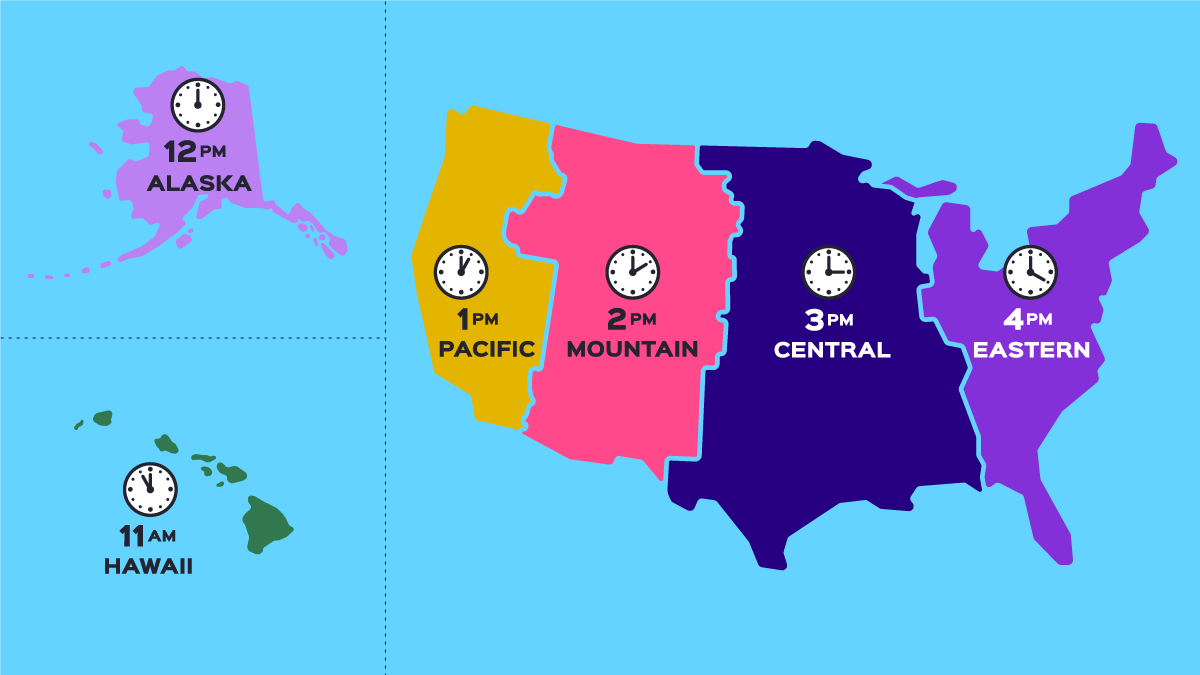
For anyone planning a trip to the Golden State, a fundamental question often arises: “What time zone is California in?” The answer is clear and consistent across the entire state: California operates on Pacific Time (PT), specifically Pacific Standard Time (PST) during the winter months and Pacific Daylight Time (PDT) during Daylight Saving Time (DST). This means California is consistently three hours behind Eastern Time (ET), two hours behind Central Time (CT), and one hour behind Mountain Time (MT). Understanding this seemingly simple fact is crucial for seamless travel planning, managing expectations, and ensuring a smooth, enjoyable experience in this vibrant destination. From coordinating flights and accommodation bookings to scheduling business calls and planning daily excursions, being aware of California’s time zone is an essential aspect of any well-prepared traveler’s itinerary.

Understanding Time Zones in the United States
The United States, due to its vast geographical span, is divided into multiple standard time zones. These divisions are not arbitrary but are designed to facilitate commerce, communication, and daily life across different longitudes. For travelers, grasping the basics of this system is paramount, especially when traversing the country from east to west or vice-versa.
The Four Continental US Time Zones
The contiguous United States is primarily divided into four major time zones:
- Eastern Time Zone (ET): This is the furthest east and includes major cities like New York City, Miami, and Washington D.C.. It is 5 hours behind Coordinated Universal Time (UTC) (UTC-5) during Standard Time and UTC-4 during Daylight Saving Time.
- Central Time Zone (CT): Moving west, this zone covers states like Texas, Illinois, and Louisiana, including cities such as Chicago and New Orleans. It is UTC-6 (Central Standard Time) and UTC-5 (Central Daylight Time).
- Mountain Time Zone (MT): This zone encompasses states like Colorado, Arizona (though much of Arizona does not observe DST), and Montana. It is UTC-7 (Mountain Standard Time) and UTC-6 (Mountain Daylight Time).
- Pacific Time Zone (PT): The westernmost zone, home to California, Washington, and Oregon. It is UTC-8 (PST) and UTC-7 (PDT).
Beyond these, Alaska and Hawaii have their own respective time zones (Alaska Time and Hawaii Standard Time).
Daylight Saving Time and Its Impact
Most states in the United States, including California, observe Daylight Saving Time. This involves moving clocks forward by one hour in the spring (usually the second Sunday in March) and back one hour in the fall (first Sunday in November). For travelers, this means that while the time difference between California and other states remains constant (e.g., three hours behind the East Coast), the actual UTC offset changes. It’s crucial to be aware of when these transitions occur, particularly if your travel dates fall around these periods, to avoid confusion with flight schedules, hotel check-ins, or pre-booked activities. Modern smartphones and digital devices typically adjust automatically, but it’s always wise to double-check, especially for analog clocks or printed itineraries.
Why Time Zones Matter for Travelers
For travelers, understanding time zones is far more than just knowing what time it is locally. It impacts:
- Jet Lag Management: Crossing multiple time zones can disrupt your circadian rhythm. Knowing the exact shift helps you prepare and manage jet lag more effectively.
- Flight and Connection Schedules: All flight times are listed in local time. A flight departing at 9 AM ET and arriving at 12 PM PT is a long flight, not a three-hour hop. Misinterpreting this can lead to missed connections or unexpected delays.
- Booking and Reservations: When booking hotels, tours, or restaurant reservations from a different time zone, always confirm the local time. What seems like an evening reservation from your home time zone might be midday in California.
- Communication: Staying in touch with family, friends, or colleagues back home requires an understanding of the time difference to avoid inconvenient calls or missed meetings.
- Business Travel: For business travelers, accurate time zone awareness is non-negotiable for scheduling remote meetings, conference calls, and adhering to deadlines.
Navigating California’s Pacific Time Zone as a Traveler
Traveling to California from other parts of the world or even just the East Coast presents a significant time zone adjustment. While exciting, this transition requires careful consideration to make the most of your trip.
Arrival and Jet Lag Management
The three-hour time difference from the East Coast (or more for international travelers) is substantial enough to induce jet lag. Upon arrival in cities like Los Angeles, San Francisco, or San Diego, you might find yourself feeling drowsy in the afternoon or wide awake in the middle of the night. To combat this:
- Adjust Before You Go: If possible, try to shift your sleep schedule by an hour or so each day in the days leading up to your trip, aligning it closer to PT.
- Hydrate and Avoid Alcohol: Dehydration can exacerbate jet lag symptoms. Drink plenty of water and limit alcohol on the flight and immediately after arrival.
- Embrace the Sun: Expose yourself to natural sunlight shortly after arriving. Sunlight helps reset your body clock. Go for a walk along a California beach or explore a local park.
- Stay Awake Until Evening: Even if you arrive early in the day, try to resist the urge to nap for too long. Power naps are okay, but sleeping for several hours can prolong jet lag. Go to bed at a reasonable local time.
- Light Exercise: Gentle physical activity can help alleviate symptoms and encourage better sleep later.
Planning Your Itinerary
All aspects of your California itinerary will operate on Pacific Time. This impacts everything from when attractions open to when your dinner reservations are.
- Attraction Hours: Disneyland Resort in Anaheim, the Golden Gate Bridge Welcome Center in San Francisco, and all other museums, parks, and tourist sites will list their hours in PT. Make sure to account for your personal time zone adjustment when planning your arrival times. An 8 AM opening in Los Angeles will feel like 11 AM if you’re accustomed to ET.
- Dining Reservations: California’s vibrant culinary scene often requires reservations, especially in popular cities like San Francisco or Napa Valley. If you’re booking from home, remember that a 7 PM reservation in PT might feel like 10 PM to your Eastern Time internal clock, potentially leading to a very late dinner.
- Tours and Experiences: Whether it’s a Hollywood studio tour, a wine tasting in Sonoma, or a boat trip in San Diego, all scheduled activities will adhere to Pacific Time. Double-check start times and plan your morning routine accordingly, allowing for extra time if you’re still adjusting.
Communication with Home/Business
Maintaining contact with people in other time zones requires a good understanding of the differences.
- Family and Friends: Calling family on the East Coast from California in the evening means they might already be asleep. Similarly, an early morning call to them could disrupt their sleep. Plan your calls strategically to bridge the time gap.
- Business Commitments: For those traveling for work, scheduling conference calls or virtual meetings across time zones is a routine challenge. Always use a time zone converter tool or app to confirm meeting times, especially when dealing with international participants or those in the Eastern or Central Time Zones. Clearly state the time zone for all scheduled events to avoid confusion.
Practical Tips for Time Zone Transitions
Successfully navigating time zone changes can significantly enhance your travel experience. Here are some actionable tips:
Before You Travel
- Update Devices: Ensure your smartphone, tablet, and laptop are set to automatically update their time zone. Most modern devices do this flawlessly, but a quick check can prevent headaches.
- Set Your Watch: Manually adjust any analog watches to Pacific Time before you depart or immediately upon landing. This helps reinforce the new time psychologically.
- Print and Confirm: If you have printed itineraries, manually write in the California times next to your booking times to avoid last-minute confusion. Call ahead to confirm crucial bookings if you have any doubt.
During Your Trip
- Stay Hydrated and Eat Lightly: Dehydration and heavy meals can worsen jet lag. Opt for water, juices, and lighter foods, especially on your travel day.
- Embrace Local Hours: Try to adapt to California’s rhythm as quickly as possible. Eat meals at local times, even if you’re not particularly hungry, and aim for a local bedtime.
- Limit Caffeine and Alcohol: While tempting, excessive caffeine can disrupt sleep, and alcohol can dehydrate and disorient you further, hindering your adjustment.
- Take Naps Strategically: If you must nap, keep it short (20-30 minutes) and avoid napping too close to bedtime.
- Use Eye Masks and Earplugs: These can be invaluable on the flight and in your hotel room to help you sleep when your body thinks it’s still daytime.
Tools and Technology
- Smartphone Auto-Update: Rely on your smartphone for accurate timekeeping. It will automatically detect the local time zone when you land.
- Time Zone Converter Apps: Apps like “World Clock” or dedicated time zone converters can quickly show you the time difference between California and your home location, making scheduling calls or appointments much easier.
- Online Converters: Websites like timeanddate.com offer robust time zone conversion tools for detailed planning.
Common Misconceptions and Time Zone Curiosities
While California is straightforward in its time zone adherence, other regions in the United States present interesting nuances that travelers often misunderstand.
Myth Busting: States with Multiple Time Zones
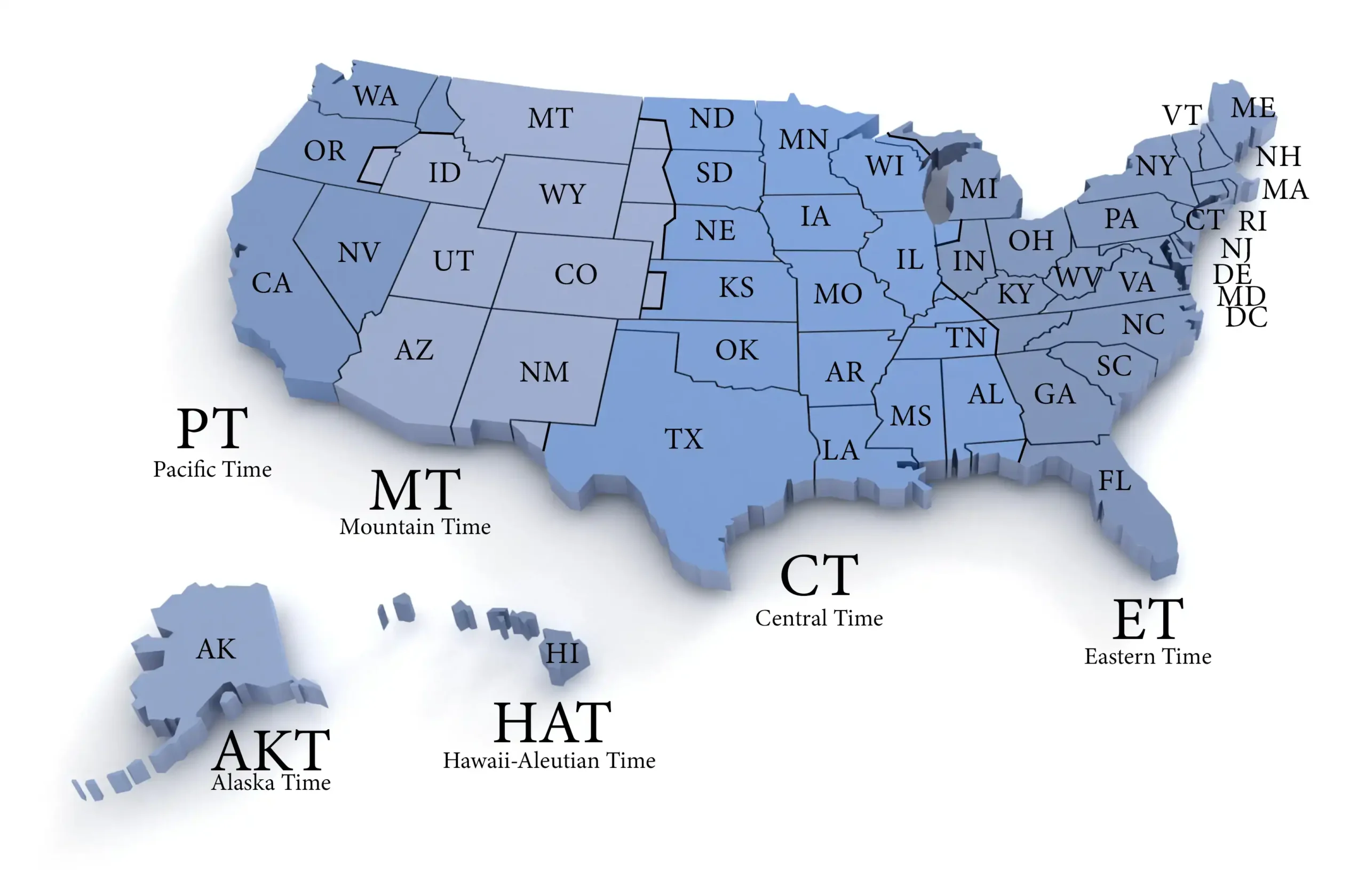
It’s a common misconception that many states are split across multiple time zones. While some states are indeed split, California is not one of them. Examples of states that do have multiple time zones include:
- Florida: Most of Florida is in ET, but the western panhandle observes CT.
- Idaho: Northern Idaho is in PT, while the rest of the state is in MT.
- Oregon: Almost entirely PT, but a small sliver of Oregon (Malheur County) observes MT.
These exceptions highlight why it’s always critical to confirm the specific time zone for your precise destination, though for California, you can rest assured it’s all Pacific Time.
California’s Consistency
One of the comforting aspects for travelers to California is the consistent application of Pacific Time across the entire state. Whether you’re exploring the bustling streets of San Francisco, relaxing on the beaches of Santa Monica, hiking in Yosemite National Park, or enjoying the desert landscapes of Palm Springs, the time will be the same. This eliminates any intra-state time zone confusion, allowing travelers to focus entirely on enjoying the diverse attractions California has to offer.
In conclusion, California unequivocally operates on Pacific Time, observing Daylight Saving Time just like most of the United States. This means it is three hours behind the East Coast. By understanding this fundamental geographical detail and applying simple travel tips for managing time zone transitions, you can ensure your journey to and throughout California is as smooth, enjoyable, and punctual as possible. Happy travels!
LifeOutOfTheBox is a participant in the Amazon Services LLC Associates Program, an affiliate advertising program designed to provide a means for sites to earn advertising fees by advertising and linking to Amazon.com. Amazon, the Amazon logo, AmazonSupply, and the AmazonSupply logo are trademarks of Amazon.com, Inc. or its affiliates. As an Amazon Associate we earn affiliate commissions from qualifying purchases.