
Decoding California’s Time Zone Landscape for Travelers
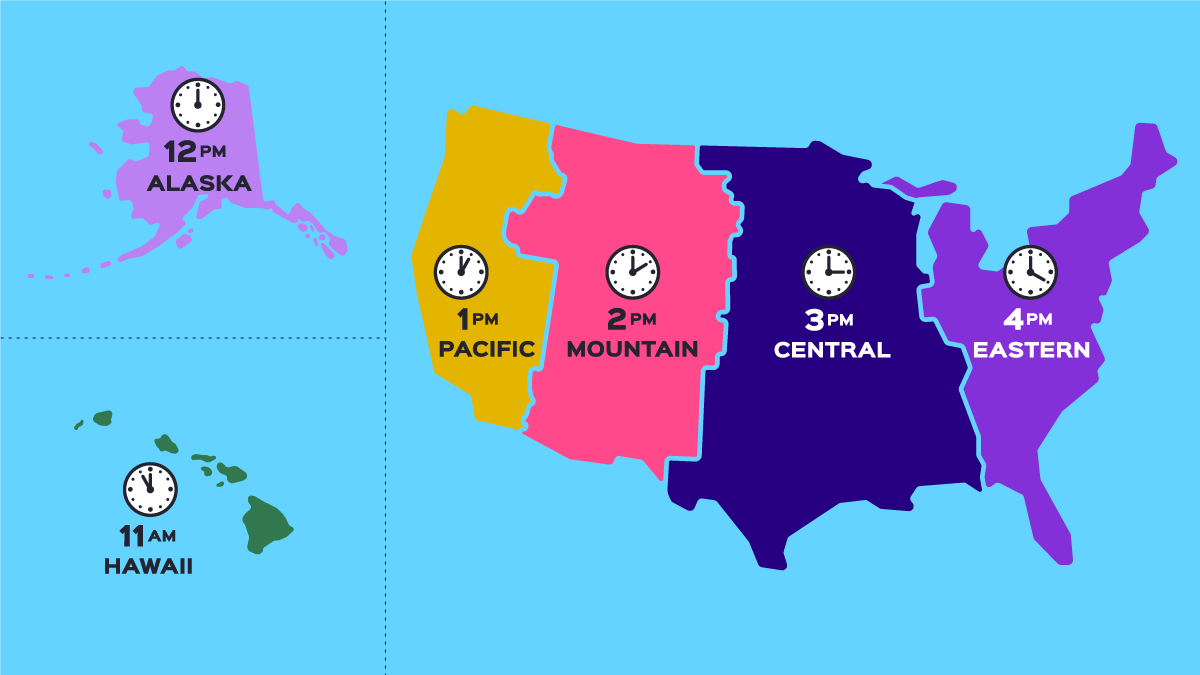
Embarking on a journey to the Golden State requires meticulous planning, and understanding its time zone is a fundamental step for any traveler. So, to answer directly: yes, the vast majority of California operates within the Pacific Time Zone (PT). This means that during standard time, the state observes Pacific Standard Time (PST), which is 8 hours behind Coordinated Universal Time (UTC-8). When Daylight Saving Time (DST) is in effect, California shifts to Pacific Daylight Time (PDT), moving to UTC-7.
California, a sprawling state celebrated for its diverse landscapes, iconic cities, and vibrant culture, attracts millions of visitors annually. From the sun-drenched beaches of Los Angeles to the majestic redwoods of the north, and the bustling tech hub of San Francisco to the desert retreats of Palm Springs, the uniformity of its time zone across its mainland simplifies travel logistics immensely. Unlike some larger states in America that straddle multiple time zones, California’s consistent observance of PT streamlines scheduling and communication for both domestic and international visitors. This consistency is a boon for travelers planning multi-city itineraries within the state, ensuring that a clock set in San Diego will be accurate in Sacramento, and vice-versa. Understanding this singular time zone is the first vital piece of information for crafting a seamless and enjoyable California travel experience.

Navigating Time Differences: Practical Implications for Your California Itinerary
The implications of California’s time zone extend far beyond a simple setting on your watch. For travelers, it impacts everything from flight bookings to daily activity scheduling and maintaining contact with those back home. A proactive approach to understanding and managing these differences can significantly enhance your trip.
Flight and Arrival Logistics
For travelers arriving from distinct time zones, the shift to PT is a critical consideration. Those journeying from the East Coast of the United States, typically on Eastern Time (ET), will find themselves three hours behind California. This “gaining” of three hours on arrival can make for an easier transition in terms of waking up earlier on the first day, but adjusting to a later bedtime might take a day or two. International travelers face even more significant adjustments. For instance, someone flying from London, observing Greenwich Mean Time (GMT) or British Summer Time, will experience an 8-hour or 7-hour difference, respectively, during California’s PST or PDT periods. This substantial time gap often leads to jet lag, characterized by fatigue, disorientation, and disrupted sleep patterns.
When booking flights, always confirm the arrival and departure times are in local time. This is standard practice, but double-checking eliminates confusion, especially for connecting flights in different time zones. Building in buffer time upon arrival, perhaps planning a leisurely first day rather than immediately diving into strenuous activities, can help mitigate the effects of jet lag and allow your body to acclimate. Hydration, light exercise, and exposure to natural daylight are recommended strategies for adjusting to the new time.
Scheduling Activities and Attractions
Once on the ground, the time zone dictates your daily rhythm. All opening and closing hours for attractions, museums, restaurants, and entertainment venues across California will be in PT. Whether you’re planning an early morning visit to Disneyland in Anaheim, reserving a coveted dinner spot in Napa Valley, or catching a show at Universal Studios Hollywood, these schedules are fixed to local Pacific Time Zone.
For iconic landmarks like the Golden Gate Bridge or national parks such as Yosemite and Joshua Tree, sunlight hours also factor into planning. During winter months, with shorter daylight periods under PST, outdoor activities might need to start earlier. Conversely, the extended daylight evenings during PDT in summer offer more flexibility for sightseeing and evening strolls. Always consult official websites for the most current operating hours, especially as they can vary seasonally.
Communication with Home
For many travelers, staying connected with family, friends, or colleagues back home is essential. The time difference means strategizing communication efforts. If your loved ones are on the East Coast, a morning call from California will be late morning or early afternoon for them. For international travelers, this coordination can be more complex, requiring careful consideration of sleep schedules across continents. A quick calculation or a world clock app on your phone can prevent untimely calls. Business travelers, in particular, must remain acutely aware of these differences to schedule meetings, respond to emails, and stay productive across time zones.
The Impact of Daylight Saving Time on California Travel
California, like most of the United States, observes Daylight Saving Time (DST). This annual adjustment moves the clocks forward by one hour in spring and back by one hour in fall. For travelers, understanding DST’s timing and implications is crucial to avoid disruptions.
Typically, DST begins on the second Sunday in March when clocks “spring forward” from PST to PDT, meaning you lose an hour. It concludes on the first Sunday in November when clocks “fall back” from PDT to PST, and you gain an hour. These changes, though seemingly minor, can have practical effects on your travel plans, especially if your trip spans one of these transition dates.
If you are flying on a day when DST begins, your departure time might seem to shift, or you might find yourself an hour behind schedule if you forget to adjust your clock. Most modern smartphones and electronic devices automatically update their time, but it’s always wise to manually check or set an alarm if you’re traveling during these periods. For those who rely on analog clocks or physical itineraries, a manual adjustment is necessary.
The transition to PDT in March means longer daylight hours into the evening, a pleasant bonus for summer visitors. This allows for extended outdoor enjoyment, later dinners, and more time for sightseeing after work hours for business travelers. Conversely, the return to PST in November means earlier sunsets, which can influence planning for activities that are best enjoyed in daylight. Photographers, hikers, and those with young children, in particular, might adjust their schedules to make the most of the available light. Being aware of the DST schedule ensures your itinerary remains synchronized with local time, preventing missed appointments or unnecessary rushes.
Time Zone Synchronization: California’s Consistency and Regional Connections
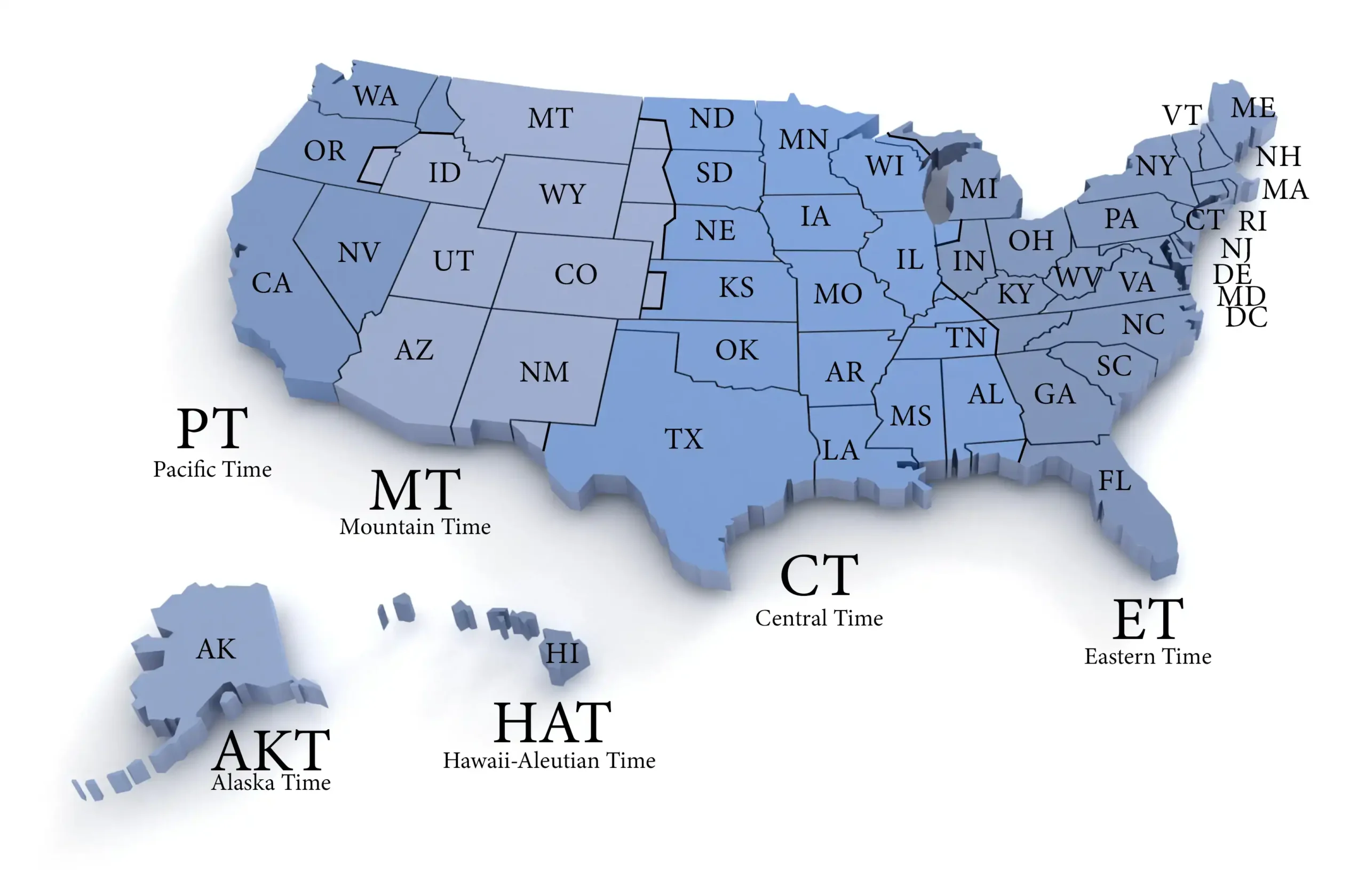
One of the most traveler-friendly aspects of California’s time zone is its uniformity across the mainland. Unlike states such as Idaho or Oregon which straddle both the Pacific Time Zone and the Mountain Time Zone (MT), or Arizona which largely observes Mountain Standard Time year-round without DST, California’s consistent PT simplifies multi-city travel within its borders.
This means you don’t need to worry about adjusting your watch as you travel from San Diego to Lake Tahoe or from San Francisco to Palm Springs. All appointments, tours, and activities will follow the same PT clock, making internal travel planning seamless. This contrasts sharply with a trip across, say, Texas, where you might encounter both Central and Mountain Time, adding an extra layer of complexity to your schedule.
When considering travel to California from neighboring states, the time zone picture is mostly straightforward. Nevada and the western two-thirds of Oregon also fall within the Pacific Time Zone, meaning no time change for cross-border trips between these areas. However, caution is advised when traveling from states to California’s east. Arizona, for example, does not observe Daylight Saving Time for most of the state. This means that during the period when California is on PDT (UTC-7), Arizona remains on Mountain Standard Time (MST), which is also UTC-7. Consequently, for half the year, California and most of Arizona are on the same time. However, when California switches back to PST (UTC-8) in the fall, it becomes an hour behind [Arizona](https://lifeoutofthebox.com/arizona] (MST, UTC-7) until DST resumes. This unique situation with Arizona can be a source of confusion for travelers driving between the two states, particularly for cities like Lake Havasu City or those near the Colorado River border. Always confirm the local time as you cross state lines to prevent any missteps in your schedule.
Essential Tips for Time Zone Management During Your California Adventure
Successfully navigating time zones is an often-overlooked yet critical aspect of travel planning. For your California adventure, keep these essential tips in mind:
First and foremost, allow your electronic devices to automatically update their time. Smartphones, laptops, and smartwatches are designed to sync with local cellular networks and Wi-Fi, ensuring they display the correct time zone without manual intervention. Before your trip, verify that this automatic setting is enabled. However, it’s prudent to pack a small, non-smart travel clock or watch that you can manually set, just in case your primary devices encounter connectivity issues or you prefer a quick reference without checking your phone.
Consider downloading a world clock application on your smartphone. These apps allow you to easily track multiple time zones simultaneously, which is incredibly useful for comparing California’s time with your home time zone or that of your contacts. This is particularly helpful for scheduling calls, video chats, or important communications without disturbing sleep or work schedules for those in other parts of the world.
When booking accommodations or activities, pay close attention to the times listed on your confirmations. While most online booking systems display times in the local time zone of the service being booked, a quick double-check can prevent misunderstandings. For example, a tour beginning at 9:00 AM on your confirmation means 9:00 AM Pacific Time Zone.
For international travelers or those crossing many time zones, budget for initial jet lag. Don’t plan crucial meetings or strenuous activities immediately upon arrival. Allow yourself a day or two to adjust to the new rhythm. Staying hydrated, avoiding excessive caffeine and alcohol, and seeking natural light exposure during California’s daylight hours can significantly aid in this adjustment process. Try to adapt to local meal times and sleep patterns as quickly as possible.
Finally, proactively communicate your time zone change to friends, family, and colleagues back home. A simple message informing them you’re now on Pacific Time Zone and noting the difference (e.g., “3 hours behind New York”) can help them understand when it’s appropriate to reach out and prevent any missed connections. By being mindful of the time, your California travel experience will be smoother, more efficient, and ultimately more enjoyable.
LifeOutOfTheBox is a participant in the Amazon Services LLC Associates Program, an affiliate advertising program designed to provide a means for sites to earn advertising fees by advertising and linking to Amazon.com. Amazon, the Amazon logo, AmazonSupply, and the AmazonSupply logo are trademarks of Amazon.com, Inc. or its affiliates. As an Amazon Associate we earn affiliate commissions from qualifying purchases.