
When planning a captivating journey to the Golden State, from the sun-drenched beaches of Malibu to the towering redwoods of the north, one crucial detail often overlooked by eager travelers is the time zone. Miscalculating this can lead to missed flights, bungled bookings, and a less-than-seamless start to your adventure. So, to answer directly and definitively: California operates on the Pacific Time Zone. This means it primarily observes Pacific Standard Time (PST) during the fall and winter months and switches to Pacific Daylight Time (PDT) in the spring and summer. It is emphatically not Eastern Standard Time (EST), which governs much of the East Coast of the United States and Canada.
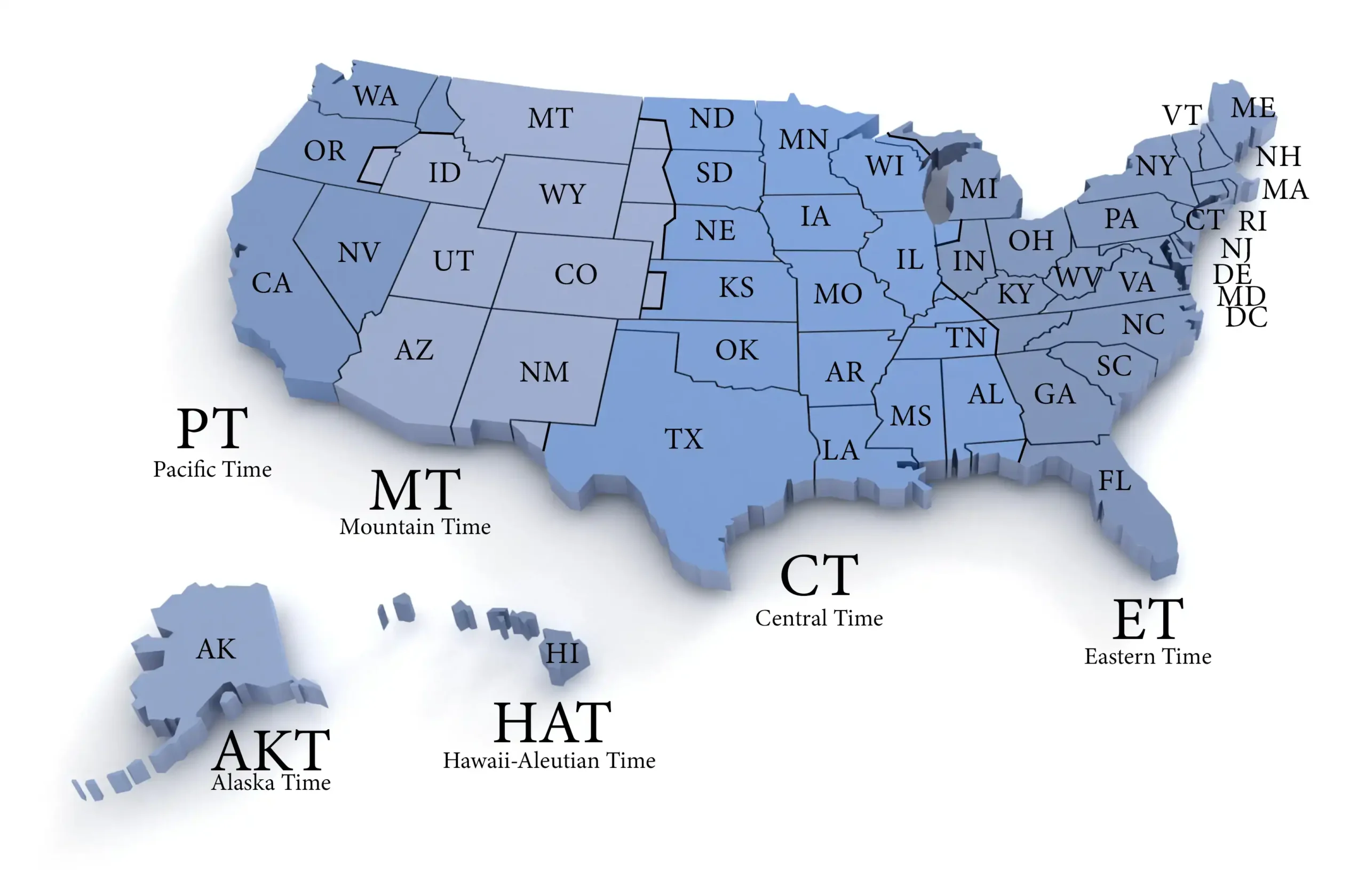
For anyone venturing to California from destinations further east, particularly those on EST, understanding this three-hour difference is paramount. It influences everything from coordinating business calls and catching live sports broadcasts to managing jet lag and scheduling your excursions to iconic landmarks like the Golden Gate Bridge or Disneyland Park. This comprehensive guide will delve into the intricacies of California’s time zone, compare it with EST, and offer invaluable travel tips to ensure your visit is as smooth and enjoyable as possible, whether you’re seeking luxury travel experiences or a budget-friendly family trip.
Understanding California’s Time Zone: PST/PDT
California’s adherence to the Pacific Time Zone is a defining characteristic of its geographical location. This time zone encompasses the westernmost states of the contiguous United States, including California, Oregon, Washington, and Nevada, extending north into parts of Canada (like Vancouver and Victoria in British Columbia) and south into Baja California, Mexico (e.g., Tijuana).
The term “PST” refers to Pacific Standard Time, which is observed during the standard time period, typically from early November to mid-March. During this time, the clock is set back one hour, placing it eight hours behind Coordinated Universal Time (UTC-8). However, for the majority of the year, roughly from mid-March to early November, California switches to Pacific Daylight Time (PDT). This is due to Daylight Saving Time (DST), a practice implemented to make better use of daylight and conserve energy. When PDT is in effect, clocks are moved forward by one hour, making it seven hours behind Coordinated Universal Time (UTC-7). This transition means that evenings have more daylight, allowing for extended enjoyment of outdoor activities, attractions, and tourism experiences, from scenic drives along Big Sur to late-night strolls in San Francisco.
For travelers, understanding this seasonal shift is important. While the core time difference from the East Coast remains constant (a three-hour gap), being aware of whether it’s PST or PDT helps in accurately tracking local time relative to global standards. When booking flights, tours, or accommodation—be it a luxury suite in Los Angeles or a cozy villa in Napa Valley—always double-check the time zone indicated, especially around the DST changeover dates. Most modern booking systems automatically adjust, but a manual check can prevent early arrivals or late departures. Furthermore, for business travelers, recognizing whether it’s PST or PDT is crucial for scheduling remote meetings with colleagues in different parts of the world, ensuring no critical calls are missed due to a simple time zone oversight. The relaxed lifestyle often associated with California sometimes masks the precise timing required for efficient travel and business operations.
The Eastern Standard Time (EST) Counterpart
To truly appreciate the time landscape of the United States, it’s essential to contrast California’s Pacific Time with its geographical opposite: the Eastern Time Zone. This zone, predominantly encompassing the East Coast of the United States and Canada, as well as some parts of the Caribbean and Central/South America, operates on Eastern Standard Time (EST) during its standard period and Eastern Daylight Time (EDT) during Daylight Saving Time.
EST is five hours behind Coordinated Universal Time (UTC-5), meaning that when it’s 9:00 AM in New York City or Miami, it’s only 6:00 AM in Los Angeles or San Francisco. This consistent three-hour difference forms the core of most planning considerations for travelers moving between the two coasts. When Daylight Saving Time is observed, the Eastern Time Zone switches to EDT, making it four hours behind UTC (UTC-4). Both the Pacific and Eastern Time Zones adjust for Daylight Saving Time on the same dates, maintaining the three-hour gap between them throughout the year. For instance, if it’s 1:00 PM EDT in Washington D.C., it will be 10:00 AM PDT in San Diego.
This constant three-hour offset has significant implications for travel and lifestyle. For individuals flying from a major EST hub like New York City or Florida to California, the journey essentially means “gaining” three hours, though the flight time itself might be five to six hours. This shift can be disorienting, contributing to jet lag, which we’ll discuss further. Conversely, for California residents traveling to the East Coast, they effectively “lose” three hours, making early morning meetings or activities particularly challenging.
From a tourism perspective, this time difference often dictates when certain activities are best enjoyed. For example, a morning hike in Yosemite might start at 8:00 AM PST, which is already 11:00 AM EST, allowing East Coasters to enjoy a later start to their day virtually. This temporal separation highlights the vastness of the United States and underscores the importance of mindful planning for any cross-country itinerary, impacting everything from hotel check-in times to booking tours and excursions at various destinations.
Navigating Time Differences as a Traveler: Practical Tips for Your California Adventure
Successfully managing the time difference between EST and California’s Pacific Time Zone is key to a rewarding and stress-free travel experience. Whether you’re on a romantic getaway to Carmel-by-the-Sea, exploring the vibrant city life of San Jose, or embarking on a thrilling family adventure, these practical tips will help you make the most of your time.
Beating Jet Lag When Traveling West
Traveling from EST to California involves a westward journey, which typically results in less severe jet lag than traveling eastward. However, the three-hour shift can still disrupt your circadian rhythm. To minimize its impact:
- Pre-Adjust Gradually: A few days before your trip, try to shift your bedtime and wake-up time by 30-60 minutes earlier each day. This small change can make a big difference upon arrival.
- Hydrate and Avoid Stimulants: During your flight, drink plenty of water and avoid excessive caffeine or alcohol, which can exacerbate dehydration and sleep disturbances.
- Embrace the Local Time Immediately: As soon as you land in Los Angeles, San Francisco, or San Diego, set your watch to local California time. Try to eat meals and go to bed according to the local schedule, even if you don’t feel tired.
- Seek Sunlight: Natural light helps reset your body clock. Spend time outdoors, especially in the morning, to signal to your body that it’s daytime. Enjoy a walk along the Santa Monica Pier or explore the urban parks of Sacramento.
- Choose Accommodations Wisely: Many hotels and resorts, particularly luxury ones, offer amenities designed to combat jet lag, such as blackout curtains, comfortable bedding, and on-site wellness centers. Consider booking a suite or a resort known for its tranquil environment to ensure restful sleep.

Planning Your Itinerary and Bookings
Accurate time zone awareness is critical for the logistical success of your trip:
- Flight Times: Always confirm your departure and arrival times in the local time zone of each airport. A flight departing New York City at 9:00 AM EST will land in Los Angeles around 12:00 PM PST/PDT, despite the actual travel time being 5-6 hours.
- Accommodation Check-ins/Check-outs: Verify your hotel’s check-in and check-out times. Arriving from the East Coast might mean you land in California relatively early in the day, allowing for immediate check-in, or you might need to arrange for early access or luggage storage.
- Attraction and Tour Schedules: Many popular California attractions, like Universal Studios Hollywood or wine tours in Napa Valley, operate on strict schedules. Always double-check their opening hours in local Pacific Time Zone.
- Dining Reservations: California boasts world-class culinary scenes. Making dinner reservations in San Francisco or Los Angeles requires you to think in PST/PDT, remembering that a 7:00 PM reservation will feel like 10:00 PM to your EST-adjusted body.
- Communication: When coordinating with family or friends still on the East Coast, remember the three-hour difference. A simple “Good morning!” text from California at 8:00 AM might interrupt someone’s lunch meeting at 11:00 AM on the other side of the country.
Business Travel and Remote Work Considerations
For business travelers or digital nomads leveraging California’s vibrant tech scene, time management is paramount:
- Meeting Schedules: If you have colleagues or clients on the East Coast or internationally, carefully schedule virtual meetings and conference calls. A 9:00 AM EST call is 6:00 AM PST, which might be an uncomfortably early start for someone in California. Conversely, an afternoon meeting in California could run quite late for East Coast participants.
- Productivity Zones: Identify your most productive hours and align them with necessary cross-time zone interactions. You might find yourself working earlier or later than usual to overlap with colleagues.
- Leverage Time Zone Tools: Utilize online time zone converters or world clock apps to quickly translate times and avoid errors. This is especially helpful when dealing with multiple time zones beyond just EST and PST.
- Designated Workspace: When working remotely from a California hotel or vacation rental, create a dedicated workspace that helps you maintain focus despite the potential for early morning or late evening calls. High-speed internet access is also a crucial amenity to consider when booking accommodation for business stays.
Experiencing California: Time Zone Insights for Tourism and Lifestyle
Beyond the practicalities of travel, the Pacific Time Zone profoundly influences the tourism experience and the unique lifestyle found across California. From the bustling metropolises to serene natural wonders like Joshua Tree National Park or the pristine shores of Lake Tahoe, the timing of your activities can significantly enhance your appreciation of the Golden State.
Morning Activities on the West Coast
The three-hour time difference means that mornings in California feel distinctly different, especially for visitors from the East Coast. When the sun is already high and offices are buzzing at 10:00 AM EST, California is just beginning its day at 7:00 AM PDT.
- Leisurely Starts: This can be a blessing for travelers who prefer a more relaxed start. You can enjoy a leisurely breakfast at your hotel or a charming local cafe without feeling rushed, knowing that much of the country has already been at work for hours.
- Optimal for Outdoor Exploration: Early California mornings are often characterized by pleasant temperatures and fewer crowds, making them ideal for exploring popular landmarks and natural attractions. Imagine an uncrowded morning hike in Yosemite or a peaceful sunrise walk on the beaches of San Diego, followed by a hearty brunch.
- Photography Opportunities: The “golden hour” for photography extends beautifully in the Pacific Time Zone’s mornings, offering stunning light for capturing the beauty of sites like the Golden Gate Bridge or the vineyards of Napa Valley without the intense midday sun.
Evening Entertainment and Dining
As the day transitions to evening, the Pacific Time Zone offers extended hours of daylight during PDT, influencing entertainment and dining experiences.
- Spectacular Sunsets: California is renowned for its breathtaking sunsets over the Pacific Ocean. Because the sun sets later in the Pacific Time Zone compared to the East Coast, you have more time in the late afternoon and early evening to enjoy activities that lead up to this daily spectacle. Think sunset cruises, beach strolls in Malibu, or enjoying cocktails with ocean views.
- Vibrant Nightlife: Major cities like Los Angeles and San Francisco come alive at night. The later onset of evening means that dinner reservations at 8:00 PM or 9:00 PM feel natural, allowing ample time for pre-dinner activities and a relaxed pace. Nightlife in Hollywood often extends well past midnight, giving visitors from EST more “awake” hours to experience it, even as their body might still feel it’s later than it is.
- Late-Night Relaxation: After a day of exploring, the extended evening allows for more relaxed enjoyment of hotel amenities, such as a late swim in a resort pool or a final drink at a hotel bar, without feeling the pressure of an early bedtime relative to your internal clock. Many boutique hotels and luxury apartments cater to guests seeking a sophisticated evening experience.

Unique California Lifestyle and Time Perception
The Pacific Time Zone is not just a technical detail; it’s woven into the fabric of California’s distinctive lifestyle and culture.
- A More Relaxed Pace: While California is a hub of innovation and industry, there’s often a perception of a more relaxed, unhurried pace compared to the bustling East Coast. The later start to the day, relative to the rest of the nation, contributes to this feeling. Mornings can be for surfing, yoga, or a leisurely coffee before diving into work or tourist activities.
- Outdoor-Centric Living: The abundance of natural beauty and favorable weather conditions encourages an outdoor-centric lifestyle. The longer daylight hours during PDT mean more time for hiking, cycling, beach activities, or simply enjoying the patios of charming cafes. This lifestyle influences accommodation choices, with many hotels and vacation rentals offering outdoor spaces, balconies, or easy access to nature.
- Global Connectivity with a Twist: For residents and frequent visitors, adapting to the time difference becomes second nature. It fosters a unique perspective on global connectivity, where early morning calls with Europe or late-night check-ins with Asia are common. This adaptability is part of the California ethos, blending a laid-back attitude with a highly connected, modern lifestyle.
In conclusion, understanding that California observes the Pacific Time Zone (PST/PDT) and not EST is more than just knowing a simple fact. It’s a foundational piece of knowledge that will empower you to plan a smarter, more enjoyable, and ultimately more memorable trip to this magnificent state. From managing your body clock to optimizing your itinerary, a mindful approach to time differences ensures that every moment of your California adventure, whether it’s exploring iconic landmarks, indulging in local cuisine, or simply soaking in the unique lifestyle, unfolds seamlessly. So, set your watch, embrace the Pacific pace, and prepare for an unforgettable journey.
LifeOutOfTheBox is a participant in the Amazon Services LLC Associates Program, an affiliate advertising program designed to provide a means for sites to earn advertising fees by advertising and linking to Amazon.com. Amazon, the Amazon logo, AmazonSupply, and the AmazonSupply logo are trademarks of Amazon.com, Inc. or its affiliates. As an Amazon Associate we earn affiliate commissions from qualifying purchases.