
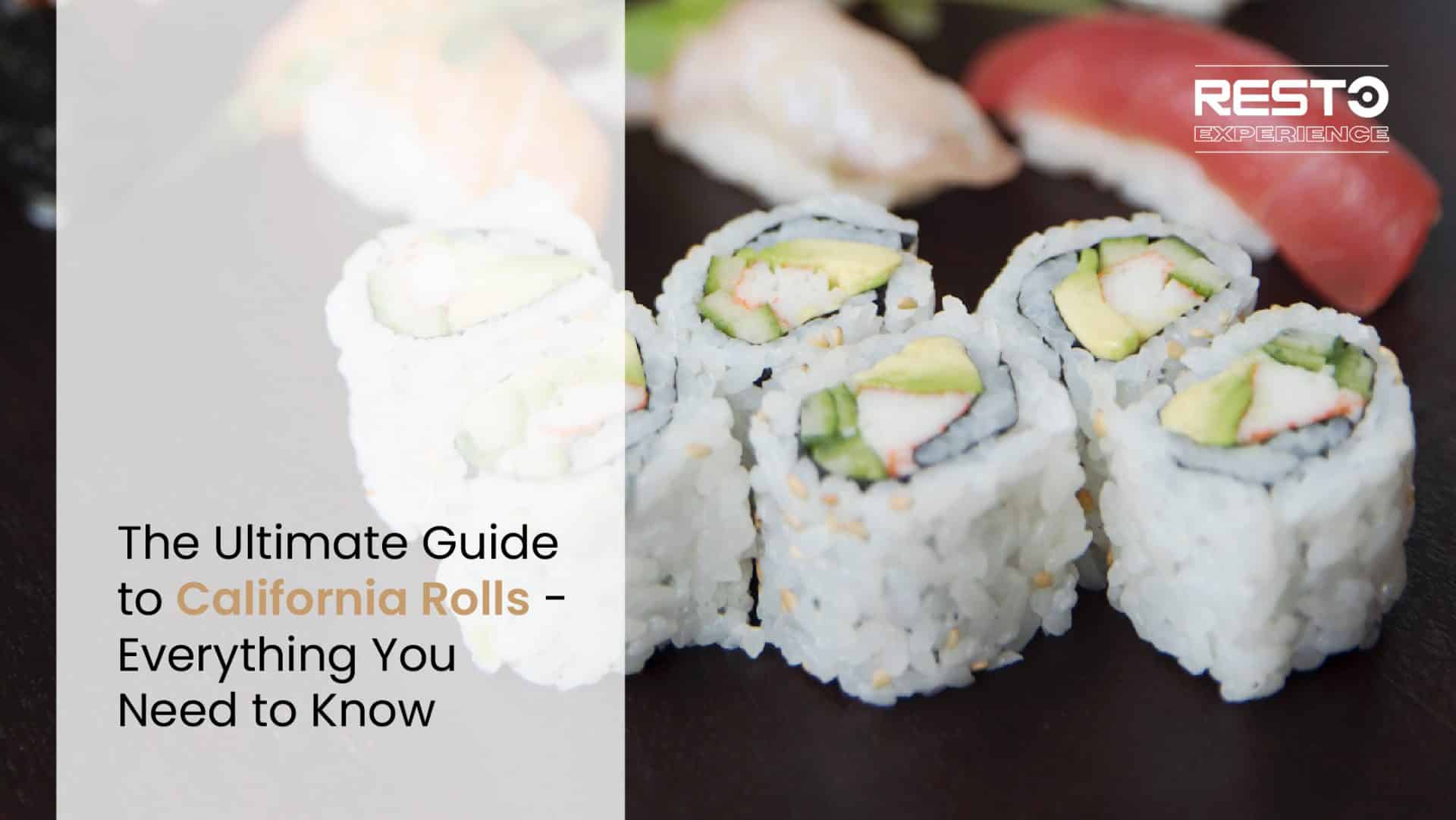
The allure of the California Roll is undeniable. It’s a gateway sushi, a bridge between the uninitiated and the vast, delicious world of Japanese cuisine. Often found on menus in San Francisco and beyond, this Americanized take on the traditional maki roll has become a global phenomenon. But as we embark on our culinary adventures, whether exploring the vibrant streets of Tokyo or seeking out hidden gems in a bustling New York City trattoria, a pertinent question often arises: is the California Roll fattening? This article delves into the nutritional landscape of this popular dish, exploring its ingredients, preparation, and how it fits into a balanced, globetrotting lifestyle.
The question of whether any food is inherently “fattening” is complex. It rarely boils down to a single ingredient but rather the overall caloric intake, portion sizes, frequency of consumption, and individual metabolism. For travelers, this becomes even more nuanced. We often indulge more when on vacation, our routines are disrupted, and the temptation to try every local delicacy is strong. Understanding the nutritional profile of a California Roll can help us make informed choices, ensuring our journeys are as healthy as they are memorable.
Decoding the California Roll: A Look at the Ingredients
At its core, the California Roll is a testament to fusion cuisine. It boldly departs from traditional sushi by incorporating ingredients not typically found in Japan, yet it retains the fundamental structure of a rolled sushi. Let’s dissect the components that contribute to its flavor and, potentially, its caloric count.
The Foundation: Rice and Nori
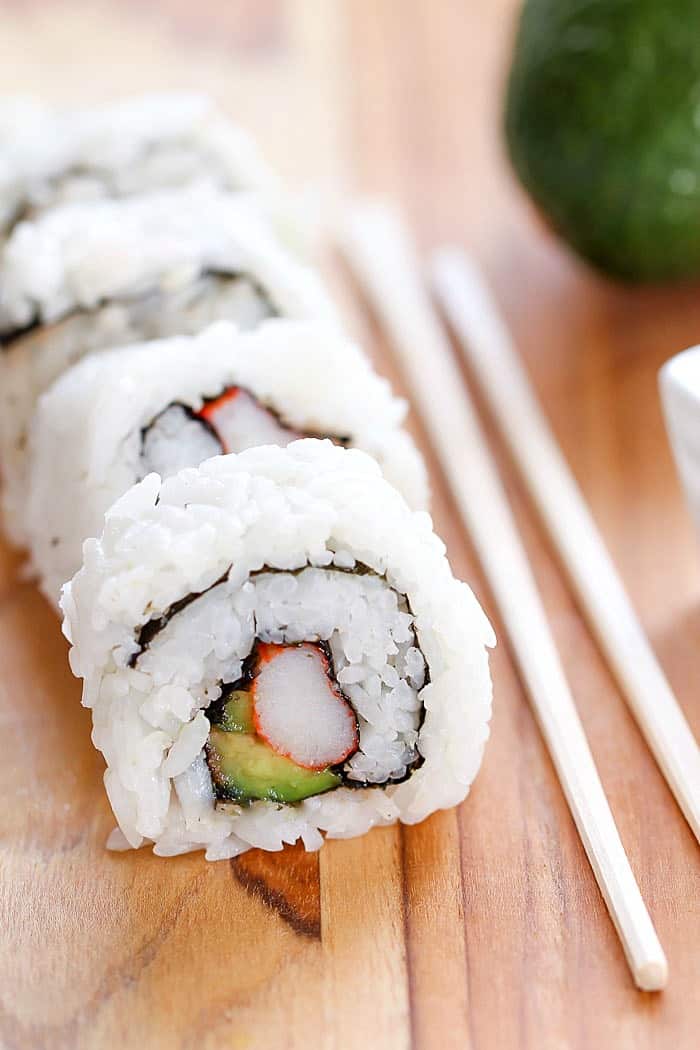
The base of any sushi roll is, of course, the rice. For a California Roll, this is typically short-grain white rice, seasoned with a mixture of rice vinegar, sugar, and salt. While white rice provides essential carbohydrates for energy – crucial for a traveler navigating new cities or hiking scenic trails – it is refined and generally lower in fiber compared to brown rice. A standard serving of sushi rice can contribute a significant portion of the roll’s calories and carbohydrates.
The outer layer, usually, is nori, a type of dried seaweed. Nori is remarkably nutritious, offering a good source of iodine, vitamins (like A, C, and E), and minerals. It’s low in calories and fat, making it an excellent wrapper that adds nutritional value without much caloric burden. However, in the case of an inside-out California Roll, the nori is on the inside, with the rice on the exterior.
The Heart of the Roll: Crab, Avocado, and Cucumber
This is where the California Roll truly distinguishes itself.
- Crab Meat: Traditionally, the California Roll uses imitation crab meat, also known as surimi. Surimi is made from processed white fish, mixed with starch, egg white, sugar, salt, and often flavorings and colorings to mimic crab. While it provides protein, the added ingredients, particularly sugars and starches, can increase its caloric density and carbohydrate content compared to genuine crab meat. The quality and preparation of imitation crab can vary significantly, impacting its nutritional value.
- Avocado: The creamy, rich texture of avocado is a hallmark of the California Roll. Avocado is a powerhouse of monounsaturated fats, which are heart-healthy. It also provides fiber, potassium, and various vitamins. However, avocados are also calorie-dense due to their fat content. A moderate amount is beneficial, but in large quantities, it can contribute significantly to the overall calorie count of the roll.
- Cucumber: The crisp, refreshing crunch of cucumber offers a welcome textural contrast and adds hydration. Cucumbers are very low in calories and carbohydrates, consisting mostly of water. They are a virtually “free” ingredient in terms of adding significant calories.
The Exterior Touch: Sesame Seeds or Roe
Many California Rolls are rolled in toasted sesame seeds or sometimes tobiko (flying fish roe).
- Sesame Seeds: These tiny seeds add a nutty flavor and a delightful crunch. They are a good source of healthy fats, protein, fiber, and minerals like calcium and magnesium. However, they are also calorie-dense due to their fat content.
- Tobiko: If used, tobiko adds a pop of briny flavor and a vibrant color. It’s a good source of protein and omega-3 fatty acids but also contains cholesterol and can add to the sodium content.
Nutritional Breakdown and Considerations for Travelers
To answer the question of whether the California Roll is fattening, we need to consider its typical nutritional profile. While exact figures vary based on preparation and portion size, a standard California Roll (typically 6-8 pieces) can range from 250 to 450 calories.
Caloric Density and Macronutrient Balance
The caloric density of a California Roll stems from a combination of factors:
- Carbohydrates: Primarily from the seasoned sushi rice. This is the main source of energy, which is essential for active travelers.
- Fats: From the avocado and, to a lesser extent, the imitation crab and sesame seeds. The avocado’s fats are beneficial, but their caloric impact is undeniable.
- Protein: From the imitation crab and potentially sesame seeds. This contributes to satiety, helping to keep you feeling full.
Compared to traditional sushi, which often features leaner fish and less calorie-dense additions, the California Roll can be higher in both calories and fat due to the avocado and imitation crab.
Portion Control and Accompaniments
A key factor in determining if a California Roll is “fattening” is portion control. Consuming one roll as part of a larger meal, or several rolls as a primary meal, will have vastly different impacts.
Furthermore, consider the typical accompaniments:
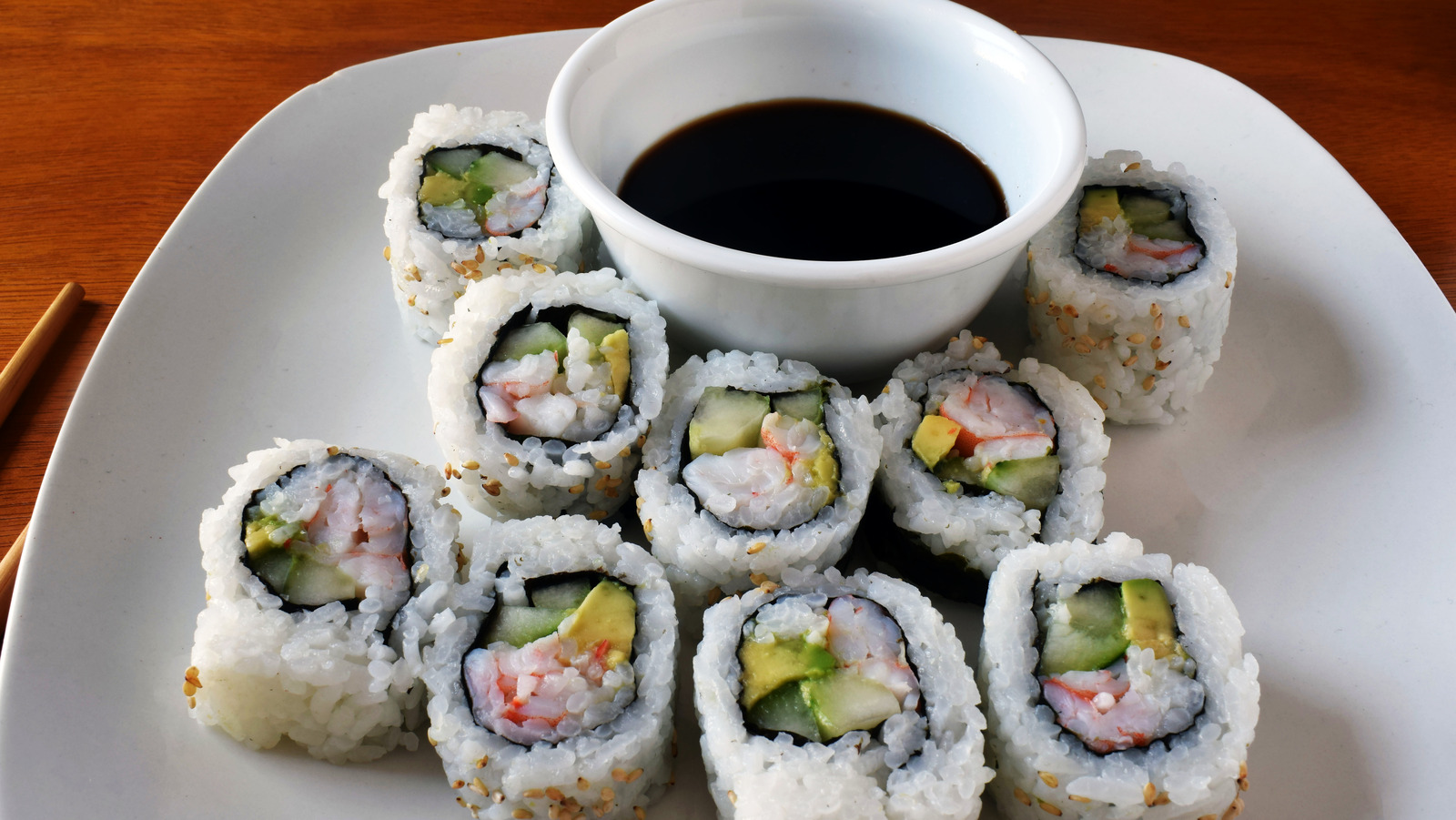
- Soy Sauce: Often high in sodium, which can lead to water retention. Opt for low-sodium versions when available.
- Wasabi: While providing a spicy kick, wasabi has negligible calories.
- Pickled Ginger (Gari): A palate cleanser, it’s low in calories and can aid digestion, though it often contains sugar and artificial coloring.
When traveling to destinations like Kyoto or exploring the culinary scene in Los Angeles, you might encounter variations. Some restaurants might use real crab, which would alter the nutritional profile. Others might add mayonnaise-based sauces, significantly increasing the fat and calorie content.
Making Healthier Choices on Your Travels
The good news is that enjoying a California Roll doesn’t have to derail your health goals. With a few strategic choices, you can savor this popular dish without overindulging.
Navigating Restaurant Menus and Customizing Your Order
When exploring a new city, whether it’s the culinary delights of Rome or the street food scene in Bangkok, making mindful food choices is paramount.
- Be Mindful of Additions: Ask about any additional sauces or ingredients used in the preparation. Mayonnaise, tempura batter, or creamy dressings will significantly increase the calorie and fat content.
- Opt for Leaner Proteins: If possible, choose rolls with grilled or steamed fish, or even opt for vegetable-only rolls for a lighter meal.
- Control Portion Sizes: Share your roll with a travel companion, or order a smaller portion. Pairing your roll with a clear broth soup or a side salad can help you feel more satisfied with less.
- Choose Brown Rice: Some establishments offer brown rice as an alternative. This adds fiber and nutrients, making the roll more filling and nutritionally sound.
- Limit Soy Sauce: Use soy sauce sparingly, or opt for a low-sodium variety.
Balancing Indulgence with Activity
The concept of “fattening” is also relative to your overall energy expenditure. When you’re actively exploring landmarks like the Eiffel Tower in Paris, or hiking through national parks in Canada, your caloric needs are higher.
- Stay Active: Incorporate walking, hiking, swimming, or exploring into your travel itinerary. This helps to offset the caloric intake from delicious meals.
- Hydrate: Drinking plenty of water is crucial for digestion and overall health. It can also help you feel fuller.
- Listen to Your Body: Pay attention to hunger and fullness cues. Enjoying food is part of the travel experience, but it’s also important to eat mindfully.
Ultimately, the California Roll itself isn’t inherently “fattening.” It’s a delicious and accessible introduction to sushi that can be enjoyed as part of a balanced diet and an active lifestyle. By understanding its components and making conscious choices, travelers can continue to explore the world, one delicious bite at a time, without compromising their well-being. Whether you’re staying at a luxury resort in the Maldives or exploring a budget-friendly hostel in Berlin, the key lies in mindful consumption and embracing a holistic approach to your travel experiences.
LifeOutOfTheBox is a participant in the Amazon Services LLC Associates Program, an affiliate advertising program designed to provide a means for sites to earn advertising fees by advertising and linking to Amazon.com. Amazon, the Amazon logo, AmazonSupply, and the AmazonSupply logo are trademarks of Amazon.com, Inc. or its affiliates. As an Amazon Associate we earn affiliate commissions from qualifying purchases.