
The question of whether California belongs to the American Southwest is more than a geographical curiosity; it’s a cultural, historical, and even geological debate that shapes how we understand this diverse state and its neighboring regions. While maps might place California on the Pacific coast, its identity, particularly Southern California, is deeply intertwined with the arid landscapes, distinctive architecture, and pioneering spirit often synonymous with the Southwest. Understanding this connection is crucial for anyone seeking a comprehensive appreciation of California‘s unique character, its rich history, and the experiences it offers to travelers and residents alike.
Defining the Southwest
Before delving into California‘s place within it, it’s essential to define what constitutes the American Southwest. Geographically, the Southwest is generally understood to encompass the states of Arizona, New Mexico, Nevada, Utah, and Colorado, often including parts of Texas and Oklahoma, and sometimes extending into California, Kansas, and even Mexico. It’s a region characterized by its arid and semi-arid climate, vast deserts, dramatic canyons, high plateaus, and rugged mountain ranges. This environment has fostered a unique blend of cultures, with influences from Native American tribes, Spanish colonial settlers, Mexican heritage, and later American pioneers.
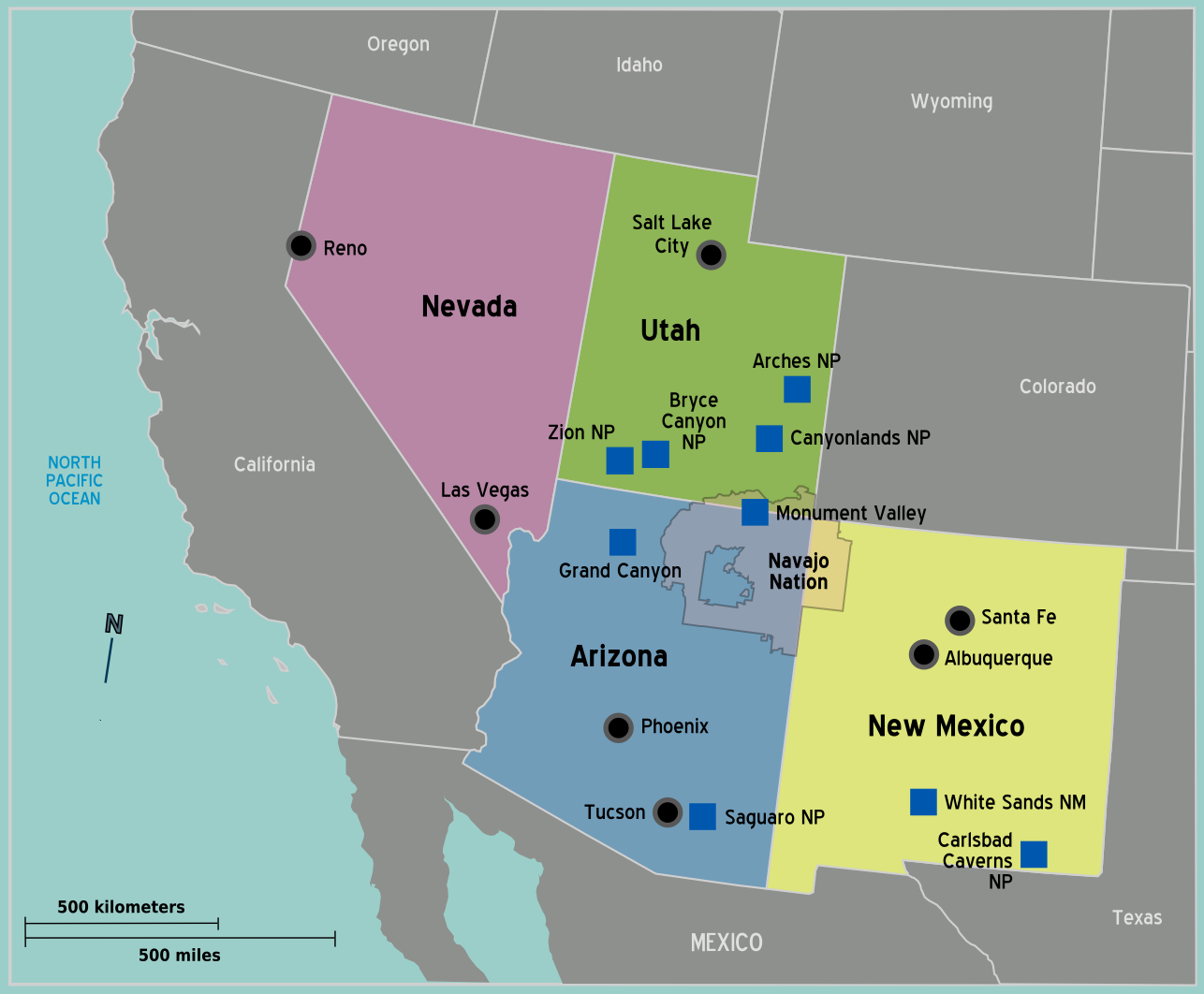
The cultural markers of the Southwest are equally distinct. Think of adobe architecture, the vibrant colors of traditional textiles, the earthy flavors of Tex-Mex cuisine, the music of mariachi bands, and the spiritual resonance of ancient cliff dwellings. The Southwest evokes images of wide-open spaces, the iconic saguaro cactus, legendary Route 66, and a sense of frontier spirit that continues to permeate the region’s identity.
Climate and Landscape
The defining feature of the Southwest is undeniably its climate. Predominantly dry, with intense sunshine and low humidity, it shapes everything from the flora and fauna to the human settlements. The landscapes are sculpted by wind and water over millennia, resulting in breathtaking geological formations like the Grand Canyon in Arizona and Zion National Park in Utah. The desert itself, far from being barren, is a vibrant ecosystem teeming with life adapted to harsh conditions. This shared environmental character creates a palpable connection between the states typically labeled as Southwest.
Cultural Heritage
The historical tapestry of the Southwest is woven with threads of indigenous civilizations, European exploration, and westward expansion. The legacy of the Pueblo peoples, the Spanish missions, and the ranches of the Wild West are all integral to the region’s cultural identity. This rich history is preserved in archaeological sites, historical towns, and living traditions that continue to be celebrated.
California’s Southwestern Identity
When considering California, the debate intensifies. While the northern part of the state, with its redwood forests and cooler climate, might feel distinctly Pacific, Southern California shares undeniable similarities with its landlocked Southwest neighbors. The iconic deserts of Joshua Tree National Park, the arid beauty of the Mojave Desert, and the canyons of Anza-Borrego Desert State Park are landscapes that could easily be transplanted to Arizona or Nevada.
The Desert Connection
Southern California‘s desert regions are a direct extension of the larger Southwest desert ecosystem. The heat, the sparse vegetation, and the dramatic vistas are shared characteristics. Cities like Palm Springs, with its mid-century modern architecture designed to embrace the desert environment, and Borrego Springs offer experiences deeply rooted in Southwest desert living. Even the sprawl of Los Angeles is bordered by vast desert expanses, reminding its inhabitants of the arid lands just beyond the city limits.
Architectural Influences

The architectural styles found throughout Southern California often echo Southwest traditions. The prevalence of Spanish Colonial Revival architecture, with its white stucco walls, red tile roofs, and arcades, is a direct legacy of Spanish influence, a hallmark of the Southwest. Furthermore, the adoption of adobe construction, particularly in older buildings and in areas with a strong Hispanic heritage, further solidifies this connection. The laid-back, indoor-outdoor living encouraged by the climate also aligns with Southwest sensibilities.
Cultural Overlap and Migration
Historically, there has been significant migration and cultural exchange between California and the Southwest. Early settlers and prospectors often moved between these regions, bringing with them traditions and influences. The discovery of oil in Southern California and the subsequent population boom drew people from across the country, including many from the Southwest. This shared demographic history has contributed to a cultural overlap in cuisine, music, and even language.
Cuisine: A Taste of the Southwest in California
The culinary landscape of California is incredibly diverse, but its Southwest influences are undeniable. While California is renowned for its farm-to-table movement and fusion cuisine, dishes like carne asada, tamales, and various forms of chili are staples, reflecting the strong Mexican and Tex-Mex culinary traditions that are central to the Southwest. You’ll find vibrant Southwest flavors in everything from street tacos in San Diego to upscale dining experiences in Los Angeles. The use of ingredients like chilies, corn, beans, and avocados is common to both regions.
California: A Bridge Between Two Worlds
Perhaps the most accurate way to describe California‘s relationship with the Southwest is to see it as a bridge. It connects the Pacific coast with the arid interior, blending coastal influences with Southwest traditions. The state’s sheer size and geographical diversity mean it contains elements of multiple regions, and the Southwest is a significant part of that identity, particularly in its southern half.
Geologic Continuum
From a geological perspective, the Mojave Desert in California is a direct continuation of the Colorado Plateau and the Great Basin Desert, which are core components of the Southwest. The forces that shaped the canyons of Utah and Arizona also influenced the desert landscapes of California. This shared geological history creates a visual and environmental continuity that transcends state lines.
The Concept of “Greater Southwest”
Many scholars and enthusiasts now refer to a “Greater Southwest” that explicitly includes parts of California. This broader definition acknowledges the interconnectedness of the region’s ecology, history, and culture. It recognizes that the defining characteristics of the Southwest – its arid climate, its rich cultural heritage, and its unique landscapes – extend beyond the traditional state boundaries. For travel purposes, understanding this “Greater Southwest” allows for a more holistic exploration of the area.
Travel Experiences: Embracing the Southwest in California
For travelers, recognizing California‘s Southwest identity unlocks a wealth of experiences. Visiting Joshua Tree National Park offers the same awe-inspiring desert beauty as Saguaro National Park in Arizona. Exploring the historic missions along the coast, such as Mission San Juan Capistrano, provides a glimpse into the shared Spanish colonial past. Experiencing the vibrant arts scene in Santa Fe is akin to exploring the galleries in Palm Springs or Joshua Tree. The spirit of adventure, the embrace of the outdoors, and the appreciation for a slower pace of life are all elements that California shares with the traditional Southwest.

Conclusion: A Multifaceted Identity
So, is California Southwest? The answer is nuanced. While not entirely fitting the traditional definition, significant portions of California, particularly Southern California, are undeniably imbued with the spirit, landscapes, and cultural heritage of the American Southwest. It’s a state that acts as a dynamic intersection, where Pacific breezes mingle with desert winds, and where the narratives of the coast and the interior converge. For those who love the allure of the Southwest – its vastness, its history, its unique beauty – California offers a compelling and accessible extension of that captivating experience. Embracing this multifaceted identity allows for a deeper and richer understanding of the Golden State and its place within the broader American narrative.
LifeOutOfTheBox is a participant in the Amazon Services LLC Associates Program, an affiliate advertising program designed to provide a means for sites to earn advertising fees by advertising and linking to Amazon.com. Amazon, the Amazon logo, AmazonSupply, and the AmazonSupply logo are trademarks of Amazon.com, Inc. or its affiliates. As an Amazon Associate we earn affiliate commissions from qualifying purchases.