
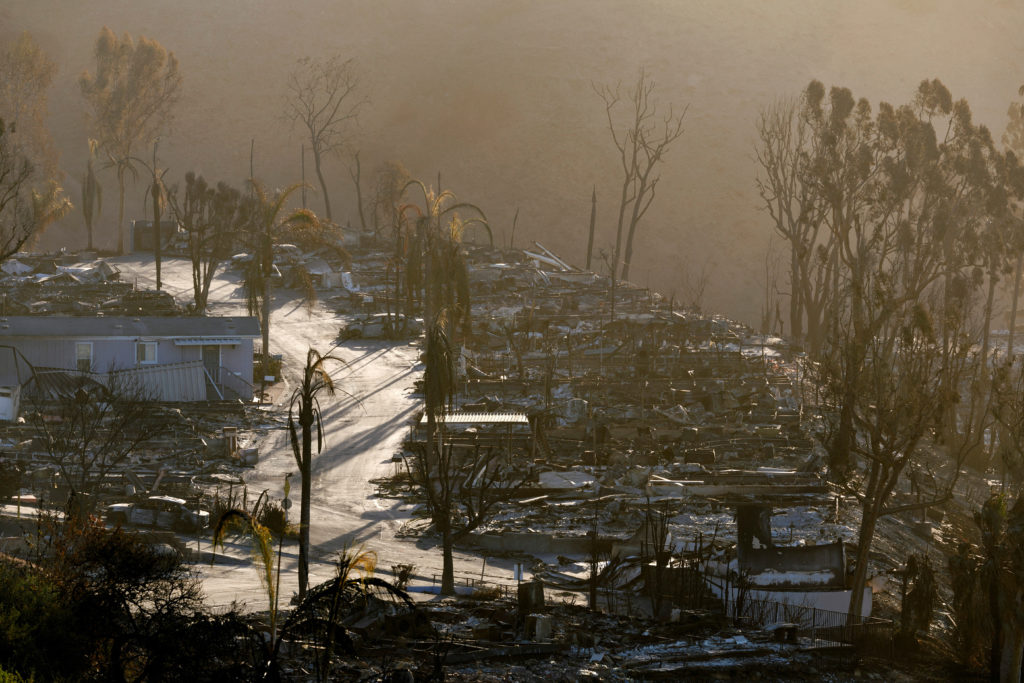
The golden state of California, a beacon for dreamers, innovators, and travelers worldwide, often finds itself under a very literal spotlight – the glow of wildfires. For those planning a journey to this diverse and sprawling land, the question “Is California still burning?” is a common and understandable concern. The images broadcast globally can paint a picture of a state perpetually engulfed in flames, leading to understandable hesitation when considering travel, accommodation bookings, or exploring its famed landmarks.
However, the reality on the ground is far more nuanced than media headlines often suggest. California is an immense state, stretching over 800 miles from its northern forests to its southern deserts, encompassing an incredible variety of climates, ecosystems, and urban centers. While wildfires are an undeniable, and increasingly intense, part of its natural cycle, they are localized events. A fire in the northern Sierra Nevada foothills, for instance, has no impact on a beach vacation in San Diego or a city break in San Francisco. This article aims to demystify the situation, providing insights for travelers eager to experience California’s unparalleled attractions, offering guidance on responsible tourism, and reassuring potential visitors that with proper planning, the Golden State remains a world-class destination for travel and lifestyle experiences.
Understanding California’s Wildfire Landscape
To truly grasp the current situation, it’s essential to understand the underlying dynamics of California’s wildfires. These aren’t random occurrences but are deeply tied to the state’s natural environment and changing climate.
The Rhythmic Nature of Fire Season
For millennia, fire has been a natural component of California‘s ecosystems, playing a crucial role in forest health and regeneration. However, human activity and climate change have dramatically altered this natural rhythm. The state’s Mediterranean climate, characterized by hot, dry summers and mild, wet winters, creates ideal conditions for fire. Years of drought, coupled with rising temperatures, have led to drier vegetation, turning vast swathes of land into tinderboxes.
Wildfire season typically runs from late spring through late fall, peaking in late summer and early autumn. Factors like the Santa Ana winds in Southern California and Diablo winds in Northern California can exacerbate conditions, rapidly spreading small blazes into large, destructive infernos. It’s a complex interplay of natural cycles, human development into wildland-urban interface areas, and the overarching impact of global warming that contributes to the intensity and frequency of fires we see today. Understanding this seasonality helps travelers anticipate potential risks and plan their visits accordingly.
Distinguishing Smoke from Ash: Geographic Realities
One of the biggest misconceptions about California wildfires is that they cover the entire state. In reality, even the largest fires typically affect a concentrated area. While smoke plumes can travel hundreds of miles, causing air quality issues in distant cities like San Francisco or Los Angeles, the actual fires are confined to specific regions. For example, a major fire impacting Napa Valley or Sonoma would likely have no direct impact on travel to coastal areas like Monterey or the deserts of Palm Springs.
Many of California’s most popular tourist destinations, including vibrant cities and vast stretches of coastline, are rarely directly threatened by fires. Major urban centers like Sacramento, San Jose, and Oakland, alongside iconic attractions such as Disneyland Park in Anaheim or the Hollywood Walk of Fame in Los Angeles, continue to operate normally during fire season, albeit sometimes with advisories about air quality. The key is to check local, real-time conditions rather than making broad assumptions based on statewide news.
Navigating Travel in a Fire-Prone State
For those accustomed to pristine landscapes, the idea of traveling to an area affected by fire can be daunting. However, California’s tourism sector is incredibly resilient and well-equipped to guide visitors.
Impact on Iconic Destinations and Natural Wonders
While many parts of California remain unaffected, some of its most cherished natural landmarks, particularly national and state parks, are more susceptible. Areas like portions of Yosemite National Park, Big Sur’s coastal regions, or forested areas around Lake Tahoe have, at various times, faced closures or access restrictions due to nearby fires or smoke. These closures are temporary and implemented to ensure public safety and allow firefighting efforts to proceed unimpeded.
Travelers planning to visit specific natural attractions during fire season should always check the official websites for parks (e.g., National Park Service, California State Parks) for the latest information on closures, air quality, and trail conditions. While some areas might be temporarily impacted, others like Joshua Tree National Park or Death Valley National Park (due to their desert environment) are generally less prone to extensive wildfires, offering alternative natural beauty to explore. The post-fire landscape, while initially stark, also offers a unique perspective on ecological recovery and resilience for those interested in nature’s cycles.

Accommodation and Tourism: A Resilient Industry
The hospitality sector across California is acutely aware of the challenges posed by wildfires and has developed robust protocols to ensure guest safety and minimize disruption. Hotels, resorts, apartments, and villas in areas potentially impacted by fires often have detailed emergency plans, including evacuation procedures and communication strategies. Many also offer flexible cancellation policies during times of crisis, allowing travelers to adjust their plans without significant financial penalty.
Tourism boards for popular destinations like Santa Barbara, Mendocino, or the Gold Country regions work tirelessly to provide up-to-date information to visitors and local businesses. They often highlight areas that remain open and safe for travel, encouraging visitors to support local economies that might have been indirectly affected. From luxury travel experiences to budget-friendly stays, accommodations across the state prioritize guest well-being, often going above and beyond to provide information on local conditions, air quality, and alternative activities should original plans be impacted. This resilience underscores California’s commitment to maintaining its reputation as a premier destination for global travelers seeking diverse experiences.
Essential Tips for Travelers to California
Informed travel is safe travel. With a little preparation, your trip to California can be as enjoyable and worry-free as any other destination.
Pre-Trip Planning and Real-Time Information
The most critical step for any traveler to California during fire season is thorough pre-trip research. Before you depart, and even during your journey, make it a habit to:
- Check Official Sources: Monitor the California Office of Emergency Services (CalOES) and Cal Fire websites for current fire incidents and containment levels.
- Air Quality Reports: Use resources like AirNow.gov or local air quality management district websites to check the Air Quality Index (AQI) for your specific destination. This is crucial as smoke can travel.
- Park and Forest Closures: If visiting national or state parks (e.g., Redwood National Park, Sequoia National Park), verify their status directly through their official websites.
- Accommodation Policies: Confirm cancellation and change policies with your hotel or vacation rental.
- Travel Insurance: Consider purchasing comprehensive travel insurance that covers delays or cancellations due to natural disasters.
- Stay Flexible: Have backup plans. If a certain area is impacted, be ready to pivot to another, unaffected part of the state. California’s diversity means there’s always an alternative.
By staying informed, you empower yourself to make safe and enjoyable travel decisions, ensuring your itinerary aligns with the current conditions on the ground.
Supporting Local Communities and Sustainable Travel
When you travel to California, especially to regions that have experienced or are near areas affected by wildfires, you have an opportunity to be a responsible and impactful visitor. Choosing to visit and spend money in these communities directly aids their recovery and resilience. Stay at local hotels, dine at local restaurants, shop at independent boutiques, and engage with local tour operators.
Furthermore, embrace sustainable travel practices. Adhere to “Leave No Trace” principles, conserving water, disposing of waste properly, and respecting local flora and fauna. Be mindful of fire safety rules, especially in wildland areas – obey all campfire restrictions, never toss cigarette butts, and understand that sparks from vehicles or equipment can ignite dry vegetation. Your choices as a traveler contribute not only to your experience but also to the well-being and future of California’s cherished natural environments and the communities that call them home.
Beyond the Flames: Experiencing California’s Enduring Allure
Despite the challenges presented by wildfires, California’s appeal as a top global travel destination remains undiminished. Its vastness ensures that countless experiences await, far removed from any fire activity.
Urban Gems and Coastal Escapes Remain Vibrant
While much of the wildfire conversation revolves around natural landscapes, it’s important to remember that many of California’s most celebrated attractions are in bustling urban centers or along its magnificent coastline, areas generally less susceptible to direct fire impact. Cities like Los Angeles offer endless entertainment from Hollywood studios to world-class museums and pristine beaches in Malibu and Santa Monica. San Francisco continues to charm with its iconic Golden Gate Bridge, historic cable cars, and vibrant culinary scene. San Diego boasts year-round pleasant weather, family-friendly attractions like Balboa Park, and stunning beaches.
These destinations, along with coastal retreats in Orange County or the historic charm of Carmel-by-the-Sea, offer myriad opportunities for travel, leisure, and luxury experiences without the immediate concern of wildfires. From high-end resorts and boutique hotels to unique apartment rentals, accommodation options abound, catering to every lifestyle and budget. Even during peak fire season, these areas typically remain fully open and welcoming, upholding California’s reputation for diverse and accessible tourism.
The Golden State’s Resilience and Beauty
California is a land defined by its resilience. Just as its forests regenerate after a fire, its communities and tourism industry adapt and rebound. The state continues to invest heavily in fire prevention, mitigation, and recovery efforts, demonstrating a deep commitment to protecting its natural treasures and ensuring visitor safety. The fundamental allure of California – its dramatic coastlines, towering redwoods, snow-capped mountains, vibrant cities, and rich cultural tapestry – remains as strong as ever.
Whether you’re seeking adventure in the wilderness, relaxation at a five-star resort, an immersion in local culture and food, or exploring historical landmarks, California delivers. Its spirit of innovation extends to its approach to environmental challenges, constantly seeking new ways to coexist with nature. Travelers who choose to visit, armed with information and a sense of responsibility, will find that the Golden State offers an unforgettable journey, a testament to its enduring beauty and an inspiring example of recovery and adaptation.

In conclusion, the answer to “Is California still burning?” is complex but ultimately reassuring for travelers. While wildfires are an ongoing concern for specific regions at certain times of the year, the vast majority of California remains open, safe, and ready to welcome visitors. By staying informed, planning thoughtfully, and practicing responsible tourism, you can confidently embark on an incredible adventure through one of the most dynamic and beautiful states in the United States. Your journey will not only create lasting memories but also contribute to the resilience and vibrant future of California’s diverse communities and landscapes.
LifeOutOfTheBox is a participant in the Amazon Services LLC Associates Program, an affiliate advertising program designed to provide a means for sites to earn advertising fees by advertising and linking to Amazon.com. Amazon, the Amazon logo, AmazonSupply, and the AmazonSupply logo are trademarks of Amazon.com, Inc. or its affiliates. As an Amazon Associate we earn affiliate commissions from qualifying purchases.