
The question “Is Cambridge in Boston?” is a common one, often posed by visitors and even some residents new to the vibrant Massachusetts area. The simple answer is no; Cambridge is not physically located within Boston. However, to leave it at that would be to miss the rich, intertwined narrative of two of America’s most historic and culturally significant cities. Separated only by the scenic Charles River, Boston and Cambridge form a dynamic duo, each boasting a distinct character, yet sharing a deep connection that makes exploring both an essential part of any New England travel itinerary.
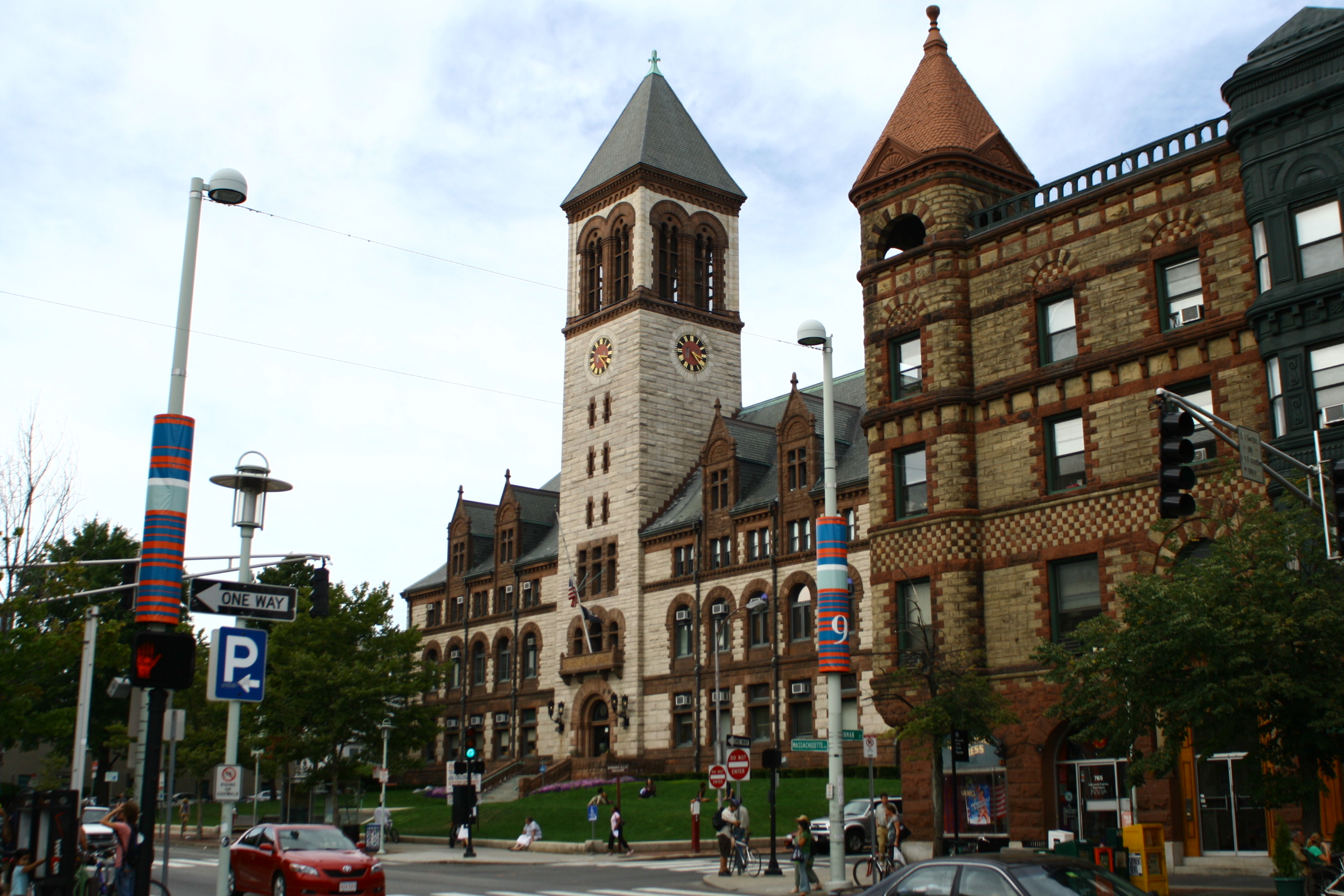
This article delves into the unique relationship between these two urban centers, highlighting what makes each special for travelers, from their iconic landmarks and diverse culinary scenes to their renowned academic institutions and varied accommodation options. Understanding their individuality and interconnectedness is key to unlocking the full experience of this captivating region.
Defining the Relationship: Separate Cities, Shared Identity
While distinct municipalities with their own governments, regulations, and city limits, Boston and Cambridge are inextricably linked. They share a public transportation system, a riverfront, and a metropolitan identity that often blurs the lines for visitors. This close relationship creates an urban landscape where it’s incredibly easy to traverse between two very different, yet equally engaging, destinations.
Geographical Proximity and Interconnectedness
The physical separation between Boston and Cambridge is minimal, primarily defined by the Charles River. Numerous bridges, most notably the Longfellow Bridge, connect the two cities, making travel between them a breeze. The MBTA (Massachusetts Bay Transportation Authority), affectionately known as “the T,” serves both cities extensively, offering subway lines (the Red Line directly links downtown Boston to Harvard University and Massachusetts Institute of Technology (MIT)), buses, and commuter rail services. This seamless integration of public transit means visitors can easily spend a morning exploring historic sites in Boston and an afternoon soaking in the intellectual atmosphere of Cambridge without logistical hurdles.
The shared riverfront also contributes to this interconnectedness, offering picturesque views and recreational opportunities for both cities’ residents and visitors. From rowing clubs to riverside parks, the Charles River acts as a beautiful natural border that doubles as a shared amenity.
Distinct Identities, Complementary Experiences
Despite their proximity, Boston and Cambridge each possess a unique personality that appeals to different aspects of travel and lifestyle. Boston exudes a grand, historical charm, steeped in revolutionary history and old-world elegance. Its cobblestone streets, colonial architecture, and maritime heritage tell tales of America’s founding. Cambridge, on the other hand, is a hub of intellectual pursuit, innovation, and youthful energy, largely defined by its world-renowned universities. It has a more bohemian, diverse, and forward-looking vibe, often feeling like a college town within a larger metropolitan area.
For the savvy traveler, this duality is a huge advantage. You can immerse yourself in centuries of history in Boston and then cross the river to experience cutting-edge research and a vibrant arts scene in Cambridge, all within minutes of each other. This complementary nature ensures a rich and varied travel experience, catering to a wide range of interests, from history buffs and foodies to art enthusiasts and academics.
Discovering the Charms of Boston
Boston, often hailed as the “Cradle of Liberty,” is a city where every corner whispers stories of the past. It’s a destination that perfectly blends historical significance with modern urban sophistication, making it a must-visit for anyone interested in American history, culture, and vibrant city life.
A Deep Dive into History and Culture
No trip to Boston is complete without walking the Freedom Trail, a 2.5-mile red-lined path that guides visitors through 16 historically significant sites. Starting at the Boston Common, America’s oldest park, the trail winds past landmarks like the Massachusetts State House, Faneuil Hall Marketplace, and the Old North Church, culminating at the USS Constitution in Charlestown. This self-guided tour offers an immersive lesson in the American Revolution, making history come alive.
Beyond the Freedom Trail, Boston boasts an impressive array of cultural institutions. The Museum of Fine Arts (MFA) houses a world-class collection spanning centuries and continents, while the Isabella Stewart Gardner Museum, a Venetian palace in the heart of the city, offers a unique blend of art, architecture, and garden design. For families, the New England Aquarium and the Boston Tea Party Ships & Museum provide engaging and educational experiences.
Culinary Delights and Urban Exploration
Boston’s culinary scene is as diverse as its history. From fresh seafood, particularly clam chowder and lobster rolls, to authentic Italian cuisine in the charming North End (often called Little Italy), there’s something to tantalize every palate. The city’s neighborhoods each offer a distinct flavor and experience. Stroll through the elegant gas-lit streets of Beacon Hill, known for its federal-style rowhouses, or explore the upscale boutiques and brownstones of Back Bay. The rapidly developing Seaport District is a hub for contemporary dining, art, and innovation, reflecting Boston’s forward momentum.
For sports enthusiasts, catching a Red Sox game at the iconic Fenway Park is a quintessential Boston experience, even if you’re not a baseball fan. The atmosphere alone is electric. The city is also home to other prestigious universities like Boston University and Northeastern University, contributing to its youthful and academic lifestyle, albeit with a different flair than Cambridge.
Where to Stay: Boston’s Accommodation Spectrum
Boston offers a vast array of accommodation options to suit every budget and travel style. For luxury travelers seeking historical elegance, properties near Boston Common or in Back Bay provide exquisite experiences. Boutique hotels in Beacon Hill or South End offer unique charm and personalized service.
- Luxury Hotels: The Omni Parker House, one of America’s oldest continuously operating hotels, provides a glimpse into Boston’s storied past with modern comforts. The Hotel Commonwealth near Fenway Park offers upscale amenities with a neighborhood feel.
- Boutique Stays: The Lenox Hotel in Back Bay combines historic charm with contemporary design, while The Godfrey Hotel Boston provides a chic, urban retreat in the Downtown Crossing area.
- Budget-Friendly Options: Travelers on a tighter budget can find comfortable hotels and guesthouses in areas slightly outside the city center, with easy access to the MBTA (Massachusetts Bay Transportation Authority) for convenient exploration.
Consider your primary interests when choosing accommodation. If history and downtown attractions are key, staying closer to the Freedom Trail or Faneuil Hall Marketplace is ideal. For a more cosmopolitan or luxury experience, Back Bay or the Seaport District might be perfect.
Unveiling the Innovations and Academia of Cambridge
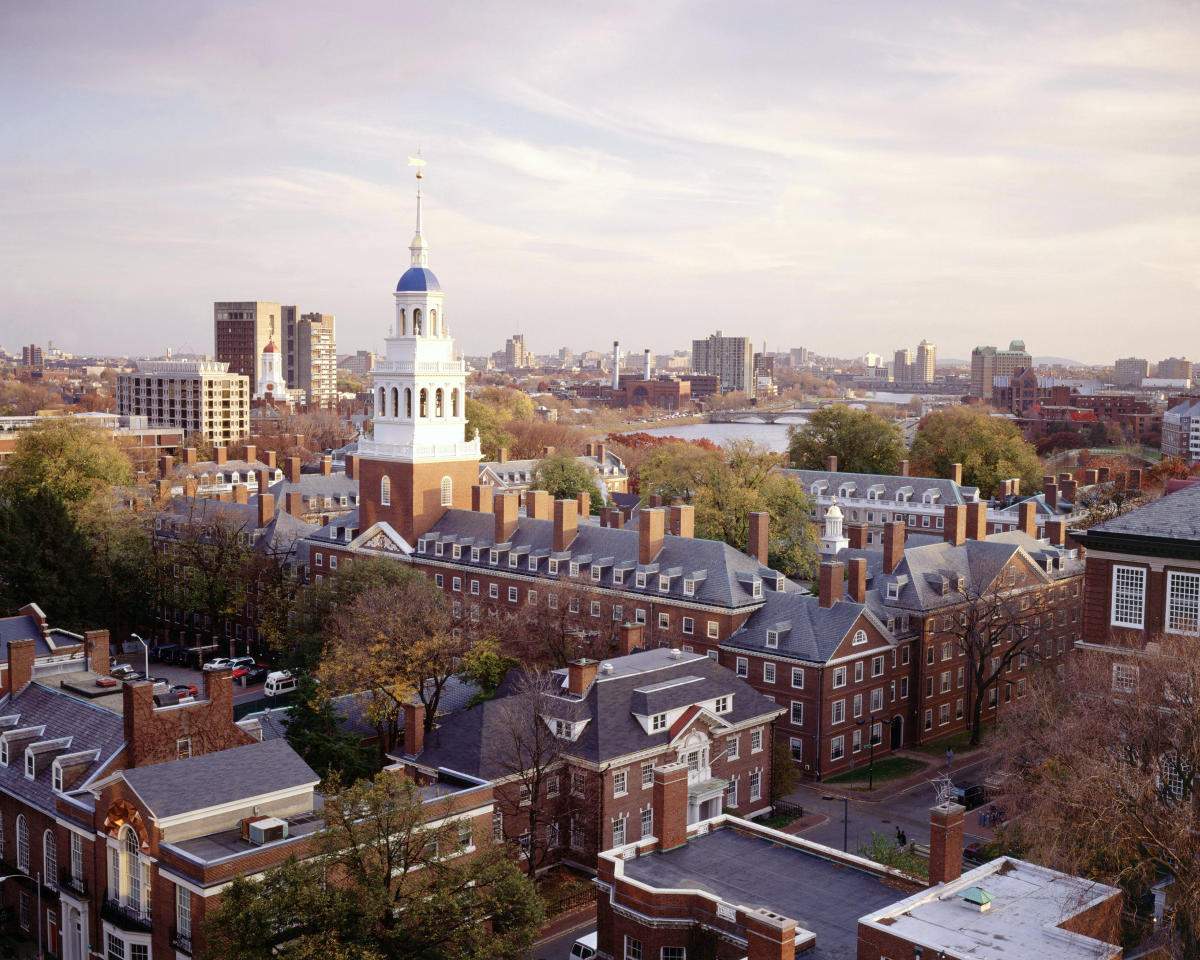
Just across the Charles River lies Cambridge, a city synonymous with intellectual prowess, groundbreaking innovation, and a vibrant, youthful spirit. It’s a place where Nobel laureates rub shoulders with startup entrepreneurs, and historic architecture coexists with cutting-edge technology.
Academic Powerhouses and Intellectual Hubs
The global reputation of Cambridge largely stems from its two world-leading universities: Harvard University and the Massachusetts Institute of Technology (MIT). These institutions are not merely educational centers; they are integral parts of the city’s fabric, shaping its culture, economy, and lifestyle.
- Harvard University: Explore Harvard Square, the bustling heart of the university, filled with bookstores, cafes, and street performers. Wander through the historic Harvard Yard, visit the Harvard Museum of Natural History, or catch a performance at the American Repertory Theater. The campus itself is a landmark, with architecture spanning centuries.
- Massachusetts Institute of Technology (MIT): Known for its groundbreaking research and innovative spirit, MIT offers a fascinating contrast. Its campus architecture is a mix of classical and modernist, with notable buildings like the Stata Center designed by Frank Gehry. The MIT Museum showcases the university’s scientific and technological achievements, making it a captivating visit for those interested in science and engineering.
These universities contribute to a dynamic intellectual environment, attracting students, scholars, and thinkers from around the globe, which in turn fuels the city’s diverse and progressive atmosphere.
Riverside Views and Eclectic Neighborhoods
Beyond its academic renown, Cambridge offers a diverse tapestry of neighborhoods, each with its own distinct flavor.
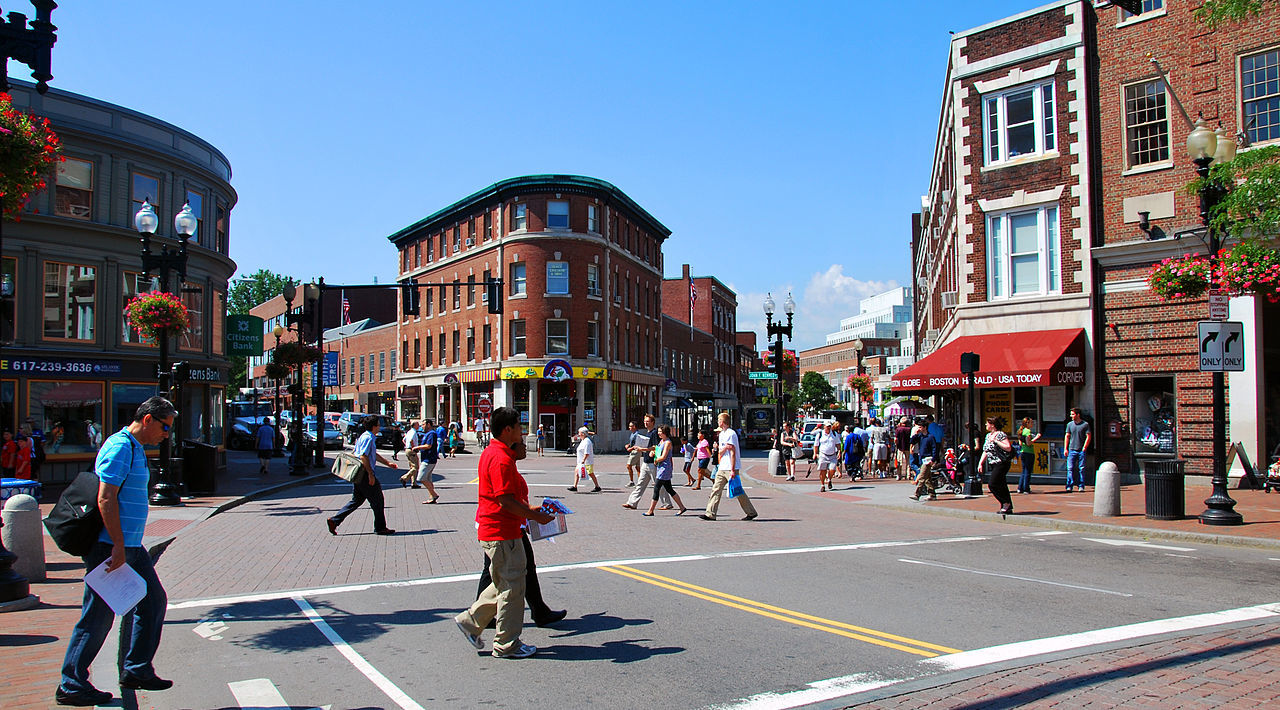
- Harvard Square: A perennial favorite, this iconic square is a crossroads of intellectualism, counter-culture, and commerce. It’s perfect for people-watching, browsing unique shops, and dining at a variety of restaurants.
- Kendall Square: Often dubbed “the most innovative square mile on the planet,” Kendall Square is a global hub for biotechnology, pharmaceuticals, and technology companies. It’s a modern, bustling area with sleek architecture, innovative public art, and a growing number of eateries.
- Central Square: Known for its vibrant music scene, eclectic shops, and diverse international restaurants, Central Square is Cambridge’s cultural heart. It’s a grittier, more bohemian contrast to the polished feel of Harvard Square.
- Porter Square and Inman Square also offer unique local experiences, from Japanese bakeries to lively pubs.
The Charles River Esplanade provides beautiful green spaces and pathways along the water, perfect for walking, jogging, or simply enjoying the skyline views of Boston. The lifestyle in Cambridge leans towards an active, intellectually curious, and culturally engaged populace, offering a different vibe than its neighbor.
Accommodation in Cambridge: Boutique to Extended Stays
Cambridge provides a range of accommodation options, often catering to business travelers, academics, and those looking for a quieter, more intellectual atmosphere compared to Boston.
- Boutique Hotels: The Charles Hotel in Harvard Square is a renowned luxury option, known for its elegant design and excellent service. The Kimpton Marlowe Hotel near the Charles River and Kendall Square offers stylish accommodations with a modern flair.
- Business-Friendly: The Hyatt Regency Cambridge, located right on the Charles River, offers stunning views and convenient access to both cities, making it popular for business and leisure travelers alike.
- Extended Stays: Given the transient nature of academic and tech communities, Cambridge also offers a good selection of serviced apartments and long-term stay options, ideal for visitors planning longer visits or relocations.
Staying in Cambridge offers the benefit of being slightly removed from the busiest tourist areas of Boston while still maintaining excellent connectivity to all major attractions. It’s particularly appealing for those attending university events, on business trips to Kendall Square, or simply seeking a more relaxed yet intellectually stimulating base for their travels.
Maximizing Your Visit: Exploring Both Cities Seamlessly
For travelers, the proximity and complementary nature of Boston and Cambridge present an incredible opportunity to experience two distinct facets of Massachusetts. The key to maximizing your visit lies in understanding how to navigate and plan your itinerary to make the most of both worlds.
Navigating the Urban Landscape
The MBTA (Massachusetts Bay Transportation Authority) is your best friend for moving between Boston and Cambridge. The Red Line is particularly efficient, connecting downtown Boston stations like Park Street and Downtown Crossing directly to Kendall Square, Central Square, and Harvard Square in Cambridge. A “CharlieCard” or “CharlieTicket” for unlimited rides over several days can be a cost-effective and convenient option.
Walking and cycling are also excellent ways to experience the cities, especially along the Charles River Esplanade. The Longfellow Bridge offers pedestrian walkways with stunning views of both skylines. While driving is an option, traffic can be heavy, and parking expensive and scarce, making public transport generally preferred for tourists. Taxis and ride-sharing services are readily available if you prefer door-to-door convenience.
Crafting the Perfect Itinerary
To truly appreciate both cities, consider a balanced itinerary. Dedicate specific days or half-days to exploring the unique offerings of each.
- Day 1: Historic Boston: Start with the Freedom Trail, explore Faneuil Hall Marketplace, and immerse yourself in the North End’s culinary scene.
- Day 2: Academic Cambridge: Spend the morning at Harvard University and Harvard Square, then head to MIT and Kendall Square in the afternoon. Enjoy a diverse dinner in Central Square.
- Day 3: Art, Culture & Scenic Views: Devote time to Boston’s museums like the Museum of Fine Arts (MFA) or Isabella Stewart Gardner Museum, then enjoy a scenic stroll or boat ride along the Charles River, perhaps catching a sunset view from the Cambridge side.
- Extended Stays: For longer trips, consider day trips from Boston and Cambridge to nearby attractions like Cape Cod, Salem, or even Providence, Rhode Island, which are easily accessible by car or commuter rail.
When choosing accommodation, decide whether you prefer the bustling, historical energy of Boston or the more academic, laid-back vibe of Cambridge. Both offer excellent bases for exploration, and with efficient public transport, you’re never far from the action, regardless of where you choose to rest your head.
The Verdict: More Than Just Neighbors
So, is Cambridge in Boston? Geographically and politically, no. But for anyone planning a visit to this captivating region of Massachusetts, the answer is a resounding “practically, yes” in terms of accessibility and the shared experience they offer. These two cities, though distinct in their character and charm, form a powerful and cohesive destination that promises an unforgettable journey.
From Boston’s colonial landmarks and vibrant sports culture to Cambridge’s intellectual corridors and innovative spirit, visitors are treated to a rich tapestry of American history, cutting-edge discovery, and diverse cultural experiences. Whether you’re drawn by the echoes of the past or the promise of the future, exploring both Boston and Cambridge side-by-side offers a comprehensive and truly enriching travel adventure.
LifeOutOfTheBox is a participant in the Amazon Services LLC Associates Program, an affiliate advertising program designed to provide a means for sites to earn advertising fees by advertising and linking to Amazon.com. Amazon, the Amazon logo, AmazonSupply, and the AmazonSupply logo are trademarks of Amazon.com, Inc. or its affiliates. As an Amazon Associate we earn affiliate commissions from qualifying purchases.