
For many visitors traveling to Las Vegas, the allure of the casino floor is synonymous with the city’s identity. Amidst the neon lights of the Las Vegas Strip and the high-stakes atmosphere of world-renowned resorts like Caesars Palace or the MGM Grand, a persistent myth circulates among tourists: that card counting is a crime. This misconception leads many to believe that utilizing a sharp mathematical mind at a blackjack table will result in a visit to a jail cell. To understand the reality of gaming in Nevada, one must distinguish between illegality and the private policies of a commercial enterprise.
The Legal Reality of Advantage Play
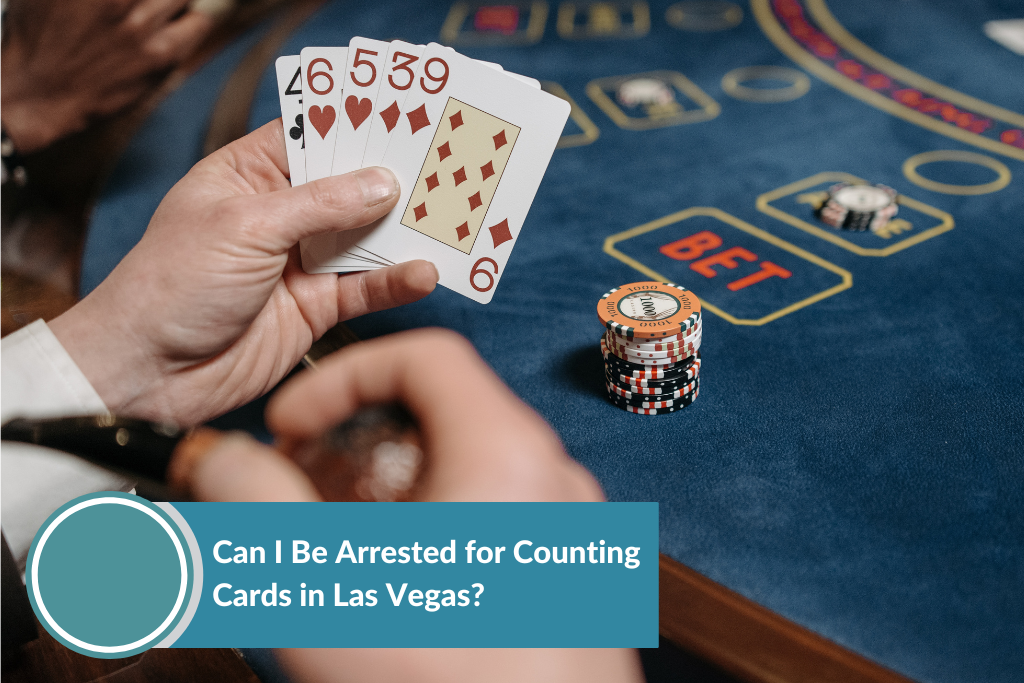
The short answer to whether card counting is illegal is a definitive no. There is no state or federal law in the United States that prohibits a player from using their cognitive abilities to track the ratio of high cards to low cards remaining in a deck. When a player counts cards, they are simply observing the game and using that information to inform their betting decisions. It is, in essence, mental math applied to a game of probability.
Public Perception vs. Statutory Law
The confusion often stems from Hollywood depictions, such as the film 21, which portrays card counters being physically detained or interrogated by shadowy security figures. While casinos are certainly adversarial toward those who gain an advantage, they operate under the rules of private property. In the eyes of the law, tracking cards is not considered cheating, provided the player is not using electronic devices, external computers, or hidden signaling systems. Using an iPhone or a hidden camera to track cards would indeed be considered cheating and a violation of state gaming statutes, but the human brain is considered a legal tool.
The Role of the Nevada Gaming Commission
The Nevada Gaming Commission regulates the industry to ensure fairness, but these regulations are designed to protect the casino from player fraud and the player from house manipulation. Because counting cards does not manipulate the cards themselves—it merely predicts their appearance—it remains outside the legal definition of “cheating.” However, the Las Vegas Review-Journal has frequently reported on the tension between skilled players and the houses, noting that while the activity is legal, the consequences for the player are far from non-existent.
Casino Policy and the Right of Refusal
While you will not be arrested for counting cards, you will almost certainly be asked to stop or be escorted off the property. Casinos are private businesses. Much like a retail store that reserves the right to refuse service to anyone, a casino reserves the right to terminate a player’s access to their table games.
Private Property Rights
When you enter a property like the Bellagio or the Wynn Las Vegas, you are agreeing to the rules set forth by the resort management. If a pit boss or floor manager determines that your style of play is “advantageous” or threatens the house edge, they are fully within their rights to ask you to leave. In most instances, you will be politely—or sometimes firmly—informed that your action at the blackjack table is no longer welcome. This is not an arrest; it is a trespass warning. If you refuse to leave after being asked, only then do you move into the territory of criminal trespass, which is a punishable offense.
The “Back-Off” Experience
Most professional card counters are familiar with the “back-off.” This is the moment a casino representative approaches the table and informs the player that their play is “unsuitable” for the establishment. Sometimes, the house may suggest you switch to a different game, such as roulette or slots, where card counting is irrelevant. If you continue to count cards after being warned, the casino will formally trespass you from the property. In a city as interconnected as Las Vegas, being banned from one major resort often leads to being blacklisted by sister properties under the same corporate umbrella.
The Strategy and Risks of Advantage Play
If card counting is legal but practically unenforceable in most commercial casinos, why does it remain such a popular topic for travelers interested in Nevada gaming? The answer lies in the challenge. It is the ultimate puzzle. Many people attempt to learn the system not just for the potential financial gain, but as a test of their mental acuity while visiting landmarks like the Venetian Resort or The Cosmopolitan.
Why the House Usually Wins
Even for a skilled card counter, the edge is razor-thin. Modern casinos have implemented several countermeasures to make counting more difficult. These include:
- Continuous Shuffling Machines (CSM): These machines shuffle the cards after every hand, making it impossible to track the deck’s composition.
- Multiple Deck Shoes: Most casinos now use six or eight decks, which dilutes the effectiveness of counting compared to a single-deck game.
- Deep Penetration Limits: Dealers are often instructed to shuffle the cards when only 50–70% of the deck has been dealt, drastically reducing the number of “advantageous” hands a counter might see.
Is It Worth the Effort?
For the casual tourist, the stress of hiding one’s method, the risk of being barred from a luxury resort, and the mathematical rigor required to maintain an edge make it an exhausting pursuit. Most travelers visit Las Vegas for the entertainment, the world-class dining, and the nightlife. While understanding that you aren’t committing a crime by thinking clearly at a table can be liberating, it is important to remember that casinos are businesses built to generate revenue. They employ some of the most sophisticated surveillance technology on earth to identify patterns of play.
Maintaining the Spirit of the Game
Regardless of whether you are a recreational blackjack player or simply curious about the rules of Nevada gaming, the best approach to Las Vegas is one of moderation. The thrill of the game is best enjoyed when played for entertainment value rather than as a primary source of income.
Respecting the Environment
When visiting high-profile destinations like the Golden Nugget or the historic venues in Downtown Las Vegas, remember that the staff is simply doing their job. Security teams are trained to protect the house’s assets, and being a cordial guest ensures a better overall experience for everyone. If you find yourself enjoying the mathematical challenge of card counting, keep it light and avoid the temptation to push boundaries.
Final Thoughts on Gaming
Ultimately, the myth that card counting is illegal is a testament to the mystique of the industry. The reality is much simpler: you are free to use your brain, but the casino is free to decide who sits at their tables. As you explore the various resorts across Las Vegas, focus on the experience—the art, the architecture of places like The Mirage, and the vibrant energy of the Las Vegas Strip. Treat the cards as part of the fun, and you will find that the city offers far more than just a blackjack hand.
LifeOutOfTheBox is a participant in the Amazon Services LLC Associates Program, an affiliate advertising program designed to provide a means for sites to earn advertising fees by advertising and linking to Amazon.com. Amazon, the Amazon logo, AmazonSupply, and the AmazonSupply logo are trademarks of Amazon.com, Inc. or its affiliates. As an Amazon Associate we earn affiliate commissions from qualifying purchases.