
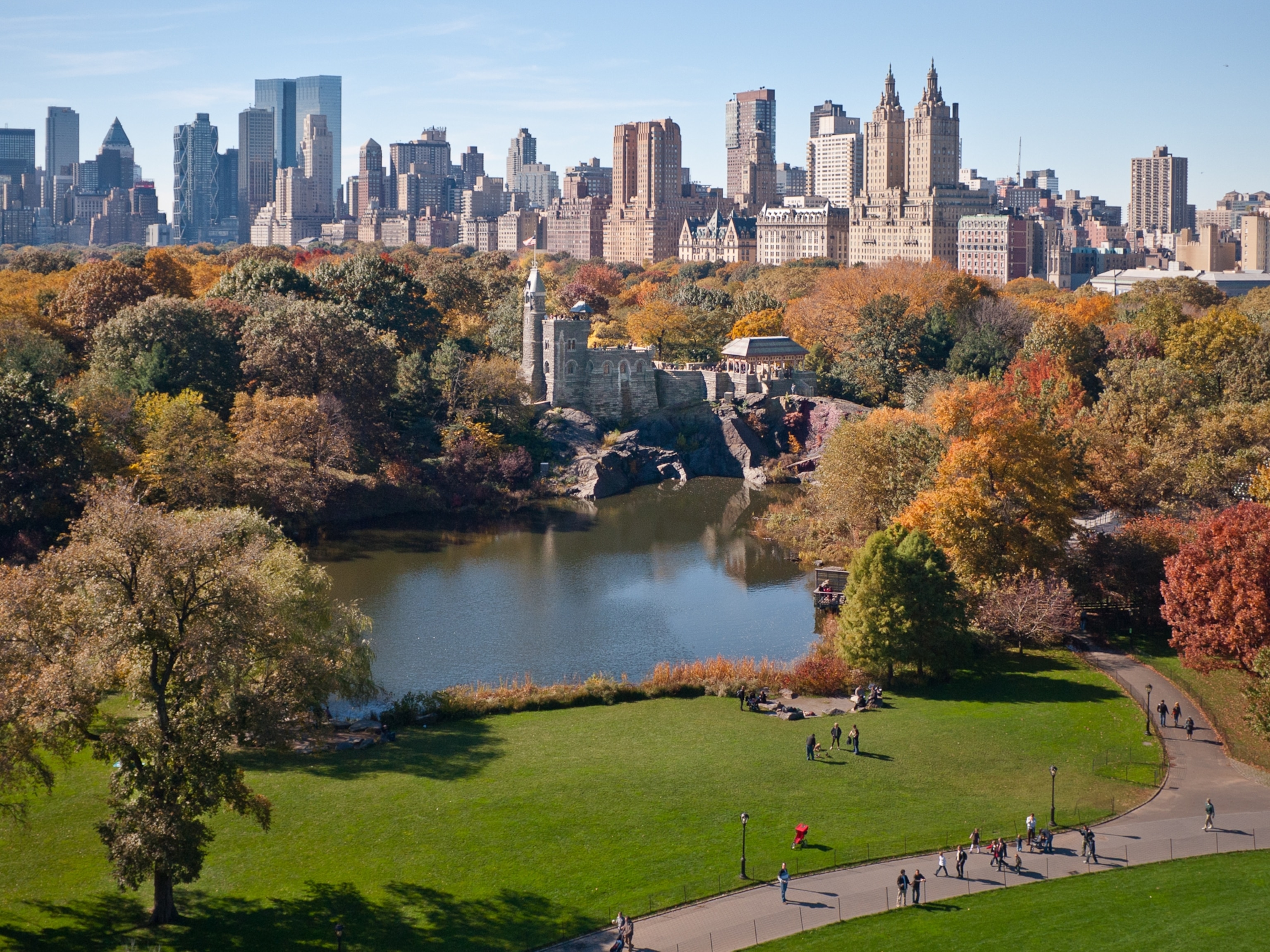
Central Park is not just in New York, it is arguably the very soul of it. This iconic urban oasis, a masterpiece of landscape architecture, stands as a testament to visionary planning and a sanctuary for millions. Far from being a mere patch of green, it is a complex, multifaceted destination that embodies the spirit of New York City. To understand Central Park is to understand a vital artery of this global metropolis.
A Masterpiece of Design and Vision
The genesis of Central Park was a response to the burgeoning industrialization of New York in the mid-19th century. As the city expanded rapidly, a pressing need arose for a public space where citizens could escape the grit and grime of urban life, find respite in nature, and engage in recreation. In 1857, landscape architects Frederick Law Olmsted and Calvert Vaux won a design competition with their “Greensward Plan,” a visionary concept that transformed a rugged, undeveloped tract of land into the meticulously crafted landscape we know today.
The Greensward Plan: More Than Just Grass
The Greensward Plan was revolutionary for its time. Olmsted and Vaux envisioned a park that offered a diverse range of experiences, deliberately separating different forms of traffic and activity to create distinct atmospheres. They incorporated a complex system of transverse roads, sunken beneath the park’s natural grade, allowing carriages and later automobiles to pass through without disrupting the pedestrian experience or the pastoral tranquility.
The plan also emphasized the creation of varied landscapes. Rolling meadows, dense woodlands, tranquil bodies of water, and rocky outcrops were all carefully integrated to provide a sense of escape and wonder. Unlike the rigid geometric designs of European parks, Central Park was designed to evoke a romantic, idealized vision of nature, a deliberate contrast to the industrializing city surrounding it. The sheer scale of the undertaking – 843 acres carved out of Manhattan’s dense urban fabric – was an ambitious feat of engineering and artistry.
Navigating the Park’s Iconic Landmarks
Central Park is not a monolithic entity but a collection of distinct districts, each with its own character and attractions. Exploring its vast expanse reveals a tapestry of natural beauty and man-made wonders.
The Southern End: Vibrant and Bustling
The southern end of the park is often the most visited, offering a vibrant introduction to its charms.
The Pond and Gapstow Bridge
Upon entering from the south, visitors are greeted by the serene The Pond, offering picturesque views of the Manhattan skyline, especially from the iconic Gapstow Bridge. This area is a popular spot for photographers and provides a tranquil starting point for exploration.
Wollman Rink
During the winter months, Wollman Rink transforms into a magical ice-skating venue, offering a quintessential New York winter experience with the city lights twinkling around. In warmer months, it often hosts other attractions.
The Mall and Literary Walk
The grandeur of The Mall, a magnificent tree-lined promenade, leads to the Bethesda Terrace and Bethesda Fountain. The Literary Walk section of the mall features statues of renowned writers, paying homage to the park’s cultural significance.
Bethesda Terrace and Fountain
This architectural marvel is the heart of the park. The elaborately carved ceiling of the arcade at Bethesda Terrace is a sight to behold, while the angel atop the Bethesda Fountain has become a beloved symbol of the park. It’s a popular spot for performers, artists, and visitors alike.
The Middle Section: Serenity and Recreation
Moving north, the park’s character shifts towards more expansive lawns, lakes, and recreational areas.
The Great Lawn
This vast expanse of manicured lawn is a hub for summer concerts, picnics, and casual recreation. It offers breathtaking views of the surrounding buildings, creating a unique juxtaposition of nature and urbanity.
Sheep Meadow

Once home to the park’s actual flock of sheep, Sheep Meadow is now one of Central Park’s most beloved spots for sunbathing, picnicking, and enjoying the open sky.
The Lake and Boating
The Lake is a central feature, providing opportunities for boating, rowing, and enjoying the tranquil waters. The iconic views of The Dakota apartment building from the water are particularly memorable.
Strawberry Fields
Dedicated to the memory of John Lennon, Strawberry Fields is a quiet, contemplative space featuring the famous “Imagine” mosaic. It’s a place of pilgrimage for music lovers and those seeking a moment of reflection.
The Northern End: Wild and Untamed
The northernmost section of the park offers a more natural, less manicured experience, with rugged terrain and quieter landscapes.
The Ramble
This densely wooded area is a favorite among birdwatchers and nature enthusiasts. Its winding paths and hidden clearings evoke a sense of wilderness within the city.
Harlem Meer
This large body of water in the northeastern corner of the park is a peaceful retreat, offering fishing and opportunities for quiet contemplation.
Conservatory Garden
A hidden gem, the Conservatory Garden is the only formal garden in Central Park. It comprises three distinct styles: French, Italian, and English, each offering a unique horticultural experience.
Beyond the Scenery: Culture and Activities
Central Park is more than just a beautiful landscape; it’s a vibrant center of activity and culture, offering something for everyone.
Cultural Institutions and Performances
The park is home to several significant cultural institutions, including the Metropolitan Museum of Art and the American Museum of Natural History, which border its edges and complement its offerings. Throughout the year, the park hosts a multitude of free public events, from Shakespeare in the Park at the Delacorte Theater to concerts on the Great Lawn and various festivals.
Recreation and Fitness
From jogging and cycling on dedicated paths to team sports in designated fields, Central Park is a playground for the active. The park’s numerous playgrounds cater to children of all ages, while adults can take advantage of outdoor fitness classes and the general opportunities for walking and exploring.
Family Fun and Wildlife Spotting
Families flock to Central Park for its numerous attractions, including the Central Park Zoo, the Central Park Carousel, and the beloved Alice in Wonderland statue. Birdwatching is a popular pastime, particularly in the northern sections and The Ramble, where a surprising diversity of avian species can be found.

Preserving a Legacy
The ongoing preservation and management of Central Park is a monumental task. The Central Park Conservancy, a non-profit organization, works in partnership with the New York City Department of Parks and Recreation to maintain and restore the park’s beauty and integrity. Their efforts ensure that this invaluable urban sanctuary continues to thrive for generations to come.
Central Park is undeniably in New York, but its significance extends far beyond its geographical location. It is a national historic landmark, a vital ecological resource, and an indispensable component of the New York experience, offering a unique blend of natural splendor and urban dynamism that captivates visitors from around the globe.
LifeOutOfTheBox is a participant in the Amazon Services LLC Associates Program, an affiliate advertising program designed to provide a means for sites to earn advertising fees by advertising and linking to Amazon.com. Amazon, the Amazon logo, AmazonSupply, and the AmazonSupply logo are trademarks of Amazon.com, Inc. or its affiliates. As an Amazon Associate we earn affiliate commissions from qualifying purchases.