
Unpacking “Bigger”: What Travelers Need to Know About City Scale
The question “Is Chicago bigger than New York?” is far more nuanced than a simple yes or no, especially for a traveler planning a visit. The concept of “bigger” can encompass geographic area, population, the sheer volume of attractions, the feeling of urban sprawl versus dense concentration, and even the city’s global influence. Understanding these different dimensions of scale is crucial for setting expectations and planning an itinerary that aligns with your preferred travel style. While New York City often dominates the global imagination as the quintessential metropolis, Chicago presents a compelling alternative, a vast urban landscape with its own unique grandeur.
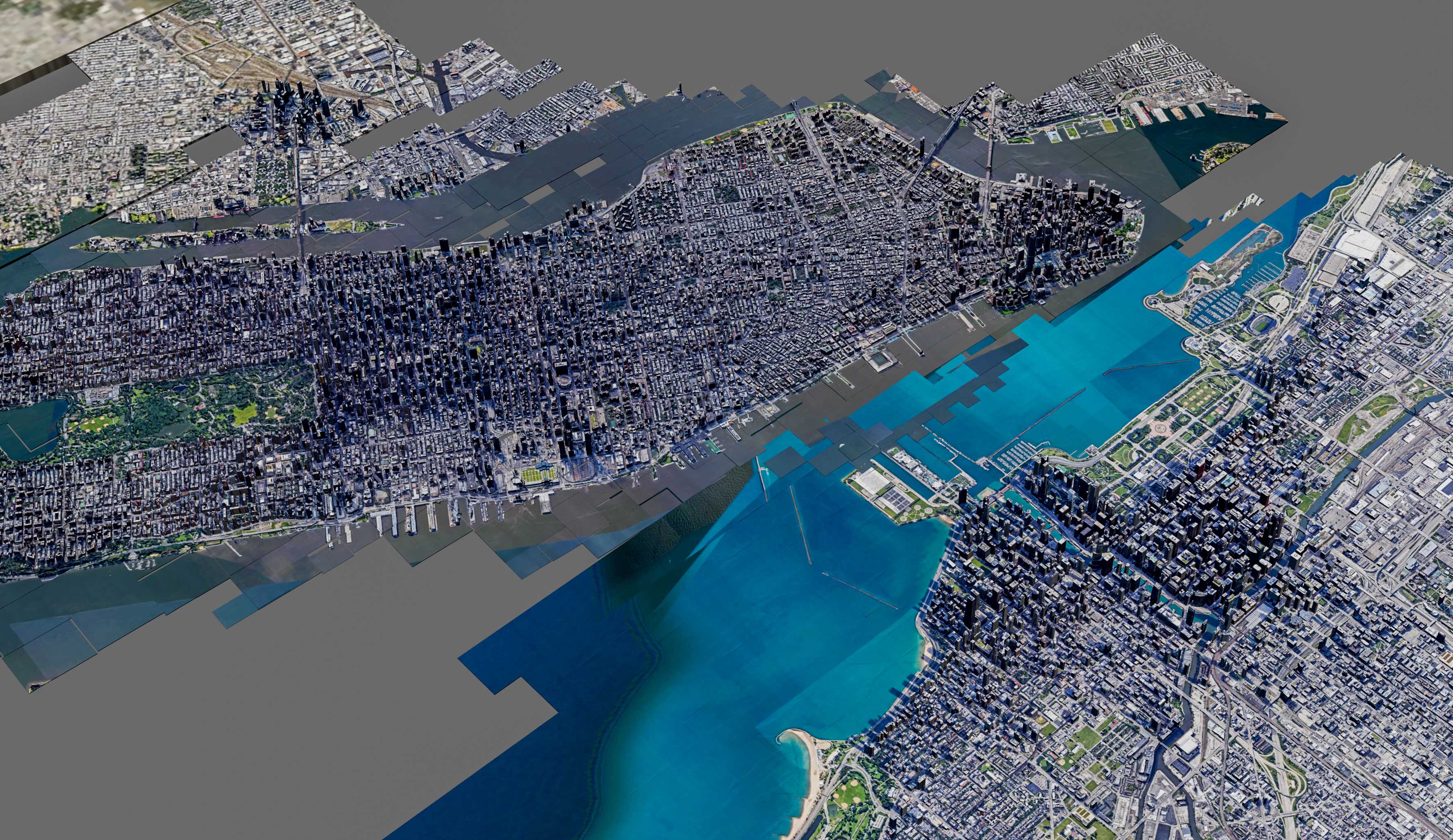
Geographic Footprint: Land Area and Urban Sprawl
When comparing the core city limits, New York City actually covers a larger land area. The five boroughs of New York City (Manhattan, Brooklyn, Queens, The Bronx, and Staten Island) collectively span approximately 302 square miles (782 square kilometers) of land. In contrast, the city proper of Chicago encompasses about 234 square miles (606 square kilometers).
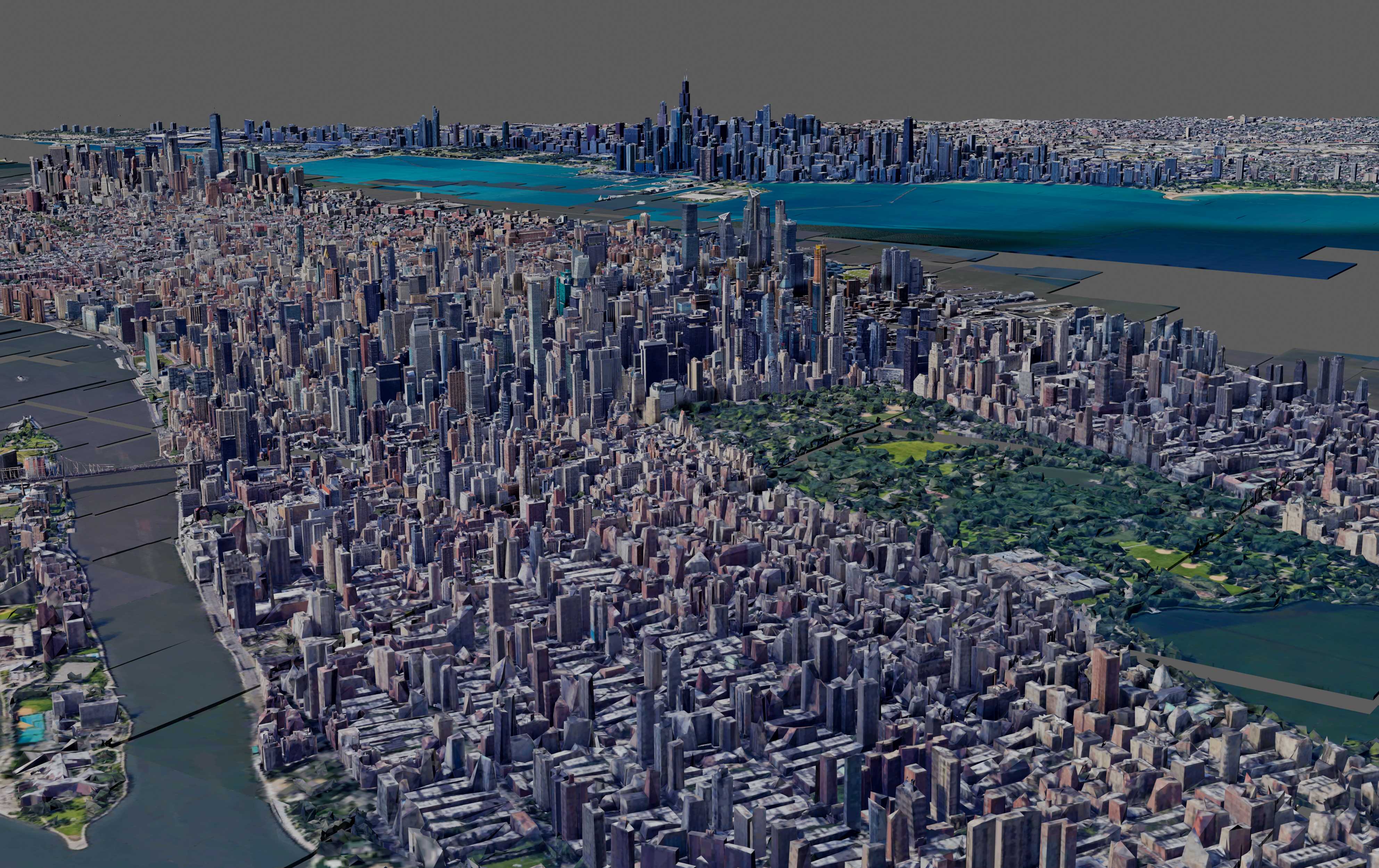
However, perception for a traveler is often more about the concentrated urban experience. Manhattan, the heart of NYC‘s tourist appeal, is a much smaller island, intensely developed. Chicago, while having a dense downtown, tends to feel more spread out beyond its core, with wider avenues and more generous public spaces, particularly along its iconic lakefront. This difference in physical layout significantly impacts how one moves through and perceives the cities’ sizes.
Population and Density: The Human Element of Scale
This is where New York City truly stands as the larger city. With a population exceeding 8 million residents, NYC is the most populous city in the United States. Chicago, while still a major urban center, has a population of roughly 2.7 million. This stark difference in population density translates directly into the traveler’s experience.
New York City feels perpetually in motion, with crowded sidewalks, bustling subway stations, and a constant, vibrant hum. It’s an immersive, often overwhelming experience of sheer human scale. Chicago, by comparison, offers a slightly more breathable atmosphere. While its downtown and tourist hotspots can be busy, the city generally allows for a more relaxed pace, offering the grandeur of a major metropolis without the incessant crush of crowds found in many parts of NYC. For travelers who appreciate space and a sense of calm amidst urban exploration, Chicago’s scale can feel more manageable and inviting.
Dimensions of Urban Giants: Space, People, and Perception for Visitors
The way these two urban giants are structured fundamentally shapes a visitor’s experience of their “bigness.” One city thrives on vertical density and an intricate web of distinct micro-cultures, while the other offers a blend of architectural grandeur and expansive public spaces.
Neighborhood Tapestries and Urban Character
New York City’s identity is deeply rooted in its distinct boroughs and countless neighborhoods, each with a unique personality. A traveler might spend an entire trip exploring the art galleries of Chelsea, the vibrant street life of Greenwich Village, or the diverse culinary scene of Queens, feeling as though they’ve visited multiple cities. This compartmentalized “bigness” allows for highly specialized exploration but can also make the city feel endlessly vast and difficult to grasp in its entirety.
Chicago also boasts a rich mosaic of neighborhoods, from the historic elegance of Lincoln Park to the bohemian vibe of Wicker Park and the artistic energy of Pilsen. However, its central tourist areas—the Loop, Magnificent Mile, and Museum Campus—are more concentrated and often feel more interconnected. This allows for easier navigation of major sights for first-time visitors, providing a sense of coherent grandeur that is both impressive and accessible.
Green Spaces and Waterfronts: A Breath of Fresh Air
Chicago truly distinguishes itself with its unparalleled lakefront. Stretching for miles along Lake Michigan, the city’s public parks, beaches, and the Lakefront Trail offer a remarkable sense of openness and natural beauty. This expansive green and blue space provides a contrasting element to the urban core, allowing residents and visitors alike to enjoy stunning city views against a backdrop of open water. This vast, accessible waterfront contributes significantly to Chicago’s unique perception of scale – a truly grand city that still provides room to breathe.
New York City counters with its iconic Central Park, a masterful urban oasis that offers respite from the surrounding concrete jungle. While impressive in its own right, and a testament to urban planning, Central Park is an island of green surrounded by intense density. Its scale, while large for a city park, doesn’t offer the same continuous, sprawling interface with nature that Chicago’s lakefront provides.
Navigating the Metropolis: How “Bigness” Affects Getting Around
The perceived “bigness” of a city for a traveler is inextricably linked to its transportation infrastructure and the ease with which one can traverse its expanse. Both New York City and Chicago excel in public transit, but their systems reflect their distinct urban layouts.
Public Transportation Networks: Subway vs. ‘L’ Train
New York City’s MTA subway system is a marvel of urban engineering. Operating 24/7, its extensive network of lines reaches across all five boroughs, making it the fastest and most efficient way to navigate the city’s vast distances. While initially daunting with its complexity and crowded conditions, mastering the subway is essential for any visitor aiming to explore multiple neighborhoods or boroughs. The sheer connectivity allows one to cover immense geographical and cultural ground within a single day.
Chicago’s CTA ‘L’ train system (named for its elevated tracks) is equally efficient and user-friendly, especially within its downtown and surrounding neighborhoods. It provides excellent connectivity to major attractions, cultural institutions, and entertainment districts. While not as extensive or 24/7 on all lines as NYC’s subway, it is straightforward to use and less overwhelming for first-time visitors. For areas beyond the ‘L’ lines, a comprehensive bus network fills the gaps. Many of Chicago’s key sights are concentrated in walkable areas, reducing the constant reliance on public transport for core sightseeing, unlike in New York City where distances between major points of interest can be significant even within a single borough.
Walkability and Distances: Foot Traffic vs. Strategic Moves
Within specific, concentrated areas like Manhattan’s grid or Chicago’s Loop, both cities are exceptionally walkable. However, the overall spatial arrangement dictates the nature of walking. In New York City, especially Manhattan, one might walk many blocks between attractions, moving through a continuously dense, bustling environment. The visual cues of towering buildings and endless storefronts reinforce a feeling of boundless urbanity.
In Chicago, while the downtown is certainly walkable, moving between distinct neighborhoods sometimes involves greater distances, perhaps requiring a quick ‘L’ ride or a taxi. However, the wider streets and less intense pedestrian traffic often make walks feel more leisurely. The experience of walking in Chicago can feel more spacious and planned, offering grand vistas and monumental architecture without the constant press of humanity. This allows travelers to absorb the scale of the city’s design rather than feeling overwhelmed by its sheer number of inhabitants.
World-Class Experiences: Attractions, Culture, and Culinary Scale
The true measure of a city’s “bigness” for a traveler often lies in the volume, diversity, and quality of its attractions and experiences. Both New York City and Chicago are world-class destinations, each offering a distinct flavor of urban grandeur.
Iconic Landmarks and Architectural Wonders
New York City is home to an unparalleled collection of globally recognized landmarks: the Statue of Liberty, Empire State Building, Times Square, and the Brooklyn Bridge. Its architectural narrative is one of vertical ambition and iconic modernism, constantly pushing boundaries. For many, a trip to NYC is about ticking off these bucket-list sites, each one contributing to its immense global stature.
Chicago, the birthplace of the skyscraper, offers an equally compelling, yet distinct, architectural experience. Landmarks like the Willis Tower (formerly Sears Tower), the gleaming Cloud Gate sculpture (familiarly known as “The Bean”) in Millennium Park, and the stunning riverwalk showcase its rich history of innovative design. For architecture enthusiasts, Chicago’s architectural river cruise is an immersive experience, revealing the city’s grand planning and continuous innovation. While NYC boasts more individual globally recognized sites, Chicago’s overall urban design and integrated public spaces often feel more cohesively grand and intentionally beautiful.
Cultural Institutions and Arts Scene
As a global arts capital, New York City features institutions like the Metropolitan Museum of Art, the Museum of Modern Art (MoMA), hundreds of Broadway and off-Broadway theaters, and an endless array of music venues. The sheer volume and diversity of its cultural offerings can feel limitless, catering to every conceivable taste and interest, reflecting its status as a melting pot of global cultures.
Chicago holds its own with world-class institutions such as the Art Institute of Chicago, the Field Museum, and the Museum of Science and Industry. Its theater scene is robust and highly respected, often serving as a proving ground for Broadway productions. Furthermore, Chicago is legendary for its jazz and blues heritage, with numerous clubs preserving and celebrating these iconic American art forms. While perhaps not matching NYC’s sheer quantity, Chicago’s cultural depth and quality are profound, and its institutions often feel more accessible without the same level of overwhelming choice.
Culinary Landscapes: A Taste of Each Giant
Both cities are gastronomic titans. New York City offers unparalleled culinary diversity, from Michelin-starred fine dining to countless ethnic eateries representing virtually every cuisine on the planet. Its dining scene is constantly evolving, driven by innovation and its diverse population.
Chicago has carved out its own distinct and celebrated culinary identity. It’s famous for its deep-dish pizza and iconic Chicago-style hot dogs, but also boasts a thriving fine-dining scene that consistently garners national and international acclaim. Its culinary landscape, while diverse, often feels more rooted in American regional specialties and innovative interpretations, offering a sophisticated yet distinctly American flavor profile.
Choosing Your Grand Adventure: Chicago vs. New York for Your Trip
So, is Chicago bigger than New York? Objectively, in terms of population and total land area for the metropolitan area, New York City is the larger entity. However, the experience of “bigness” for a traveler is deeply subjective and multifaceted.
For the High-Energy, Global Explorer
If you thrive on constant stimulation, an endless array of choices, and the electric pulse of a truly global hub, New York City offers an unparalleled “big city” adventure. Its intense density and relentless pace mean you can pack an incredible amount into each day, embracing the overwhelming energy that defines it. It’s a city that challenges and rewards, demanding a fast pace and an adventurous spirit to fully absorb its immense scale and diverse offerings. Expect to be immersed in a world of constant motion and discovery.

For the Culture Enthusiast with Room to Breathe
If your ideal trip involves world-class architecture, diverse cultural institutions, a celebrated food scene, and expansive public spaces, but you prefer a slightly less frenetic pace, Chicago provides an equally grand yet distinctly different “big city” experience. It feels expansive in its open vistas, particularly along the lakefront, yet its core attractions are often more easily navigated and concentrated. Chicago delivers a sophisticated grandeur that is both approachable and deeply impressive, allowing for a more relaxed exploration while still offering an abundance of unforgettable activities.
Ultimately, both New York City and Chicago are colossal urban destinations, each offering a unique interpretation of “bigness.” Your choice depends on the kind of scale you wish to explore – whether it’s the intense, dense global microcosm or the expansive, architecturally magnificent American metropolis. Both promise unforgettable travel experiences, proving that “bigger” is a multifaceted concept best understood through personal exploration.
LifeOutOfTheBox is a participant in the Amazon Services LLC Associates Program, an affiliate advertising program designed to provide a means for sites to earn advertising fees by advertising and linking to Amazon.com. Amazon, the Amazon logo, AmazonSupply, and the AmazonSupply logo are trademarks of Amazon.com, Inc. or its affiliates. As an Amazon Associate we earn affiliate commissions from qualifying purchases.