
When planning a trip to a vibrant metropolis like Chicago, questions of safety naturally arise, especially when exploring diverse urban neighborhoods. Among the city’s many iconic districts, Chicago Chinatown stands out as a cultural gem, a bustling hub of authentic cuisine, unique shops, and rich history that attracts countless visitors each year. For first-time travelers or those unfamiliar with the area, the question “Is Chicago Chinatown safe?” is a crucial one. The simple answer is yes, generally, it is considered a safe and welcoming neighborhood for tourists and residents alike, particularly during the day. However, like any urban environment in the USA, a degree of awareness and adherence to general safety practices is always advisable.
This article will delve into what makes Chicago Chinatown a cherished destination, address common safety perceptions, and provide practical advice to ensure your visit is not only secure but also deeply memorable and enriching. From its cultural landmarks to its culinary delights, understanding the dynamics of this unique district in Illinois will help you experience its full charm with confidence.
Unveiling the Charm and Vibrancy of Chicago Chinatown
Chicago Chinatown is more than just a neighborhood; it’s a living, breathing testament to the resilience and cultural richness of the Chinese diaspora in the Midwest. Its allure lies in its ability to transport visitors to a different world, offering an immersive cultural experience unlike any other in the city.
A Rich Tapestry of Culture and History
The history of Chicago Chinatown dates back to the late 19th century, when Chinese immigrants, primarily from the West Coast, began settling in Chicago. Over the decades, it grew from a small enclave into a thriving community, establishing itself as a vital cultural and commercial center. This rich heritage is palpable in every corner, from the intricate architecture to the vibrant community spirit.
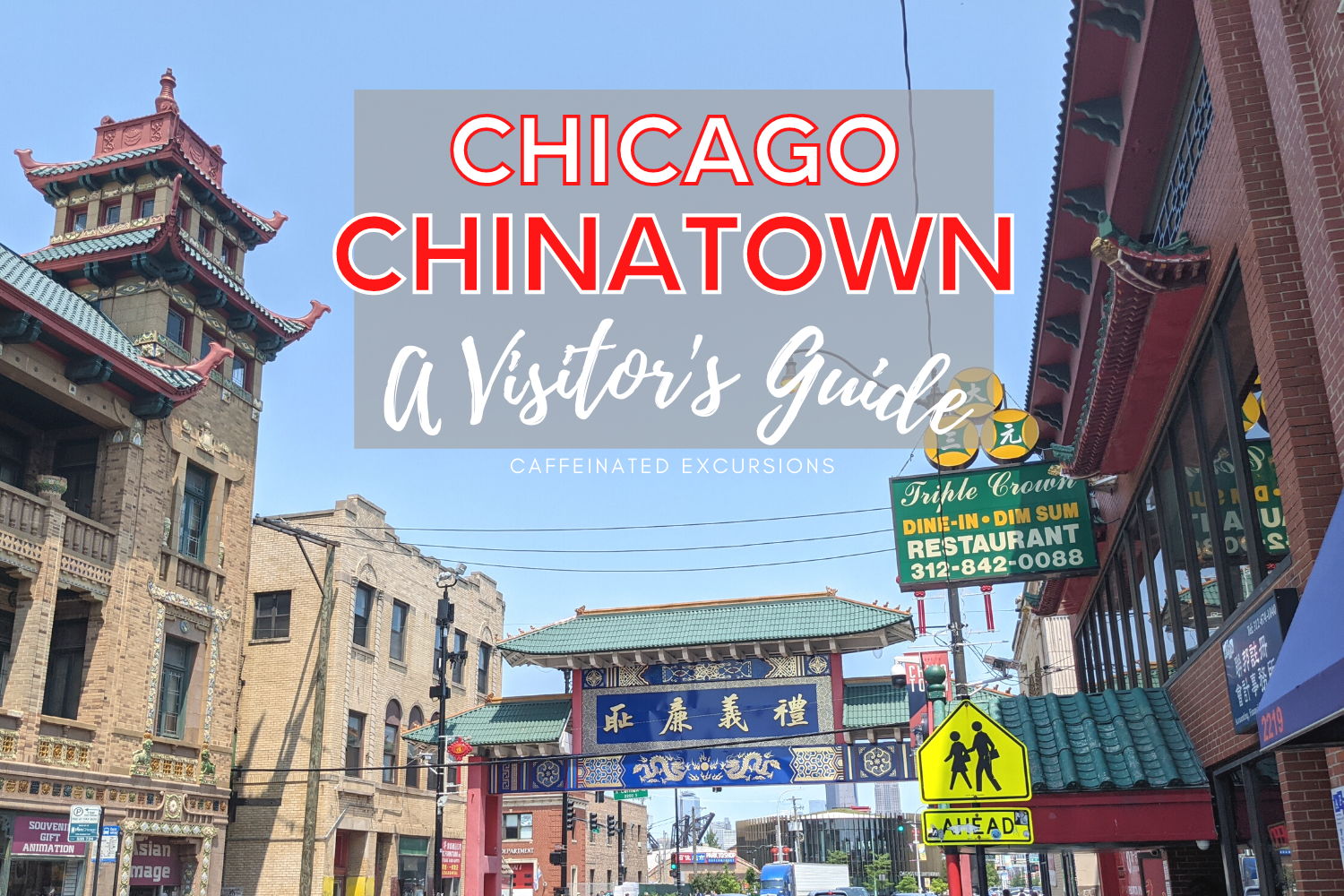
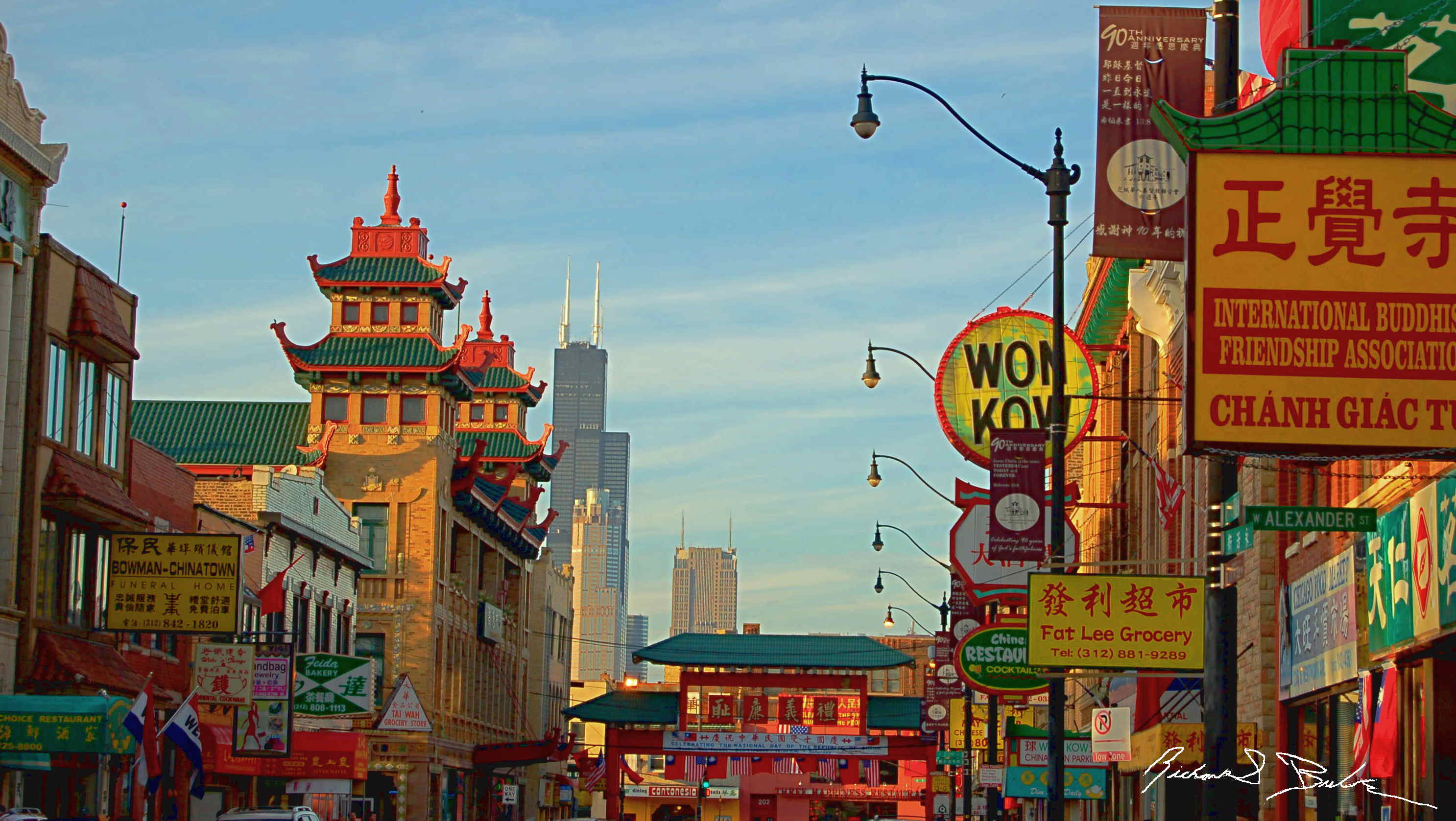
The iconic Chinatown Gate, a magnificent structure adorned with traditional Chinese designs, serves as a grand entrance to the district, immediately setting a tone of cultural immersion. As you walk past this gateway, you step onto Wentworth Avenue, the historic main street that forms the heart of old Chinatown. Here, traditional architecture, often featuring pagoda-style roofs and vibrant red and gold color schemes, houses a plethora of businesses that have been serving the community for generations.
The preservation of culture is evident in the numerous family associations, temples, and schools that continue to operate, ensuring that traditions are passed down and celebrated. Visitors can witness this cultural continuity through various festivals and daily interactions, making it an invaluable destination for those interested in local culture and history.
Navigating the Heart of Chinatown: What to See and Do
Exploring Chicago Chinatown offers a sensory feast, with activities to suit every interest. The neighborhood is broadly divided into the historic Wentworth Avenue area and the newer, more modern development around Cermak Road and Archer Avenue.
On Wentworth Avenue, you’ll discover traditional Chinese markets brimming with exotic produce, fragrant teas, and unique herbal remedies. Small boutiques offer a fascinating array of gifts, from intricate silk garments and handcrafted jewelry to antique ceramics and cultural artwork. For a deeper dive into Chinese culture, consider timing your visit with events like the spectacular Chinese New Year parade, where dragon and lion dances fill the streets with color and sound, or the autumn Moon Festival.
Just a short walk or a convenient water taxi ride away, Ping Tom Memorial Park offers a tranquil escape. This stunning urban park, designed with classical Chinese landscaping elements, provides breathtaking views of the Chicago River and the majestic Chicago skyline. It’s an ideal spot for a leisurely stroll, a family picnic, or simply to relax and watch the boats go by. The park also hosts various community events and outdoor activities during warmer months, making it a perfect example of how the community has integrated green spaces into its urban fabric. The river taxi service connecting Chinatown to downtown Chicago from Ping Tom Memorial Park is an experience in itself, offering unique perspectives of the city.
Addressing Safety Concerns: Perception vs. Reality
The question of safety is paramount for any traveler, and it’s natural to seek reassurance when visiting an unfamiliar urban district. While Chicago, like all major cities, faces its share of challenges, Chicago Chinatown has historically maintained a reputation as a generally secure area, especially for tourists.
General Safety Tips for Urban Exploration
Regardless of your destination, adopting a few universal safety practices can significantly enhance your travel experience and peace of mind. These tips are not unique to Chinatown but are good habits for any urban explorer:
- Situational Awareness: Always be aware of your surroundings. Keep an eye on who is around you and what is happening. Avoid distractions like constantly looking at your phone, which can make you an easy target for petty crime.
- Secure Valuables: Keep wallets, phones, and passports in a secure place, such as an inside pocket or a cross-body bag worn in front of you. Avoid flashing large amounts of cash or expensive jewelry.
- Travel in Groups at Night: If you plan to explore in the evening, it’s always safer to do so with companions. If alone, stick to well-lit, populated streets.
- Trust Your Instincts: If a situation or an area feels unsafe, remove yourself from it. Your intuition is often your best guide.
- Use Reputable Transportation: For getting around, rely on established taxi services, ride-sharing apps, or the city’s public transportation system. Avoid accepting rides from strangers.
- Emergency Contacts: Familiarize yourself with local emergency numbers (911 in the USA).
Specific Considerations for Chicago Chinatown
Chicago Chinatown benefits from a strong community presence and an active business environment, both of which contribute to its general safety. The streets are often bustling with activity, especially during the day and early evening, with locals and tourists alike frequenting shops and restaurants. This constant foot traffic acts as a natural deterrent to crime.
Local law enforcement maintains a visible presence, and the community itself is often vigilant, looking out for one another. While serious violent crime is rare in Chinatown, like any busy tourist area, it is not entirely immune to petty theft, such as pickpocketing or purse snatching, particularly in crowded markets or during large festivals. Therefore, exercising the general safety tips mentioned above is particularly relevant here.

When visiting at night, the core areas of Chinatown remain well-lit and active, particularly along Wentworth Avenue and Archer Avenue. However, as with any urban neighborhood, venturing into less populated side streets late at night is generally not recommended. Public transportation (the CTA Red Line or buses) provides reliable access to and from Chinatown into the late hours, making it easy to return to your accommodation safely. Overall, Chicago Chinatown is widely regarded as one of Chicago’s safer neighborhoods for visitors, often rated higher in terms of safety perception than some other downtown districts.
Enhancing Your Visit: Accommodation and Accessibility
To truly appreciate the cultural richness and culinary delights of Chicago Chinatown, planning your visit thoughtfully, including where to stay and how to get around, is essential.
Finding Your Ideal Stay Near Chinatown
While there aren’t many large chain hotels directly within the heart of Chicago Chinatown itself, its excellent connectivity to downtown Chicago means visitors have a wide array of accommodation options just a short ride away. Many tourists opt to stay in the adjacent neighborhoods like the Loop or South Loop, which offer a blend of luxury, mid-range, and budget-friendly hotels.
For luxury travelers, renowned establishments such as the Hyatt Regency Chicago, Hilton Chicago, or the historic Palmer House Hilton offer premium amenities and are conveniently located with easy access to public transport leading directly to Chinatown. These hotels not only provide comfort and top-tier service but also place you within walking distance of many other Chicago attractions, including museums, parks, and the famous Magnificent Mile for shopping.
Mid-range hotels and boutique options are also plentiful in these areas, catering to travelers seeking comfort without the premium price tag. For longer stays or family trips, consider exploring apartment rentals or serviced apartments in the South Loop, which can offer more space and amenities like kitchens, allowing for a more authentic and budget-conscious travel experience. When selecting your accommodation, prioritize proximity to a CTA Red Line station or a major bus route, ensuring seamless travel to and from Chinatown.
Getting There and Around
Chicago Chinatown is remarkably accessible, making it easy for visitors to reach and explore.
- Public Transportation: The most convenient way to get to Chinatown is via the CTA Red Line. The “Cermak-Chinatown” station drops you right in the heart of the neighborhood, mere steps from the Chinatown Gate and Wentworth Avenue. Several bus routes also serve the area, providing further options.
- Ride-Sharing and Taxis: Ride-sharing services like Uber and Lyft, as well as traditional taxis, are readily available throughout Chicago and offer a direct, convenient way to reach Chinatown, especially if you’re carrying shopping bags or traveling with family.
- Driving and Parking: If you prefer to drive, there are several paid parking garages and lots within Chinatown, though they can fill up quickly during peak hours and weekends. Street parking is limited and often metered.
- Walkability: Once in Chinatown, the neighborhood is incredibly walkable. Its compact size means you can easily explore its main streets, shops, and restaurants on foot, allowing for spontaneous discoveries and a relaxed pace. Don’t forget the scenic water taxi from Ping Tom Memorial Park for a unique approach from downtown.
Experiencing Chicago Chinatown Beyond Safety
While safety is a foundational concern, the true reward of visiting Chicago Chinatown lies in its unparalleled cultural experiences. Once you’ve established your comfort with the neighborhood’s general safety, you’re free to immerse yourself fully in its vibrant offerings.
Culinary Delights and Authentic Flavors
Chinatown is, without a doubt, a paradise for food lovers. The culinary landscape here is incredibly diverse, reflecting the various regional cuisines of China. From the bustling dim sum parlors where carts laden with delicate dumplings and savory buns weave through tables, to upscale Szechuan restaurants known for their fiery flavors, there’s something to tantalize every palate. Cantonese roast meats, steaming hot pot experiences, and authentic noodle shops are staples. Don’t forget to try the array of bubble tea shops, bakeries with traditional pastries, and even late-night eateries that cater to the local community. Many visitors consider a dedicated food tour of Chinatown an essential experience, guiding them through hidden gems and local favorites, offering insights into the history and preparation of each dish.
Shopping and Unique Souvenirs
Beyond the culinary scene, Chinatown offers a unique shopping experience. Traditional Chinese goods can be found in abundance: exquisite tea sets, delicate silk garments, intricately carved artwork, and unique home decor. Herbal medicine shops provide a fascinating glimpse into traditional Chinese healing practices, while modern boutiques cater to younger crowds with anime merchandise, K-Pop albums, and a wide selection of Asian beauty products. Grocery stores are an adventure in themselves, stocked with ingredients you might not find elsewhere, from exotic fruits and vegetables to a vast array of sauces and spices. Whether you’re looking for a special souvenir, a unique gift, or just enjoy browsing, Chinatown’s shops promise discovery.
Community and Events
The heart of Chicago Chinatown beats strongest in its vibrant community life and the numerous events it hosts throughout the year. These celebrations are a testament to the community’s desire to share and preserve its rich cultural heritage. Beyond the widely celebrated Chinese New Year parade, other festivals like the Moon Festival (also known as the Mid-Autumn Festival), complete with mooncakes and lantern processions, offer enchanting experiences. Various cultural performances, art exhibitions, and community gatherings frequently take place, providing deeper insights into Chinese traditions and contemporary Chinese-American life. Engaging with these events offers a profound sense of connection to the community and provides unforgettable memories, showcasing the welcoming and inclusive spirit of Chicago Chinatown.
A Memorable and Secure Journey Awaits
In conclusion, the question “Is Chicago Chinatown safe?” can confidently be answered with a resounding yes, provided visitors exercise standard urban awareness. This vibrant neighborhood offers a culturally rich, gastronomically diverse, and generally secure environment for exploration. By understanding its unique characteristics, practicing general safety precautions, and leveraging the available resources for accommodation and transportation, travelers can fully immerse themselves in the authentic charm of Chicago Chinatown.
It’s a place where history resonates, flavors delight, and community thrives. So, pack your bags, prepare your appetite, and set out to discover the wonders of Chicago Chinatown. A memorable and secure journey into the heart of Chinese-American culture awaits you.
LifeOutOfTheBox is a participant in the Amazon Services LLC Associates Program, an affiliate advertising program designed to provide a means for sites to earn advertising fees by advertising and linking to Amazon.com. Amazon, the Amazon logo, AmazonSupply, and the AmazonSupply logo are trademarks of Amazon.com, Inc. or its affiliates. As an Amazon Associate we earn affiliate commissions from qualifying purchases.