
For travelers heading to the vibrant metropolis of Chicago, a common and essential question often arises: “Is Chicago on Central Time?” The answer is a resounding yes. Chicago operates within the Central Time Zone, observing Central Standard Time (CST) during the winter months and Central Daylight Time (CDT) when Daylight Saving Time is in effect. While this might seem like a simple piece of information, understanding its implications is crucial for seamless travel planning, maximizing your experiences, and ensuring you make the most of every moment in the Windy City.
As a premier resource for travel, tourism, hotels, and lifestyle insights, we recognize that time zone awareness is more than just knowing what to set your watch to. It affects everything from flight schedules and hotel check-ins to dining reservations, attraction opening hours, and even coordinating with loved ones back home. This comprehensive guide will delve into the nuances of Chicago’s time zone, offering practical advice and connecting it to the broader spectrum of your travel experience, ensuring your trip to this incredible destination is perfectly synchronized.

Understanding the Central Time Zone: A Traveler’s Primer
The Central Time Zone (CT) is one of the six time zones that span the United States and Canada, extending south into Mexico and Central America. For those journeying from other parts of the United States or international destinations, understanding its offset from Coordinated Universal Time (UTC) is foundational.
Central Standard Time (CST) and Central Daylight Time (CDT)
During the colder months, roughly from early November to mid-March, Chicago observes Central Standard Time (CST), which is UTC-6. This means it is six hours behind Coordinated Universal Time. Come spring, typically the second Sunday in March, the city springs forward an hour for Daylight Saving Time, shifting to Central Daylight Time (CDT), which is UTC-5. This change lasts until the first Sunday in November when clocks fall back to CST.
For travelers, this twice-yearly shift is particularly important. Arriving during a transition period without accounting for it can lead to missed flights, delayed appointments, or early arrivals at closed attractions. Always double-check the current date against the Daylight Saving Time schedule, especially if your trip falls around these crucial weekends. Modern smartphones and computers typically adjust automatically, but it’s always wise to confirm your devices are properly synced.
Geographical Context: Neighboring Time Zones
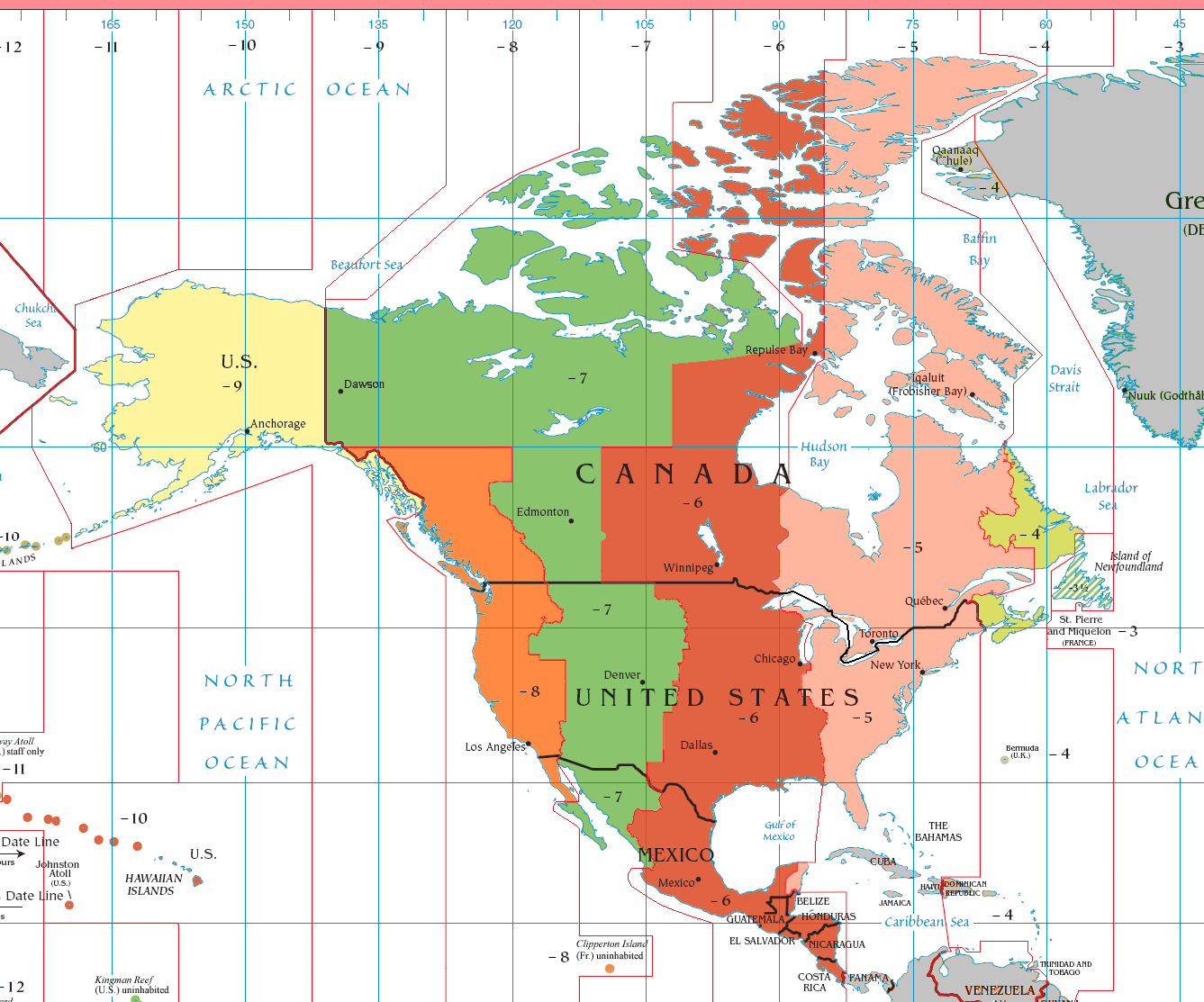
Chicago’s position in the Central Time Zone places it adjacent to two major North American time zones:
- Eastern Time Zone (ET): To the east, states like Michigan, Indiana (mostly), and most of the eastern seaboard operate on ET, which is one hour ahead of CT. This means if it’s 10:00 AM in Chicago, it’s 11:00 AM in New York City or Miami.
- Mountain Time Zone (MT): To the west, states like Colorado and Arizona (which largely doesn’t observe Daylight Saving Time) are one hour behind CT. So, when it’s 10:00 AM in Chicago, it’s 9:00 AM in Denver.
Understanding these relationships is vital when coordinating multi-leg journeys or making plans with friends and family in different parts of the country.
Why Chicago’s Time Zone Matters for Your Trip Logistics
The impact of Chicago’s time zone extends far beyond a simple clock adjustment. It directly influences key aspects of your travel logistics, from your arrival to your daily itinerary, affecting the overall flow and enjoyment of your visit.
Planning Your Arrival and Departure
For many visitors, the journey to Chicago involves air travel into O’Hare International Airport (ORD) or Midway International Airport (MDW). If you’re flying in from the Eastern Time Zone, you’ll effectively gain an hour upon arrival in Chicago. Conversely, departing for an Eastern Time destination means you’ll lose an hour, making a 9:00 AM flight feel like 10:00 AM in terms of your body clock. The same principle applies to train journeys on Amtrak or long-distance bus services.
- Flights: Always confirm your flight times are in the local time of departure and arrival. A flight listed as arriving at 3:00 PM CST means 3:00 PM local Chicago time, regardless of where you departed. Misinterpreting this can lead to missed connections or unexpected delays in reaching your accommodation.
- Hotel Check-ins: Most hotels and accommodations in Chicago have a standard check-in time, often around 3:00 PM or 4:00 PM. If you’re arriving from a different time zone, factor in potential jet lag or the time shift. An early morning arrival from the East Coast might mean a few hours to kill before your room is ready, which is perfect for an initial exploration or a leisurely meal.
- Airport Transfers: When pre-booking shuttles, taxis, or ride-shares, ensure the pickup time is clearly communicated in Chicago local time to avoid any confusion or waiting.
Synchronizing with Attractions and Activities
Chicago boasts an unparalleled array of landmarks, museums, dining experiences, and cultural attractions. Each of these operates on Central Time, and a miscalculation could lead to disappointment.
- Museums and Attractions: Iconic places like the Art Institute of Chicago, Field Museum, Shedd Aquarium, and Museum of Science and Industry all have specific opening and closing hours. Double-checking their schedules, especially for special exhibits or seasonal variations, is crucial. If you’re an early bird from the Eastern Time Zone, you might find yourself with an extra hour before they open, perfect for a quiet breakfast or a stroll through Millennium Park to see “The Bean” (Cloud Gate).
- Dining Reservations: Chicago’s food scene is world-renowned, from Michelin-starred restaurants like Alinea to beloved local favorites like Girl & The Goat or a classic deep-dish pizza spot. Popular eateries require reservations, and missing your slot due to a time zone miscalculation is easily avoidable with proper planning.
- Shows and Events: Catching a show in Chicago’s historic theater district, a concert at Wrigleyville, or a game at United Center demands punctuality. Showtimes and event start times are always listed in local CT.
- Tours: Whether it’s the famous Chicago Architecture Foundation Center River Cruise, a guided walking tour, or a hop-on-hop-off bus, tour operators adhere strictly to their published schedules. Arriving late means missing out.
Business and Communication

For those on a business trip to Chicago, time zone differences are not just an inconvenience but a critical factor in productivity. Meetings, conference calls, and deadlines must all be synchronized with Central Time. If you’re maintaining contact with colleagues or clients in different time zones, clear communication about local times is paramount. For instance, a 9:00 AM meeting in Chicago is 10:00 AM on the East Coast and 7:00 AM on the West Coast. Similarly, if you’re coordinating family activities or simply checking in with loved ones, being mindful of the time difference prevents early morning calls or late-night disturbances.
Navigating Time Differences: Practical Tips for Travelers
Successfully navigating time zones is a cornerstone of smart travel. Here are some practical tips to ensure your internal clock and external schedule are perfectly aligned during your Chicago adventure.
Adjusting Your Internal Clock and Minimizing Jet Lag
Even a one or two-hour time difference can affect sensitive individuals, leading to mild jet lag. When traveling to Chicago from the east, you’ll gain an hour, which can feel like an extended day. From the west, you’ll lose an hour, making the day feel shorter.
- Pre-adjust: If possible, gradually shift your sleep schedule a day or two before your trip. For example, if coming from Eastern Time, try staying up an hour later and sleeping in an hour later before you depart.
- Stay Hydrated: Dehydration can exacerbate jet lag symptoms. Drink plenty of water before and during your flight.
- Embrace the Light: Upon arrival, expose yourself to natural light. This helps reset your circadian rhythm. Go for a walk along Lake Michigan or explore Lincoln Park.
- Stick to the Local Schedule: As soon as you land, try to eat and sleep according to Chicago’s local time. Resist the urge to nap if it’s not your usual sleep time, and push through until evening.
Utilizing Technology to Your Advantage
Modern technology is your best friend when dealing with time zones.
- Smartphones and Watches: Most smartphones, smartwatches, and laptops automatically update to the local time zone when they connect to a cellular network or Wi-Fi. Ensure your device’s settings allow for automatic time zone updates.
- World Clock Apps: Use the world clock feature on your phone or a dedicated app to quickly check the time in multiple cities, especially if you’re coordinating with people in different locations.
- Digital Itineraries: Keep your travel itinerary, booking confirmations, and reservation details digitized. Many travel apps will display times in local formats, minimizing confusion.
- Alarm Clocks: Set alarms based on local Chicago time for important appointments, tours, or simply waking up for a day of exploration. Consider setting two alarms for crucial events.
Verifying Times and Planning Ahead
Always err on the side of caution when it comes to time-sensitive activities.
- Double-Check Everything: Before you head out for a tour, a show, or a restaurant reservation, quickly verify the time on the attraction’s official website or your confirmation email.
- Account for Daylight Saving Time: If your trip spans the spring forward or fall back weekend, be extra vigilant. Note the date of the change and confirm all your plans reflect the new time.
- Build in Buffer Time: When traveling between attractions or to the airport, always factor in extra time for traffic, public transit delays, or unexpected detours. Being an hour early is always better than five minutes late.
Chicago Beyond the Clock: Maximizing Your Central Time Experience
Beyond the practicalities, understanding Chicago’s time zone allows you to fully immerse yourself in the city’s unique rhythm and make the most of its vibrant lifestyle and experiences. The flow of a day in Chicago on Central Time is part of what makes it a memorable destination.
Embracing the City’s Rhythms
Chicago truly comes alive at different times of the day, and knowing the local clock helps you tune into these moments.
- Sunrise over Lake Michigan: For early risers, catching the sunrise from a lakeside park like Grant Park or Lincoln Park is a breathtaking experience. The Central Time Zone position means sunrise can be quite early in the summer, offering more daylight hours for exploration.
- Morning Buzz: The city’s downtown Loop area begins its bustling energy as offices open and commuters fill the streets. This is an ideal time for a walk through the financial district, observing the iconic architecture of landmarks like the Willis Tower (formerly Sears Tower) or the Chicago Board of Trade Building.
- Afternoon Exploration: With attractions typically open until late afternoon or early evening, your Central Time day allows for extensive museum visits, shopping along Magnificent Mile, or enjoying the Navy Pier.
- Evening Entertainment: Chicago’s vibrant nightlife, jazz clubs, blues venues, and renowned theater scene kick into gear after dinner. Being in Central Time allows you to enjoy a full day of sightseeing before transitioning seamlessly into your evening plans, perhaps enjoying panoramic views from Skydeck Chicago at Willis Tower or 360 Chicago at the John Hancock Center as the city lights up.
Tailoring Your Stay to Your Schedule
Whether you’re on a luxury travel escape, a budget travel adventure, a family trip, or a business stay, Chicago’s time zone context can influence your choices for accommodation. Many hotels, from upscale resorts like The Langham Chicago or Four Seasons Hotel Chicago to more budget-friendly boutique hotels or apartments for long-term stays, offer amenities designed to help travelers adjust.
Look for hotels with 24-hour fitness centers, late-night room service, or flexible dining options if you anticipate your internal clock might be a bit off upon arrival. For business travelers, suites with separate living areas can be beneficial for early morning calls to the East Coast or late-night work sessions. Families might appreciate resorts with flexible kids’ programs, allowing parents to enjoy an evening out while children stick to their regular sleep schedules.
In conclusion, yes, Chicago is firmly rooted in the Central Time Zone. This seemingly simple fact is, in reality, a foundational piece of information that underpins much of your travel planning and on-the-ground experience. By understanding the specifics of CST and CDT, its geographical context, and its direct impact on everything from transportation to dining and attractions, you empower yourself to craft a perfectly orchestrated trip. Utilize technology, plan meticulously, and embrace the rhythm of Chicago life. With careful consideration of the clock, your visit to this magnificent city will be nothing short of spectacular.
LifeOutOfTheBox is a participant in the Amazon Services LLC Associates Program, an affiliate advertising program designed to provide a means for sites to earn advertising fees by advertising and linking to Amazon.com. Amazon, the Amazon logo, AmazonSupply, and the AmazonSupply logo are trademarks of Amazon.com, Inc. or its affiliates. As an Amazon Associate we earn affiliate commissions from qualifying purchases.