
Planning a trip to a new city involves meticulous attention to detail, from booking the perfect accommodation and pinpointing must-visit landmarks to understanding the local culture and optimizing your travel itinerary. One often-overlooked yet critically important detail is the local time zone. For those setting their sights on the vibrant metropolis of Chicago, a common question arises: Is Chicago on Central Standard Time (CST)? The answer is a resounding yes, and understanding what this means for your visit to the Windy City is crucial for a seamless and enjoyable experience.
Chicago, located in the state of Illinois in the United States, observes the Central Time Zone. This designation directly impacts everything from flight schedules and hotel check-in times to the opening hours of world-renowned attractions and the rhythm of the city’s bustling lifestyle. Whether you’re a first-time visitor eager to explore Millennium Park and the Art Institute of Chicago, a business traveler attending conferences in the Loop, or a family embarking on a memorable adventure, knowing how Chicago’s time zone operates is your first step towards a perfectly synchronized journey.
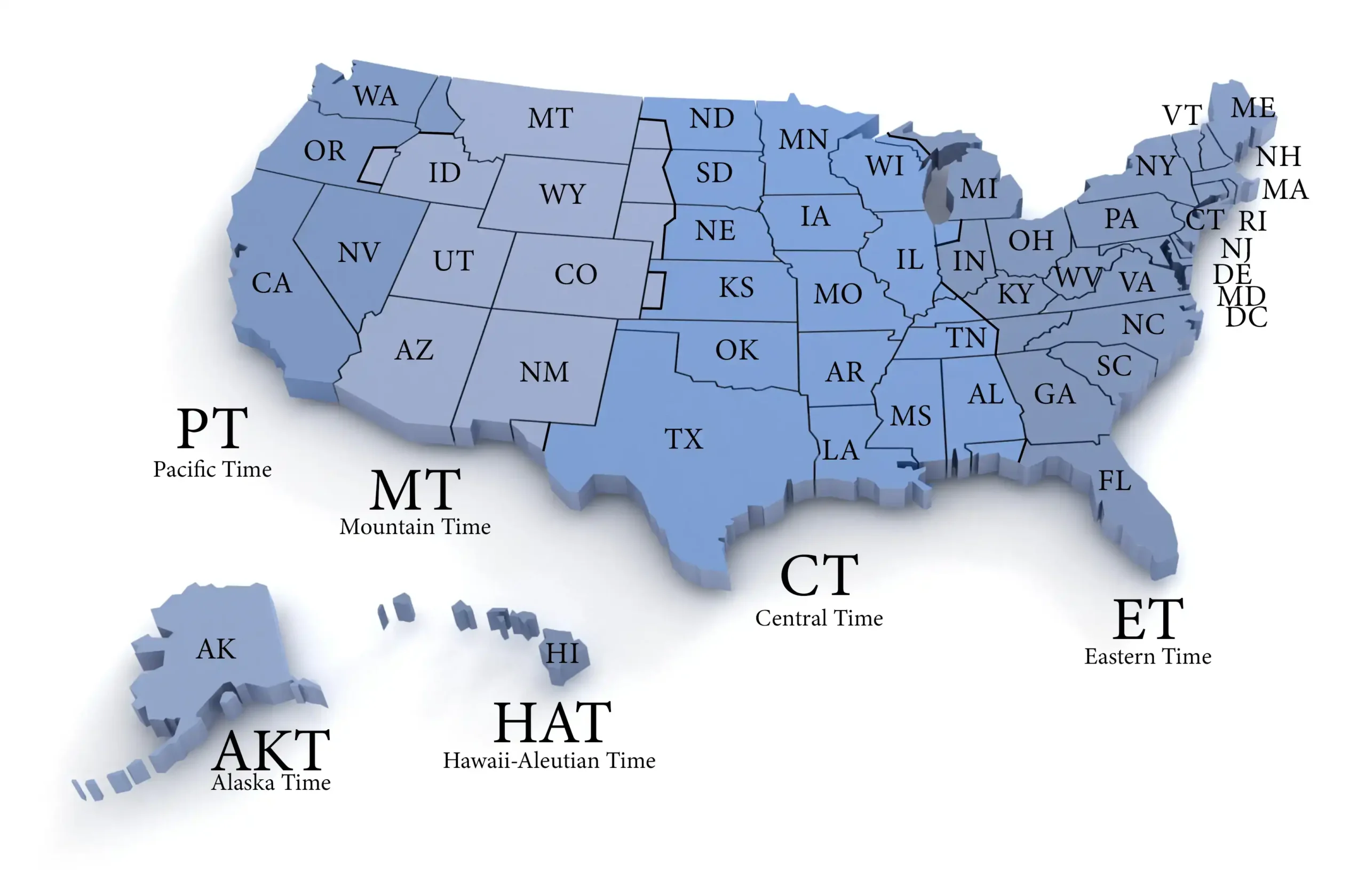
Understanding Chicago’s Time Zone: CST Explained
To truly grasp the implications of Chicago’s time zone, it’s essential to understand the basics of Central Standard Time and its seasonal variations. The United States is divided into several standard time zones, each offset from Coordinated Universal Time (UTC). Central Standard Time is one of the primary time zones in North America.
Central Standard Time (CST) vs. Central Daylight Time (CDT)
While Chicago primarily falls under the umbrella of the Central Time Zone, it’s important to distinguish between Central Standard Time (CST) and Central Daylight Time (CDT).
- Central Standard Time (CST): This is the standard observation, used during the fall and winter months. CST is UTC-6, meaning it is six hours behind Coordinated Universal Time.
- Central Daylight Time (CDT): Like many regions across the United States, Chicago observes Daylight Saving Time. From early March until early November, clocks are moved forward by one hour. During this period, the time zone becomes Central Daylight Time, which is UTC-5. This adjustment ensures longer daylight hours in the evenings, which is particularly beneficial for tourism, outdoor activities, and enjoying the city’s vibrant nightlife during the warmer seasons.
For travelers, this seasonal shift is critical. A visit in April will see Chicago on CDT, while a trip in December will find it on CST. Always double-check which time is in effect for your specific travel dates to avoid any confusion with schedules and bookings. Most modern devices automatically update for Daylight Saving Time, but a manual verification can prevent headaches.
Geographical Reach of CST
The Central Time Zone covers a significant portion of the central United States, stretching from the Gulf Coast to the Canadian border. It also extends into parts of Canada and Mexico. Within the United States, states such as Illinois, Wisconsin, Minnesota, Iowa, Missouri, Arkansas, Louisiana, Mississippi, and parts of Kansas, Nebraska, North Dakota, South Dakota, Oklahoma, and Texas observe CST/CDT. This vast geographical span means that if you’re traveling from a neighboring state also in the Central Time Zone, your time adjustment upon arrival in Chicago will be minimal or non-existent. However, if you’re flying in from the East Coast (Eastern Standard Time / Eastern Daylight Time – EDT/EST, which is one hour ahead) or the West Coast (Pacific Standard Time / Pacific Daylight Time – PDT/PST, which is two hours behind), you’ll need to account for a time difference. Similarly, visitors from international destinations will experience a more significant shift relative to UTC.
The Traveler’s Guide to Chicago Time: Planning Your Itinerary
For any traveler, managing time effectively is key to a rewarding experience. In Chicago, understanding the local time zone goes beyond simply setting your watch; it’s about seamlessly integrating into the city’s rhythm and maximizing every moment of your trip.
Seamless Arrivals and Departures
Your journey to Chicago typically begins and ends with transportation, and time zones play a critical role in these logistics.
- Flights: Most travelers arrive at O’Hare International Airport (ORD) or Midway International Airport (MDW). All flight times for arrivals and departures are quoted in the local time zone of the respective airport. This means your flight to Chicago will show an arrival time in CST/CDT, regardless of where you departed. Be sure to account for any time difference from your origin city when booking connecting flights or arranging ground transportation. Jet lag, a common side effect of crossing multiple time zones, can also impact your first day, so planning a relaxed initial itinerary is often advisable.
- Trains and Buses: If you’re traveling by train, services like Amtrak also adhere strictly to local time zones for their schedules. Similarly, intercity bus lines will operate on CST/CDT. Confirming these times with your booking is essential to avoid missing your connection or arrival at Union Station or the various bus terminals.
- Accommodation Check-ins/Check-outs: Hotels, suites, apartments, and resorts in Chicago universally operate on CST/CDT. Standard check-in times are usually in the afternoon (e.g., 3:00 PM CST/CDT), and check-out times in the late morning (e.g., 11:00 AM CST/CDT). If you’re arriving early or departing late, communicating with your chosen accommodation, such as the luxurious Langham Chicago or the family-friendly Hyatt Regency Chicago, about early check-in or late check-out options, or luggage storage, can save you precious travel time and allow for immediate city exploration.
Maximizing Your Visits to Chicago’s Iconic Landmarks
Chicago boasts an incredible array of attractions, from architectural marvels to world-class museums. Their operating hours are all set to CST/CDT.
- Museums and Galleries: Institutions like the Art Institute of Chicago, the Field Museum, Shedd Aquarium, and the Adler Planetarium typically open in the morning (e.g., 9:00 AM or 10:00 AM CST/CDT) and close in the late afternoon or early evening. Planning your visits to coincide with opening times can help you beat the crowds, especially at popular spots.
- Observation Decks: For breathtaking panoramic views, a visit to Skydeck Chicago at the Willis Tower or 360 Chicago at the John Hancock Center is a must. These attractions often have extended hours, particularly during peak tourist seasons or for special events, but always in local time. Catching a sunset from these heights requires precise timing based on the current CST/CDT.
- Outdoor Attractions and Parks: Millennium Park, home to the famous Cloud Gate sculpture (affectionately known as “The Bean”), and Lincoln Park Zoo generally have hours that align with daylight. During CDT months, you’ll have more daylight to enjoy these outdoor spaces. A leisurely stroll along Navy Pier or a Chicago River architecture boat tour are timed activities that demand adherence to local schedules.
Dining, Entertainment, and Local Experiences
Chicago’s vibrant food scene and diverse entertainment options are central to its appeal.
- Dining: Restaurants, from casual eateries to Michelin-starred establishments, open and close according to CST/CDT. Peak dining hours are typically between 6:00 PM and 9:00 PM CST/CDT. If you’re coming from a time zone with different dining habits, you might need to adjust your internal clock to fully enjoy Chicago’s culinary delights, whether it’s deep-dish pizza or fine dining along the Magnificent Mile.
- Nightlife and Shows: The city comes alive at night. Theaters, music venues, and bars operate on CST/CDT. A play at the Goodman Theatre or a blues show in Kingston Mines will have curtain times or start times listed in local time. Plan your transportation – whether by the CTA ‘L’ train or rideshare – accordingly.
- Sporting Events: Chicago is a major sports city. Catching a Cubs game at Wrigley Field in Wrigleyville or a Bulls or Blackhawks game at the United Center means adhering to scheduled game times in CST/CDT.
Accommodation and Lifestyle: A Time-Sensitive Approach
The type of accommodation you choose and your lifestyle while traveling are also implicitly linked to the local time zone. Understanding how CST/CDT affects these aspects can greatly enhance your overall travel experience.
Booking Hotels and Resorts in Chicago
Chicago offers an extensive range of accommodations, from luxury hotels to boutique apartments and budget-friendly suites. When booking, remember that all quoted rates, availability windows, and specific terms (like breakfast hours, spa appointments, or pool access) are based on Chicago’s local time.
- Luxury Stays: For an opulent experience, consider hotels like the Four Seasons Hotel Chicago, the Peninsula Chicago, or the Langham Chicago. These establishments often offer concierge services that can help you adjust to the local time, arrange tours, or make dinner reservations, all timed perfectly to CST/CDT.
- Boutique and Lifestyle Hotels: Properties like Thompson Chicago or Virgin Hotels Chicago provide unique experiences. Their amenities, such as rooftop bars or curated events, will also follow the city’s time clock.
- Budget and Family Options: For those on a budget or traveling with family, finding hotels with flexible check-in/check-out options or early breakfast services (all in CST/CDT) can be incredibly helpful, especially when dealing with children’s schedules or limited time.
Booking platforms usually display times in the local time zone of the property, but it’s always wise to confirm, especially for any time-sensitive amenities or services you plan to utilize during your stay.
Adapting for Business and Family Stays
Different types of travel inherently have different time-related needs.
- Business Travel: If your trip to Chicago is for business, precise time management is paramount. Conferences, meetings, and networking events will strictly adhere to CST/CDT. If you’re coordinating with colleagues in other time zones (e.g., New York on EST/EDT or Los Angeles on PST/PDT), remember the time difference. Utilizing world clock features on your phone or computer can prevent scheduling conflicts. Many business-oriented hotels, like the Hyatt Regency Chicago, offer business centers and meeting facilities where all services are synced with local business hours.
- Family Trips: Traveling with family, especially young children, requires extra consideration for time. Jet lag can be harder on kids, so planning a gradual adjustment to Chicago’s time zone before you arrive can ease the transition. Scheduling activities with buffer times, ensuring early dinners, and planning for early bedtimes (in CST/CDT) are practical strategies to keep everyone happy and well-rested for exploring. Attractions like Navy Pier or the Lincoln Park Zoo often have specific showtimes or feeding schedules that you’ll want to catch, so monitoring the local time is key.
Practical Tips for Navigating Chicago’s Time Zone
Even with a solid understanding of CST/CDT, small tips can make your time management in Chicago even smoother.
Managing Jet Lag and Time Zone Differences
- Adjust Gradually: Before your trip, try to adjust your sleep schedule by an hour or two each day to align closer with Chicago’s time zone.
- Stay Hydrated: Dehydration can worsen jet lag symptoms. Drink plenty of water during your flight and upon arrival.
- Embrace Daylight: Once in Chicago, expose yourself to natural light during the day, especially in the morning. This helps reset your body clock. Enjoy a morning walk by Lake Michigan or explore Millennium Park.
- Avoid Naps (Initially): While tempting, long naps can make jet lag worse. If you must nap, keep it short (20-30 minutes).
- Mind Your Caffeine and Alcohol: While they might offer temporary relief, excessive caffeine or alcohol can disrupt your sleep cycle further.
Essential Tools and Resources
- Smartphone Settings: Your smartphone is your best friend. Ensure its time zone settings are set to automatic or manually adjusted to Chicago’s time zone upon arrival. This will update your clock, calendar, and alarms.
- World Clock Apps: Utilize world clock features or apps to easily compare Chicago’s time with your home time zone, especially if you need to coordinate with people elsewhere.
- Itinerary Planning Apps: Many travel planning apps allow you to build an itinerary and display activity times in the local time zone, helping you organize your days efficiently.
- Local Event Calendars: Before and during your trip, consult Chicago’s official tourism websites and event calendars. These will display all event times in CST/CDT, from festivals and concerts to special museum exhibits.
In conclusion, yes, Chicago is on Central Standard Time (CST), which shifts to Central Daylight Time (CDT) during Daylight Saving Time. Understanding this fundamental aspect of the city is not just a matter of trivia; it’s a cornerstone for intelligent travel planning, efficient itinerary management, and a truly immersive experience. By factoring Chicago’s time zone into your travel preparations, from booking your stay at a luxurious suite to scheduling your visit to the Willis Tower Skydeck Chicago, you ensure a seamless journey into the heart of the Windy City’s dynamic culture and breathtaking attractions. Embrace the rhythm of Chicago time, and prepare for an unforgettable adventure.
LifeOutOfTheBox is a participant in the Amazon Services LLC Associates Program, an affiliate advertising program designed to provide a means for sites to earn advertising fees by advertising and linking to Amazon.com. Amazon, the Amazon logo, AmazonSupply, and the AmazonSupply logo are trademarks of Amazon.com, Inc. or its affiliates. As an Amazon Associate we earn affiliate commissions from qualifying purchases.