
Yes, Chicago is firmly situated within the Central Standard Time (CST) zone. For any traveler planning a visit to the vibrant metropolis often affectionately called the “Windy City,” understanding its time zone is not merely a trivial detail but a fundamental aspect of seamless travel planning. Whether you’re flying in from another part of the United States or an international destination, grasping the intricacies of Central Time – particularly its annual shift to Central Daylight Time (CDT) – is crucial for everything from booking flights and accommodation to scheduling your visits to world-class attractions and indulging in the local culinary scene. This article will delve into the specifics of Chicago’s time zone, explore its practical implications for travelers, and offer insights into how you can make the most of your journey to this iconic Midwest hub, ensuring your clock aligns perfectly with the rhythm of the city.
Understanding Chicago’s Time Zone: CST and CDT
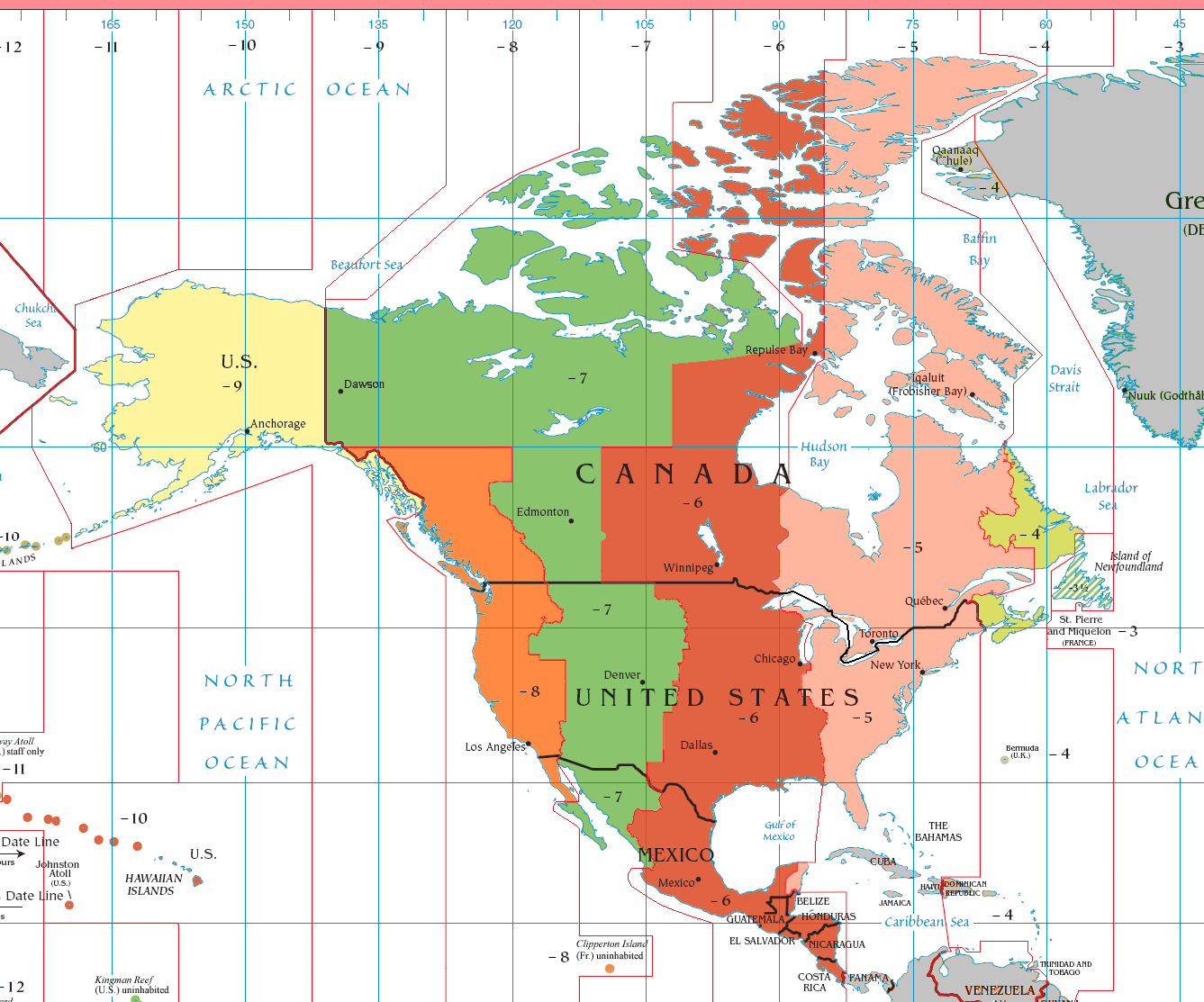
For most of the year, Chicago operates on Central Standard Time (CST), which is UTC-6. However, like many regions across North America, Chicago observes Daylight Saving Time, meaning the city switches to Central Daylight Time (CDT) during the warmer months. This biannual adjustment is a critical piece of information for anyone scheduling their trip or coordinating with others outside the time zone.
CST vs. CDT: A Quick Overview
The distinction between CST and CDT is straightforward but vital. From early November to mid-March, Chicago adheres to CST, meaning it is six hours behind Coordinated Universal Time (UTC-6). This is the “standard” time. However, when Daylight Saving Time begins in the spring (typically the second Sunday in March), clocks in Chicago “spring forward” one hour, shifting to CDT (UTC-5). They then “fall back” one hour in the autumn (the first Sunday in November), returning to CST. This adjustment is designed to maximize daylight hours during the evening for various activities, but it can be a source of confusion for travelers unaware of the change.
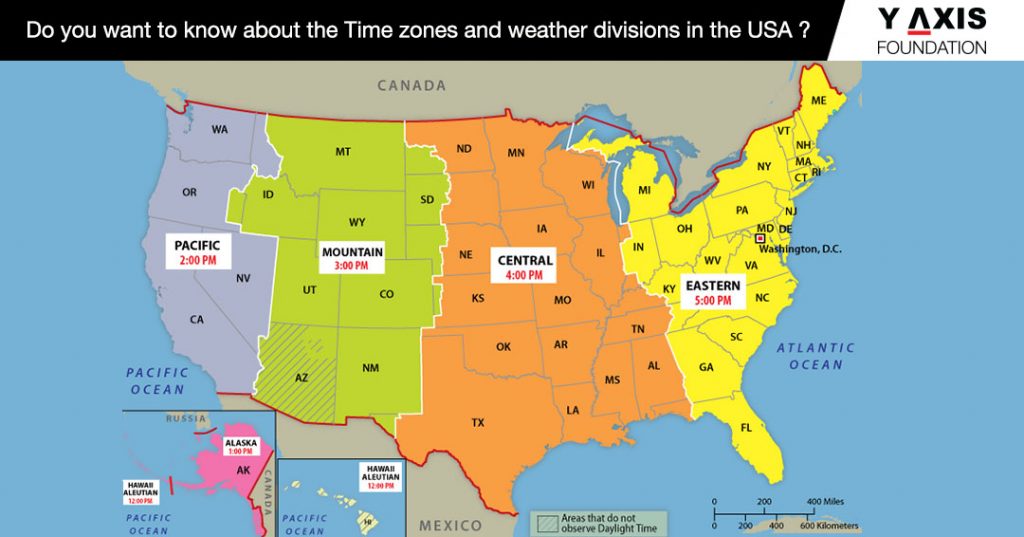
Imagine arriving in Chicago expecting a 3 PM arrival, only to realize the city has jumped an hour forward, potentially impacting a scheduled hotel check-in or a dinner reservation. For instance, if you’re traveling from the East Coast (Eastern Time, ET), Chicago will be one hour behind you during CST and EDT periods, and two hours behind during CDT. If you’re coming from the West Coast (Pacific Time, PT), Chicago will be two hours ahead during CST and PDT periods, and three hours ahead during CDT. Always verify the current time zone status, especially if your travel dates fall around the spring or autumn time change. Most modern devices automatically adjust, but it’s always wise to double-check.
Geographical Context: States in the Central Time Zone
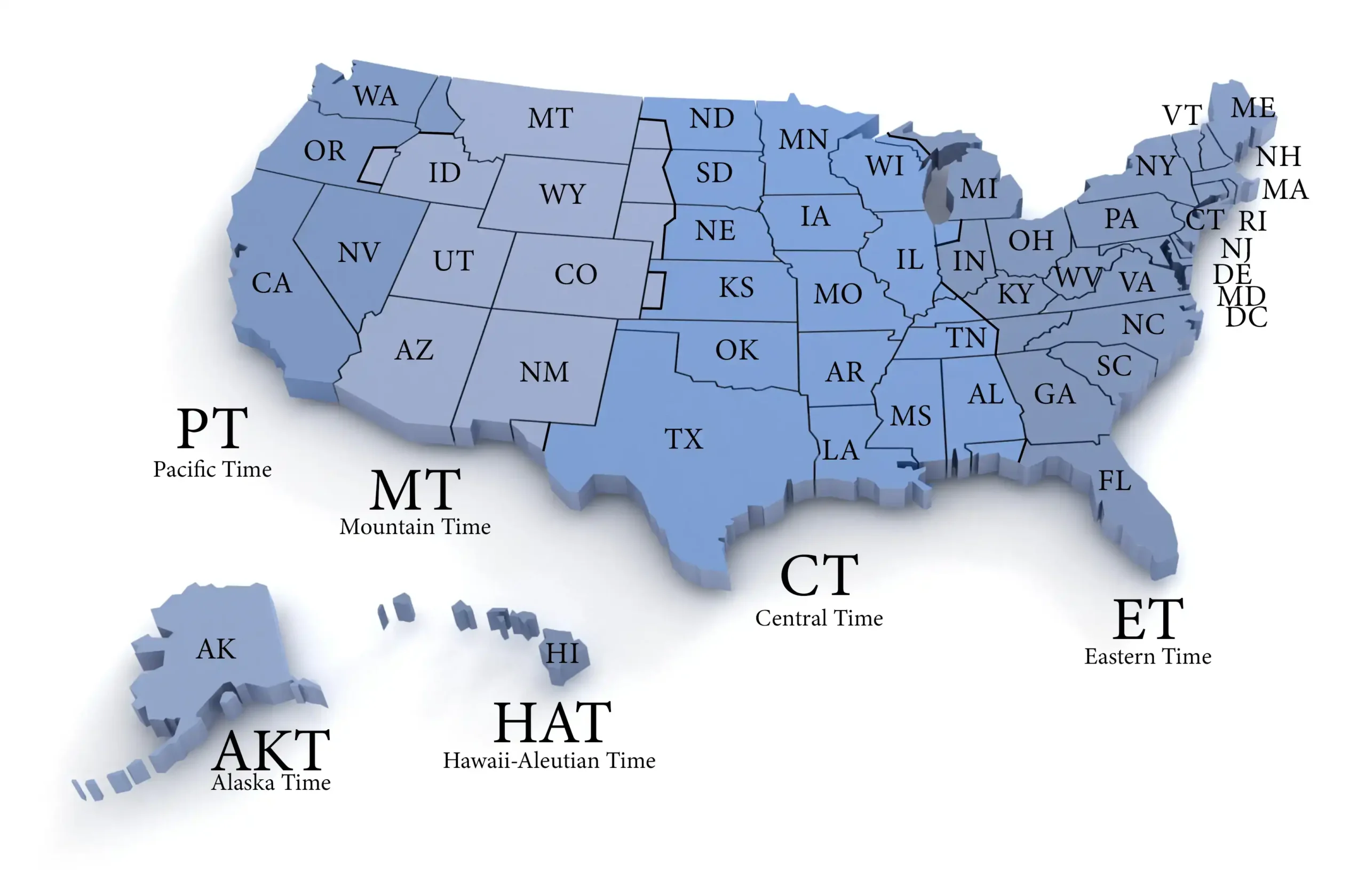
Chicago, located in the state of Illinois, is a prominent city within the Central Time Zone. This time zone encompasses a significant portion of the central United States, stretching from the Canadian border down to Mexico and touching parts of Canada and Mexico itself. Understanding the breadth of this zone can be helpful for those undertaking road trips or connecting flights through the region.
Key U.S. states entirely within or predominantly observing Central Time include:
- Alabama
- Arkansas
- Illinois
- Iowa
- Kansas
- Louisiana
- Minnesota
- Mississippi
- Missouri
- Nebraska
- North Dakota (most of)
- Oklahoma
- South Dakota (most of)
- Texas (most of)
- Wisconsin
Additionally, parts of other states like Florida, Indiana, Kentucky, Michigan, and Tennessee also observe Central Time. This broad geographical coverage means that if you’re traveling within this region, time zone changes might be minimal or non-existent, but always cross-reference with your exact destination. For example, a flight from Dallas, Texas, to Chicago won’t involve a time zone change, simplifying coordination. However, coming from New York City (Eastern Time) will mean a one-hour difference to adjust to.
The Impact of Time Zones on Your Chicago Travel Experience
Beyond simply knowing the current time, understanding Chicago’s time zone profoundly impacts almost every aspect of your travel experience. From the moment you book your flight to the last souvenir you buy, time is an ever-present factor. Travelers who account for time zone differences tend to have smoother, more enjoyable trips, minimizing stress and maximizing their precious vacation hours.
Seamless Travel: Flights and Transfers
Air travel is where time zone differences often become most apparent. When booking flights to O’Hare International Airport (ORD) or Midway International Airport (MDW), pay close attention to the arrival and departure times listed, as they will always reflect the local time of each airport. For example, a flight departing Los Angeles (Pacific Daylight Time, PDT) at 9 AM and landing in Chicago (Central Daylight Time, CDT) three hours later will actually arrive at 1 PM local Chicago time, due to the two-hour time difference. This mental calculation is crucial.
Connecting flights further complicate matters. If you have a layover in a different time zone, ensure you have ample time between connections. A tight connection that looks feasible on paper (e.g., 60 minutes) might become incredibly rushed if you miscalculate the time zone shift during your layover. Always confirm gate numbers and departure times on local monitors upon arrival at a connecting airport, as your original boarding pass might show times in the originating zone or a mix. Additionally, coordinating airport transfers, whether a shared shuttle, private car, or public transport like the CTA ‘L’ train, requires accurate arrival time knowledge to avoid unnecessary waiting or missed connections.
Maximizing Your Itinerary: Attractions and Dining
Chicago boasts an incredible array of attractions, from world-class museums to architectural wonders and vibrant entertainment districts. Most of these establishments operate on fixed schedules that adhere strictly to local Chicago time. Planning your itinerary effectively means understanding these hours in relation to your body clock and any jet lag you might experience.
Consider the operating hours of key landmarks such as the Art Institute of Chicago, the Field Museum, or the observation deck at Willis Tower (formerly Sears Tower). These can vary by day of the week and season. If you arrive from a time zone significantly different from CST/CDT, you might find yourself waking up much earlier or later than usual, impacting your ability to make early morning tours or late evening shows. For example, if you’re from the Pacific Time Zone, 9 AM in Chicago is 7 AM to your body, making an early start quite feasible. Conversely, a late dinner reservation in Chicago (9 PM) would feel like 7 PM back home, potentially impacting your sleep cycle.
Dining experiences are equally affected. Chicago is renowned for its culinary scene, from iconic deep-dish pizza to Michelin-starred restaurants. Reservations, especially for popular spots, are often essential. If you’re coming from afar, make sure your body has adjusted enough to enjoy a leisurely dinner without feeling prematurely tired or overly hungry at odd hours. Brunch spots, which are immensely popular, typically have specific service times. Missing a booking due to time zone confusion or jet lag could mean missing out on a unique gastronomic experience.
Planning Your Visit: Navigating Time in the Windy City
Successful travel to Chicago involves more than just booking flights and hotels; it demands a mindful approach to time, especially when crossing time zones. Being prepared can alleviate common travel woes like jet lag and ensure smooth communication, allowing you to fully immerse yourself in the city’s offerings.
Beating Jet Lag: Tips for a Smooth Transition
Jet lag, a common affliction for long-distance travelers, occurs when your internal body clock (circadian rhythm) is out of sync with the local time. When traveling to Chicago from the west, you “lose” hours, potentially leading to evening fatigue. From the east, you “gain” hours, which might result in early morning wakefulness. Here are some tips to minimize its effects:
- Adjust Before You Go: A few days before your trip, try to gradually shift your sleep schedule closer to Chicago time. If coming from the west, go to bed an hour or two earlier each night. If from the east, try to stay up a bit later.
- Hydrate: Drink plenty of water before, during, and after your flight. Dehydration can exacerbate jet lag symptoms.
- Limit Alcohol and Caffeine: While tempting, these can interfere with sleep and hydration.
- Embrace Local Time Immediately: As soon as you arrive, set your watch to Chicago time. Try to eat and sleep according to the local schedule, even if you’re not hungry or sleepy at first.
- Get Sunlight Exposure: Sunlight helps reset your circadian rhythm. Spend time outdoors during daylight hours. A walk along the Chicago Riverwalk or in Millennium Park can do wonders.
- Strategic Naps: If you must nap, keep it short (20-30 minutes) and early in the day to avoid disrupting nighttime sleep.
- Stay Active: Gentle exercise can help. Exploring the city on foot or visiting the Lincoln Park Zoo can keep you engaged and improve sleep quality later.
Staying Connected: Communication Across Time Zones
Whether you’re traveling for business or leisure, maintaining communication with family, friends, or colleagues in different time zones is often necessary. Misunderstanding the time difference can lead to missed calls, confused schedules, or even professional mishaps.
For business travelers, scheduling virtual meetings requires careful coordination. Always specify the time zone when setting appointments (e.g., “10 AM CDT”) to avoid ambiguity. Utilize online world clock tools or scheduling assistants that automatically convert times.
For leisure travelers, informing family back home about your local time can prevent early morning calls or late-night worries. If you have children or pets to check in on, knowing the exact time difference allows you to call at appropriate hours. Remember that the “spring forward” and “fall back” dates for Daylight Saving Time might not be universal, so always confirm if your home location observes it on the same schedule as Chicago. This foresight can prevent unnecessary frustration and ensure that your focus remains on enjoying your Chicago experience rather than grappling with communication challenges.
Chicago’s Allure Beyond the Clock: A Traveler’s Paradise
While understanding Chicago’s time zone is practical, it’s just one small piece of the puzzle that makes a trip to this magnificent city unforgettable. Beyond the temporal considerations, Chicago offers an unparalleled wealth of experiences, from stunning architecture and world-class museums to vibrant cultural scenes and diverse culinary delights, making it a premier destination for any traveler.
Iconic Landmarks and Attractions
Chicago’s skyline is a testament to architectural innovation, boasting some of the world’s most recognizable structures. The aforementioned Willis Tower offers breathtaking panoramic views from its Skydeck. A cruise along the Chicago River provides an intimate look at the city’s architectural masterpieces, with knowledgeable guides detailing the history and design of buildings like those by Frank Lloyd Wright and the Chicago Architecture Center.
Millennium Park is home to the iconic Cloud Gate, affectionately known as “The Bean,” a must-see for its reflective surface and unique photo opportunities. Nearby, Grant Park hosts the majestic Buckingham Fountain, one of the largest in the world. For art enthusiasts, the Art Institute of Chicago houses an extraordinary collection spanning centuries and cultures. Families will delight in the wonders of the Field Museum, Shedd Aquarium, and Adler Planetarium, all conveniently located within the Museum Campus.
Navy Pier, stretching into Lake Michigan, offers Ferris wheel rides, entertainment, and stunning views of the city skyline and the lake. Shoppers can indulge in luxury brands and unique boutiques along the famous Magnificent Mile on Michigan Avenue. Sports fans can catch a Cubs game at Wrigleyville or a Bulls or Blackhawks game at the United Center. Each landmark offers a distinct experience, contributing to Chicago’s status as a top global destination.
Culinary Delights and Vibrant Culture
Chicago’s culinary scene is as diverse as its population. While the aforementioned deep-dish pizza is a non-negotiable experience for first-time visitors, the city’s gastronomic offerings extend far beyond. From innovative fine dining establishments by world-renowned chefs to bustling ethnic eateries in neighborhoods like Pilsen and Argyle Street, there’s something to satisfy every palate and budget. Food tours are an excellent way to sample a variety of local flavors and learn about the city’s food history.
Culturally, Chicago is a melting pot. It’s the birthplace of modern blues music and a significant hub for jazz music, with numerous venues offering live performances nightly. The city’s theatre scene is world-class, boasting everything from Broadway-caliber productions to experimental independent plays. Festivals are a cornerstone of Chicago’s cultural calendar, with events like Lollapalooza, the Taste of Chicago, and numerous neighborhood fairs celebrating music, food, and art throughout the year. The blend of high culture and everyday charm, accessible to all, makes Chicago a truly enriching destination.
Accommodation and Lifestyle: Making the Most of Your Chicago Stay
Your choice of accommodation and how you approach your lifestyle during your visit can significantly enhance your Chicago experience, especially when considering the time zone. From luxury resorts to budget-friendly apartments, the city offers a vast spectrum of options designed to cater to every traveler’s needs.
Choosing Your Perfect Stay
Chicago’s accommodation landscape is incredibly varied, ensuring there’s a perfect fit for every type of traveler. For those seeking luxury, downtown Chicago boasts a plethora of five-star hotels like the Four Seasons Hotel Chicago, The Ritz-Carlton, Chicago, and numerous properties under major brands like Hyatt, Marriott, and Hilton. These often feature amenities such as spas, fine dining restaurants, and concierge services that can help with everything from tour bookings to navigating public transport, which can be particularly useful when you’re still adjusting to the local time.
For a more independent or longer stay, serviced apartments and boutique hotels offer a home-away-from-home feel. Areas like River North, the West Loop, and Streeterville are popular for their vibrant nightlife, dining scenes, and excellent proximity to attractions. When booking, consider the proximity to your primary interests and public transportation links. If you’re planning early morning excursions, choosing accommodation near an ‘L’ station could save you valuable time. Likewise, if you anticipate late nights out, ensure your hotel is in a well-lit, accessible area. Always check check-in and check-out times, as these are strictly enforced in local Chicago time, and knowing the exact time difference from your origin can help avoid unexpected fees or delays.
Luxury, Budget, and Family Travel
Chicago caters to all travel styles.
- Luxury Travelers: Beyond high-end hotels, Chicago offers exclusive experiences such as private architectural tours, high-end shopping on the Magnificent Mile, and reservations at Michelin-starred restaurants. The ability to seamlessly coordinate these experiences, perhaps with a personal assistant or concierge, ensures that time zone adjustments don’t disrupt a meticulously planned luxury itinerary.
- Budget Travelers: For those on a tighter budget, Chicago has numerous hostels, budget hotels, and Airbnb options, especially in neighborhoods slightly outside the immediate downtown core. Planning your schedule to take advantage of free attractions (like Millennium Park or the Lincoln Park Zoo), utilizing public transportation, and seeking out happy hour deals can make your trip affordable. Being time-savvy means you won’t miss out on free walking tours or early bird specials.
- Family Trips: Traveling with family often requires a more structured approach. Chicago is incredibly family-friendly, with attractions like the Shedd Aquarium, Field Museum, and Children’s Museum at Navy Pier. Scheduling activities around children’s nap times and meal schedules, taking into account potential time zone fatigue, is paramount. Choosing accommodations with kitchenettes can be beneficial for preparing meals and snacks, adhering to family routines even when your internal clocks are adjusting.
Regardless of your travel style, a holistic understanding of Chicago’s time zone – both CST and CDT – underpins a successful and enjoyable visit. It empowers you to navigate the city efficiently, savor its offerings without rush, and create lasting memories without the added stress of temporal miscalculations.
In conclusion, the answer to “Is Chicago CST?” is a resounding yes, though with the important caveat of Central Daylight Time during much of the year. This seemingly simple fact has far-reaching implications for travelers, touching every aspect of their journey from arrival to departure. By understanding and accounting for Chicago’s time zone, visitors can transform potential challenges into opportunities for seamless exploration, ensuring their trip to this magnificent city is as rewarding and memorable as possible. So, set your watch, plan wisely, and prepare to discover the endless wonders of Chicago!
LifeOutOfTheBox is a participant in the Amazon Services LLC Associates Program, an affiliate advertising program designed to provide a means for sites to earn advertising fees by advertising and linking to Amazon.com. Amazon, the Amazon logo, AmazonSupply, and the AmazonSupply logo are trademarks of Amazon.com, Inc. or its affiliates. As an Amazon Associate we earn affiliate commissions from qualifying purchases.