
Chicago, the bustling heart of the Midwestern United States, is a city renowned for its stunning architecture, vibrant arts scene, world-class dining, and captivating waterfront along Lake Michigan. For many contemplating a visit, particularly those planning to explore its iconic downtown, a fundamental question often arises: “Is Chicago downtown safe?” This is a valid concern in any major metropolitan area, and one that deserves a comprehensive and nuanced answer. As experts in travel, tourism, and accommodation, we understand the importance of feeling secure and well-informed when planning your adventures.
The perception of safety in a large city can often be influenced by media reports or anecdotal stories, which may not always reflect the reality on the ground, especially in specific, tourist-heavy areas. Downtown Chicago encompasses several distinct neighborhoods, each with its own character and dynamics. Generally speaking, the areas most frequented by tourists – such as The Loop, River North, Streeterville, and along the Magnificent Mile – are designed to be welcoming and safe for visitors. These areas are typically well-lit, heavily trafficked by both locals and tourists, and benefit from a visible police presence. Understanding the urban landscape and adopting a few smart travel practices can significantly enhance your experience and peace of mind, allowing you to fully immerse yourself in all the culture and excitement Chicago has to offer. This guide aims to provide a balanced perspective, practical advice, and insights into navigating Chicago’s downtown safely, ensuring your trip is memorable for all the right reasons.

Understanding Chicago’s Urban Landscape and Safety Dynamics
When considering safety in a major city like Chicago, it’s crucial to move beyond broad generalizations and focus on specific areas and their unique characteristics. Downtown Chicago is not a monolithic entity; rather, it’s a collection of diverse neighborhoods, each offering a distinct experience. Most tourist activity is concentrated in well-maintained, vibrant districts that benefit from significant investment in infrastructure, security, and public services.
Dispelling Myths vs. Reality: A Nuanced Perspective
The narrative surrounding safety in large American cities can often be skewed, leading to an exaggerated perception of danger, particularly for those unfamiliar with urban environments. While no city is entirely crime-free, and petty crime like pickpocketing can occur anywhere, the reality in downtown Chicago is far more reassuring than sensational headlines might suggest. The areas where tourists spend the vast majority of their time, such as Millennium Park, the Art Institute of Chicago, and the Chicago Riverwalk, are generally very safe during the day and well into the evening.
Local authorities, including the Chicago Police Department, are highly visible in these high-traffic areas, implementing strategies to ensure both resident and visitor safety. Tourist-focused businesses, from hotels and restaurants to attractions and retail establishments along the Magnificent Mile, also have a vested interest in maintaining a secure environment for their patrons. Visitors will often find private security personnel augmenting public safety efforts in commercial districts and around major landmarks. The key is to exercise the same level of caution and awareness you would in any unfamiliar urban setting.
Downtown Defined: Neighborhoods and Their Characteristics
Chicago’s downtown area is comprised of several distinct neighborhoods, each contributing to its unique appeal:
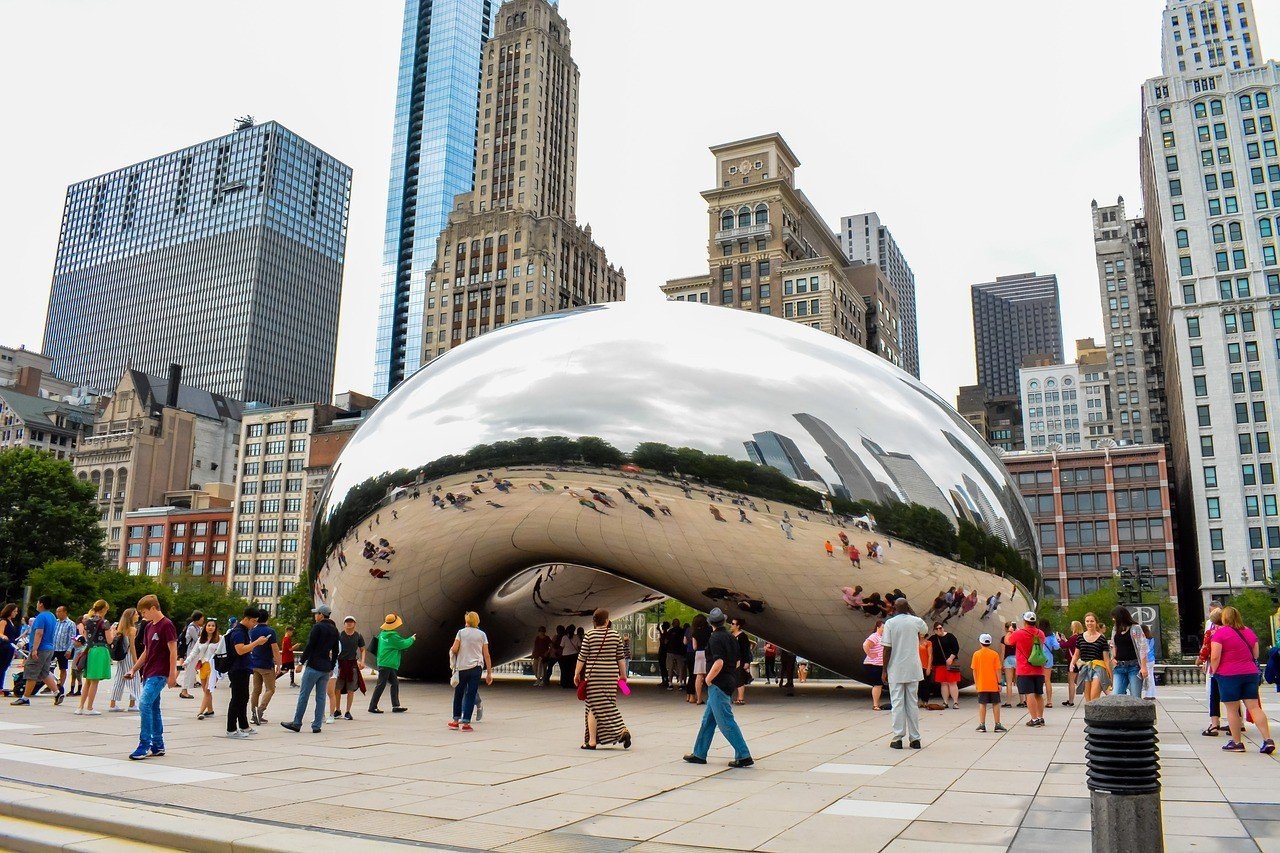
- The Loop: This is the central business district and arguably the heart of downtown. Home to iconic skyscrapers like the Willis Tower (with its Skydeck Chicago), cultural institutions like the Art Institute of Chicago, and green spaces such as Millennium Park (featuring the famous Cloud Gate sculpture) and Grant Park (with Buckingham Fountain), The Loop is exceptionally safe, especially during business hours and when attractions are open. Evenings remain active, particularly around theaters and restaurants.
- River North: Just north of The Loop, River North is known for its vibrant nightlife, upscale restaurants, art galleries, and boutique hotels. It’s a popular destination for dining and entertainment, generally bustling and safe well into the night due to high foot traffic and numerous establishments.
- Streeterville: Situated east of River North and bordering Lake Michigan, Streeterville is home to Navy Pier, Northwestern University’s downtown campus, and numerous luxury hotels and residential buildings. This area is very safe, particularly around Navy Pier and the lakefront path, which are popular with families and tourists.
- Magnificent Mile: This iconic stretch of North Michigan Avenue runs through Streeterville and the Gold Coast, offering world-class shopping, dining, and hotels. It’s one of the most heavily patrolled and secure areas, with constant activity. Landmarks like the John Hancock Center (home to 360 Chicago) are here.
- South Loop: Extending south from The Loop, this area includes Museum Campus (home to the Field Museum, Shedd Aquarium, and Adler Planetarium), as well as residential towers and new developments. It’s generally safe, especially around the museums and lakefront.
- West Loop: Once an industrial area, the West Loop has transformed into a trendy hub known for its acclaimed restaurants and vibrant food scene. While slightly west of the traditional downtown core, its popularity makes it well-trafficked and generally safe, particularly in its main commercial corridors.
Understanding these distinctions allows travelers to plan their visits with greater confidence, focusing on the areas that align with their interests while being mindful of their surroundings.
Key Safety Considerations for Visitors
While downtown Chicago is generally safe, proactive awareness and adherence to practical safety measures are vital for any traveler. These considerations cover navigating the city’s public spaces, understanding areas that might require extra vigilance, and recognizing the role of your accommodation choice in ensuring personal security.
Navigating Public Spaces and Transportation
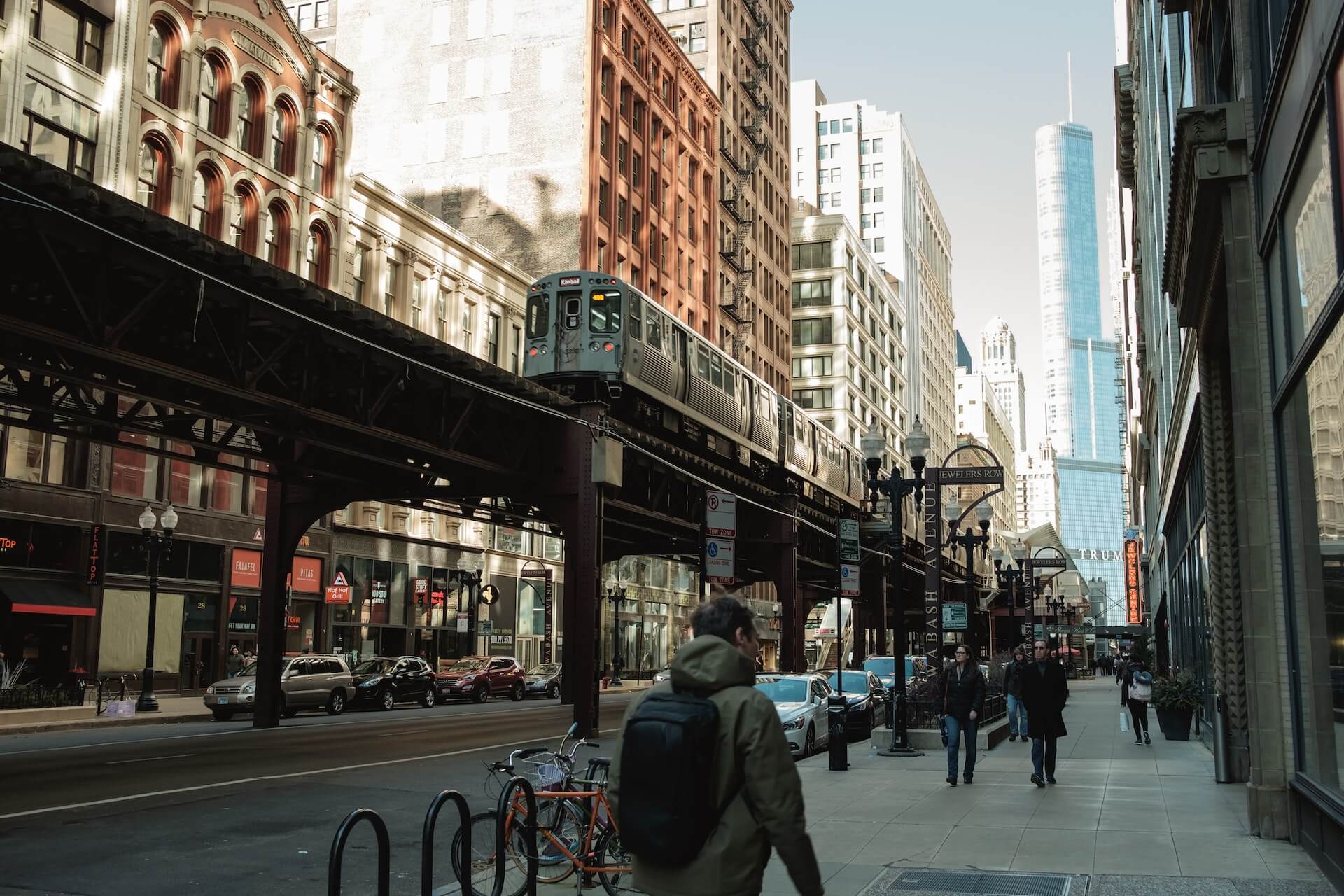
Public transportation in Chicago, primarily the CTA (Chicago Transit Authority) with its iconic L train system and extensive bus network, is generally safe and efficient for navigating downtown and beyond. During peak hours, trains and buses are often crowded, and the presence of many commuters naturally enhances security. However, like any public transport system in a major city, it’s wise to remain alert, especially during off-peak hours or late at night.
- Keep valuables out of sight: Avoid flashing expensive phones, cameras, or jewelry.
- Be aware of your surroundings: Pay attention to who is around you, especially when waiting at stations or stops.
- Travel with others if possible: Especially late at night. If alone, consider using ride-sharing services from reputable apps or licensed taxis, particularly for longer distances or after dark.
- Use designated stops: Ensure you only board licensed taxis or ride-shares at well-lit, busy locations.
Walking around downtown is one of the best ways to experience Chicago’s architecture and street life. Stick to well-lit, populated streets, especially at night. Avoid shortcuts through alleys or poorly lit areas. Utilize crosswalks and obey traffic signals, as vehicle traffic can be heavy.
Specific Areas: Where to Be Mindful
While most of downtown Chicago is safe, a general rule for urban exploration is to be mindful when venturing into less populated or unlit areas, regardless of the neighborhood. Certain areas, particularly on the fringes of the core tourist districts or those that transition into less affluent neighborhoods, might warrant a higher degree of caution, especially after dark. For instance, while the West Loop is a fantastic dining destination, its former industrial nature means some blocks may be quieter or less well-lit than, say, the Magnificent Mile.
Areas immediately adjacent to train stations or major transit hubs, particularly late at night, can sometimes attract panhandlers or individuals experiencing homelessness. While most are harmless, it’s prudent to maintain situational awareness and politely decline interactions if you feel uncomfortable. Generally, if an area feels deserted or unusually quiet, especially after 10 PM, it’s a good indicator to re-route or consider alternative transportation.
The Role of Hotels and Accommodation in Personal Security
Choosing your accommodation is a critical part of ensuring a safe and enjoyable trip. Downtown Chicago offers a vast array of hotels, from luxury resorts and boutique hotels to extended-stay apartments and budget-friendly options. Reputable establishments, such as the Hyatt Regency Chicago or the historic Palmer House Hilton, located in key downtown areas like The Loop and River North, typically prioritize guest safety through various measures:
- Secure Access: Key card access for elevators and room floors is standard.
- 24/7 Staffing: Front desk and security personnel are available around the clock.
- Surveillance: Public areas are monitored by cameras.
- Well-lit surroundings: Hotel exteriors and entrances are typically brightly lit.
When booking accommodation, whether it’s a hotel, an apartment rental, or a suite, consider checking recent reviews for mentions of safety, neighborhood quietness, and overall security. Booking through reputable platforms and choosing properties in well-known, tourist-friendly neighborhoods significantly minimizes risk. For long-term stays or those considering serviced apartments, confirm the building’s security protocols and guest access policies. Trustworthy accommodations are not just about comfort and amenities; they are foundational to a secure travel experience.
Maximizing Your Safety: Practical Tips and Best Practices
Traveling responsibly means empowering yourself with knowledge and adopting smart habits that contribute to a secure experience. Regardless of where you travel, universal safety principles apply, and Chicago is no exception. By integrating these tips into your travel plan, you can focus more on the city’s marvels and less on potential concerns.
General Safety Guidelines for Tourists
- Stay Informed: Before you arrive, do a quick search for local news regarding any major events or protests that might impact your travel plans or specific areas.
- Blend In: While you don’t need to ditch your tourist map, avoid drawing unnecessary attention to yourself. Dress comfortably and appropriately for the weather and local style. Keep expensive gadgets discreet.
- Protect Valuables: Use a cross-body bag or a money belt, keep wallets in a front pocket, and avoid carrying large amounts of cash. Be particularly vigilant in crowded areas, on public transport, and at popular tourist attractions, where pickpocketing can occur.
- Share Your Itinerary: Let family or friends know your travel plans, especially if you’re traveling solo.
- Limit Alcohol Intake: While enjoying Chicago’s nightlife, be mindful of your alcohol consumption. Impaired judgment can make you a more vulnerable target.
- Trust Your Instincts: If a situation or area feels off, it probably is. Remove yourself from uncomfortable situations.
- Emergency Contacts: Know how to dial 911 for emergencies. Save important numbers (hotel, travel companions, local consulate) on your phone.
Tailoring Safety for Different Travel Lifestyles
Safety considerations can vary based on your travel style:
- Luxury Travel: If you’re indulging in luxury travel, such as a stay at the Peninsula Chicago on the Magnificent Mile, you’ll benefit from top-tier hotel security and concierge services that can arrange safe transportation. Even so, basic street smarts still apply when exploring outside the hotel’s immediate vicinity.
- Budget Travel: For budget-conscious travelers, researching accommodation reviews thoroughly is even more critical. Opt for well-reviewed hostels or hotels in established neighborhoods. Utilize public transport wisely and consider walking during daylight hours.
- Family Trips: When traveling with family, especially young children, prioritize well-lit, family-friendly areas like Museum Campus or Millennium Park. Stick to consistent routines, avoid late-night excursions with kids, and teach children about staying close and what to do if they get separated.
- Business Stays: Business travelers often have tight schedules. Leverage hotel services for transportation to meetings. If you have free time, explore downtown’s main attractions during daylight hours. Be discreet with business equipment and documents.
Emergency Preparedness and Resources
Knowing what to do in an emergency can significantly reduce stress and improve outcomes:
- Emergency Services: Dial 911 in the United States for police, fire, or medical emergencies.
- Hotel Assistance: Your hotel concierge or front desk can be an excellent resource for local safety advice, reliable transportation options, and assistance in non-emergency situations (e.g., lost passport, minor medical issue).
- Travel Insurance: Consider travel insurance that covers medical emergencies, trip cancellations, and lost belongings. This provides an important layer of financial security.
- Local Apps: Download local navigation apps or the CTA app for real-time transit information. Consider a safety app that can share your location with trusted contacts.
By being prepared and practicing basic urban safety, you can confidently explore Chicago’s downtown and make the most of your visit.
Experiencing Chicago Downtown: Attractions and Peace of Mind
Ultimately, the goal of any visit to Chicago is to experience its unique charm, delve into its rich culture, and create lasting memories. With a proactive approach to safety, you can fully immerse yourself in the city’s incredible array of landmarks, culinary delights, and entertainment options, all while maintaining peace of mind.
Iconic Landmarks and Cultural Hotspots
Chicago’s downtown is a treasure trove of iconic landmarks and cultural institutions, and exploring them is generally a safe and rewarding experience. Areas like Millennium Park, home to the reflective Cloud Gate (affectionately known as “The Bean”), and Grant Park, with its majestic Buckingham Fountain, are bustling with visitors and locals alike, especially during warmer months. These parks are well-maintained and regularly patrolled.
The Art Institute of Chicago, one of the oldest and largest art museums in the United States, is situated directly in The Loop and offers a safe, enriching experience. Further south, the Museum Campus hosts the Field Museum, Shedd Aquarium, and Adler Planetarium – an excellent destination for families and culture enthusiasts. This entire area along the lakefront is designed for public enjoyment and safety.
The architectural boat tours on the Chicago Riverwalk are not only a fantastic way to see the city’s famous skyline but also take place in a very secure environment. Ascending the Willis Tower for the Skydeck Chicago experience or visiting 360 Chicago at the John Hancock Center offers breathtaking views from some of the safest, most controlled environments in the city. When planning your visits to these attractions, booking tickets in advance can sometimes help you avoid long queues, enhancing your overall experience.
Dining, Nightlife, and Events
Chicago’s downtown area truly comes alive in the evenings, with world-class dining, vibrant nightlife, and a dynamic calendar of events. Neighborhoods like River North, West Loop, and parts of The Loop offer an incredible array of restaurants, bars, and entertainment venues. These areas are generally very safe due to their popularity, high foot traffic, and the presence of numerous establishments that contribute to a lively atmosphere.
When enjoying Chicago’s nightlife, remember the general safety tips: travel with companions, use reputable transportation services (like licensed taxis or established ride-sharing apps), and stay aware of your surroundings. Many downtown venues have bouncers or security staff, and the presence of other patrons often deters petty crime.
Throughout the year, Grant Park and Millennium Park host numerous festivals and events, drawing large crowds. While these events are usually well-managed with enhanced security, it’s always wise to be extra vigilant in crowded settings, guarding your belongings and being mindful of personal space. Attending an event in downtown Chicago is an exhilarating experience, and with sensible precautions, you can enjoy it without concern.
In conclusion, Chicago downtown is a phenomenal destination that is, by and large, very safe for visitors. By understanding its distinct neighborhoods, adopting common-sense safety practices, and leveraging the resources available, you can confidently explore its attractions, savor its culinary scene, and create an unforgettable travel experience. The perception of safety should not deter you from discovering the wonders of this incredible Illinois city.
LifeOutOfTheBox is a participant in the Amazon Services LLC Associates Program, an affiliate advertising program designed to provide a means for sites to earn advertising fees by advertising and linking to Amazon.com. Amazon, the Amazon logo, AmazonSupply, and the AmazonSupply logo are trademarks of Amazon.com, Inc. or its affiliates. As an Amazon Associate we earn affiliate commissions from qualifying purchases.