
For travelers planning a visit to the Windy City, a fundamental question often arises: “Is Chicago Est Time?” The simple answer, crucial for seamless travel logistics and an enjoyable experience, is no. Chicago operates on Central Standard Time (CST), a distinct time zone with its own rhythm and implications for visitors. Understanding this distinction is not merely a matter of trivia; it is a vital component of successful travel planning, from coordinating flights and hotel check-ins to scheduling meetings and experiencing the city’s myriad attractions. This comprehensive guide will demystify Chicago’s time zone, offering insights and practical advice to ensure your visit is perfectly synchronized with the pulse of this vibrant metropolis.

Demystifying Chicago’s Time Zone: Central Standard Time (CST)
To truly appreciate the nuances of travel planning for Chicago, it’s imperative to first understand its time zone: Central Standard Time. This isn’t just about setting your watch; it’s about comprehending the rhythm that governs daily life and operations in the city.
The Core Distinction: CST vs. EST
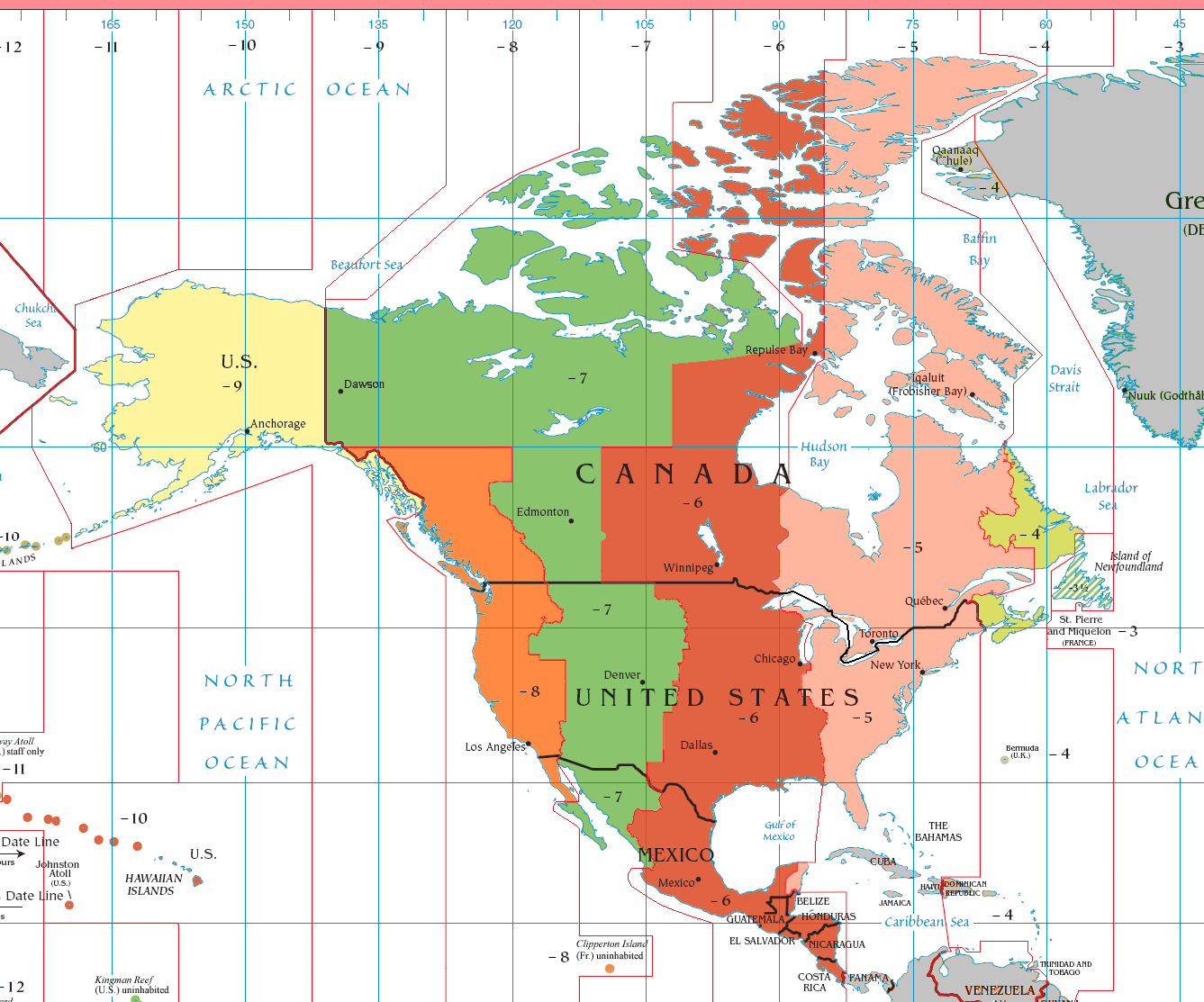
The most common confusion stems from the proximity and frequent travel between the Eastern and Central regions of the United States. Eastern Standard Time (EST) covers a vast swathe of the East Coast, including major cities like New York, Boston, and Miami. Central Standard Time (CST), on the other hand, encompasses a significant portion of the central U.S., stretching from Texas up through the Midwest. The fundamental difference between these two time zones is a single hour: CST is always one hour behind EST. So, when it’s 10:00 AM EST, it’s 9:00 AM CST. This seemingly small difference can have profound effects on travel itineraries, business schedules, and communication, making it critical for travelers to internalize this distinction well before their trip.
Understanding Daylight Saving Time in Chicago
Like most of the United States, Chicago observes Daylight Saving Time (DST). This annual adjustment means that clocks “spring forward” by one hour in early spring and “fall back” by one hour in the autumn. During Daylight Saving Time, Central Standard Time transitions to Central Daylight Time (CDT). So, while the base time zone is CST, from roughly March to November, Chicago operates on CDT. This shift means that the one-hour difference with Eastern Daylight Time (EDT) remains constant. For travelers, it’s less about the “Standard” or “Daylight” designation and more about being aware that the time in Chicago consistently lags one hour behind the Eastern time zone throughout the year, regardless of DST. Always confirm current local time, especially if your travel dates fall around the DST transition periods, to avoid any miscalculations.
Geographic Context: Why Chicago Sits in CST
Illinois, the state where Chicago is located, falls squarely within the geographical boundaries designated for Central Standard Time. The contiguous United States is divided into four primary time zones: Pacific, Mountain, Central, and Eastern. This division was established to standardize railway schedules in the late 19th century and has since become enshrined in federal law. The delineation broadly follows longitudinal lines, with Chicago’s western longitude placing it firmly in the Central zone. This geographic placement ensures a consistent time reference for the vast agricultural and industrial heartland it represents, distinguishing it from the densely populated East Coast and the expansive western states. Understanding this historical and geographical context solidifies why Chicago is, and has always been, a CST/CDT city.
The Traveler’s Guide to Time Zone Transition in Chicago
For any journey to Chicago, mastering the time zone transition is a cornerstone of effective planning. It’s not just about setting your watch; it’s about synchronizing your entire trip experience from the moment you depart to your final farewell.
Pre-Arrival Planning: Flights, Hotels, and Reservations
The importance of confirming all schedules in local time cannot be overstated. When booking flights, verify departure and arrival times based on the respective local time zones. A flight departing from New York (EST) at 9:00 AM might arrive in Chicago (CST) at 10:00 AM local time, even if the flight duration is only two hours, due to crossing time zones. This can be particularly confusing for layovers, where misinterpreting times could lead to missed connections. Similarly, hotel check-in times, restaurant reservations, and tickets for shows or attractions like the Art Institute of Chicago or a deep-dish pizza tour must all be confirmed against Chicago’s local time. A 7:00 PM dinner reservation in Chicago means 7:00 PM CST/CDT, which would be 8:00 PM for someone still mentally operating on EST. Meticulous review of all confirmations, paying close attention to the time zone specified, will prevent unnecessary stress and ensure a smooth start to your Chicago adventure.
Managing Jet Lag for an Optimal Experience
While the one-hour time difference between EST and CST might seem negligible compared to transcontinental or international travel, it can still induce mild jet lag for sensitive individuals. For those traveling from the West Coast (PST), the two-hour jump forward can be more noticeable. Jet lag, even in its mildest form, can impact energy levels, concentration, and overall enjoyment of your trip. To mitigate this, consider adjusting your sleep schedule by an hour or two in the days leading up to your departure. Upon arrival, immediately set your watch to Chicago time and try to operate on the local schedule. Exposure to natural light during the day, staying hydrated, and avoiding heavy meals or excessive alcohol on travel day can significantly aid your body’s adjustment. Prioritizing rest on your first night can make a substantial difference in your ability to fully immerse yourself in the city’s offerings the following day.
Business Travel Considerations: Meetings and Conferences

For business travelers, understanding Chicago’s time zone is paramount. Missing a crucial meeting or arriving late due to a time zone miscalculation can have significant professional repercussions. When scheduling virtual meetings with colleagues in different time zones, always clarify the time zone for each participant or use a world clock converter to avoid ambiguity. For in-person conferences or client meetings in Chicago, factor in the time difference from your origin city. If you’re flying in from the East Coast, remember that your 9:00 AM meeting in Chicago will feel like 10:00 AM to your body. Plan your arrival and pre-meeting preparations accordingly to ensure you are punctual, refreshed, and fully prepared for your engagements. This level of diligence reflects professionalism and respect for local schedules.
Time Zone’s Impact on Exploring Chicago’s Vibrant Landscape
Chicago is a city brimming with iconic landmarks, world-class dining, and diverse entertainment options. To fully experience its vibrancy, visitors must synchronize their internal clocks with the city’s operating hours, which are, of course, anchored in CST/CDT.
Synchronizing with Iconic Attractions and Venues
Many of Chicago’s most celebrated attractions have specific operating hours that visitors need to heed. The majestic Willis Tower Skydeck, for instance, opens its doors at a certain time each morning and closes in the evening, with extended hours during peak seasons. Similarly, institutions like the Art Institute of Chicago have precise opening and closing times, as do popular spots like Millennium Park (though largely open-air, specific installations or visitor centers may have hours) and the bustling Navy Pier‘s attractions. When planning your daily itinerary, always double-check the local operating hours for each venue. A common mistake is to convert these times based on your home time zone, leading to arriving too early or too late. By consulting official websites and confirming times in CST/CDT, you ensure maximum efficiency in your sightseeing, avoiding missed opportunities or unnecessary waiting.
Dining and Entertainment: Adjusting to Local Rhythms
Chicago’s culinary scene is legendary, offering everything from Michelin-starred restaurants to classic deep-dish pizza joints. Understanding the local dining rhythms is key to securing coveted reservations and enjoying meals at your leisure. Most breakfast spots open around 7:00 AM CST, lunch service begins around noon, and dinner typically starts from 5:00 PM or 6:00 PM CST. Similarly, showtimes for Broadway productions in the Theater District, concerts, and nightlife venues are all scheduled in local time. If you’re aiming for a prime-time dinner slot or catching a popular show, it’s crucial to make reservations well in advance and be mindful of the CST/CDT timing. Adapting to the local pace allows you to fully engage with Chicago’s vibrant social life, ensuring you don’t miss out on its renowned food and entertainment offerings.
Navigating Transportation: O’Hare and Midway Airports
Your journey into and out of Chicago will almost certainly involve one of its two major international airports: O’Hare International Airport (ORD) or Midway International Airport (MDW). All flight schedules, including departures, arrivals, and connecting flights, are listed in the local time zone of the respective airport. This means a flight departing from Chicago to an EST city will show an EST arrival time, even though the elapsed time might suggest an earlier arrival in EST due to the time zone difference. When arranging airport transfers, whether via taxi, rideshare, or the CTA train, account for the local time. Peak traffic hours in Chicago (roughly 7-9 AM and 4-6 PM CST) can significantly impact travel times to and from the airports. Being aware of these local patterns, all dictated by the CST/CDT clock, helps in planning sufficient buffer time and ensures you reach your gate or destination without undue haste.
Strategic Tips for Time Zone Mastery During Your Chicago Trip
Navigating a new city involves more than just directions; it’s about attuning oneself to its temporal rhythm. For a city like Chicago, with its distinct time zone, a few strategic tips can make all the difference in ensuring a smooth and stress-free travel experience.
Leveraging Technology: Smart Devices and Apps
In today’s interconnected world, technology is your best friend for time zone management. Most smartphones and smartwatches automatically update to the local time zone when you arrive at your destination, provided location services are enabled. However, it’s always prudent to manually double-check this setting upon landing. World clock apps are invaluable tools, allowing you to easily track the time in Chicago alongside your home city and any other relevant locations. These apps can also provide quick conversions for meeting times or event schedules. Furthermore, digital assistants on your devices can instantly tell you the current time in Chicago, offering a quick and reliable verification. Embrace these technological aids to keep yourself perfectly synchronized with Central Standard Time throughout your visit.
Practical Adjustments on the Ground
Beyond technology, simple behavioral adjustments can greatly assist your adaptation to Chicago’s time zone. As soon as you arrive, manually reset any non-smart watches to local time. This visual cue helps recalibrate your internal clock. Try to schedule early morning activities on your first full day to help your body adjust to the new wake-up time. Maximize your exposure to natural light during [Chicago](https://lifeoutofthebox.com/chicago]’s daylight hours, especially in the morning, as this helps regulate your circadian rhythm. Conversely, minimize bright light exposure in the evenings if you’re trying to shift your sleep cycle earlier. Hydration is also key; dehydration can exacerbate feelings of fatigue and disorientation. Adopting these small but impactful habits will help you quickly settle into the local time and make the most of every moment in the city.
Communication Across Time Zones: Staying Connected
For many travelers, staying connected with family, friends, or colleagues in different time zones is a necessity. When making calls or scheduling video chats, always factor in the time difference. If your family is on the East Coast (EST) and you’re in Chicago (CST), remember they are one hour ahead. A call at 6:00 PM CST will be 7:00 PM EST for them. For those communicating internationally, the differences can be even more pronounced. Clearly state the time zone when scheduling conversations to avoid confusion. For instance, “Let’s chat at 3:00 PM Chicago time” or “3:00 PM CST” leaves no room for misinterpretation. This proactive approach to communication ensures that you maintain your connections without inadvertently disturbing anyone or missing important discussions due to a simple time zone oversight.
In conclusion, while the question “Is Chicago Est Time?” is easily answered with a definitive “no,” the implications of this distinction are far-reaching for any traveler. By understanding that Chicago operates on Central Standard Time (and Central Daylight Time during DST), and by implementing practical strategies for planning, adjustment, and communication, visitors can ensure their trip to this magnificent city is flawlessly timed, enriching every moment of their Chicago experience.
LifeOutOfTheBox is a participant in the Amazon Services LLC Associates Program, an affiliate advertising program designed to provide a means for sites to earn advertising fees by advertising and linking to Amazon.com. Amazon, the Amazon logo, AmazonSupply, and the AmazonSupply logo are trademarks of Amazon.com, Inc. or its affiliates. As an Amazon Associate we earn affiliate commissions from qualifying purchases.